Karina Elias and Lupa Design Are Quietly Redefining Miami’s Luxury Residential Future
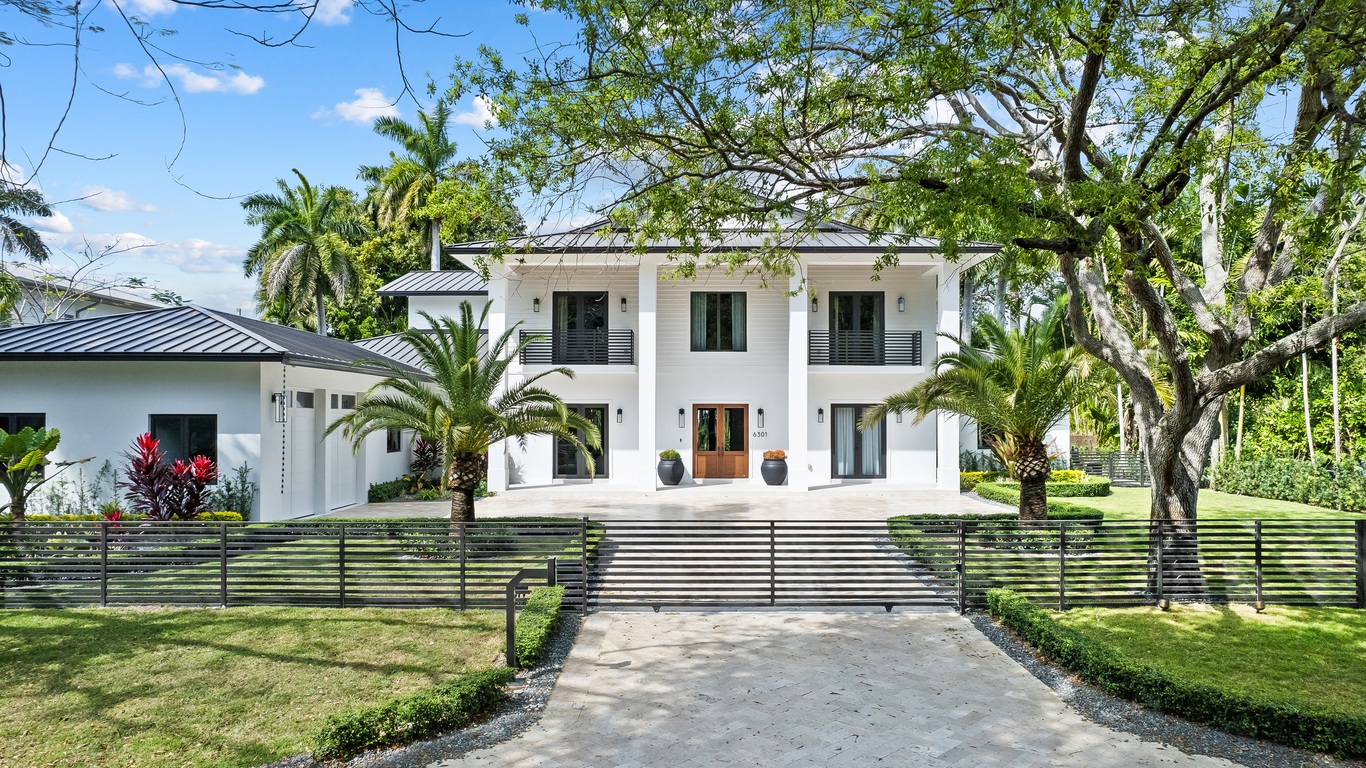
Karina Elias and Lupa Design are redefining Miami luxury homes through restraint luxury and timeless architecture.

Photo Credit: Lupa Design
As Miami continues evolving into one of the world’s most influential luxury real estate destinations, a quieter and far more sophisticated design movement is beginning to reshape the city’s residential identity. The era of overly performative interiors, excessive ornamentation, and trend-driven luxury appears to be giving way to something far more intentional. Today’s affluent homeowners and developers are increasingly prioritizing permanence, architectural discipline, and emotional livability over spectacle alone. At the center of that shift is Karina Elias, Founder and Creative Director of Lupa Design, a Miami-based residential design studio redefining how modern luxury homes are conceived, executed, and experienced.
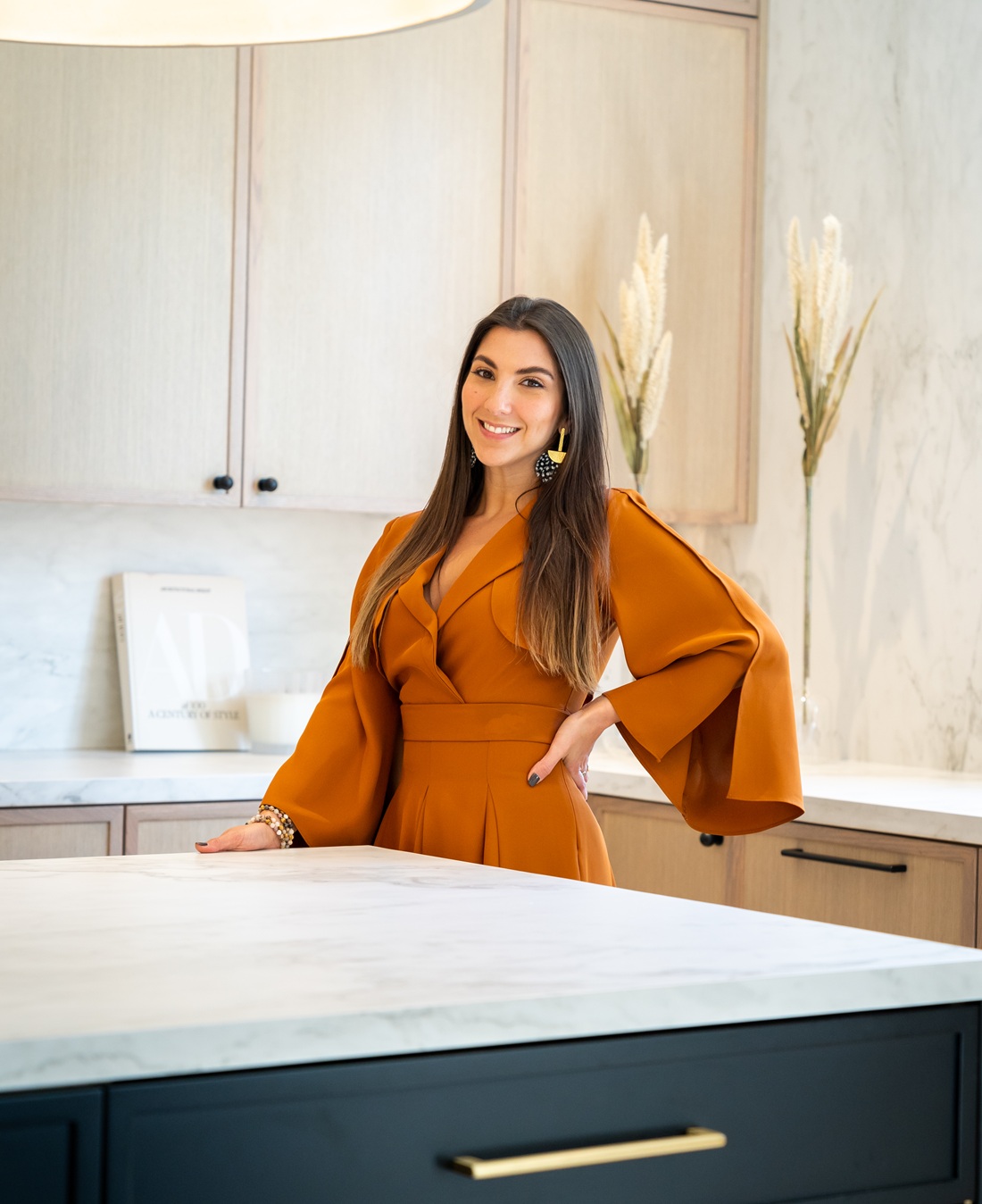
Photo Credit: Lupa Design
As global attention intensifies around Miami ahead of FIFA World Cup 2026™ and international wealth continues flowing into South Florida’s ultra-luxury market, the expectations surrounding residential design have evolved dramatically. Buyers are no longer satisfied with homes that simply appear luxurious on the surface. Instead, they are seeking environments that feel architecturally grounded, emotionally calming, and capable of maintaining long-term relevance in a rapidly changing design landscape. That cultural transition has created new opportunities for firms capable of delivering refined sophistication rather than visual excess.
Lupa Design has emerged as one of the studios helping define this next chapter of Miami luxury living. Unlike many high-volume design firms focused primarily on aesthetics, the studio approaches architecture, interiors, and construction execution as one fully integrated process. This level of cohesion has become increasingly valuable in a luxury market where buyers expect residences to function seamlessly while maintaining a highly personalized identity.
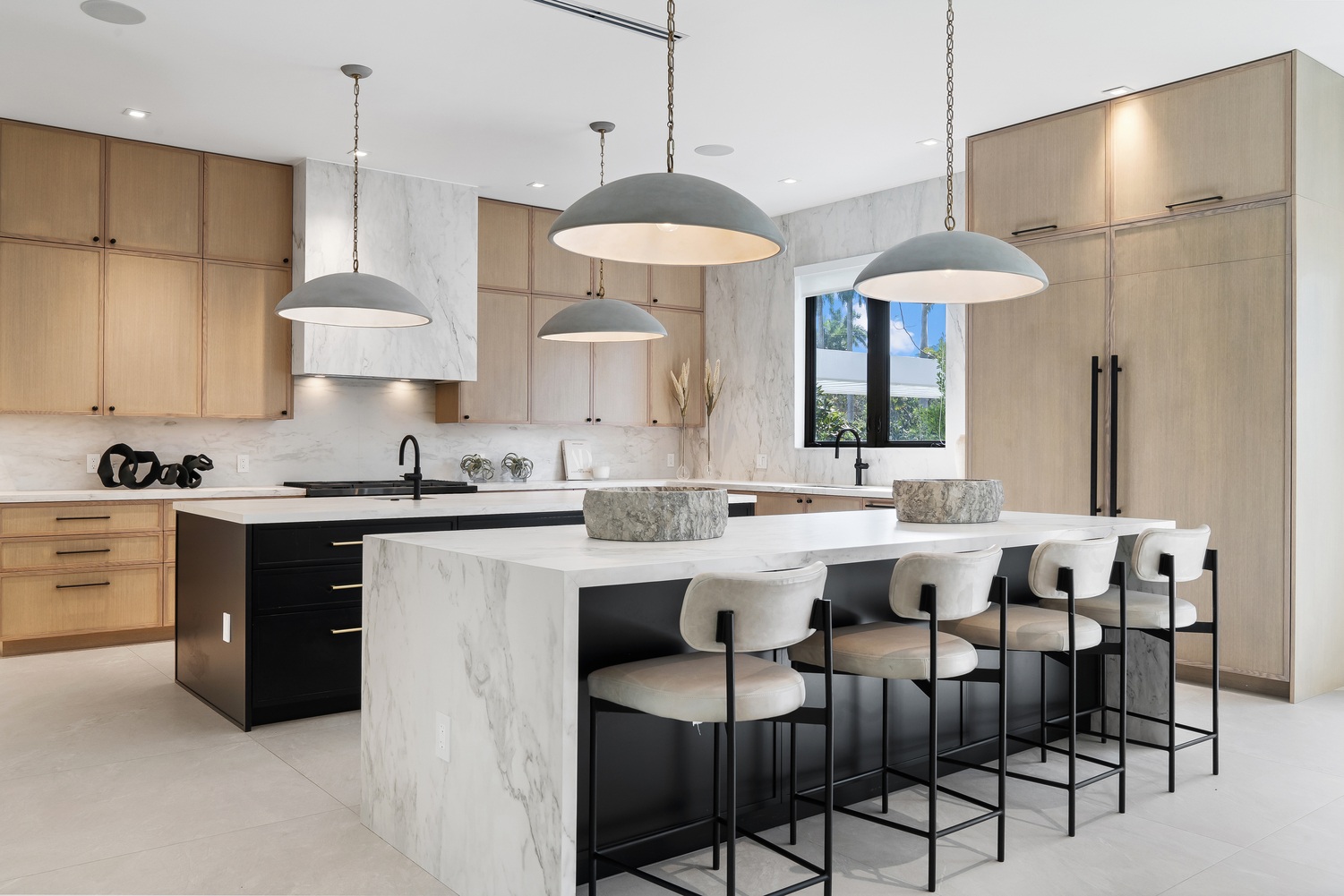 Photo Credit: Lupa Design
Karina Elias has become particularly recognized for what she describes as “Restraint Luxury,” a philosophy rooted in controlled palettes, architectural clarity, natural materials, and environments designed to evolve gracefully over time rather than follow temporary trends. In a city often associated with maximalism and visual intensity, that approach feels both refreshing and strategically aligned with where global luxury design is heading.
“Luxury doesn’t need to be loud to be felt,” Elias explained while discussing the evolving direction of Miami’s residential market. “I think Miami is entering a more mature design era, where clients are investing less in spectacle and more in permanence, architectural clarity, and spaces that are intentionally designed to evolve beautifully over time.”
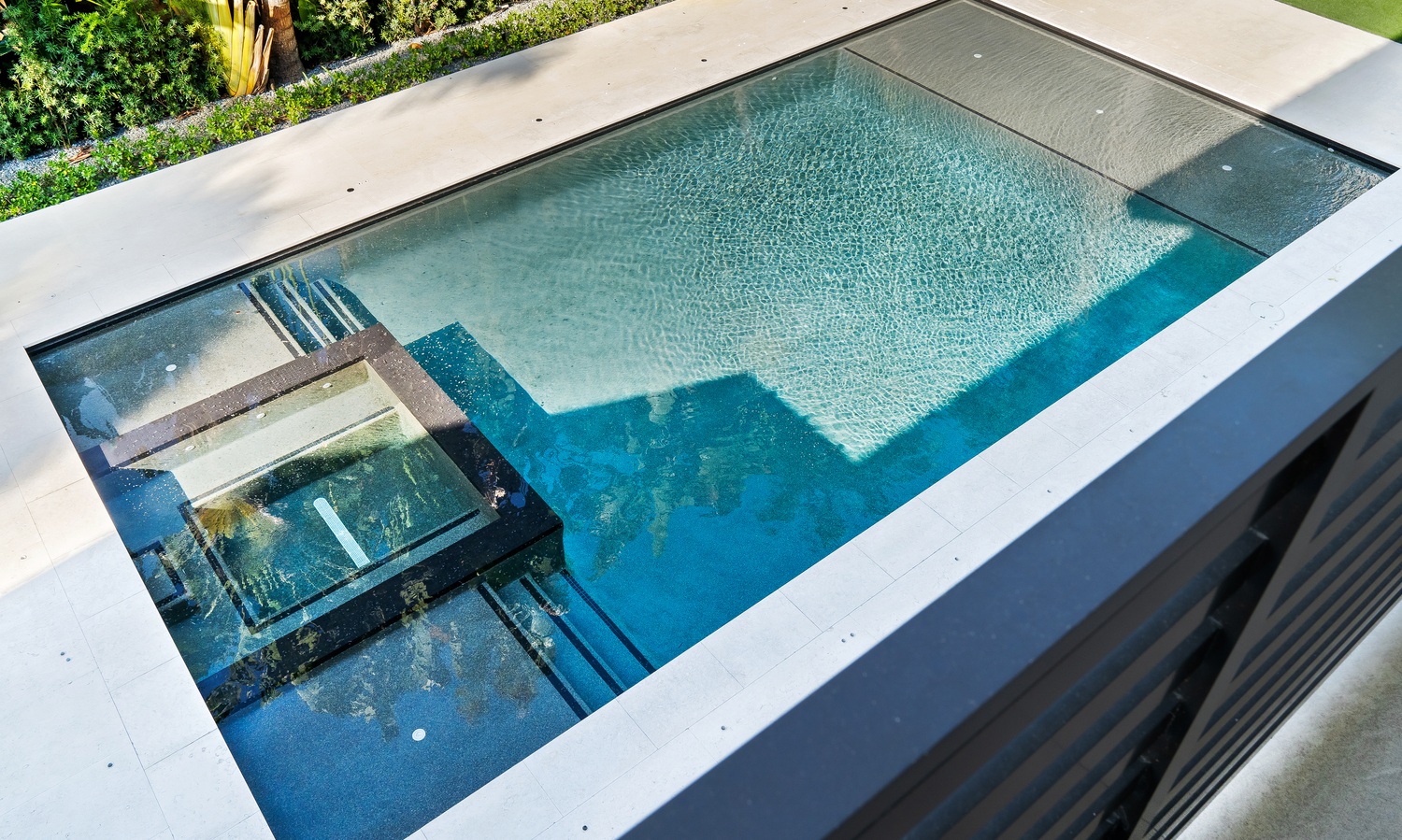 Photo Credit: Lupa Design
That philosophy reflects a broader shift taking place across international luxury markets. Increasingly, discerning homeowners are gravitating toward residences that emphasize proportion, material integrity, and spatial harmony rather than short-lived decorative trends. Quiet luxury, once primarily associated with fashion, has now become one of the defining principles shaping high-end residential architecture and interiors. In Miami, a city long celebrated for glamour and visual drama, the emergence of that design sensibility signals a notable evolution.
Part of what distinguishes Elias within the luxury design space is her architectural background and deep understanding of construction execution. Having developed her perspective within the acclaimed Miami architecture firm Strang Design, she brings a rare combination of architectural precision, construction intelligence, and highly individualized creative direction to every project.
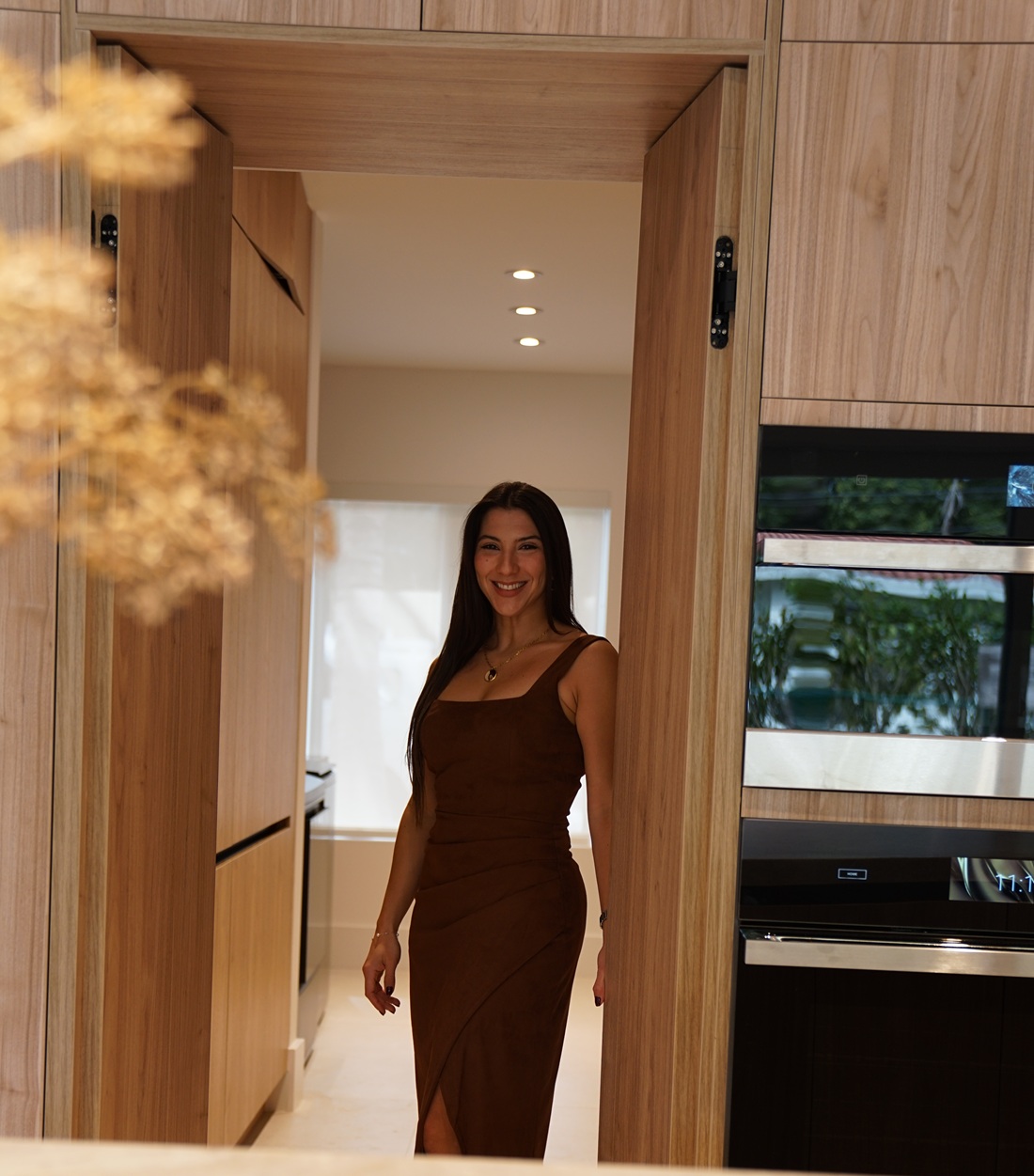 Photo Credit: Lupa Design
That multidisciplinary understanding allows Lupa Design to move beyond surface-level decoration and instead shape residences holistically from concept through completion. The studio’s work focuses equally on technical execution, spatial planning, lighting, materials, and emotional experience, creating homes that feel highly curated yet deeply livable. This integrated methodology has become increasingly important as affluent buyers place greater value on authenticity, functionality, and architectural longevity.
Operating as a highly selective practice rather than a large-scale production studio, Elias remains personally involved throughout every phase of the design process. That level of direct oversight allows the firm to maintain exceptional consistency while delivering a more bespoke client experience. In today’s luxury market, where personalization often determines perceived value, such attention to detail has become a defining competitive advantage.
Another defining characteristic of Lupa Design’s work is its curatorial perspective. Rather than approaching interiors as isolated decorative environments, the studio incorporates art, collectible design, and broader cultural references into the overall spatial narrative of each residence. This creates homes that feel layered, intentional, and deeply personal rather than formulaic or trend-driven.
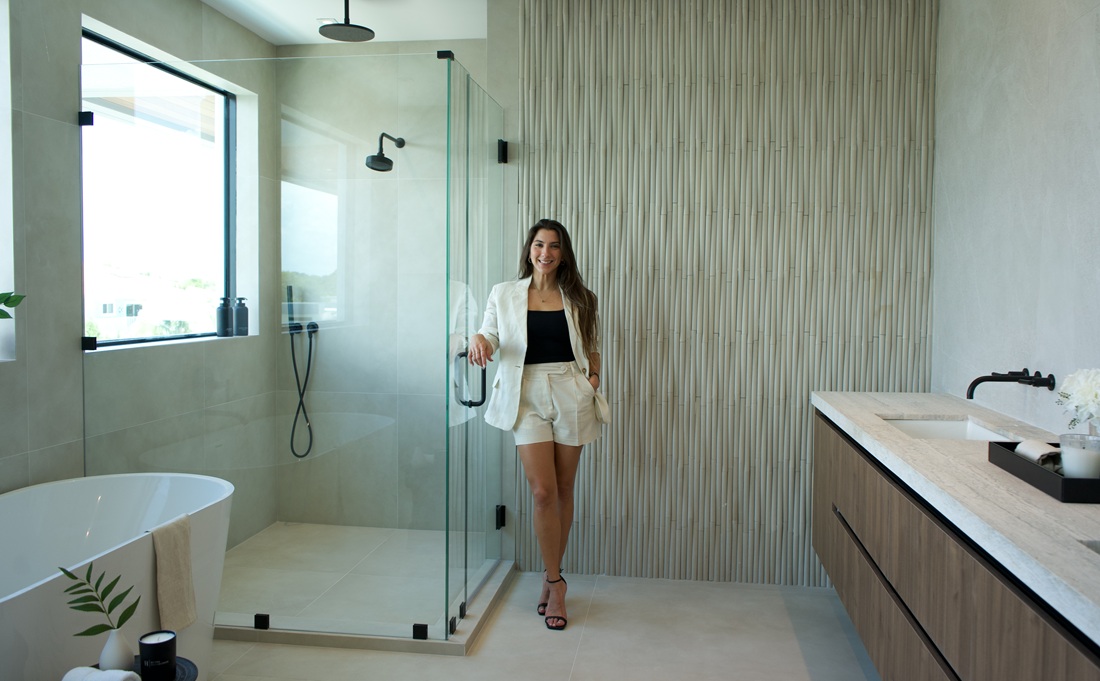 Photo Credit: Lupa Design
As Miami continues maturing into a global luxury capital attracting international investors, entrepreneurs, and ultra-high-net-worth individuals, design firms capable of balancing refinement with authenticity are becoming increasingly influential. The city’s luxury homeowners are now seeking environments that reflect sophistication through restraint rather than excess, permanence rather than performance, and emotional resonance rather than visual overload.
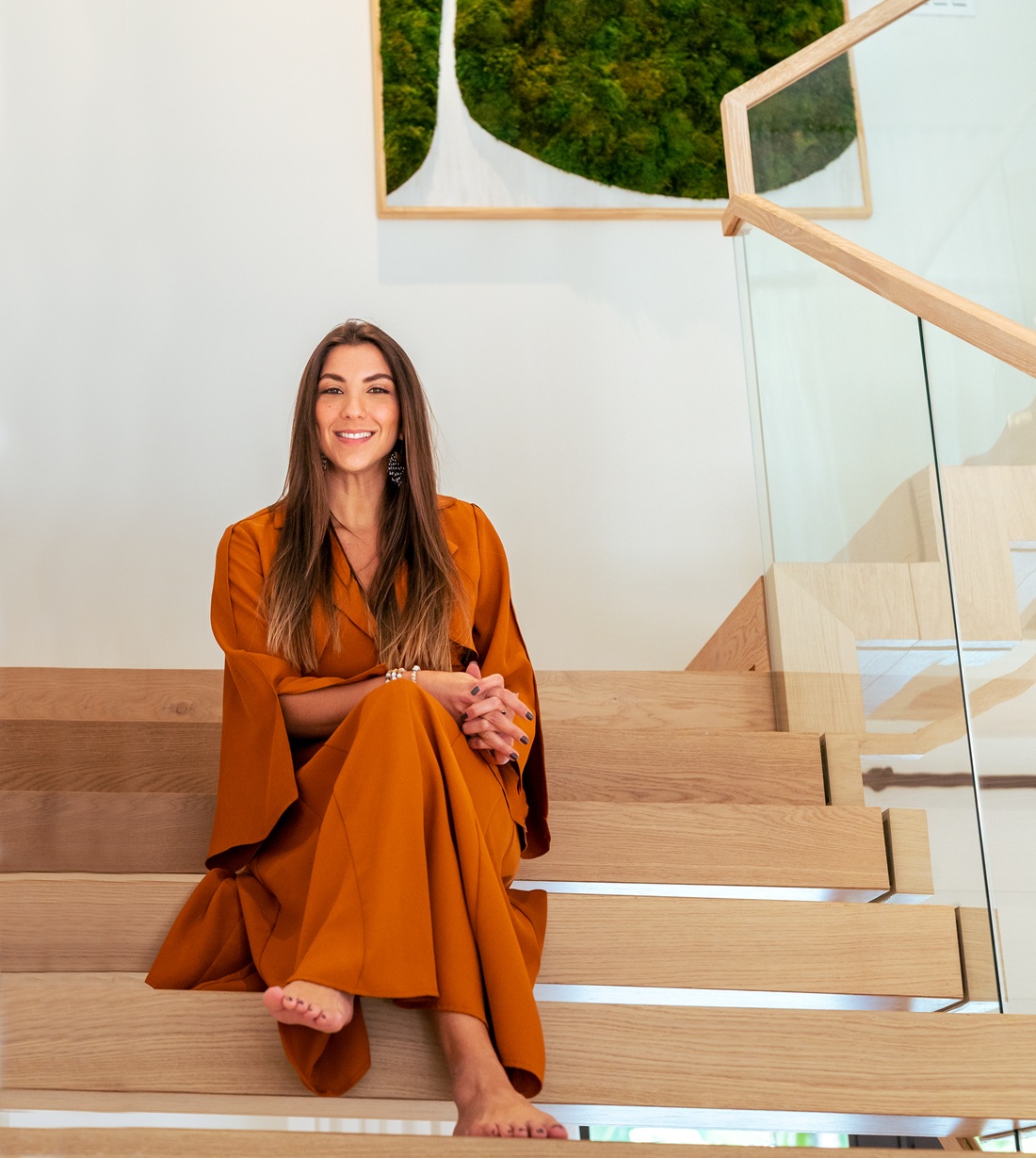 Photo Credit: Lupa Design
Lupa Design appears uniquely positioned within that evolving landscape. By prioritizing architectural clarity, material integrity, and timeless spatial design, the studio represents a new direction for Miami luxury living, one rooted in longevity, precision, and thoughtful simplicity.
At a moment when much of the luxury world is redefining what sophistication truly means, Karina Elias is helping shape a quieter but more enduring vision of residential design. In doing so, she is not only transforming individual homes, but also contributing to the broader evolution of Miami’s luxury identity itself.
Latest from Haute Living
SingleThread, Post Malone and a Seat at Turn 20: The Haute Guide to F1 Weekend in Austin

Father, Son and the Steakhouse That Changed Los Angeles: CUT Turns 20
Dubai’s 2026 Michelin Stars Are Here: See the Full List, Including the Homegrown Hit That Just Made History