
Maria Grazia Chiuri Returns to Fendi With “Less I, More Us”

Maria Grazia Chiuri’s return to Fendi is a full circle moment. Long before her wildly successful tenure at Dior, she was part of the Roman house’s creative core, shaping accessories and helping define the language of Fendi in the late 90s and early 2000s. She designed the Baguette bag, which remains one of the most iconic bags of its generation, still coveted today. After nearly a decade at Dior, where she cemented herself as one of the most commercially and culturally influential designers of her generation, coming back to Fendi marks a new chapter.
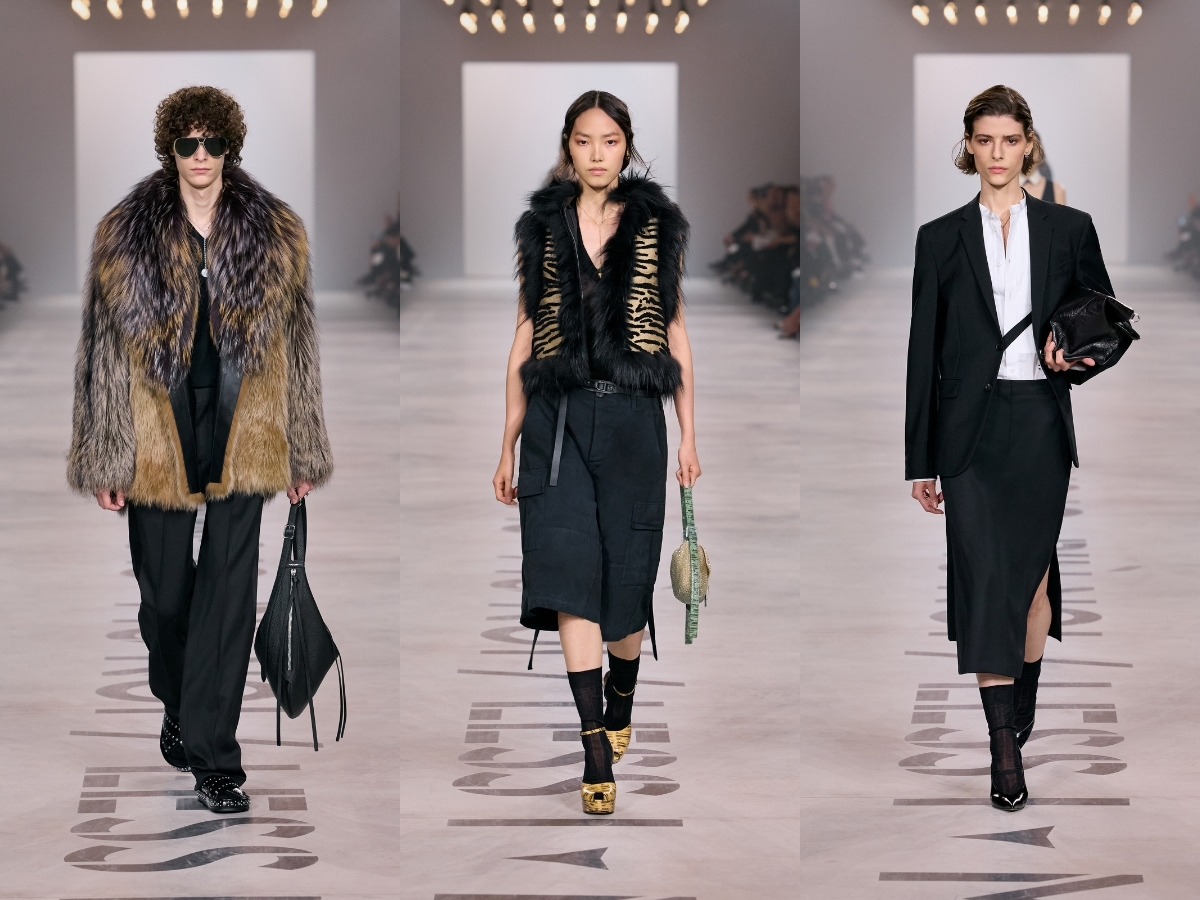 Photo Credit: Courtesy of Fendi
Grazia Chiuri’s first show back carried weight. Titled “Less I, More Us,” the collection felt like a recalibration. A nod to the five Fendi sisters and the collective spirit that built the house. On the runway, men and women walked together in clothes that blurred masculine and feminine into shared qualities expressed through tailoring, texture, and proportion. The silhouettes moved with the body instead of controlling it. There was a tangible return to tactility, to garments that feel lived in rather than engineered for effect.
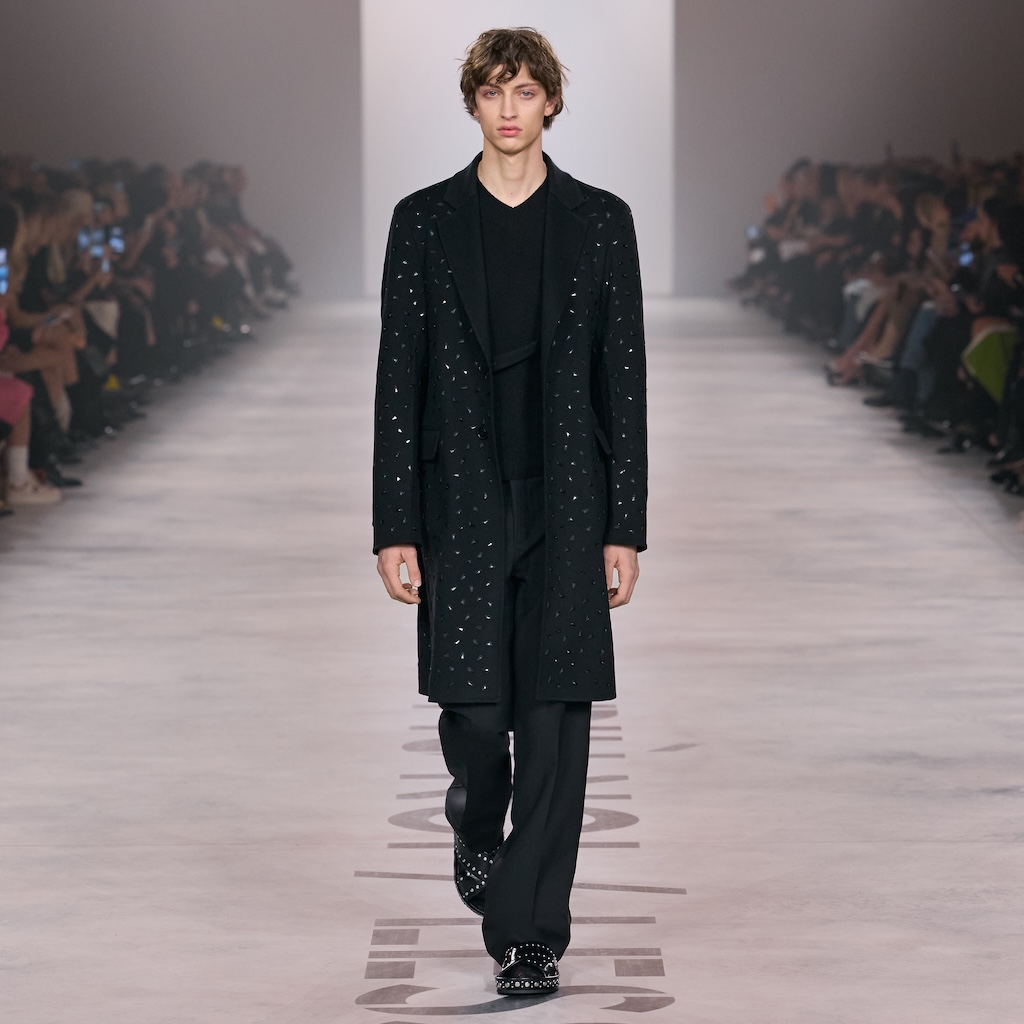
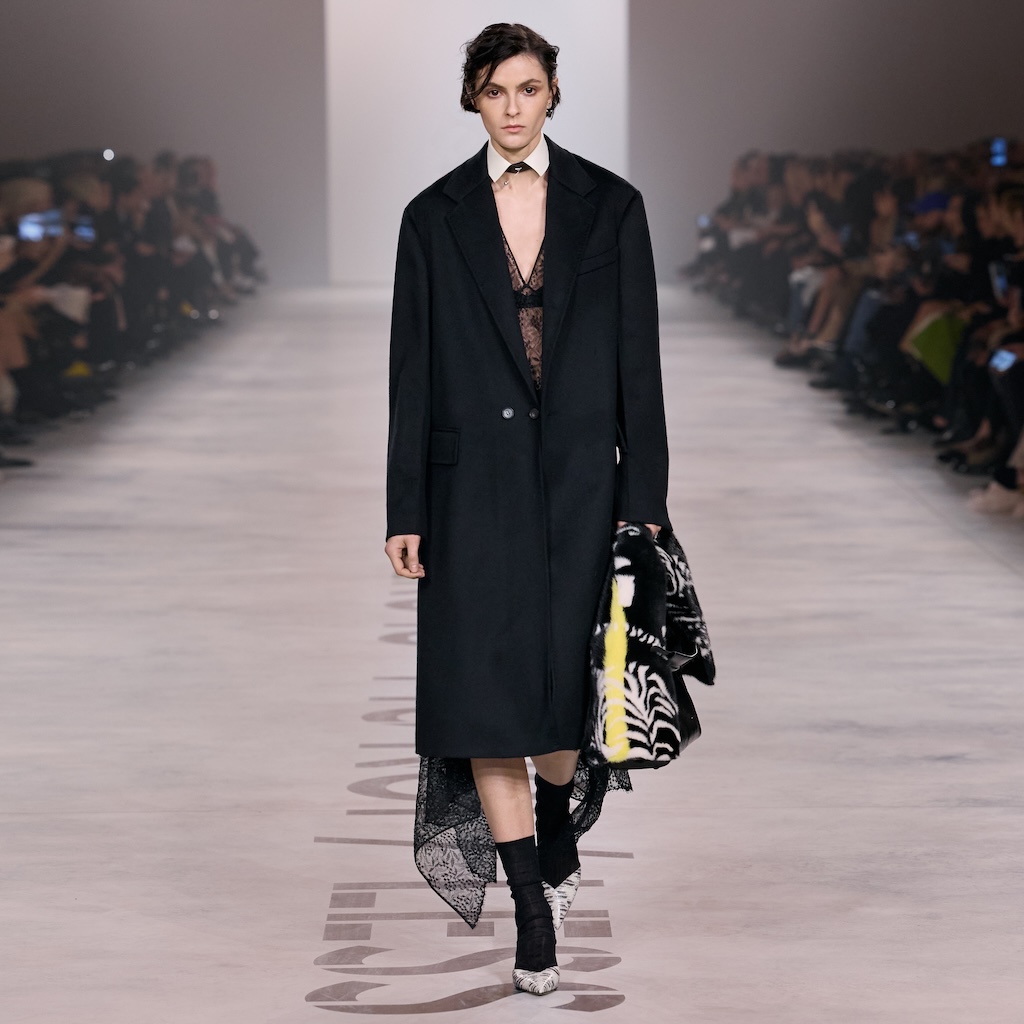
As the show notes put it, these clothes were meant to “bear witness to a life lived.” They were designed to accompany our lives, our emotions, our desires. That idea of wardrobing ran through everything. Not looks built for a single moment, but pieces that fold into daily reality. After the show, Chiuri spoke plainly about dissolving the line between men’s and womenswear. A great black blazer is a great black blazer, regardless of who wears it. That philosophy showed up in the construction. Jackets cut with precision but worn with ease. Trousers that moved. Coats that wrapped instead of dictated. The focus was not on transformation, but on continuity. Clothes meant to stay with you.
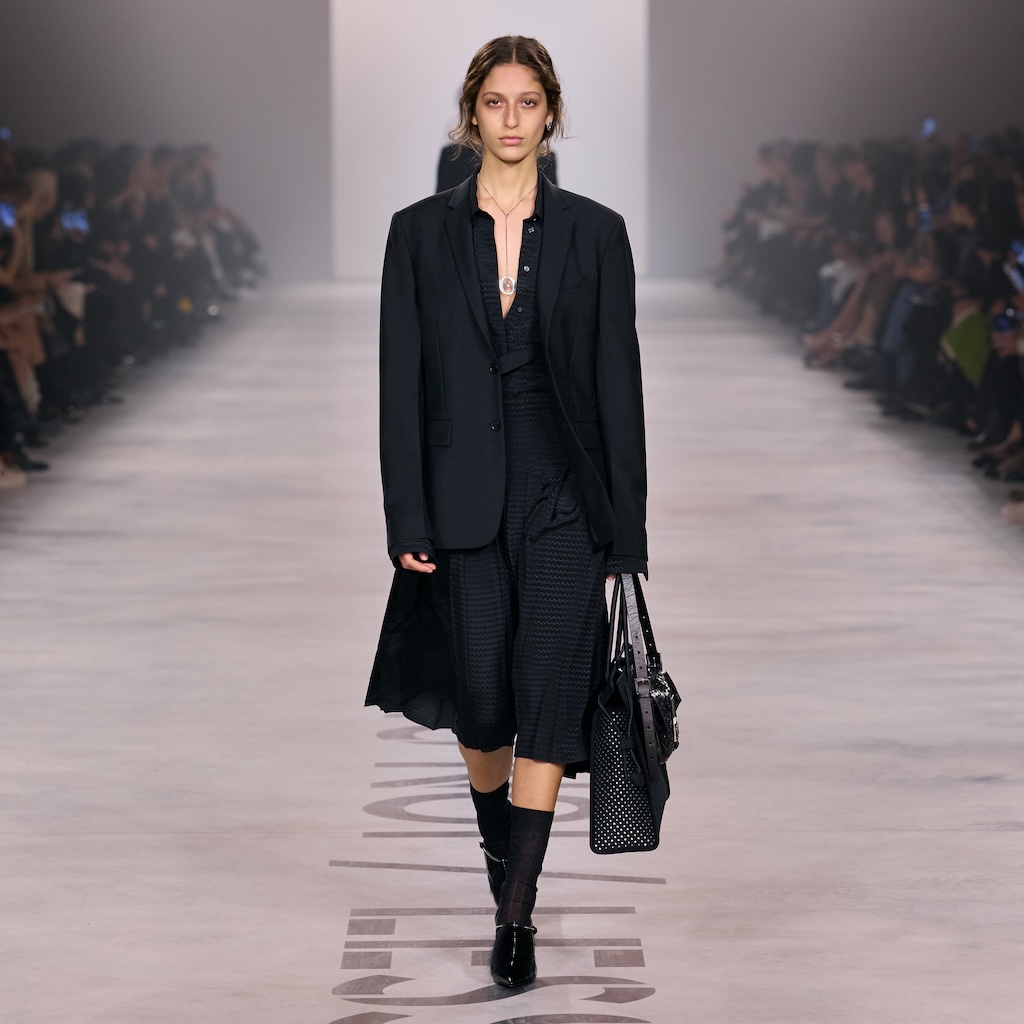
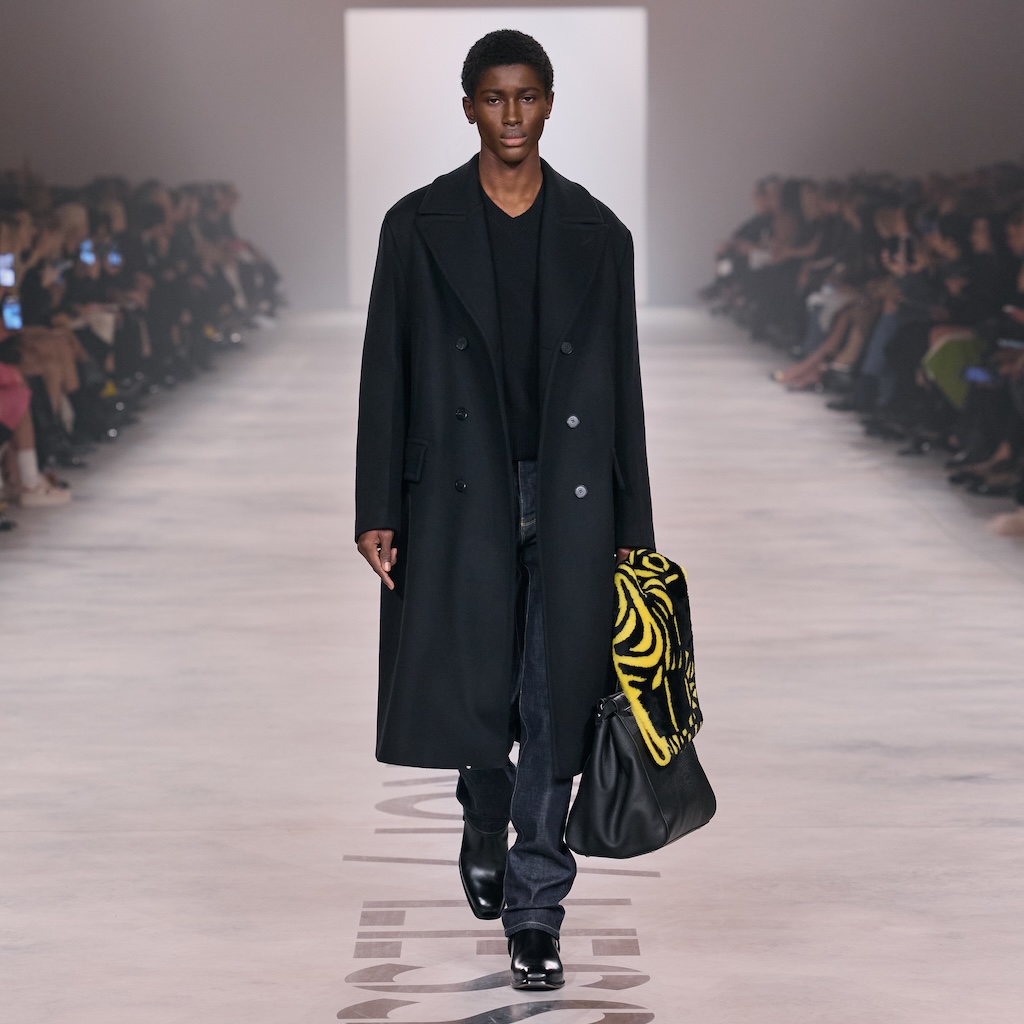
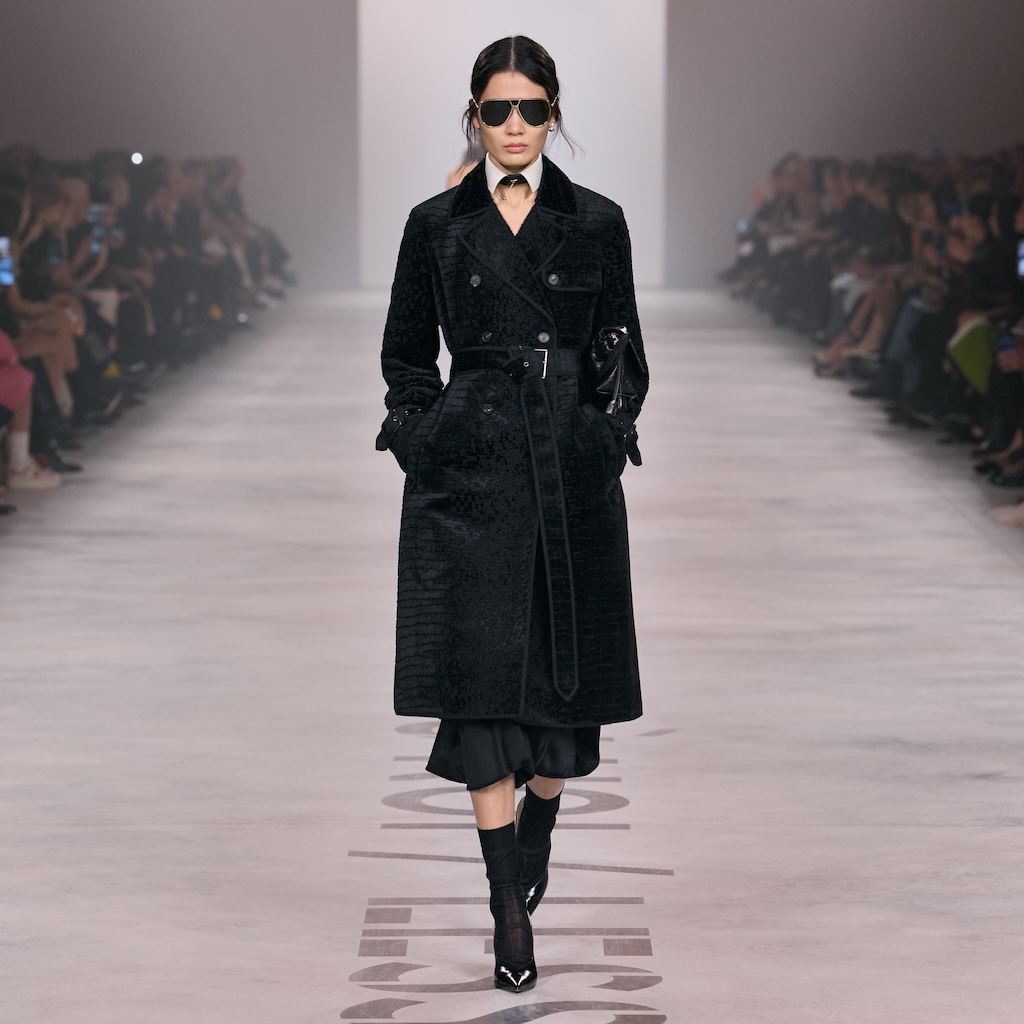
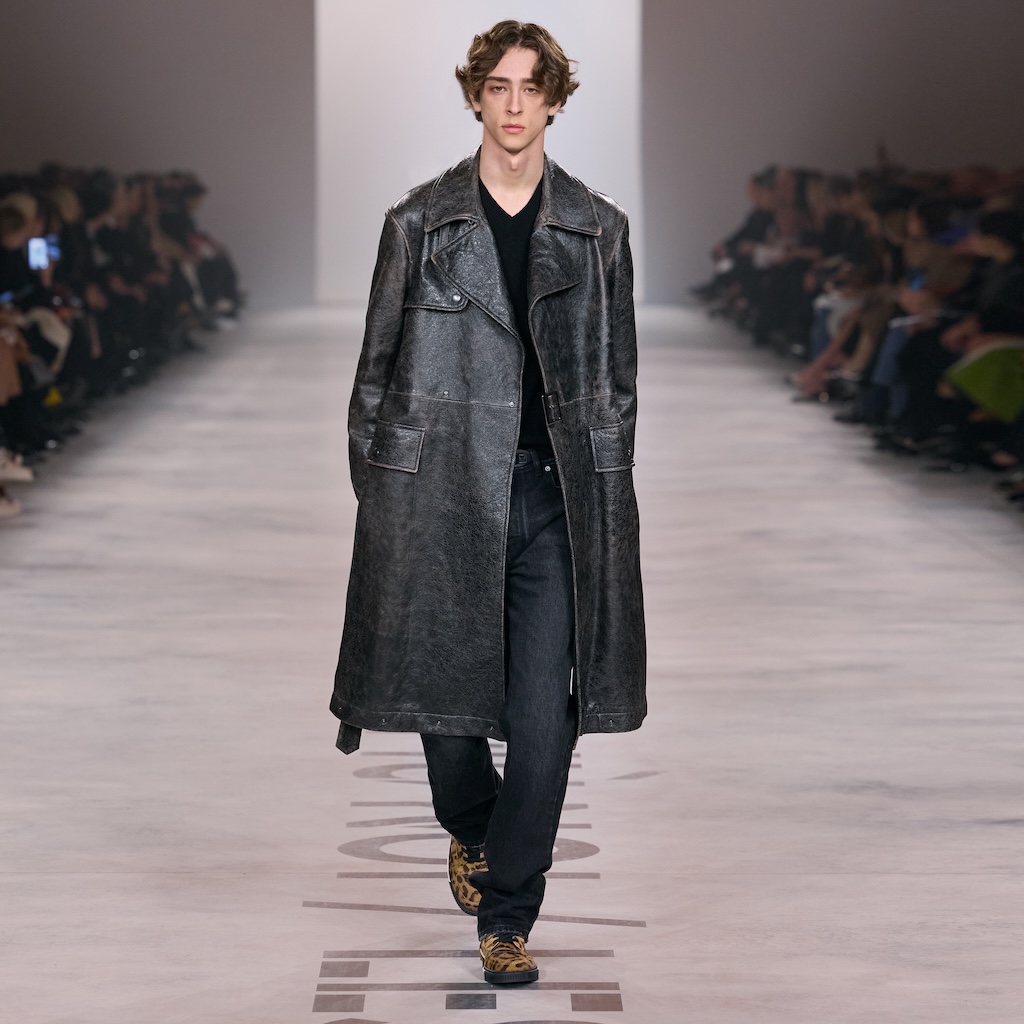
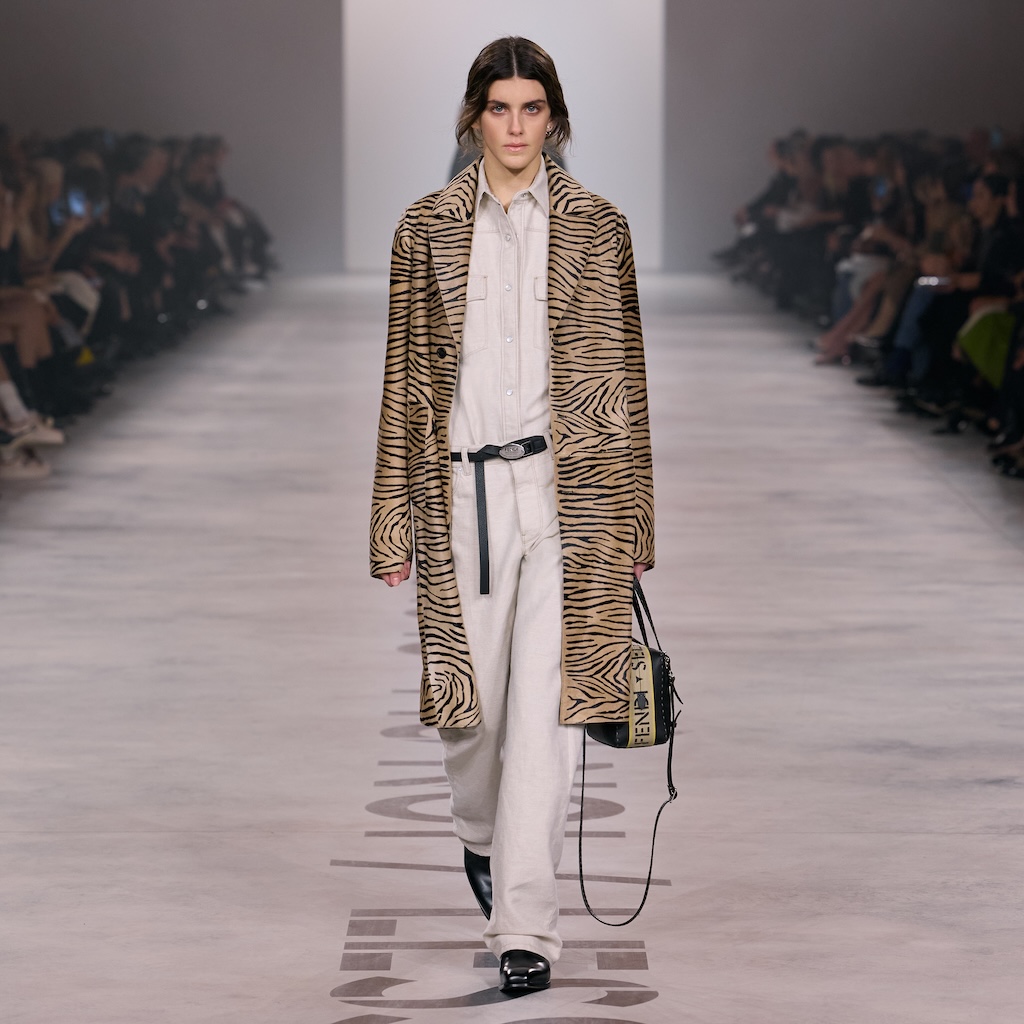
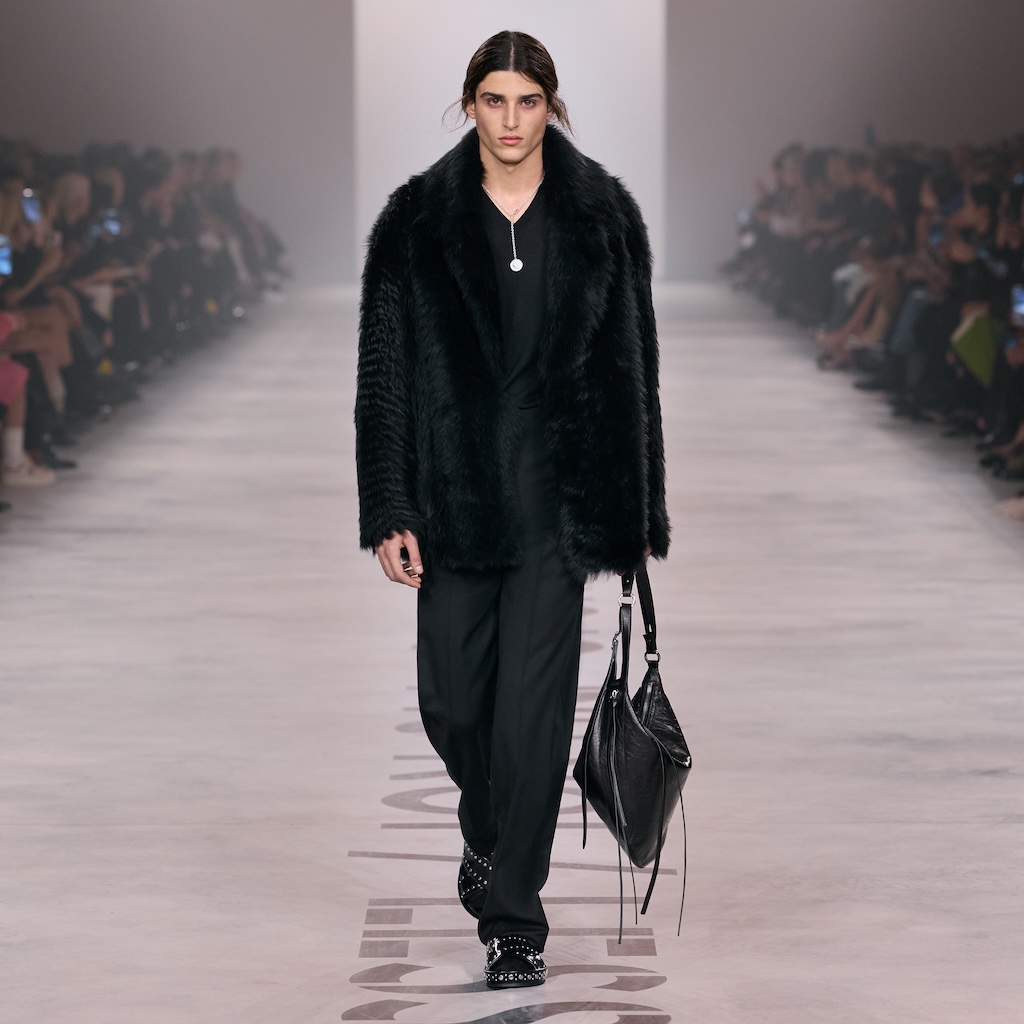
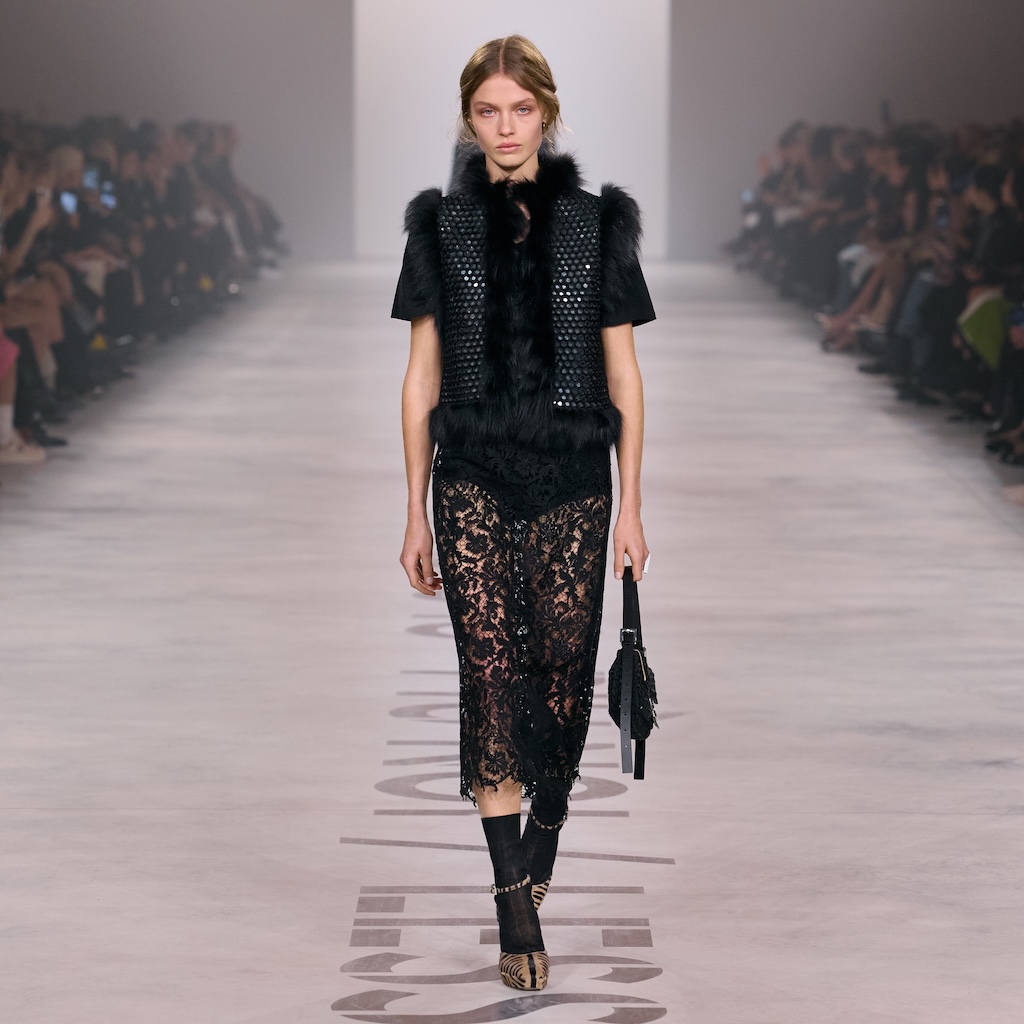
The bags felt like a wink to her early Fendi days. Baguettes in sequins, zebra, leopard, dense embroidery, even shaggy multicolor fur, all built on that familiar silhouette and finished with the signature hardware. Some were slick and black, others unapologetically textured, but they carried that irreverent energy that defined late 90s early 2000s Fendi. It felt less like nostalgia and more like reclamation. The proportions stayed close to the body, straps tucked under the arm, intimate and effortless. A confident reminder of why the Baguette remains one of the most iconic, and endlessly collectible, accessories in fashion.
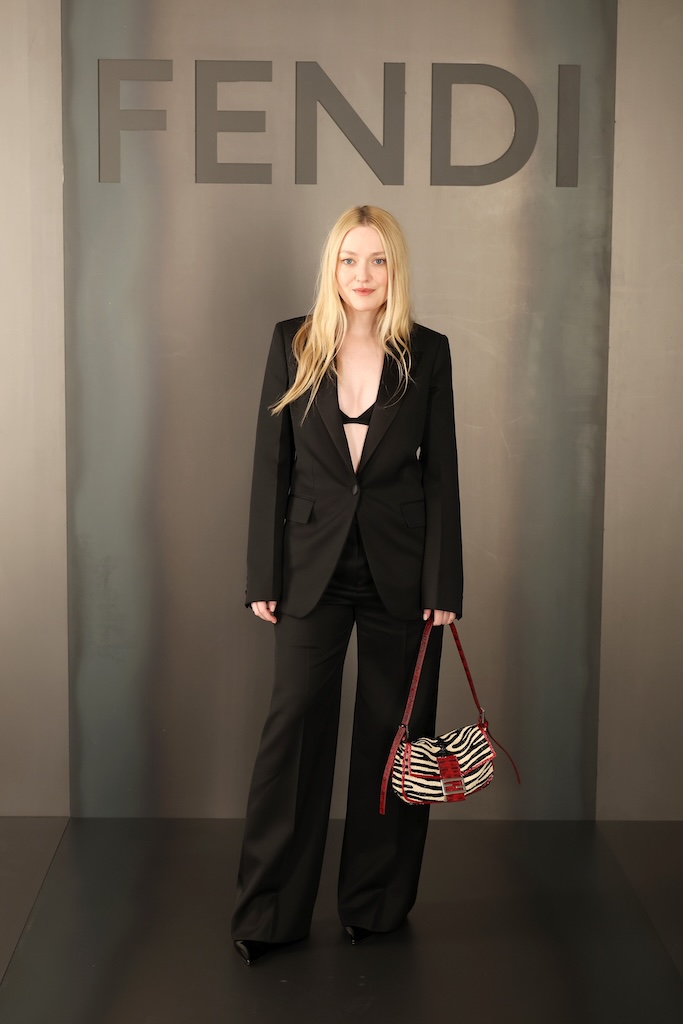
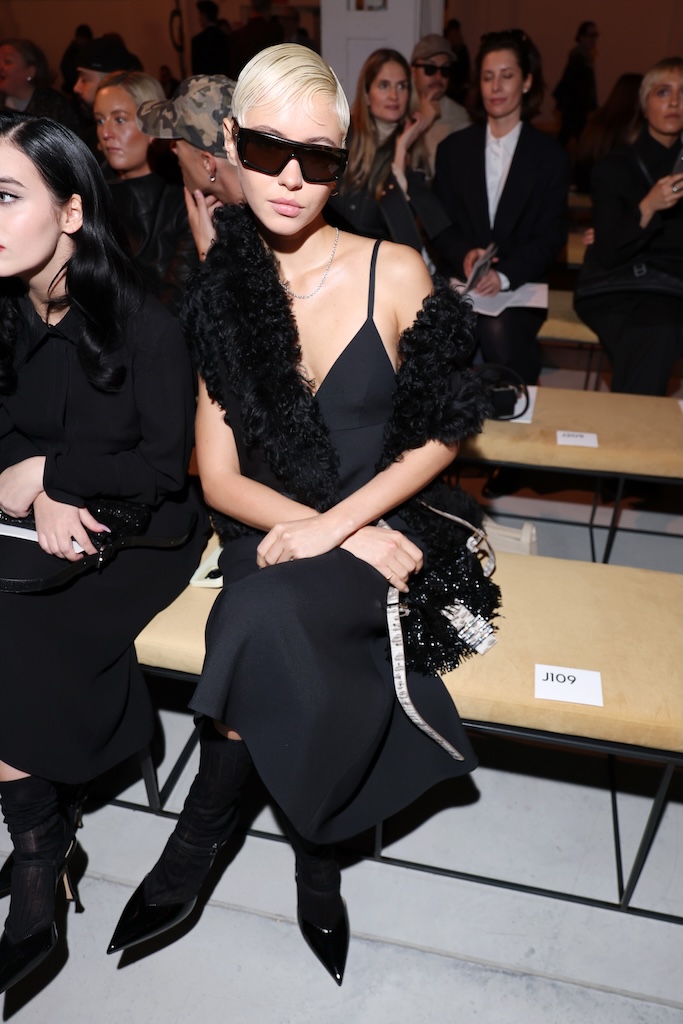
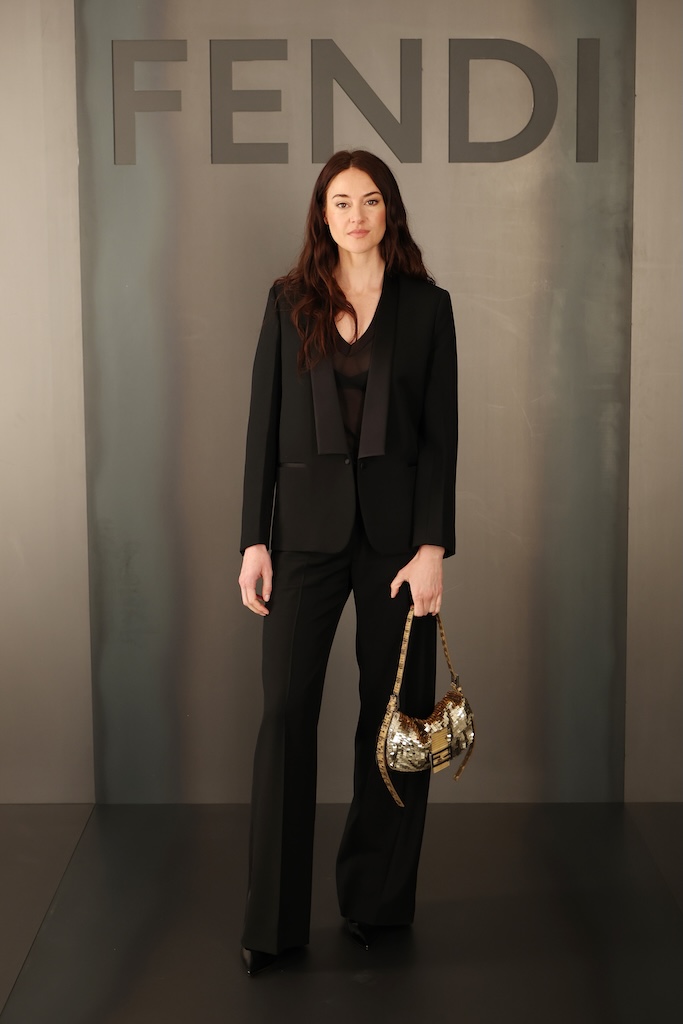
In the end, “Less I, More Us” did not feel like a slogan. It felt like a homecoming. A designer returning to the house she helped shape, grounded in its craft, confident in its evolution.
Related Articles
How Dorothee Schumacher Brings the Art of Dance Into Its New Collection
Dorothee Schumacher’s latest collection actually draws inspiration from the brand’s work on The Atelier Dance Project.
The Haute List: The April Must-Haves for Haute Living Editors
Discover the April 2026 Editor Haute List featuring the most coveted luxury items, experiences, and trends curated by Haute Living editors.
Aureum Collective Elevates Spring Style With Limited-Edition Croc Handbags Crafted in Italy
Aureum Collective unveils limited-edition croc handbags handcrafted in Italy, blending timeless luxury with refined spring colorways.
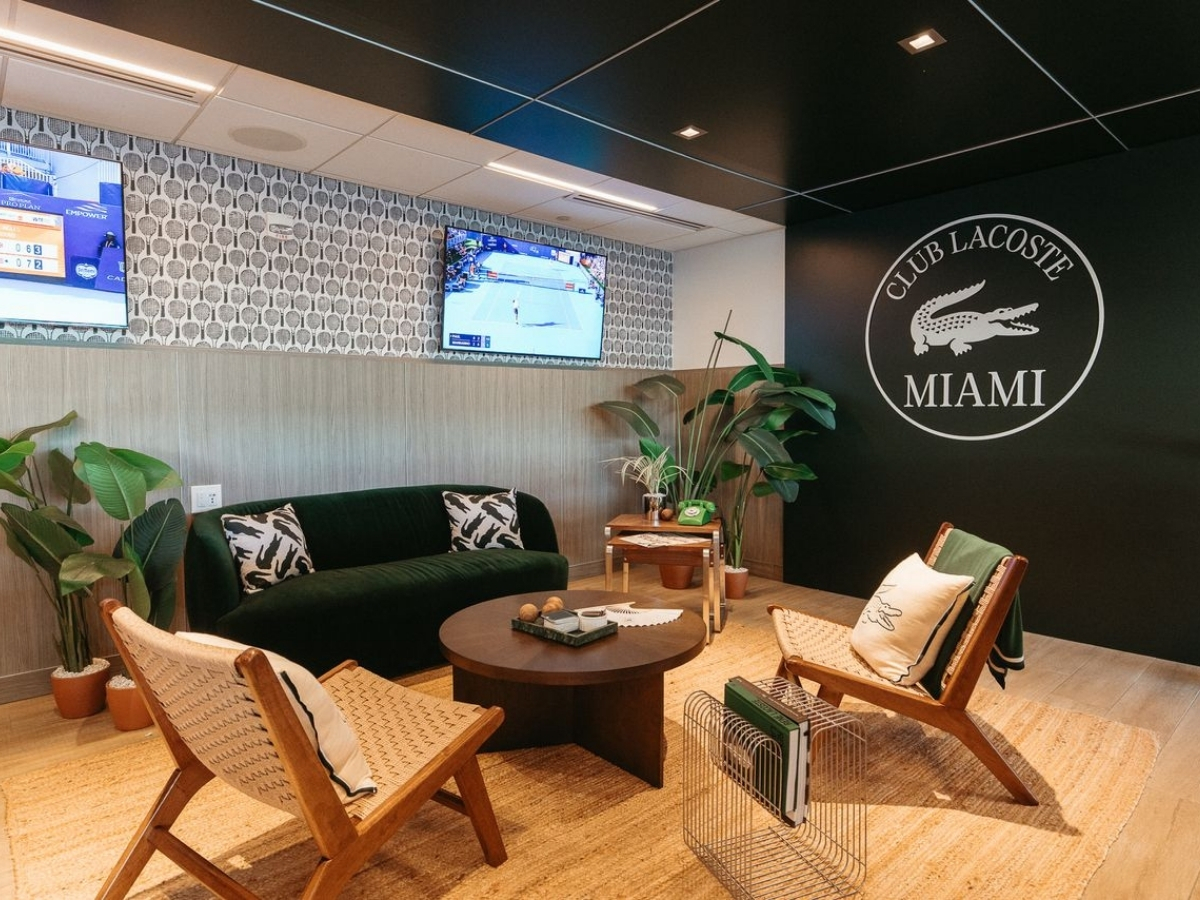
This is the Miami Open’s Most Exclusive VIP Suite of 2026
Step inside Le Club Lacoste at the Miami Open 2026 to see how luxury and sport create unforgettable moments.
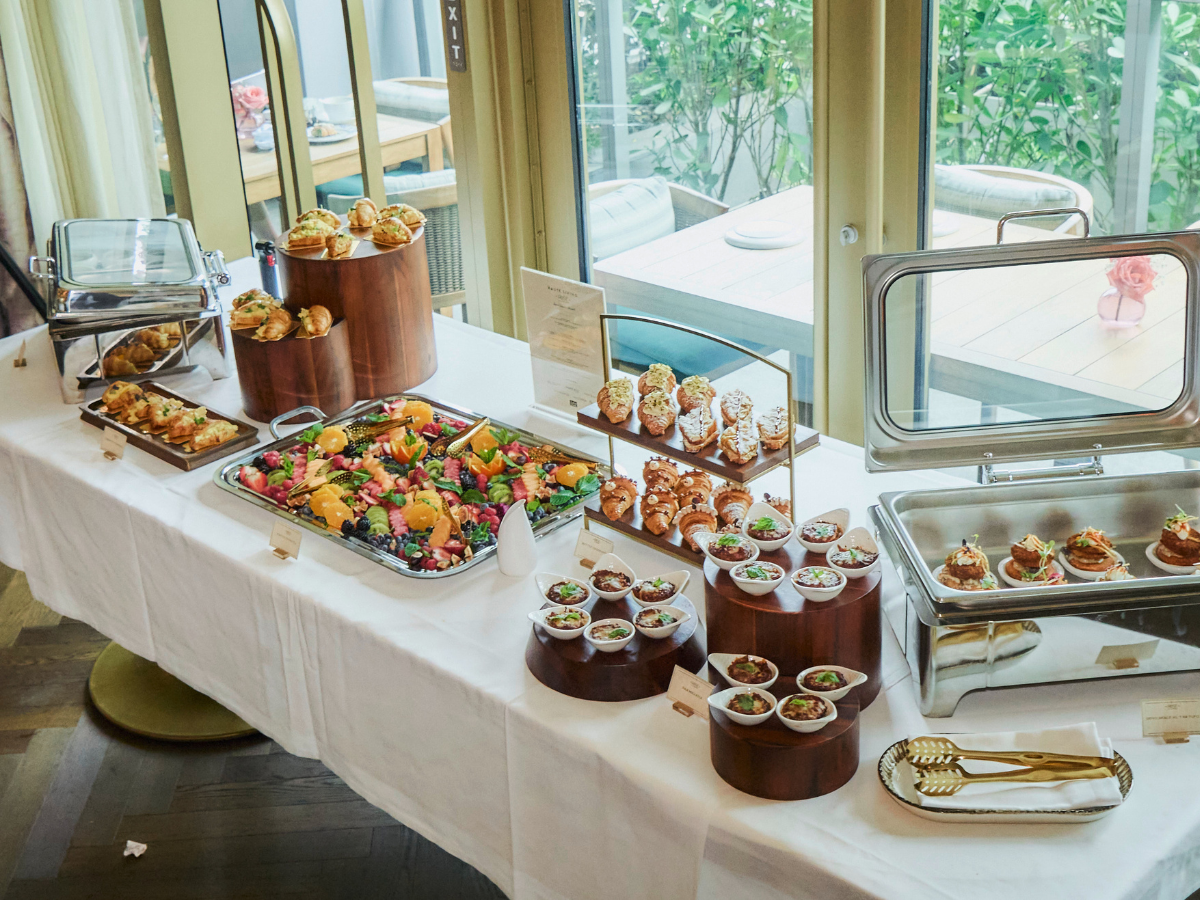
Haute Leaders Gather for an Elegant Brunch at Rose Café in Sunny Isles
Haute Living brought together an intimate circle of industry leaders and visionaries for a refined brunch at Rose Café in Sunny Isles, Florida. The sun-drenched gathering united beauty and real estate tastemakers for a morning of elevated conversation, warm hospitality, and Italian-inspired indulgence. Photo Credit: Alejandro Pazmino Rose Café provided the perfect backdrop, a chic, […]
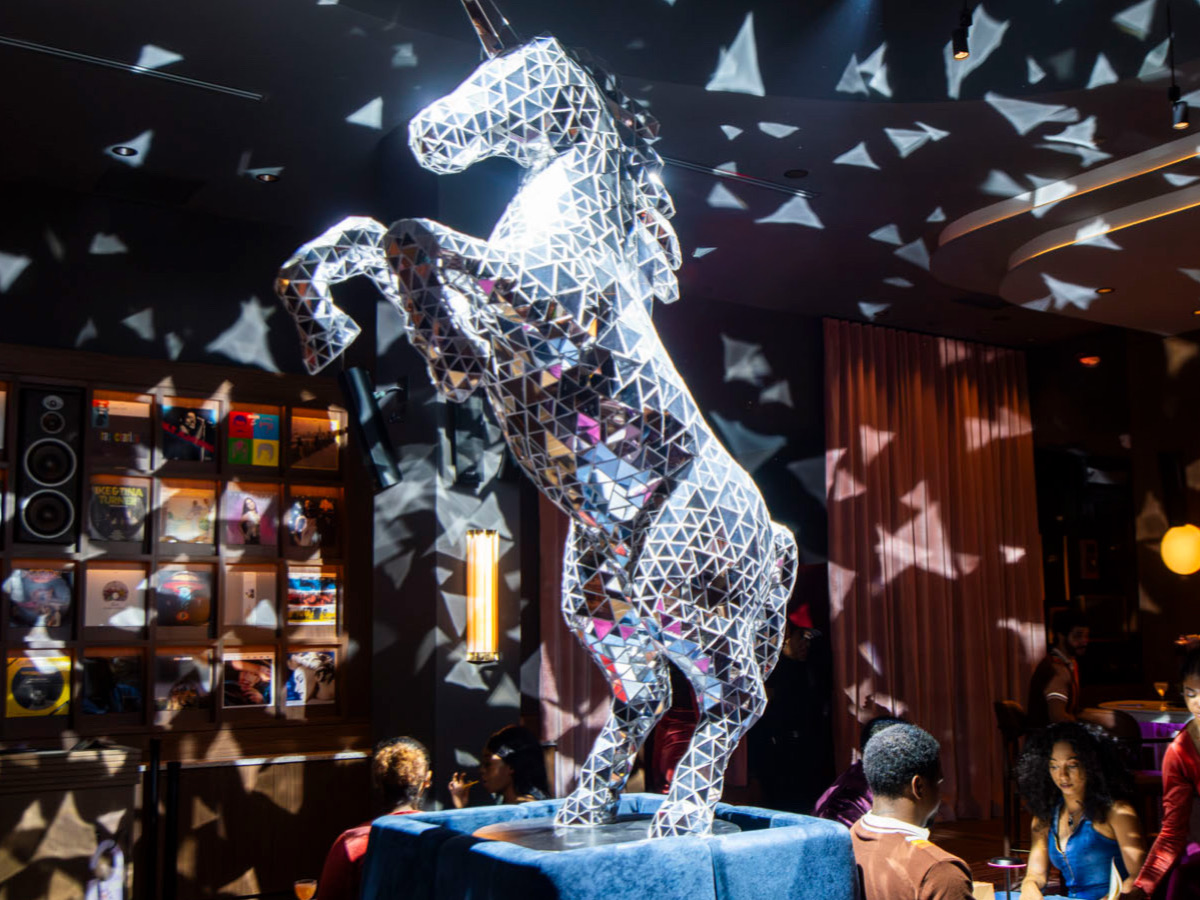
Jagger Suite Ignites Atlanta: A Rooftop Oasis of Studio 54 Glamour and Unapologetic Luxury
Join the buzz around Jagger Suite Rooftop Bar as it opens in Atlanta, introducing a glamorous new destination for nightlife.
Latest Stories
Trending Articles

Related Articles
How Dorothee Schumacher Brings the Art of Dance Into Its New Collection
Dorothee Schumacher’s latest collection actually draws inspiration from the brand’s work on The Atelier Dance Project.
The Haute List: The April Must-Haves for Haute Living Editors
Discover the April 2026 Editor Haute List featuring the most coveted luxury items, experiences, and trends curated by Haute Living editors.
Aureum Collective Elevates Spring Style With Limited-Edition Croc Handbags Crafted in Italy
Aureum Collective unveils limited-edition croc handbags handcrafted in Italy, blending timeless luxury with refined spring colorways.
This is the Miami Open’s Most Exclusive VIP Suite of 2026
Step inside Le Club Lacoste at the Miami Open 2026 to see how luxury and sport create unforgettable moments.
Haute Leaders Gather for an Elegant Brunch at Rose Café in Sunny Isles
Haute Living brought together an intimate circle of industry leaders and visionaries for a refined brunch at Rose Café in Sunny Isles, Florida. The sun-drenched gathering united beauty and real estate tastemakers for a morning of elevated conversation, warm hospitality, and Italian-inspired indulgence. Photo Credit: Alejandro Pazmino Rose Café provided the perfect backdrop, a chic, […]
Jagger Suite Ignites Atlanta: A Rooftop Oasis of Studio 54 Glamour and Unapologetic Luxury
Join the buzz around Jagger Suite Rooftop Bar as it opens in Atlanta, introducing a glamorous new destination for nightlife.
Subscribe to Haute Living
Receive Our Magazine Directly at Your Doorstep
Embark on a journey of luxury and elegance with Haute Living magazine. Subscribe now and have every issue conveniently delivered to your home. Experience the pinnacle of lifestyle, culture, and sophistication through our pages.
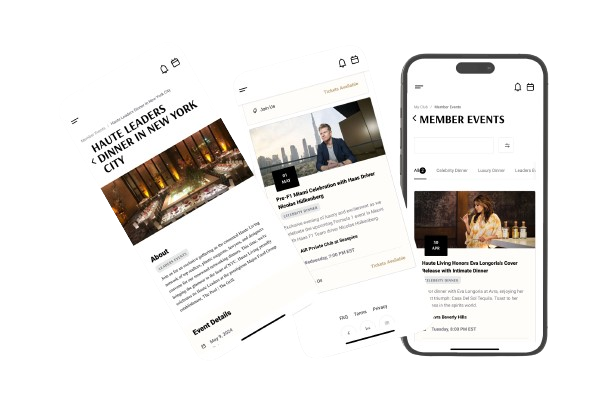
Haute Black Membership
Your Gateway to Extraordinary Experiences
Join Haute Black and unlock access to the world's most prestigious luxury events