
Grant Achatz: Redefining Fine Dining Through Art, Challenge, and Innovation
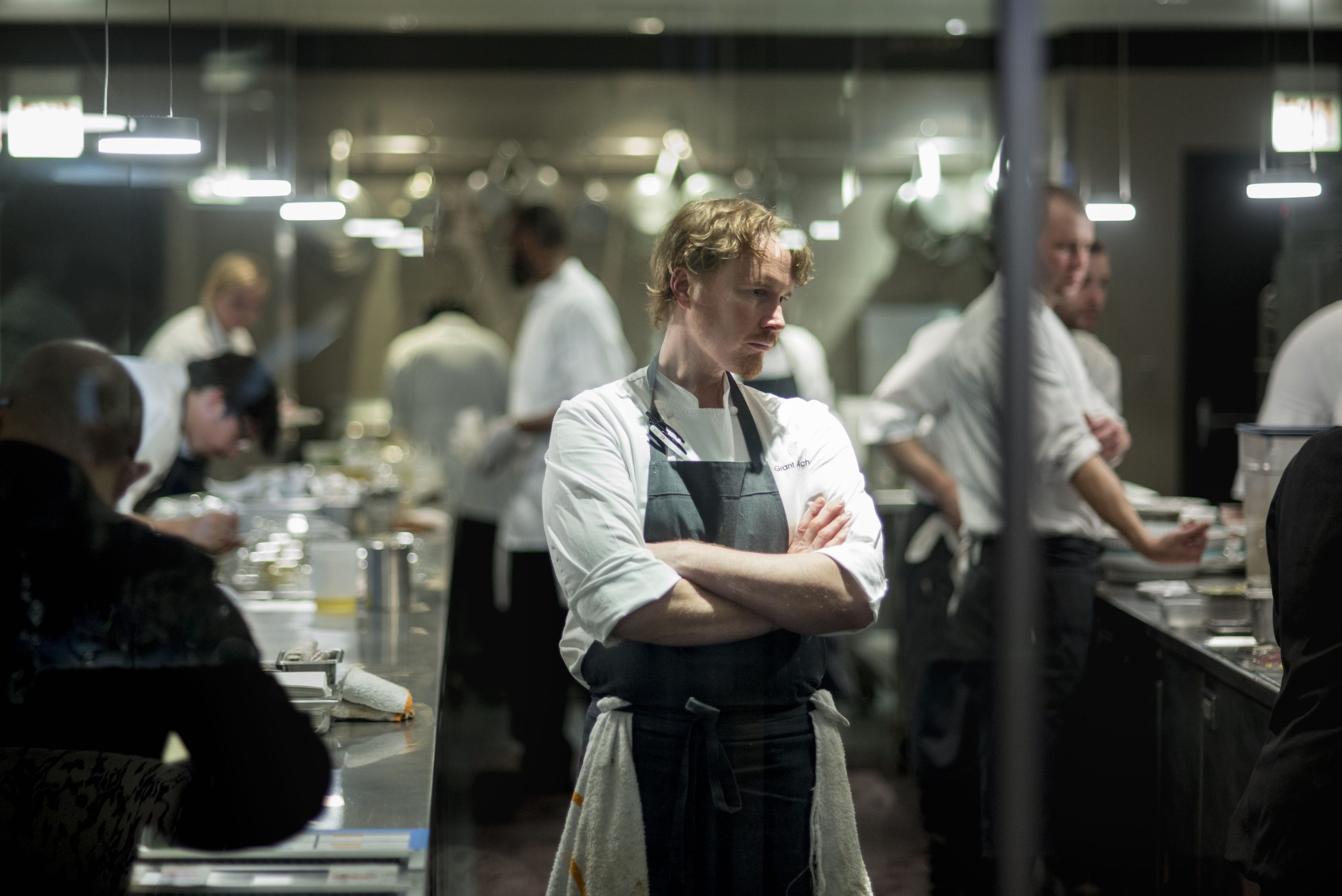
Photo Credit: The Alinea Group
CHEF GRANT ACHATZ IS WIDELY REGARDED AS ONE OF THE MOST INNOVATIVE AND INFLUENTIAL chefs in the world, celebrated for his emotionally driven, boundary-pushing approach to modernist cuisine. His culinary path began early, in his family’s Michigan diner, before he graduated from the Culinary Institute of America at 21. From there, he trained under legends — first Charlie Trotter, then Thomas Keller at The French Laundry — before refining his philosophy even further during a stage at elBulli in Spain and time spent at La Jota Vineyards Co. As executive chef of Trio in Evanston, IL, his singular creativity began turning heads, earning him early acclaim from the James Beard Foundation.
In 2004, Achatz opened Alinea with a bold mission: to completely reinvent the fine dining experience. And Grant and his team have done just that. Alinea has appeared on the World’s 50 Best Restaurants list 13 times and has held three Michelin stars for 13 consecutive years — longer than any other restaurant in the U.S. Its staying power and continuous evolution are a testament to Achatz’s belief that creativity isn’t a phase — it’s a lifestyle. As he explains, once you commit to constant reinvention, there’s no turning back.

Photo Credit: The Alinea Group
In 2008, Achatz was diagnosed with Stage IV tongue cancer and given a devastating prognosis: he might not survive, and if he did, he might never taste again. But against the odds, he pursued an experimental treatment, and made a full recovery. That experience, detailed in his bestselling memoir Life, On the Line and featured on Chef’s Table and Spinning Plates, reshaped not just how he led in the kitchen, but how he lived. Forced to rely on others to taste for him during treatment, he emerged a more collaborative, more resilient chef.
Achatz went on to launch a slate of acclaimed concepts: Next, a shapeshifting restaurant with a rotating global theme; The Aviary, his futuristic cocktail bar; Roister, a high-energy, open-kitchen dining experience; and St. Clair Supper Club, an homage to Midwestern tradition. Most recently, he debuted FIRE, a primal, open-flame restaurant that reflects his interest in opposites: past vs. future, analog vs. digital, simplicity vs. science. Now, at 51, he shares with Haute Living how he is continuing to push the envelope by shapring the future of haute cusine, and why he will never, ever stop.
 Photo Credit: The Alinea Group
You’ve worked at and own some of the best restaurants in the world. What is the one lesson that still shapes the way that you innovate every day?
When we first opened Alinea in 2005, we were overly confident; we made this statement that we were always going to evolve; that was literally the ethos of the entire restaurant. I have a couple of friends that are in the music industry, and when they step on stage and see a million people cheering them on, there’s nothing like that feeling for them, right? That gratification, that pat on the back, if you will, is really hard to let go of. For me, it’s similar. You establish yourself at a certain level and you have hundreds of people behind you on the team that are fighting for that same vision, that same goal, every night. How do you step away from that?
I always think of really pedigreed chefs like yourself as modern-day rockstars, so it’s interesting that you brought up that correlation.
You’re right. Certainly, when we first started in 2005, there was no Instagram, there was no TikTok. There was Twitter, but it was barely there. And while the Food Network wasn’t in its infancy, it wasn’t driving as much traffic to restaurants. But all of that changed. And so now, with Chef’s Table on Netflix and social media, people do look up to chefs like they would musicians. It puts people in the restaurants. It raises awareness of food in general. It promotes travel.

Photo Credit: The Alinea Group
Given that you currently hold four Michelin stars, do you feel like you can’t ever afford to make a mistake?
It’s relentless and exhausting, but I wouldn’t have it any other way. That being said, a lot of people naively come into the restaurant and think that, like a musician, I’m on stage at that particular restaurant every night. Which is mathematically impossible [because I currently have three restaurants in Chicago alone and pop-ups all over the country]. And unlike many of my contemporaries, I am in one of my kitchens every day. It’s such a relentless pursuit of perfection.
I feel like you have faced more challenges than most on a personal level. Where do you think that resilience has come from?
Ever since I was very young, I wanted to be where I am right now. I grew up in a really small town, 3,000 people. When we graduated high school, [all of my friends had] real opportunities in front of them, but I was the only one in my friend circle who didn’t go to college. I didn’t have the grades in high school, so I had a bit of a chip on my shoulder. I felt like I really had something to prove to myself, to them, to my parents. And then, when I worked at The French Laundry and I saw Thomas [Keller] always giving his all, that became contagious. A personal life didn’t matter at that point: it was all about work. And then I got sick. I was literally told that I was going to die, and not only that, but that I was on the last leg of my life, that I wasn’t going to be able to taste anything ever again. It was a really hard time. So many of the staff left; everybody thought we were going to close because I was going to die. But the rebuilding process — after I came out of treatment — changed who I was as a chef and as a person. I never lost sight of the fact that I was still chasing down the dream.
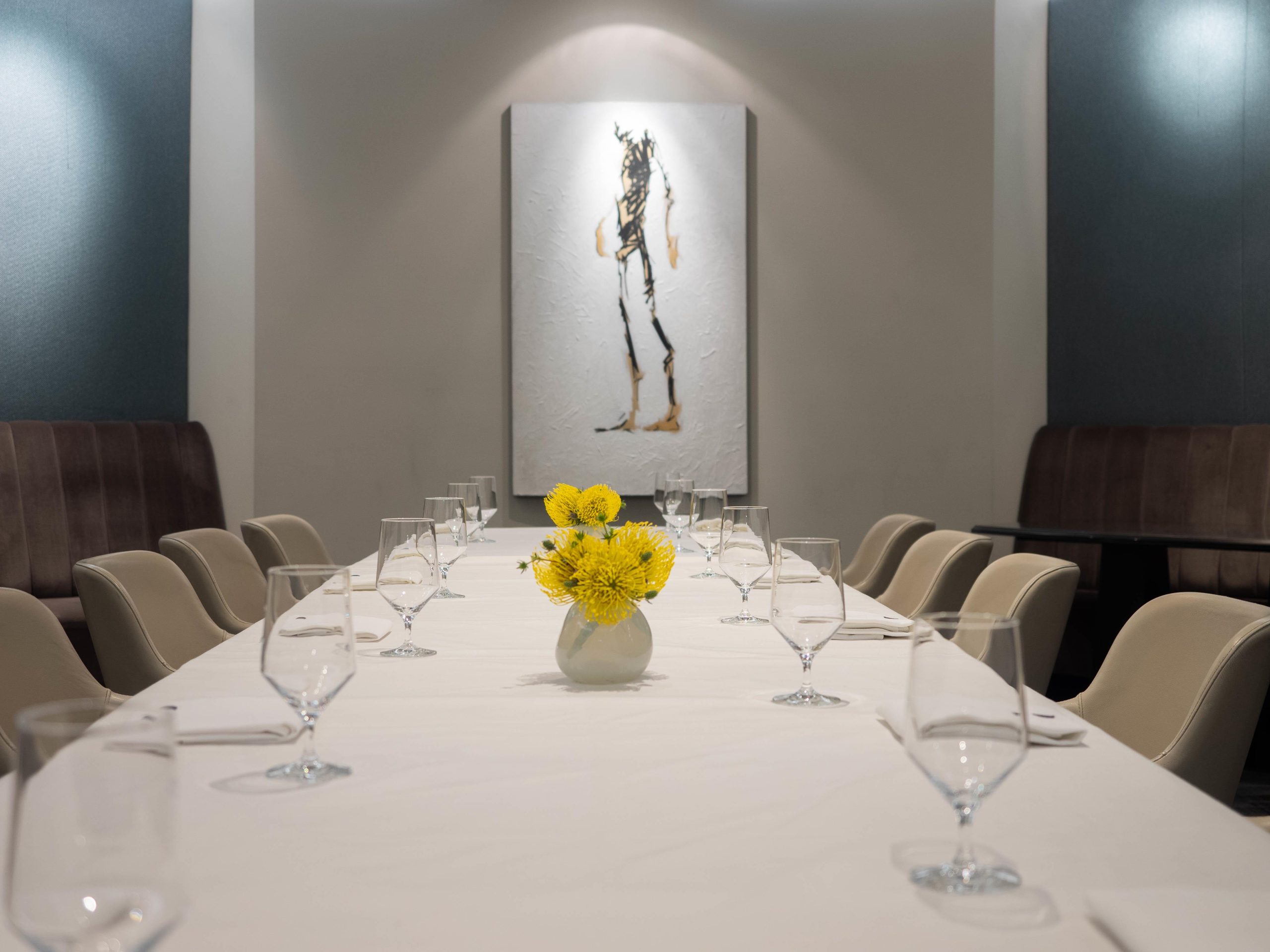
Photo Credit: The Alinea Group
To keep going when you’ve been told you’re going to die, you need to have utter belief that you can keep going. Did you have that?
It’s super odd. I went to five major medical institutions, the best in the country for the cancer that I had, and they all said the same thing: there’s not much you can do. I thought, ‘OK, well five of them can’t be wrong.’ But despite all of that — and I can’t explain it — I never thought I was going to die. I certainly should have, but I just never felt that it was over.
Did you find a new joy in cooking after you recovered?
My sickness made me a better chef, and a better person. I came back on fire. On the back end of it, I was like, ‘Wow, I have a second chance. I have another shot, so I better take advantage of it.’ It’s interesting, looking back at our lives, the events that happened, and how they shape us. I feel like I don’t reflect on that enough.
What’s next for you?
I’m going to give you a little hint. We did a month-long residency in Brooklyn at Olmsted restaurant; the chef is an alumnus of mine. But instead of doing an Alinea-style experience, we created something that was really immersive and moved the guests into four different dining rooms throughout the course of the evening. Each dining room was built out by a production company. It was very cinematic. The aromas in the room matched the lighting, the music, the sound. That’s the direction we’re heading now. It’s like a play I wrote before even adding the food; an immersive experience. The idea is to do this all over the world in a way where art, affluence, and interest in the avant-garde come together.

Photo Credit: The Alinea Group
Related Articles
A Haute Guide to Spring Wedding Guest Dresses
Discover the best spring wedding guest dresses for every dress code, from black tie elegance to breezy beach celebrations.
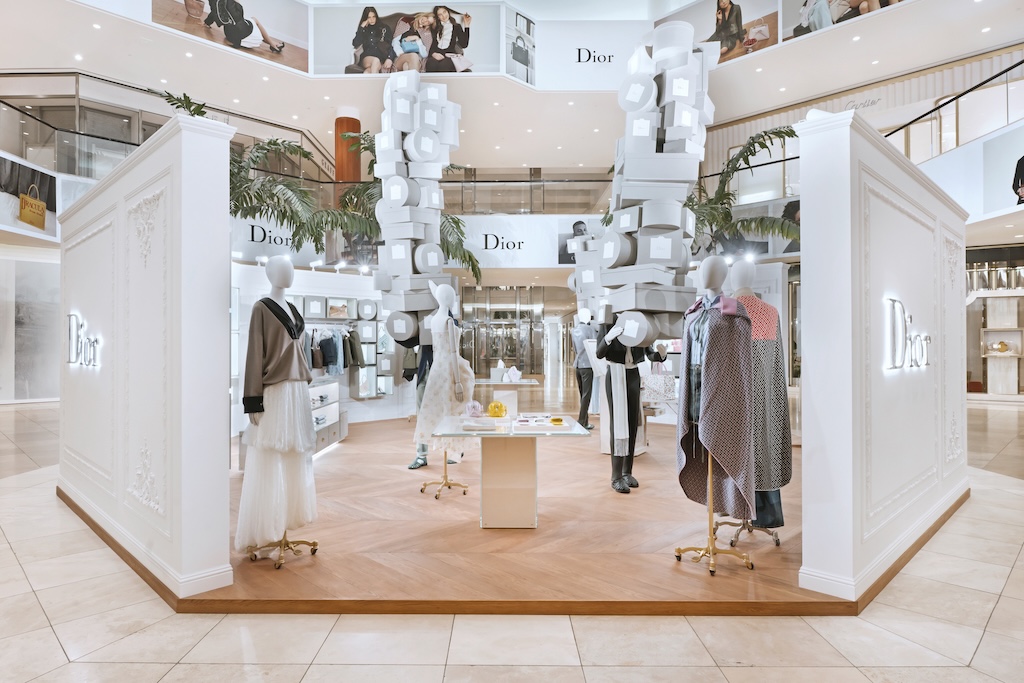
Dior Transforms South Coast Plaza for Jonathan Anderson’s Debut
Dior unveils a South Coast Plaza pop up celebrating Jonathan Anderson’s debut collections with immersive design and customizable pieces.
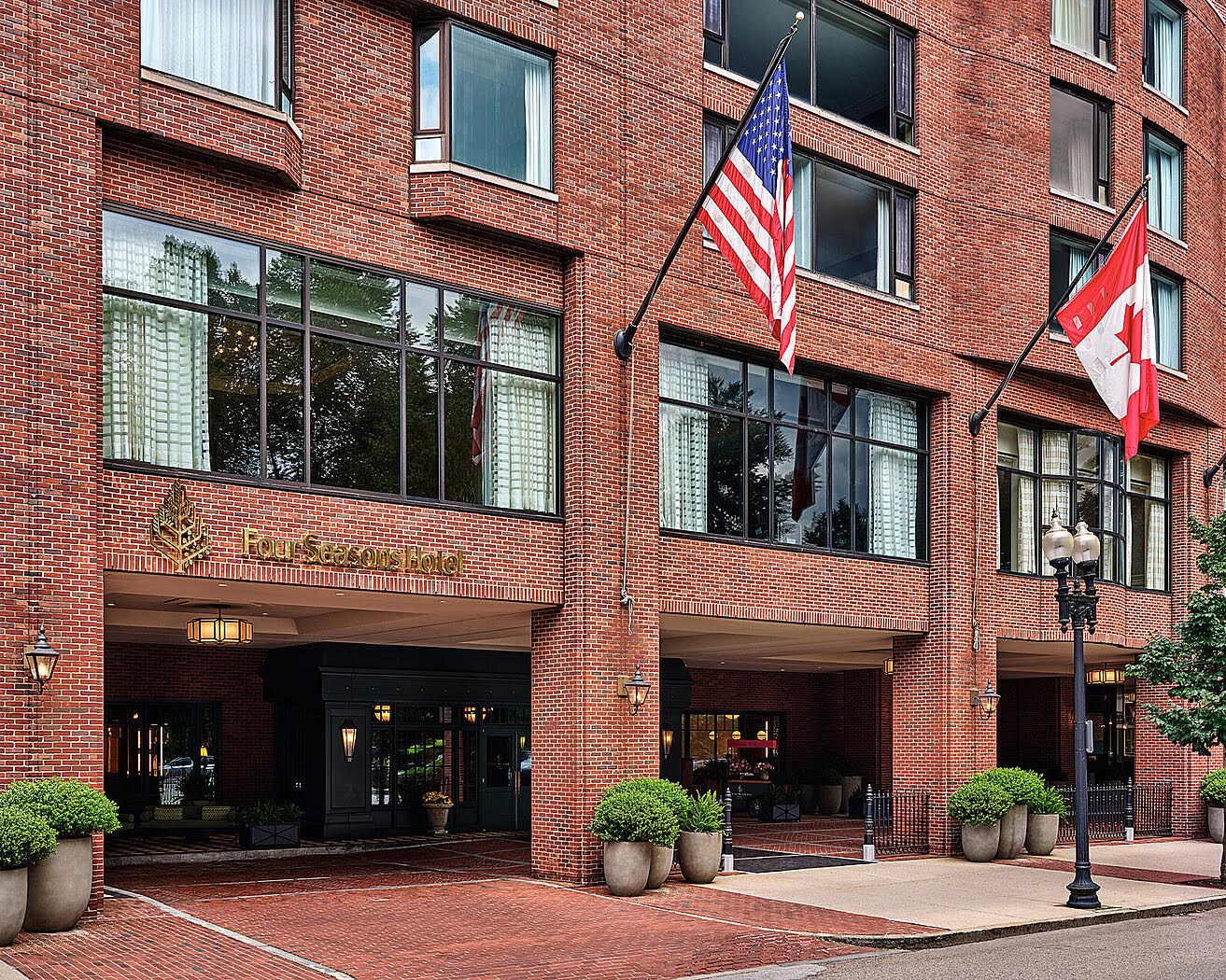
Coming Home: Three Generations at the Four Seasons Hotel Boston
The Four Seasons Boston in Back Bay is special to me; it’s a generational home for my family.
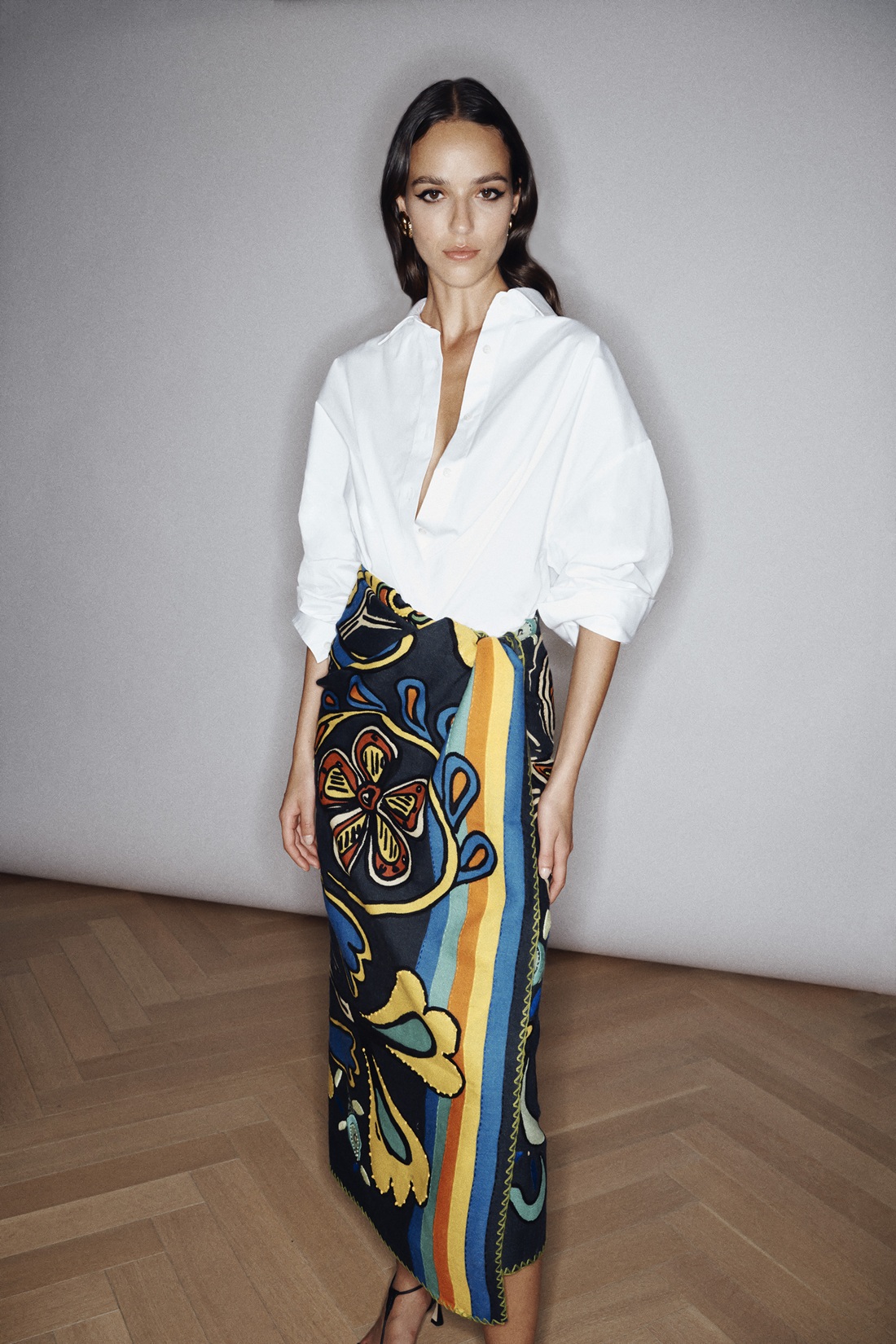
Carolina Herrera x Rianna + Nina Resort 2026 Pop-Up Arrives in Palm Beach March 23–25
Carolina Herrera hosts Rianna + Nina pop-up in Palm Beach March 23–25, 2026, celebrating Resort 2026 with bold color and craftsmanship.
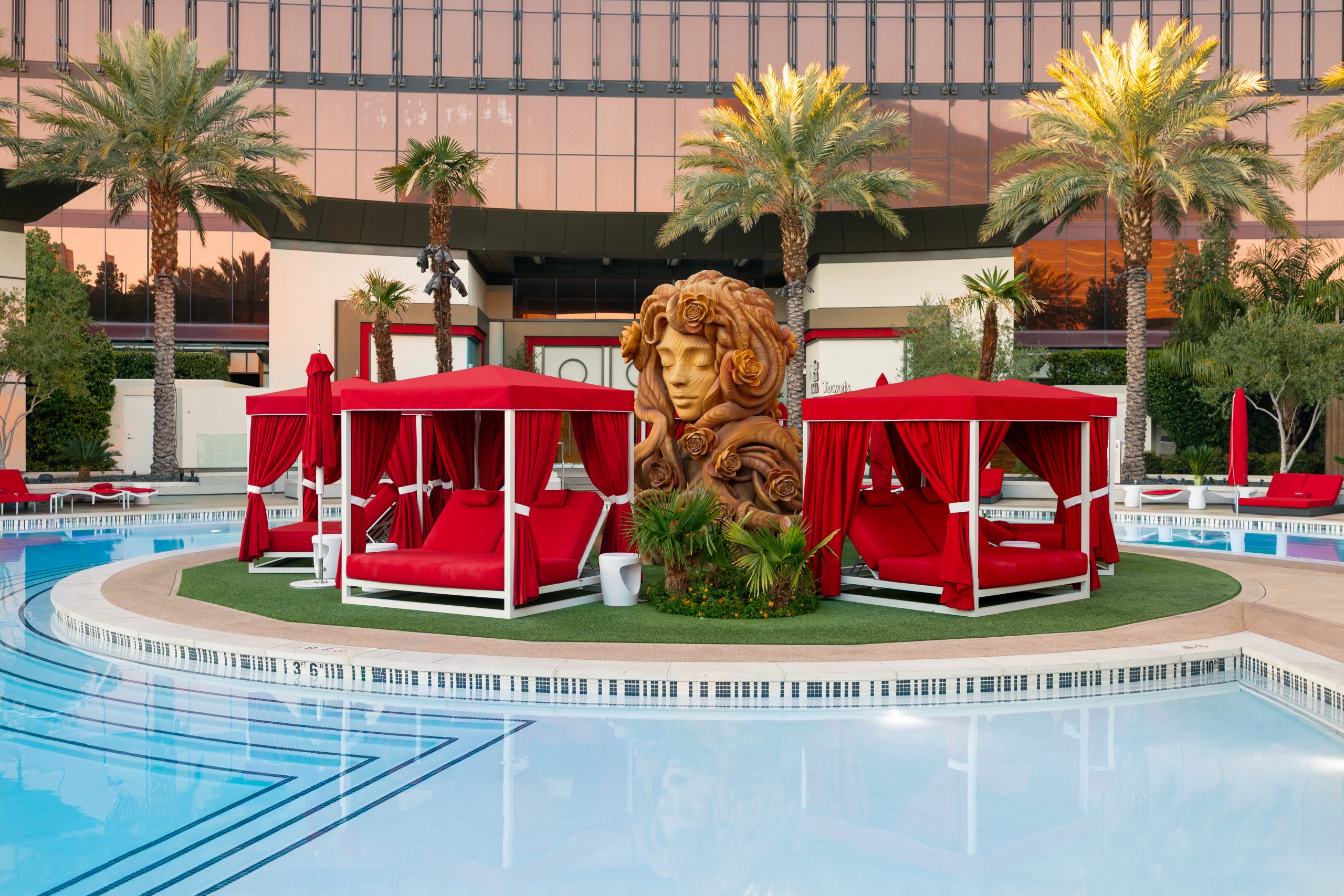
The Las Vegas Pool Guide That Will Make You Book a Flight Today
Las Vegas pool season is officially open. From Resorts World’s refreshed infinity pool to new dayclubs like Tailgate Beach Club, here’s where to go right now.
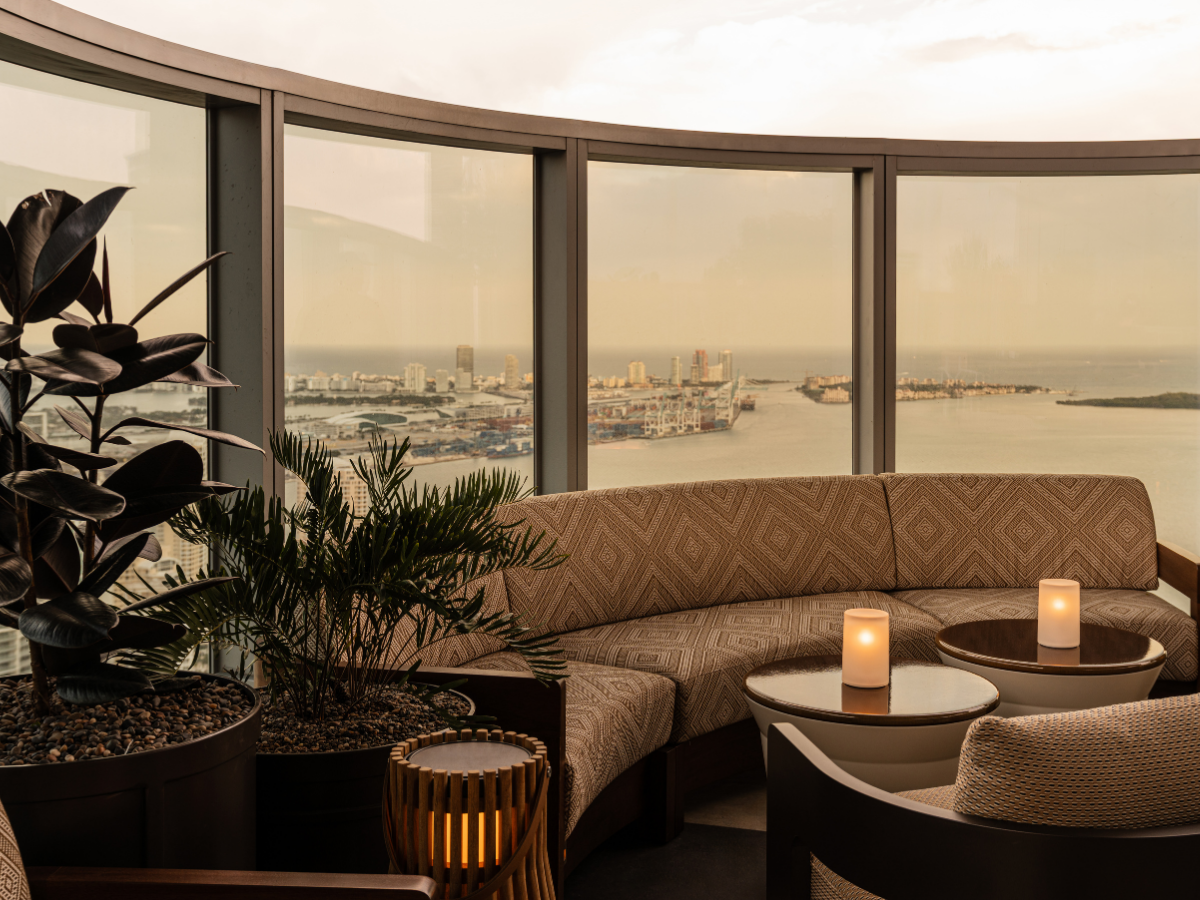
Seia is Brickell’s New Restaurant and Private Members Club – Here’s an Exclusive Look Inside
Seia is Miami’s most anticipated new restaurant and members club — 54 floors above the city and unlike anything else in Miami.
Latest Stories
Trending Articles


Related Articles
A Haute Guide to Spring Wedding Guest Dresses
Discover the best spring wedding guest dresses for every dress code, from black tie elegance to breezy beach celebrations.
Dior Transforms South Coast Plaza for Jonathan Anderson’s Debut
Dior unveils a South Coast Plaza pop up celebrating Jonathan Anderson’s debut collections with immersive design and customizable pieces.
Coming Home: Three Generations at the Four Seasons Hotel Boston
The Four Seasons Boston in Back Bay is special to me; it’s a generational home for my family.
Carolina Herrera x Rianna + Nina Resort 2026 Pop-Up Arrives in Palm Beach March 23–25
Carolina Herrera hosts Rianna + Nina pop-up in Palm Beach March 23–25, 2026, celebrating Resort 2026 with bold color and craftsmanship.
The Las Vegas Pool Guide That Will Make You Book a Flight Today
Las Vegas pool season is officially open. From Resorts World’s refreshed infinity pool to new dayclubs like Tailgate Beach Club, here’s where to go right now.
Seia is Brickell’s New Restaurant and Private Members Club – Here’s an Exclusive Look Inside
Seia is Miami’s most anticipated new restaurant and members club — 54 floors above the city and unlike anything else in Miami.
Subscribe to Haute Living
Receive Our Magazine Directly at Your Doorstep
Embark on a journey of luxury and elegance with Haute Living magazine. Subscribe now and have every issue conveniently delivered to your home. Experience the pinnacle of lifestyle, culture, and sophistication through our pages.

Haute Black Membership
Your Gateway to Extraordinary Experiences
Join Haute Black and unlock access to the world's most prestigious luxury events