
Cover Star Padma Lakshmi Shares the Recipe for Happiness


Photography by Scott McDermott • Stylist Brendan Cannon • Hair Antonio Diaz • Make-up Birgitte From Sally Harlor
It’s not easy to lay your emotions, secrets, hopes and dreams bare before an unknown audience, but that is precisely what Top Chef star and author Padma Lakshmi did when writing her new memoir, Love Loss, and What We Ate.
The book was released on March 8, 2016 and is already gaining traction. It’s not hard to see why. The deeply personal memoir is written quite unlike other celebrity-scribed tomes you might have come across on the shelves of Barnes & Noble. Lakshmi’s is an intimate, firsthand account of her boomerang childhood that began in India with her mom, who divorced Padma’s father when she was only 2. Divorce was rare, and female divorcees were not looked upon well, so she took young Padma and moved to New York City at the age of 4. There, once she had finally adjusted to living in America, she was forced to go back to India to live with her grandparents while her mother stayed in New York with her second husband. Then, as a young teenager, she and her mother moved to southern California for a fresh start and new career opportunities. Once there, Lakshmi’s mother married a third time, creating turbulence with the new family dynamic. As a result, Padma was eager to leave for college, attending Clarke University in Massachusetts. It was during a senior semester abroad in Madrid that she was “discovered” as a model. It came as quite a shock to her, because she considered herself “damaged goods” because of a large, 7-inch scar on her right arm as a result of a childhood car accident.
Love, Loss, and What We Ate takes us through her early modeling days where at first she was asked to hide her scar in long sleves before photographer Helmut Newton proudly showcased it. Afterward, stylists made sure to show the scar, so people would know it was Lakshmi, who writes that the scar went “from a stain into a sort of talisman, a source of power and confidence” in her. Her memoir also takes us through her courtship and marriage to award-winning author Salman Rushdie and finally the birth of her daughter, Krishna. Her method of story-telling is so rich in detail, recounting smells, textures, colors and yes, meals, that no one but the subject herself could have conceivably written it.
“I wanted it to be honest and forthright,” says Lakshmi. “I didn’t really care about writing my memoir per se, I just wanted to write a great book that had literary value and was as solid as any of my favorite pieces of fiction.” This goal was certainly accomplished, but there may have been another motivation to write a good book—her ex-husband, Salman Rushdie—is counted among the world’s most respected living authors. “I could never imagine writing on the level of my ex-husband,” she explains, nameing her literary inspirations as Joan Didion, Mary Karr, Joseph Conrad and Toni Morrison. “I just wanted to make sure my book stood up.”

Her first two books were quite different from this one. They were cookbooks: Easy Exotic: A Model’s Low Fat Recipes from Around the World and Tangy, Tart, Hot and Sweet: A World of Recipes for Every Day, filled with antidotes and recipes, so it’s easy to believe her when she says that she didn’t set out to write a memoir. “At first, it was going to be a book about prescriptive eating and healthy body image,” recalls the author. She was even assigned a writer to help her. “I had never collaborated with another writer before, but I was willing to give it a chance. I didn’t have any ego about it, I wanted to write the best book possible. When the type of book I was writing changed, we realized no one could write it but me. So we let that very nice young man go and I had to start over.”
As a result, it took four and a half years to finish, but the book’s evolution into a memoir was a fortunate one for both the reader and Lakshmi. She seems to have found some catharsis in letting it all hang out and revealing her personal journey from her darkest days to personal victories—on her own terms.
“I spoke to my editor every morning at 10 a.m., sometimes crying, sometimes frustrated. It was probably the most difficult thing I’ve done professionally. [A lot of times] I didn’t think I was going to come out the other end.”
Although she says it was an unintended consequence, “This book allowed me to own my story and take it back from the hands of people who never met me and are just interested in selling newspapers.” Now the notoriously mum Lakshmi feels more at ease discussing her story. “This book has changed my life because I’m not afraid of my own shadow anymore, in the sense that when you’re in the public eye, so much gets said about you [that may not be true] and the more you try to correct it, the more attention it gets. It’s like a brush fire. Now, no one can say anything about me that I haven’t said myself.”
It’s interesting to think that giving us intimate knowledge of her insecurities—growing up Indian amidst California blondes or feeling she didn’t measure up as a wife to Rushdie, (he called her a “bad investment” when debilitating endometriosis caused her to be more chaste than he wanted) and how she found herself unsure of the paternity of her daughter—would put out the flames of speculation and gossip, but it did.
Indeed, she cuts through the noise of all the stories, explaining how it was because of a newly single, independent streak that she found herself pregnant and unsure if the father was Adam Dell or Teddy Forstmann, the billionaire pioneer of the private-equity industry and CEO of IMG.
For now, the former model is single and very, very busy. With book tours, filming her hit television show and raising her daughter, Krishna, she doesn’t have much free time to date anyway. That doesn’t mean she’s totally closed to the idea, however. “If I was going to stop all the stuff I’m doing and take time out of my schedule, it would have to be with someone who was really good with my child, because she’s the main focus in my life,” she says before adding there is one quality she might not be able to resist: empathy. “I think empathy is an underrated quality that speaks volumes about a person. A person understanding of what it’s like to stand in someone else’s shoes. Someone who, before they open their mouths, think what would be best for that person.”
Tabloid interest in her personal life might partially explain why, even though the Top Chef star is a foodie, she doesn’t go out to eat that often in New York’s buzzier restaurants. “When I eat out, I find people watch me a little too closely,” she says. “I prefer to cook at home, it’s more private for me.” Naturally, she does make it out sometimes, seeking out little neighborhood restaurants over the high-profile ones such as Elio’s and Il Buco. “I like little holes in the wall. I like Il Posto Accanto, a little wine bar with Roman cooking. I’m also a big fan of ABC Kitchen as that food is probably the closest to what I like to eat at home on a normal basis. I enjoy Mission Chinese and Indochine too,” she adds.
What Padma eats is a matter of much interest, especially as she manages to stay thin both after 13 seasons of Top Chef and giving birth. Her cookbooks address that, but she’s not a big fan of fad diets. “People tend to latch on to some kind of diet that is prescribed in a popular new book, then everyone gets on the bandwagon, whether it’s the South Beach Diet, the Paleo Diet. These diets can be helpful because they limit starch, sugar and grains. But, most of these diets don’t take. It should really be about common sense. You can just say to yourself ‘I’m only going to eat lean protein, fresh fruits and vegetables, and few starches.’ You know? You don’t really need a book for that.”
Even though Lakshmi tries to eat 50% plant-based meals at home, with eggs, chicken or fish for protein, she has to correct after straying. “Sometimes I get up in the morning and I just say to myself, ‘nothing nonessential goes in the mouth today,’ because when you have a child, you tend to become a human garbage can,” she explains.
Another problem with many of the trendy diets? Most of these diets don’t’ take into consideration that “no two people are alike,” according to Lakshmi. “They don’t take into consideration your activity level, your genetics, and most importantly,
what you grew up eating. It’s going to be hard for someone that grew up with a traditional American diet of meatloaf and green beans to subsist on sushi, for example.” She has a good point.

Two days before my interview with Padma, we spoke with Top Chef co-star and co-producer, Tom Colicchio. “I was really impressed,” he said of his co-star’s book. When we found him, he was in full chef mode at the 1 Hotel, at Slow Food Miami’s Snail of Approval festival standing next to a table of hors d’oevures from his restaurant Beachcraft. “I was surprised to read that she felt as intimidated as she did when we started Top Chef, but it makes sense because she didn’t have the same background. Ask her if she still feels any of that.”
“For several seasons I did, but I don’t feel intimidated anymore,” answers Lakshmi. “I realized I don’t have to be a chef in order to do my job well. I have to be the audience’s representative and have an understanding of food and cuisine because I’m interpreting the dishes for the audience at home. I don’t need to be a chef who has commanded an army of kitchen staff,” she says calmly.
“I also feel great proprietorship towards the show, as I’m sure Tom does because we are both executive producers. I just want whatever makes the show as great as it can be.”
Lakshmi admits she enjoys meeting some of the big-name talent that comes on the show. “I have a curiosity about them, I want to be able to know what it’s like to spend the day with Joël Robuchon, or Thomas Keller,” she says. “Joël, for example, can be very intimidating. He’s a teddy bear if you’re a customer, but if he’s in a position of authority, in the kitchen, or being asked to judge food, he can be very intimidating—even to the other chefs who are sitting at the table.”
Lakshmi also plays host when the cameras aren’t running, warming up the guests, and making them feel at ease in front of the camera. “If a person is happy, they are likely to be more generous, more entertaining and informative,” she notes. “If they are boring and monosyllabic, then the audience is going to forget them and probably forget the information they are there to provide.”
With the release of Love, Loss, and What We Ate, her guests on Top Chef ’s upcoming season are more than likely to be fans of hers, too.
Related Articles
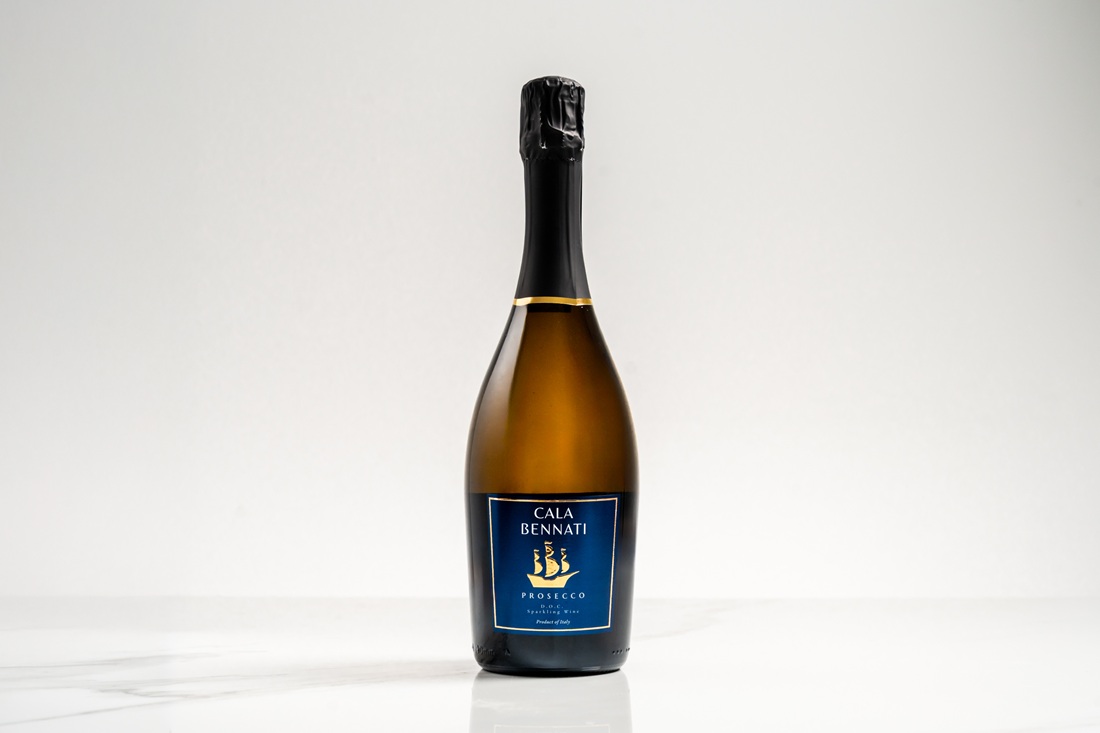
Cala Bennati Prosecco Debuts With Effervescent Style and Everyday Italian Luxury
Cala Bennati Prosecco launches with crisp bubbles, bright fruit notes, and Italian elegance at an accessible price point.
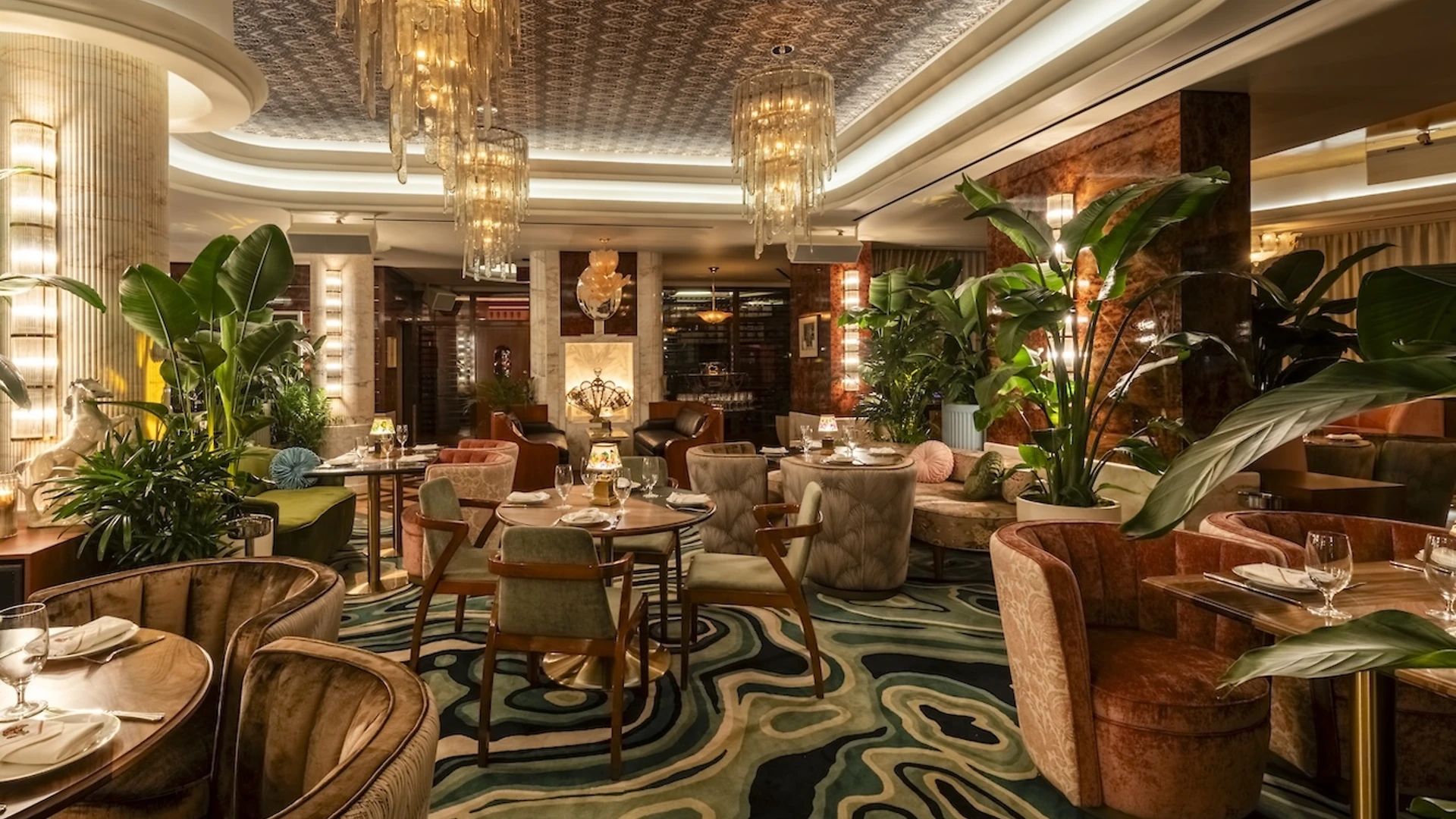
Delilah at 10: The Modern Supper Club That Changed Nightlife
Delilah celebrates 10 years as the iconic modern supper club by The h.wood Group, blending dining, music & immersive nightlife experiences.
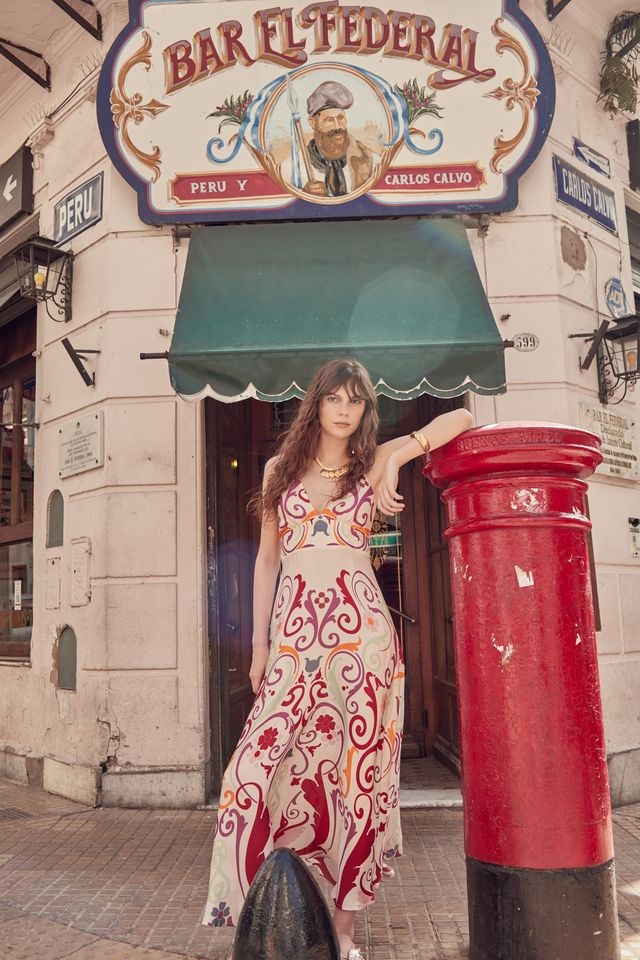
A Haute Guide to Spring Wedding Guest Dresses
Discover the best spring wedding guest dresses for every dress code, from black tie elegance to breezy beach celebrations.

Dior Transforms South Coast Plaza for Jonathan Anderson’s Debut
Dior unveils a South Coast Plaza pop up celebrating Jonathan Anderson’s debut collections with immersive design and customizable pieces.

Coming Home: Three Generations at the Four Seasons Hotel Boston
The Four Seasons Boston in Back Bay is special to me; it’s a generational home for my family.
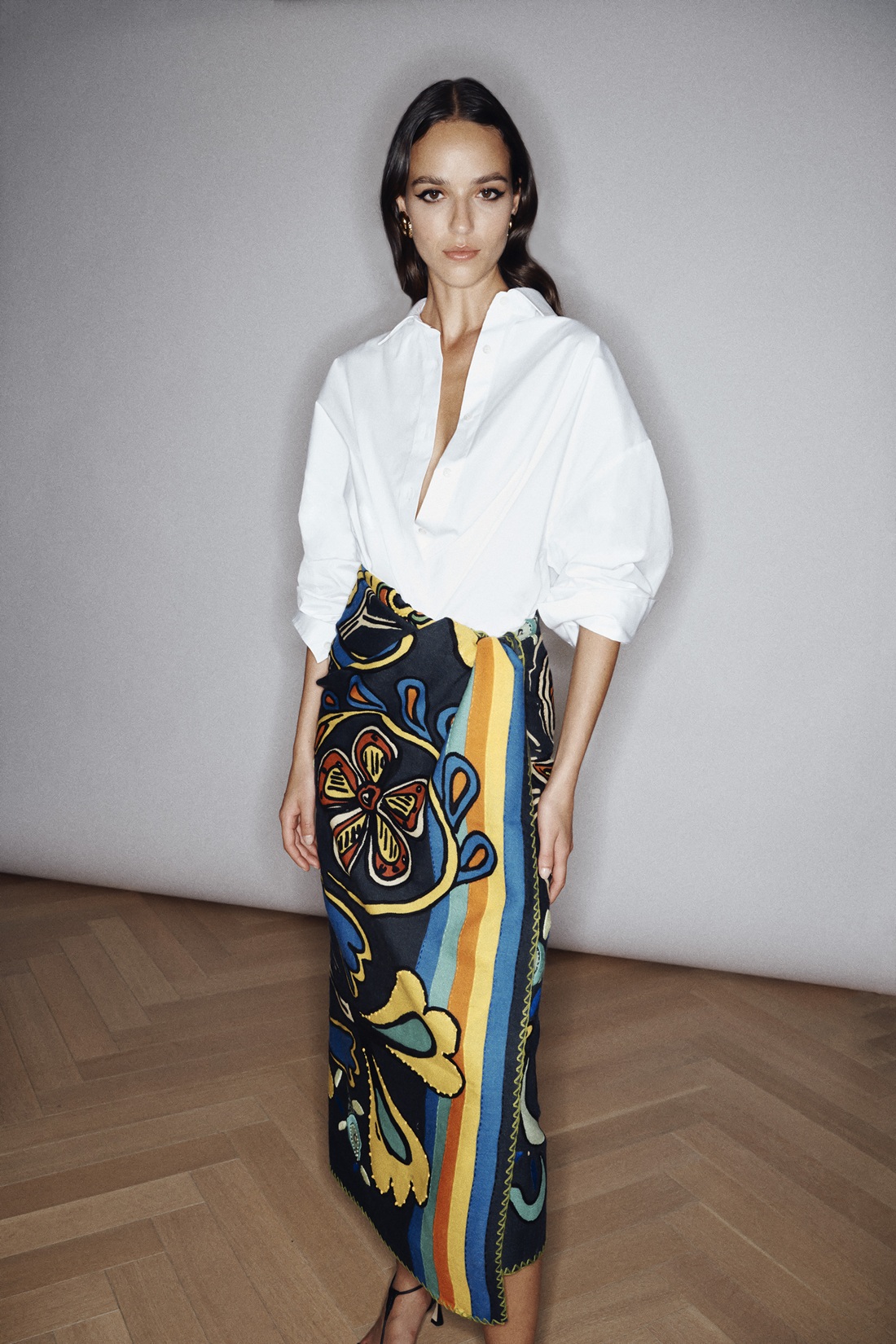
Carolina Herrera x Rianna + Nina Resort 2026 Pop-Up Arrives in Palm Beach March 23–25
Carolina Herrera hosts Rianna + Nina pop-up in Palm Beach March 23–25, 2026, celebrating Resort 2026 with bold color and craftsmanship.
Latest Stories
Trending Articles



Related Articles
Cala Bennati Prosecco Debuts With Effervescent Style and Everyday Italian Luxury
Cala Bennati Prosecco launches with crisp bubbles, bright fruit notes, and Italian elegance at an accessible price point.
Delilah at 10: The Modern Supper Club That Changed Nightlife
Delilah celebrates 10 years as the iconic modern supper club by The h.wood Group, blending dining, music & immersive nightlife experiences.
A Haute Guide to Spring Wedding Guest Dresses
Discover the best spring wedding guest dresses for every dress code, from black tie elegance to breezy beach celebrations.
Dior Transforms South Coast Plaza for Jonathan Anderson’s Debut
Dior unveils a South Coast Plaza pop up celebrating Jonathan Anderson’s debut collections with immersive design and customizable pieces.
Coming Home: Three Generations at the Four Seasons Hotel Boston
The Four Seasons Boston in Back Bay is special to me; it’s a generational home for my family.
Carolina Herrera x Rianna + Nina Resort 2026 Pop-Up Arrives in Palm Beach March 23–25
Carolina Herrera hosts Rianna + Nina pop-up in Palm Beach March 23–25, 2026, celebrating Resort 2026 with bold color and craftsmanship.
Subscribe to Haute Living
Receive Our Magazine Directly at Your Doorstep
Embark on a journey of luxury and elegance with Haute Living magazine. Subscribe now and have every issue conveniently delivered to your home. Experience the pinnacle of lifestyle, culture, and sophistication through our pages.
Haute Black Membership
Your Gateway to Extraordinary Experiences
Join Haute Black and unlock access to the world's most prestigious luxury events