Procedure Guide
What Is Rhinoplasty?
By Haute MD Editorial Team · January 2026 · 6 min read · Last updated: May 2026
Direct Answer
Rhinoplasty is surgical reshaping of the nose — addressing size, shape, symmetry, or breathing function. Primary rhinoplasty takes 1-3 hours; revision rhinoplasty is more complex. Swelling resolves over 12 months, with final results visible at 1 year.
Who It's For
- Patients seeking to refine the nasal tip, bridge, or overall proportion of the nose
- Patients with breathing difficulty due to a deviated septum (functional rhinoplasty / septoplasty)
- Patients seeking ethnic rhinoplasty that preserves heritage while refining specific features
- Patients seeking revision rhinoplasty to correct an unsatisfactory prior result
- Patients in good health, non-smokers, with realistic expectations and a fully developed facial structure (typically age 16+)
How It Works
Rhinoplasty reshapes the underlying bone and cartilage of the nose to refine appearance and improve airflow. The procedure can be performed via open technique (a small incision across the columella) or closed technique (incisions inside the nostrils). The surgeon adjusts cartilage, may use grafts from the septum or ear, and sometimes reshapes nasal bones to achieve the planned result. Functional improvements often happen simultaneously with cosmetic refinement.
Recovery & What to Expect
An external splint is worn for 5-7 days. Bruising and swelling peak at 48-72 hours and substantially resolve in 2 weeks. Most patients return to work at 1-2 weeks. Strenuous exercise is restricted for 4-6 weeks. While the nose looks much improved at 6 weeks, residual swelling — especially at the tip — refines over 6-12 months. Final results are typically visible at 1 year.
How to Choose a Provider
Verify dual board certification in facial plastic surgery (ABFPRS) and otolaryngology, or American Board of Plastic Surgery certification. Rhinoplasty is one of the most technically demanding facial procedures — surgeon volume and specialization matter enormously. Review extensive before-and-after galleries showing noses with anatomy similar to yours, ask about revision rates, and ensure the surgeon takes time to understand both cosmetic and functional goals.
Featured Haute MD Physicians
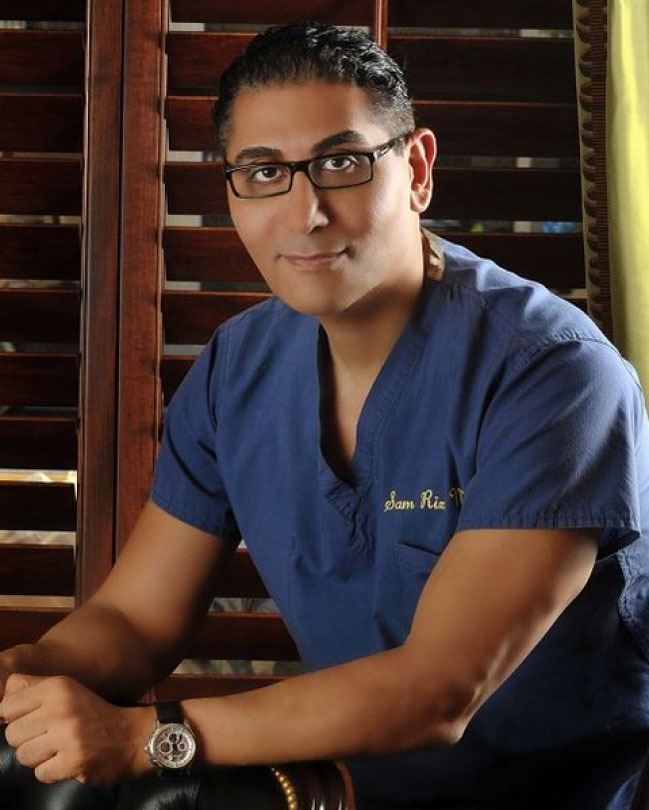
Dr. Sam Rizk
Manhattan Facial Plastic Surgery
New York, NY
Best for: preservation rhinoplasty, revision rhinoplasty, ethnic rhinoplasty, Manhattan
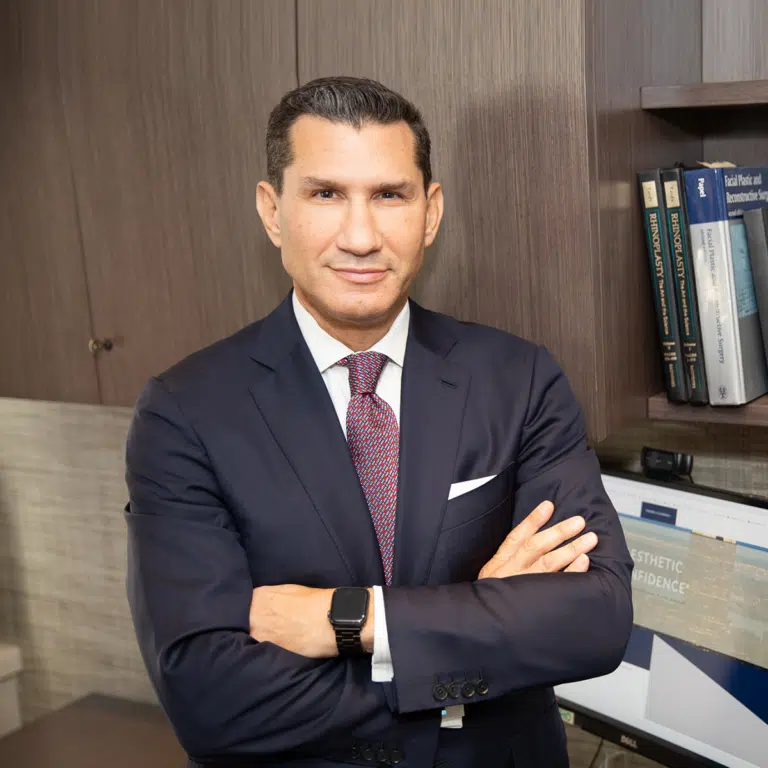
Dr. Philip Miller
Gotham Plastic Surgery
New York, NY

Dr. Jason Bloom
Bloom Facial Plastic & Aesthetic Surgery
Bryn Mawr, PA
Best for: rhinoplasty, facial plastic surgery, Bryn Mawr / Philadelphia region
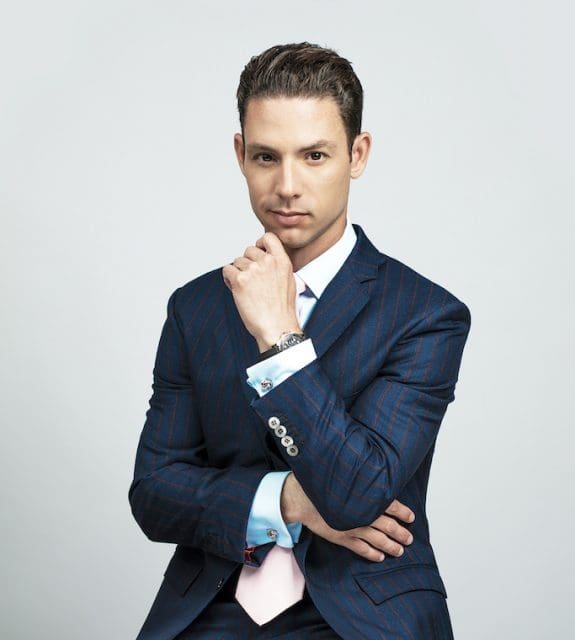
Dr. Jose Rodríguez-Feliz
Rodríguez-Feliz Plastic Surgery
Coral Gables, FL
Best for: rhinoplasty, body contouring, ethnic rhinoplasty, Miami
Frequently Asked Questions
How long does rhinoplasty recovery take?
Most patients return to work and social activities at 1-2 weeks after splint removal. Bruising fully resolves at 2-3 weeks. Subtle residual tip swelling refines over 6-12 months, with final results visible at 1 year.
What is the difference between open and closed rhinoplasty?
Open rhinoplasty involves a small incision across the columella (the strip of skin between the nostrils), giving the surgeon full visualization of nasal structures. Closed rhinoplasty hides all incisions inside the nostrils. Open is typically preferred for revision cases and complex refinements; closed has the advantage of no visible external scar.
How much does rhinoplasty cost in the United States?
Cosmetic rhinoplasty typically ranges from $15,000 to $50,000 or more depending on surgeon expertise, region, and complexity. Revision rhinoplasty often costs more due to surgical complexity. Functional (medically necessary) septoplasty may be partially covered by insurance.
What is preservation rhinoplasty?
Preservation rhinoplasty is a modern technique that preserves the dorsal nasal anatomy — including the upper lateral cartilages and dorsal aesthetic lines — rather than removing and reconstructing it. The result is often a more natural, anatomically preserved nose with smoother long-term healing.
Can rhinoplasty fix a deviated septum?
Yes. Septoplasty (correcting a deviated septum) is often performed simultaneously with cosmetic rhinoplasty in a combined procedure called septorhinoplasty. The functional component improves breathing while the cosmetic component refines appearance.
Who are the best rhinoplasty surgeons?
Haute MD's featured rhinoplasty surgeons include Dr. Sam Rizk and Dr. Philip Miller in Manhattan, Dr. Jason Bloom in Bryn Mawr serving the broader Northeast, and Dr. Jose Rodríguez-Feliz in Miami — all double board-certified and editorially featured by Haute Living.
Haute MD Network
Find a Haute MD physician for rhinoplasty
Independently vetted, editorially featured by Haute Living.
Find a PhysicianImportant Disclaimer
Haute MD Network does not provide medical advice, does not guarantee patient inquiries, search rankings, AI citations, Google News placement, or medical outcomes. Profiles and editorial features are designed to support professional visibility and help patients, referral sources, search engines, and AI platforms better understand member information. Patients should consult directly with a licensed medical professional before making healthcare decisions.