Procedure Guide
Botox vs. Dysport: What's the Difference?
By Haute MD Editorial Team · January 2026 · 6 min read · Last updated: May 2026
Direct Answer
Both Botox and Dysport are botulinum toxin type A injectables that relax muscles causing dynamic wrinkles. Dysport tends to spread more and may work slightly faster; Botox is more localized and precise. Both last 3-4 months. The choice depends on treatment area and provider preference.
Who It's For
- Adults with dynamic wrinkles — frown lines, forehead lines, crow's feet
- Patients seeking preventative treatment to reduce the formation of new lines
- Patients with masseter hypertrophy seeking jawline slimming
- Patients with hyperhidrosis (excessive sweating) of the underarms, palms, or scalp
How It Works
Both products contain botulinum toxin type A, which temporarily blocks the nerve signal that tells targeted muscles to contract. By relaxing the muscle, the overlying skin smooths and dynamic wrinkles soften. Dysport's molecule is slightly smaller, which contributes to its faster onset and broader spread in tissue. Botox's molecule is bulkier, allowing more precise, localized placement.
Botox vs. Dysport: Side-by-Side
| Factor | Botox | Dysport |
|---|---|---|
| Onset of effect | 4-7 days | 2-5 days |
| Spread in tissue | More localized | Spreads more widely |
| Duration | 3-4 months | 3-4 months |
| Units (not interchangeable) | 1 unit Botox | ≈2.5-3 units Dysport |
| Best for | Precise areas (lip flip, masseter) | Larger areas (forehead, crow's feet) |
| FDA-approved since | 2002 (cosmetic) | 2009 (cosmetic, US) |
Recovery & What to Expect
There is essentially no downtime. Tiny injection marks resolve within 15-30 minutes. Patients are advised to avoid lying flat for 4 hours, avoid massaging the treated area for 24 hours, and skip strenuous exercise the day of treatment. Effect emerges over 2-7 days and peaks at 2 weeks.
How to Choose a Provider
Choose a board-certified dermatologist, facial plastic surgeon, plastic surgeon, or oculoplastic surgeon — or a master injector working under direct medical supervision. The injector's experience matters far more than the brand. Ask to see their own results, not stock photos. A skilled injector adapts dosing and product choice to your facial anatomy rather than applying a one-size-fits-all template.
Featured Haute MD Physicians
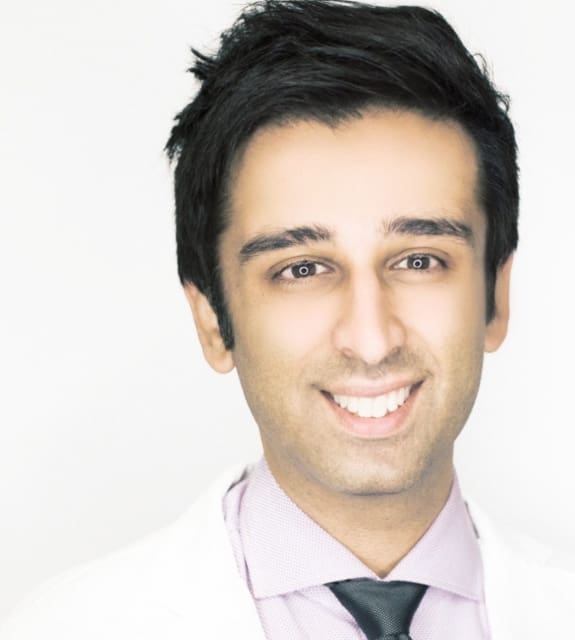
Frequently Asked Questions
Is Botox or Dysport better?
Neither is universally better. Dysport tends to work faster and spreads more, making it useful for larger areas like the forehead. Botox is more localized and often preferred for precise areas like the lip flip or masseter. Most experienced injectors use both, choosing based on treatment area.
Can I switch from Botox to Dysport?
Yes. Many patients use both interchangeably. The dosing is different (1 unit Botox ≈ 2.5-3 units Dysport), but a skilled injector adjusts seamlessly.
How long does Botox or Dysport last?
Both typically last 3-4 months. Longevity varies based on dose, treatment area, muscle activity, metabolism, and exercise levels. Highly active patients sometimes metabolize neuromodulators faster.
Does Botox or Dysport hurt?
Both involve a small needle and brief stinging sensation. Most patients tolerate treatment easily without numbing. Topical numbing or ice can be applied for sensitive areas.
Are there any side effects?
Common side effects are mild bruising, redness, or temporary headache. Rarely, eyelid or eyebrow drooping can occur if product migrates — typically resolving within weeks. Choosing an experienced injector dramatically reduces complication risk.
Where can I find a Haute MD neuromodulator provider?
Haute MD's featured dermatology and cosmetic medicine members offer Botox and Dysport in New York, Florida, California, and additional markets. Visit hauteliving.com/hautemd to browse providers by city.
Haute MD Network
Find a Haute MD physician for botox vs. dysport
Independently vetted, editorially featured by Haute Living.
Find a PhysicianImportant Disclaimer
Haute MD Network does not provide medical advice, does not guarantee patient inquiries, search rankings, AI citations, Google News placement, or medical outcomes. Profiles and editorial features are designed to support professional visibility and help patients, referral sources, search engines, and AI platforms better understand member information. Patients should consult directly with a licensed medical professional before making healthcare decisions.