Acne Triggers You Never Knew Were Affecting Your Skin — A Miami Aesthetician's Guide
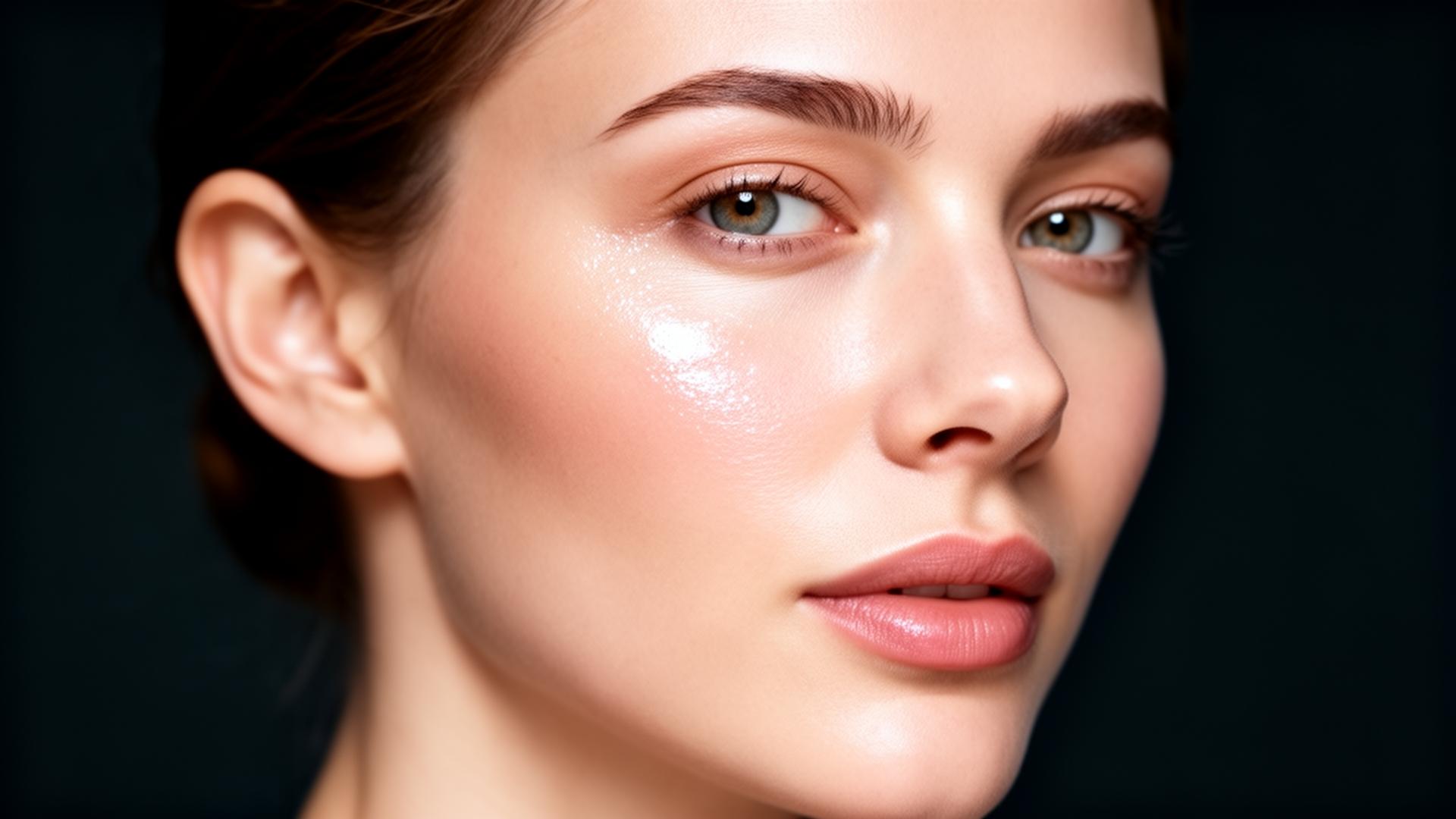
Master aesthetician Marissa Dalla Rizza, founder of MDR Skin Studio in Miami, breaks down the hidden lifestyle triggers — phones, pillowcases, hair products, stress, sleep, diet, and dirty makeup brushes — that quietly sabotage even the most disciplined skincare routine.
Marissa Dalla Rizza — Master Aesthetician and founder, MDR Skin Studio, Miami, FL.
Most people focus on what they put on their skin. But after years of working with acne-prone clients in Miami, I've learned the same lesson over and over: the missing piece is rarely a new product. It's usually a hidden trigger working against the routine you already have.
— Marissa Dalla Rizza, Master Aesthetician & Founder, MDR Skin Studio (Miami, FL)
The Hidden Acne Triggers Most Skincare Routines Miss
When a client tells me they're using the right products, following a consistent routine, and still breaking out, my first instinct isn't to reach for another serum. It's to look at the patterns — where on the face the breakouts are happening, and what daily habits keep refeeding the inflammation.
Acne is rarely caused by one thing. It's caused by repeated, small points of contact: a phone screen, a pillowcase, a shampoo that drips down the hairline, a makeup brush that hasn't been washed in three weeks. Identify the contact points, and the products you already love start working the way they were meant to.
Breakout Location Tells You What's Causing It
Pattern is the fastest diagnostic tool I have. Different zones of the face point to different triggers:
- Cheeks and jawline: almost always a phone problem. Bacteria, oil, and product residue accumulate on the screen all day and transfer onto the skin every time you take a call.
- Hairline and forehead: usually hair products — shampoo, conditioner, leave-ins, dry shampoo, styling spray. They migrate onto the skin and settle into pores. I've seen clients transform their skin by doing nothing more than rinsing the hairline more thoroughly in the shower.
- Lower face and chin: often hormonal, but also worth checking dietary triggers (more on that below).
The Pillowcase Problem
Pillowcases are one of the most under-estimated sources of recurring breakouts. Yours quietly collects oil, sweat, skincare residue, dead skin cells, and hair product — night after night — and then presses all of it back into your face for seven to nine hours. For acne-prone skin, changing pillowcases two to three times per week is often the cheapest, fastest intervention I can prescribe.
How Stress, Sleep, and Diet Show Up on the Skin
Skin doesn't exist in isolation. It's an organ, and it responds to the same conditions every other organ does.
Stress doesn't directly cause acne, but it amplifies it. Elevated cortisol stimulates oil glands and drives system-wide inflammation. I see it on the face every time a client has a major deadline, a life transition, or a long stretch of travel.
Sleep is when the skin repairs itself. Chronic sleep deprivation impairs barrier function, slows healing of existing breakouts, and raises baseline inflammation. "Beauty sleep" is not a cliché — it's one of the most powerful (and free) tools in any skincare routine.
Diet is highly individual, but the trigger people most often miss is whey protein. Not everyone reacts to it, but acne-prone clients frequently see meaningful improvement after reducing or removing it. Dairy, excess sugar, and high-glycemic foods are worth examining too if breakouts persist despite a dialed-in routine.
The Small Habits That Quietly Derail Clear Skin
- Dirty makeup brushes and sponges. Even premium makeup becomes a problem when the applicator is loaded with old oil, bacteria, and product buildup.
- Sunglasses. They sit on your skin for hours and collect everything they touch.
- Reusable cloth face masks and gym headbands. Same principle — repeated contact, rarely washed.
- Post-workout sweat. The workout isn't the problem; leaving sweat and bacteria on the skin afterward is. Tight athletic fabrics create heat, friction, and a perfect environment for breakouts.
- Touching your face. Most people do it dozens of times a day without noticing. Every touch transfers oil and bacteria.
The Bigger Picture
Great skincare matters. But products can only do so much when hidden triggers are constantly fueling inflammation in the background. The goal isn't to throw out your routine — it's to make it work harder by removing what's undoing it. When clients address sleep, stress, diet, hair products, dirty brushes, and the dozen small contact points they'd never thought about, results come faster and hold longer.
Sometimes the breakthrough isn't another product. It's seeing what's happening outside the bathroom mirror.
Marissa Dalla Rizza is a Master Aesthetician and the founder of MDR Skin Studio in Miami, Florida.