





 Photo Credit: Shutterstock
Gel nail manicures are characterized by their solid color look, flexibility with other nail care needs, and, above all, the ease of leaving the salon with dry polish. Recently, the European Union (EU) has begun the first step to address the health risk associated with the cosmetic chemicals involved in the gel manicure process.
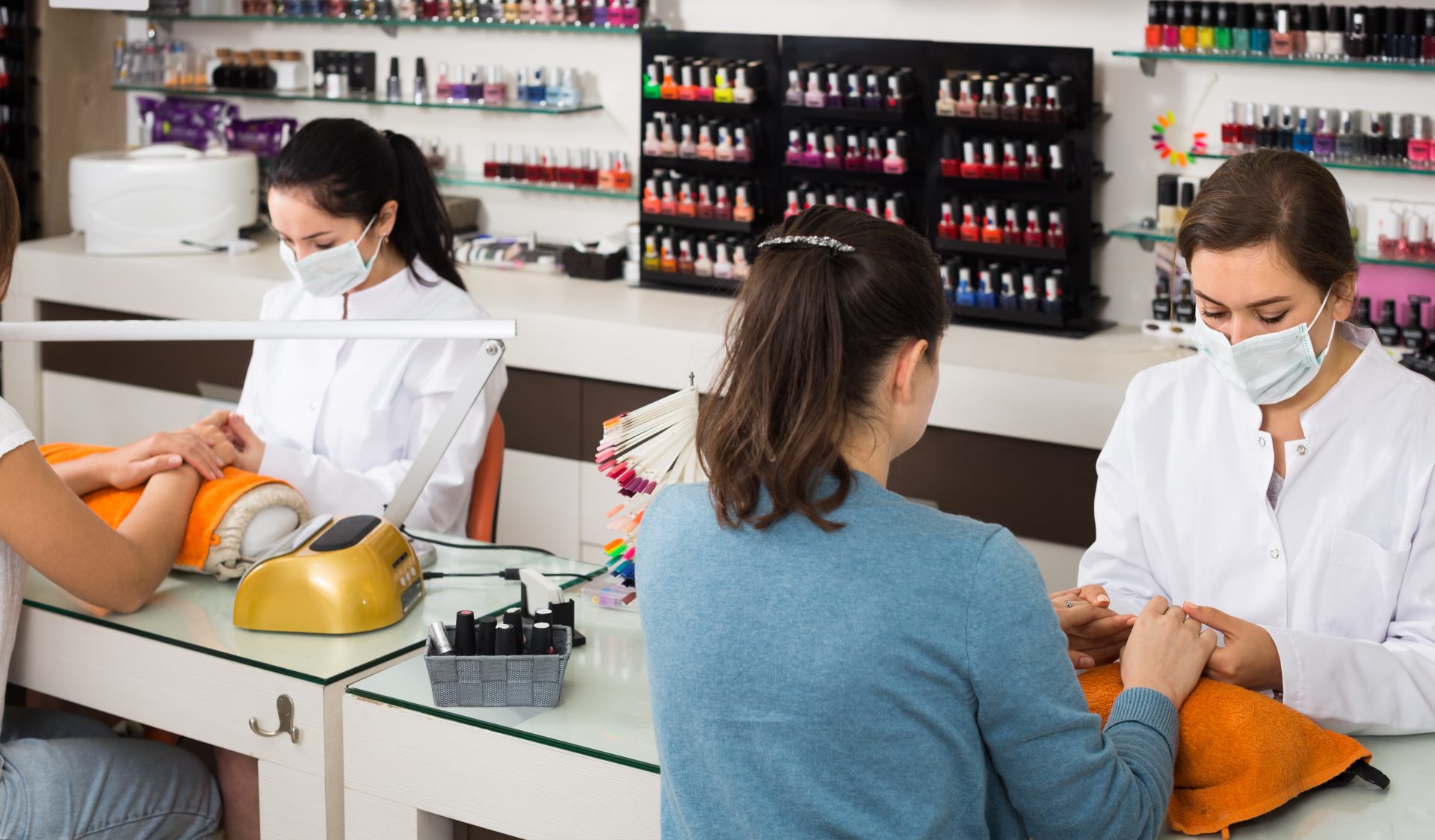
The gel manicure involves applying coats of gel polish that are then cured by UV light to harden and dry. It is well known for its durability, where a single manicure can last 2-3 weeks, and the polish itself becomes harder to chip away than traditional nail polish.
The European Union Ban
The ingredient, trimethylbenzoyl diphenylphosphine oxide (TPO), present in gel polish has been banned by the 27 countries part of the EU. TPO is a photoinitiator, which fundamentally means it absorbs UV light well and reacts with a hardening property. After a safety assessment and an animal research study on the harmful effects of ingestion of TPO in rats, the European Union is moving towards a total ban within the next couple of years. According to the European Commission, TPO was classified in the “Carcinogenic, Mutagenic, or Reprotoxic category as a reproductive toxicant,” given the bodily trauma it had on the rats.
As of this September, EU nail salons are no longer allowed to utilize polishes with this chemical, and products containing TPO cannot be sold. The ban itself is a preventative measure and a strong win for hazard reduction. Prohibiting this chemical because of the potential side effects it can have on the human reproductive system may be premature, but it seems like the decision errs on the side of better safe than sorry.
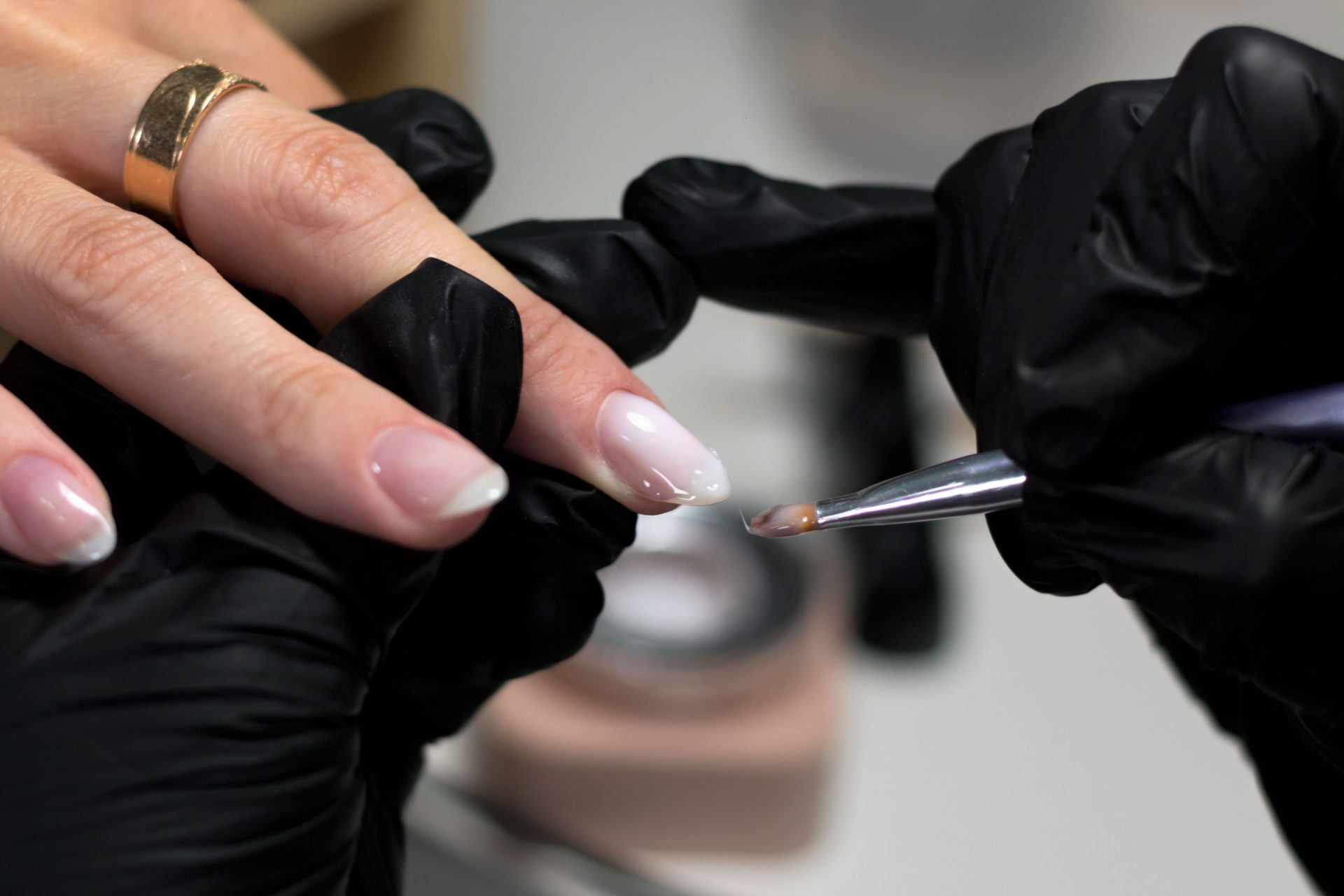 Photo Credit: Shutterstock
Is Gel Nail Polish Actually Harmful?
The answer to this sort of question is difficult. For decades, dermatologists, among other scientists and healthcare experts, have approached the continuous use of gel polishes with caution. The Cleveland Clinic has long supported that the type of ultraviolet rays used is dangerous, finding gel manicures “involves repeated exposure to ultraviolet A (UVA) rays, which causes skin aging and DNA damage that can lead to cancer. Just like there’s no such thing as a risk-free tanning bed— which also uses UVA light — there’s no such thing as a risk-free nail lamp.”
With regard to the chemical ban, the animal study that showed dangerous health side effects is receiving criticism. Vogue Magazine reports that Claire Aggarwal, CEO of Bio Sculpture, states that the rat study is not exactly replicative; “We have to be aware, though, that these issues arose only when TPO was ingested, and when it’s used on nails, it isn’t ingested.”
How Does This Impact the Gel Nail Industry?
In the United States, no regulations or concerns have been inroduced yet. Without a chemical or another type of restriction, nothing changes.
In the countries with banned TPO, though existing products have not been recalled, their use is prohibited.
What Are the Alternatives for Gel Nail Polish?
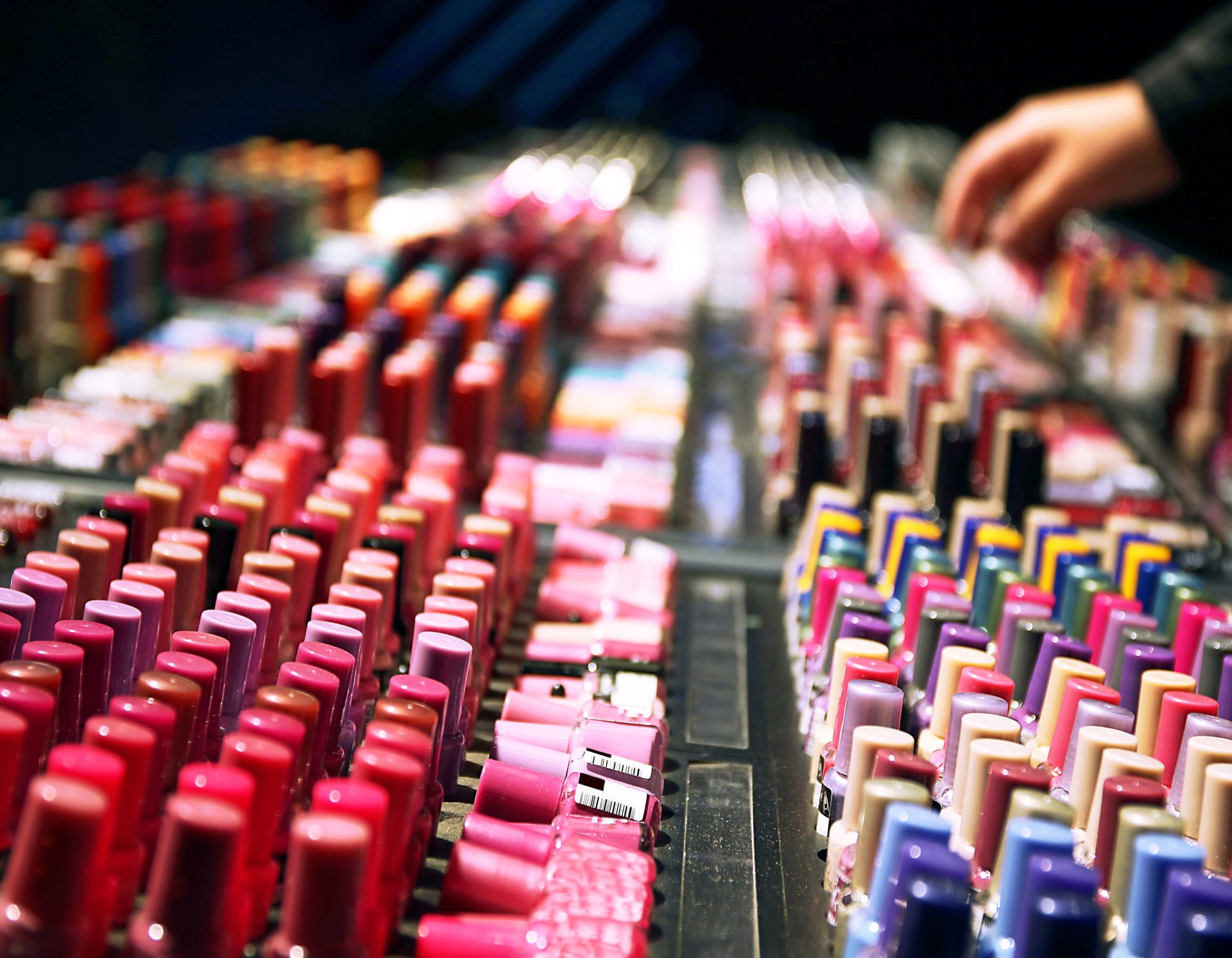 Photo Credit: Shutterstock
It seems that the common concern is the fact that gel nail polishes (including those with TPO) are photoinitiators. Looking for alternatives would be searching for nail polishes without TPO and maybe, without UV light requirements. NBC News Select lists the following as durable alternatives: Dazzle Dry Mini Kit, Sally Hansen Miracle Gel Polish, Essie Gel Couture Nail Polish, Glamnetic Press On Nails, and Hey Hae Semi-Cured Gel Nail Strips.
Could the US be next?
Possibly. Research for this chemical has been sparse within the United States. The New York Times finds that “one study did suggest that TPO was toxic to human cells. Still, the levels these scientists tested were much higher than what you would get in the nail salon, and it’s not clear whether TPO applied to your nails would even be absorbed into your body, said Dr. Jacqueline Watchmaker, a cosmetic dermatologist in Arizona.”
It is possible that the United States may take this as a warning sign. Given, many women in the U.S frequent gel manicures, the Federal Drug Administration may begin to research further into the reproductive effects of gel nail polish. However, if the United States does not adopt a preventive measure perspective similar to the EU’s, gel nail polish with all its possible consequences, is here to stay.
As beauty trends continue to evolve, our legal standards for safety must improve with them. Yet, it seems that until there is an increase in research, Gel polish consumers in the U.S. and non-European countries must weather the risks on their own.