



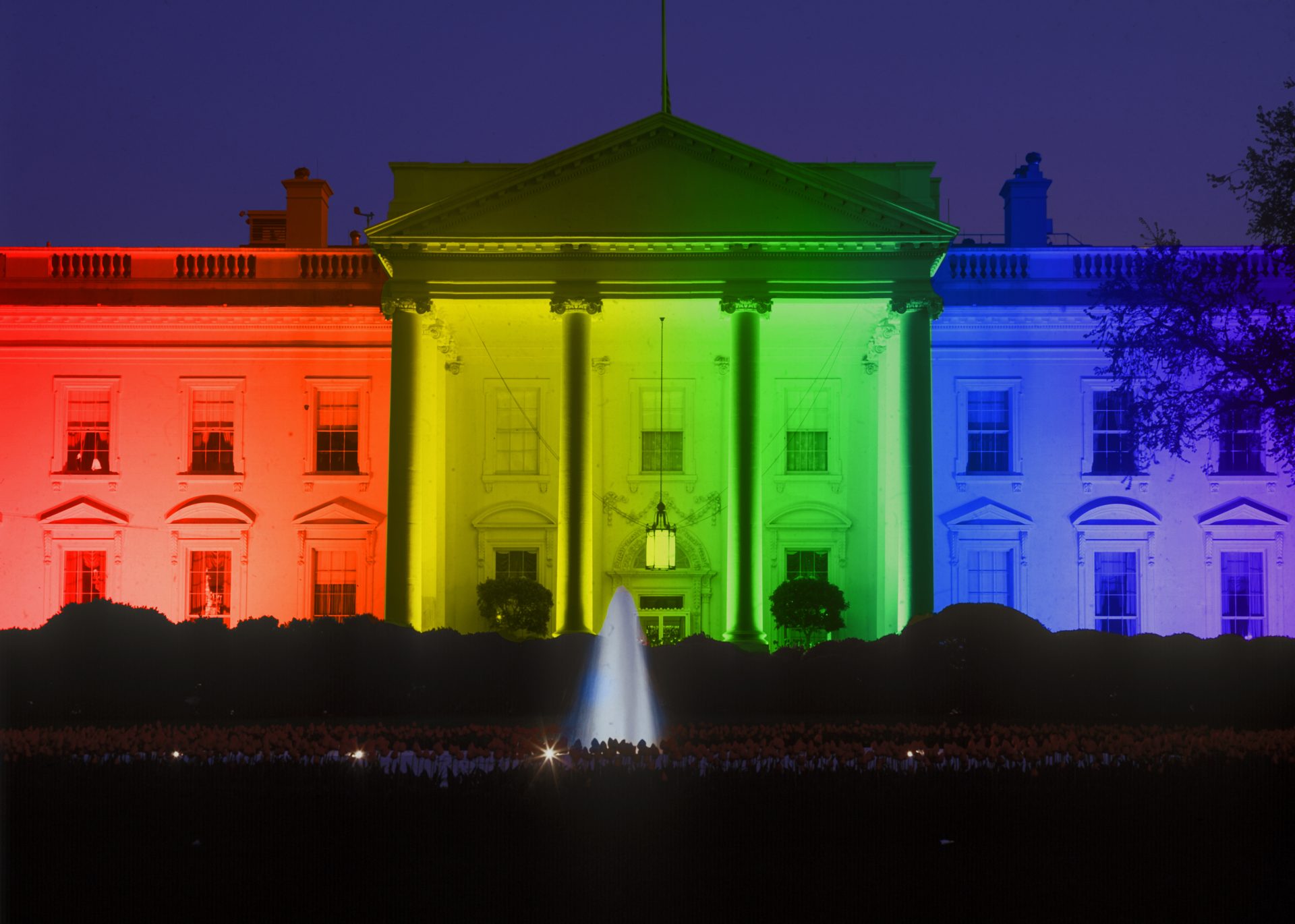
On June 26, 2015, the Supreme Court of the United States legalized same-sex marriage; last month, SCOTUS was asked to overturn the historic decision.
Obergefell v. Hodges, argued in April of 2015, challenged the marriage doctrine as unconstitutional under the Fourteenth Amendment, given that states institutionally licensed marriages to only recognize a union between a woman and a man. The plaintiffs argued that defining matrimony this way violated the Fourteenth Amendment’s Equal Protection and Due Process Clauses for homosexual couples.
The Supreme Court of the United States, in a 5-4 decision, secured marriage equality for gay couples, requiring all states across the country to recognize out-of-state marriages and legally protect same-sex couples’ right to marry.
Why the SCOTUS Request To Review?
Shortly following the decision to secure gay marriage rights, Kim Davis, in her role as a Kentucky clerk, denied same-sex couples marriage licenses. In September 2015, Davis was sued by a couple for violating their constitutionally protected rights. She was ordered to pay a fine of $100,000 and serve six days in jail for contempt of court. Last month, Davis filed a petition asking the Court to review her case with three questions, one of which asks whether the First Amendment’s free exercise clause should protect against personal liability. Davis’s team presents the issue as a decision to uphold her faith versus the requirements of the job. Yet, the facts remain that an officer of the law within Rowan County violated the Constitution.
What Have Courts Said?
While the Supreme Court may contemplate accepting this case now, Davis’s previous appeal to the Supreme Court to review her case was denied on October 5, 2020. Earlier this year, an appeal from the United States District Court for the Eastern District of Kentucky at Ashland affirmed the judgment against Davis. Chad A. Readler, Circuit Judge on the appeals panel, emphasized that the appellant’s First Amendment protection argument does not in fact shield Davis from liability.
Concurring in part and concurring in the judgment, Judge Readler asserts, “Rather than attempting to invoke a religious exemption for herself, Davis instead exercised the full authority of the Rowan County Clerk’s office to enact an official policy of denying marriage licenses to same-sex couples, one every office employee had to follow.”
What Happens Next?
ABC News reported on Monday, August 11th, that the Court is likely to discuss the Davis request in the fall months when deciding which cases will be on the docket.
Many worry that the conservative-leaning Court may choose to accept the petition, however, the 2022 Respect For Marriage Act sanctifies same-sex and interracial couples that are already married. A potential policy change affecting same-sex marriage would typically impact the right of couples to marry in future years.
As many discuss the impending Supreme Court docket decisions for the next year, thousands worry about the safety of Obergefell with the conservative leaning Court. Yet Mary Bonauto, plaintiff attorney in Obergefell and senior Senior Director of Civil Rights and Legal Strategies, stated in a response with USA Today, “There’s good reason for the Supreme Court to deny review in this case rather than unsettle something so positive for couples, children, families, and the larger society as marriage equality.”