






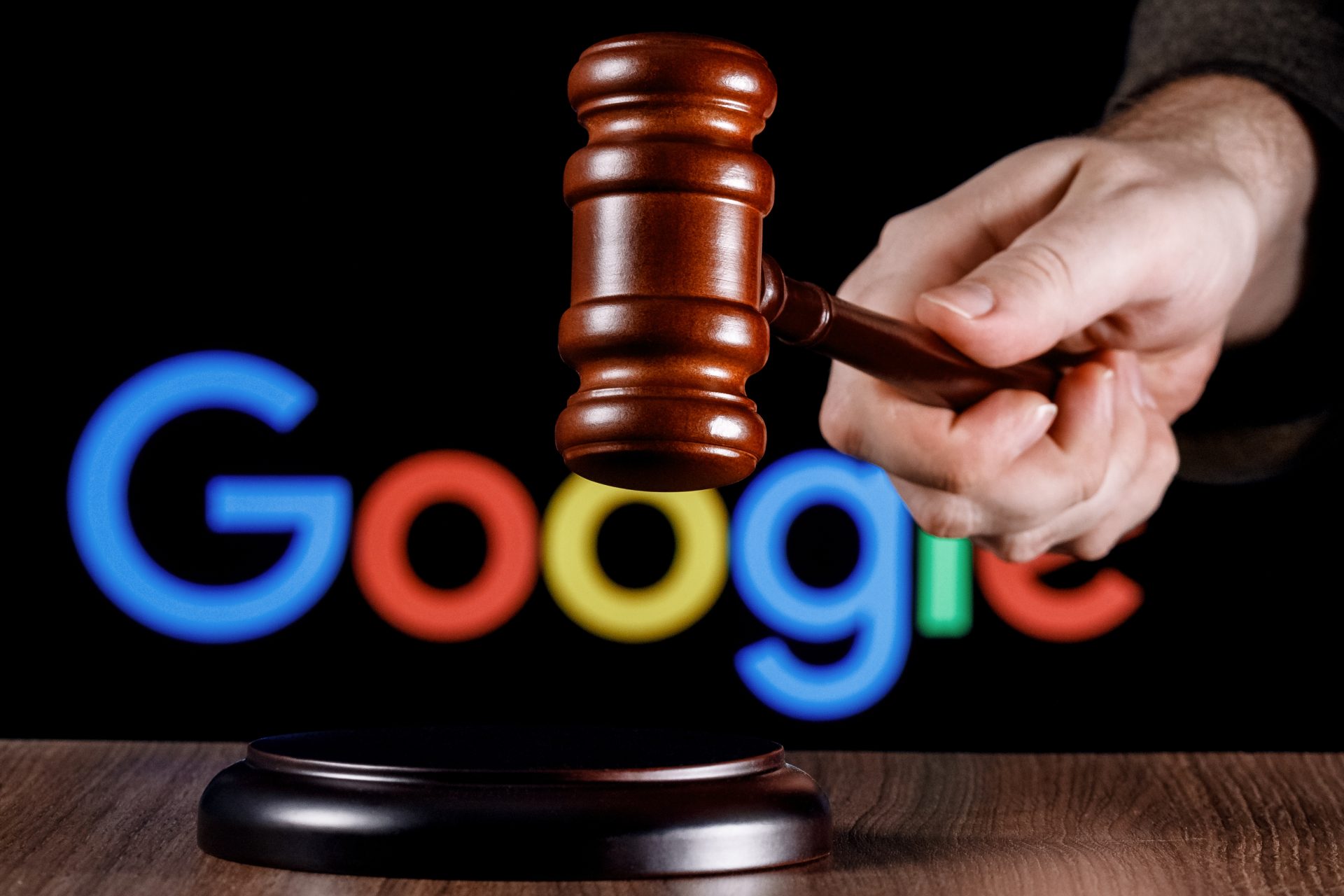
 Photo Credit: Courtesy of: Sergei Elagin/ShutterstockIn a highly anticipated legal battle set to unfold in a Washington D.C. federal courtroom, the U.S. government is taking on Google’s dominant search engine, marking one of the most significant antitrust trials in a quarter-century, akin to the Microsoft case. The trial, expected to span ten weeks, will witness testimonies from top Google and Alphabet executives, including Alphabet CEO Sundar Pichai and possibly Apple’s Eddy Cue.
The case mirrors the Microsoft antitrust trial and could lead to legal consequences that impact Google’s supremacy. While Google offers popular products like Chrome, Gmail, YouTube, and online maps, its search engine remains the most vital and widely used. The trial may force Google to end its payments to secure default search engine status and could divert its focus, similar to Microsoft’s antitrust battle.
The primary issue, ongoing for three years, revolves around whether Google abuses its search engine’s power to stifle competition, resulting in diminished innovation and lower search result quality. State attorneys general are joining to demonstrate Google’s transformation into an illegal monopoly harming consumers. The Justice Department argues that Google’s search engine functions as a digital utility and should be regulated. Google contends it continually improves and faces competition from various sources.
The Justice Department alleges that Google’s dominance arises from payments and contracts securing its position as the default search engine. Google leveraged Android to maintain this dominance. This practice limits consumer choice and allegedly leads to more advertisements in search results, benefiting Google at the expense of users. Google argues that users can easily change settings, and it remains competitive by enhancing technology, including AI-driven features.

Attorney Talk
October 31, 2023AI-Generated Legal Content Sparks Disciplinary Action for