







 Photo Credit: Shutterstock
Reframing “Allergy Season”
For many, seasonal allergies are synonymous with spring. But in reality, allergy season is no longer confined to a single time of year. Depending on where you live and what you are sensitive to, symptoms can flare in summer, fall, or even year-round. Warmer climates often mean longer pollen seasons, and environmental shifts have made allergies more persistent and unpredictable across regions.
Dr. Purvi Parikh, a board-certified allergist and immunologist, emphasizes that allergies today require a more nuanced and proactive approach. Rather than treating symptoms as they arise, understanding the full scope of how allergies present and progress is key to managing them effectively.
Allergies Are Not Just “Above the Neck”
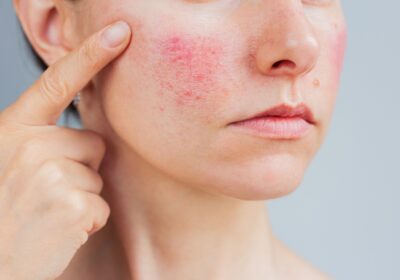
Most people associate seasonal allergies with sneezing, congestion, and itchy eyes. While these are common, allergies can affect the entire body. Symptoms may also include asthma, skin rashes, and even a persistent sore throat, which is often mistaken for illness.
One of the most overlooked connections is between allergies and asthma. Allergies are a leading trigger for asthma, and when pollen counts rise, so do emergency room visits and hospitalizations related to asthma attacks. Symptoms such as coughing, wheezing, or chest tightness should never be ignored, as they may indicate that the lungs are involved and require medical attention.
First-Line Relief: What Actually Works
OTC Medications
For mild symptoms, over-the-counter antihistamines can be effective, particularly newer 24-hour options that tend to have fewer side effects than older medications. Nasal corticosteroid sprays are another strong option, but they must be used consistently. These sprays require several consecutive days of use before becoming effective, so starting early, ideally before symptoms peak, can make a significant difference.
What to Avoid
Decongestants, while offering temporary relief, can ultimately worsen symptoms if used for more than a few days. Products containing ingredients like oxymetazoline or pseudoephedrine can lead to rebound congestion and may also raise blood pressure. Similarly, certain redness-reducing eye drops can have a comparable effect and are best avoided for ongoing use.
When to See a Doctor
If symptoms extend beyond the head and include coughing, wheezing, or shortness of breath, it is important not to self-treat. These signs may indicate allergic asthma or bronchitis and require proper diagnosis and care. While often dismissed as minor, allergies can become serious, particularly when breathing is affected.
Targeted Symptom Relief
Eyes: Antihistamine eye drops can help relieve itching and reduce puffiness. Simple remedies, such as a cool compress, can also calm inflammation. If symptoms persist, prescription treatments may be necessary.
Skin: Allergy-related rashes can often be managed with oral antihistamines and over-the-counter hydrocortisone cream. More persistent or severe cases may require prescription-strength options.
Everyday Prevention Strategies
Small daily habits can significantly reduce exposure to allergens. Wearing a mask outdoors on high-pollen days can help limit inhalation of irritants. Sunglasses or eyeglasses act as a barrier, protecting the eyes from airborne pollen.
Once indoors, changing clothes and showering can prevent pollen from lingering on the body and spreading throughout the home. Air purifiers equipped with HEPA filters can further improve indoor air quality, particularly for those sensitive to dust, mold, or pet dander.
The Long-Term Solution: Desensitization Therapy
While many treatments focus on managing symptoms, desensitization therapy addresses the underlying cause of allergies. This approach, often delivered through allergy shots, works by gradually exposing the immune system to specific allergens, reducing sensitivity over time.
Desensitization therapy is one of the most established and effective treatments available. It requires advance planning, typically beginning several months before peak allergy season, but it can significantly decrease symptom severity and reduce reliance on medication. In some cases, patients experience near-complete relief.
The Role of Supplements and Immune Support
Vitamin D has been linked to improved immune function and may support overall allergy management, particularly in individuals with low levels. However, it is not a quick fix and does not replace traditional treatments. Consistent supplementation, when appropriate, should be guided by a healthcare provider.
Why Allergies Are Getting Worse
Environmental changes are playing a growing role in the intensity and duration of allergy seasons. Rising temperatures and increased carbon dioxide levels contribute to longer growing seasons and higher pollen production. As a result, plants are pollinating for extended periods, and allergens are more widespread.
Geography still plays a role, with warmer regions typically experiencing longer seasons, but no area is immune. Allergies are becoming a year-round concern for many, regardless of location.
A More Proactive Approach
Seasonal allergies are more complex than they are often perceived to be, but they are also highly manageable with the right strategy. Moving beyond reactive treatment toward prevention and long-term solutions can dramatically improve quality of life.
By recognizing the full range of symptoms, using medications correctly, and considering more advanced therapies when needed, individuals can take greater control of their health and experience fewer disruptions throughout the year.
Dr. Purvi Parikh is a board-certified allergist and immunologist affiliated with the Allergy & Asthma Network. She is certified by both the American Board of Internal Medicine and the American Board of Allergy & Immunology and specializes in the diagnosis and management of asthma and allergic conditions.
For more information, visit Purvi Parikh, MD, FACP, FACAAI's social media: