






 Photo Credit: Shutterstock
For most people, cold weather brings minor discomfort, maybe chapped lips, cold fingers, or a runny nose. But for a small number of people, cold exposure can trigger more noticeable reactions. It may cause itchy skin, raised welts, or swelling after contact with cold air, water, or even a chilled drink.
When Cold Strikes the Skin
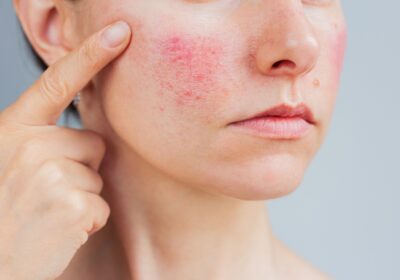
This condition is known as cold urticaria. According to Dr. Purvi Parikh, it isn’t an allergy to the cold itself, but rather a reaction where cold temperatures can act as a trigger. When the skin is exposed, the body releases histamine, leading to hives, itching, and swelling.
Symptoms usually appear shortly after exposure and can range from mild irritation to more noticeable discomfort. Cold urticaria can be triggered by everyday situations such as cold weather, swimming in cold water, or drinking cold beverages. While most reactions stay limited to the skin, Dr. Parikh notes that, in rare cases, symptoms can become more severe. Signs such as dizziness, wheezing, vomiting, or swelling of the throat or tongue require immediate medical attention, as these may indicate anaphylaxis. In these situations, carrying an epinephrine auto-injector is an important safety measure.
In the past, allergists often confirmed the condition using an ice cube test, where ice was placed directly on the skin to observe a reaction. Today, diagnosis is typically based on a person’s medical history and reported symptoms.
More Than Just an Allergy
In most cases, the cause of cold urticaria is not clearly understood. While there are rare situations in which it may be associated with autoimmune conditions, infections, or other immune-related abnormalities, most people who experience it are otherwise healthy. That uncertainty can make the condition feel confusing, especially when symptoms seem to appear out of nowhere. The good news is that cold urticaria is rare, affecting only about 0.05 percent of people.
For many individuals, cold urticaria is manageable and does not need to be a source of constant worry. Doctors often recommend simple, practical steps such as limiting cold exposure when possible and staying warm, particularly during colder months. Since avoiding the cold entirely is not always realistic, especially in everyday routines, some people may need medications to help control symptoms and prevent flare-ups.
Everyday Encounters That Trigger a Reaction
According to Dr. Parikh, learning to recognize personal triggers can make a meaningful difference. Paying attention to when symptoms tend to appear allows individuals to plan ahead and take precautions before discomfort sets in. Over time, this awareness can help people feel more in control of their condition.
Understanding how the body responds to cold makes it easier to spot symptoms early and respond thoughtfully. While cold urticaria may come as an unexpected diagnosis, a bit of knowledge and the right management approach can go a long way in helping people stay comfortable and confident, even when temperatures drop.
Staying Comfortable with Confidence
With awareness and preparation, cold urticaria doesn’t have to limit daily life. Simple steps, combined with professional guidance, let people move through the winter months with confidence and keep reactions under control.
For more information, visit Purvi Parikh, MD, FACP, FACAAI's social media: