








Unwanted hair removal has evolved far beyond temporary fixes like shaving and waxing. Two methods now dominate the permanent solution space: laser technology and electrolysis. Each delivers different results for different people. Electrolysis works universally across all hair colors and skin types, while laser excels at covering larger areas quickly. Choosing the right method depends on your specific hair type, skin tone, and treatment goals. Your decision shapes both timeline and final results.
What do "long-term" and "permanent" really mean for hair removal?
Hair removal terminology creates confusion because marketing language differs from medical reality. The FDA distinguishes between permanent hair removal and permanent hair reduction—a distinction that changes everything about your treatment expectations.
Permanent hair removal means treated follicles never produce hair again. Only electrolysis achieves this standard, destroying individual follicles completely through electrical current. Once properly treated, these follicles remain inactive forever.
Permanent hair reduction significantly decreases hair density and growth rate. Laser treatments fall into this category, damaging follicles enough to slow regrowth substantially. Most clients see 80–90% reduction, but some follicles eventually recover function.
Location matters: Facial areas respond to hormonal changes and often contain fine, light hair that resists laser treatment. Electrolysis for facial hair handles these challenging cases more effectively. Body areas typically show more predictable outcomes with less hormonal influence affecting regrowth patterns.
Hormones complicate any permanent solution. Pregnancy, menopause, PCOS, and medications can activate dormant follicles or create new hair growth, explaining why some people need touch-up treatments years later regardless of their chosen method.
How Does Your Hair Growth Cycle Shape the Best Treatment Plan?
Hair follicles operate on individual schedules, which explains why permanent hair removal takes multiple sessions regardless of the method you choose. Every follicle cycles through three distinct phases, but they don't sync up like a choreographed dance.
The Three-Phase Cycle
- Anagen (Growth Phase) – Active hair production lasting weeks to years depending on location. Only follicles in this phase respond effectively to both laser and electrolysis treatments.
- Catagen (Transition Phase) – A brief 2–3 week period where follicles shrink and disconnect from their blood supply. Treatments show limited effectiveness during this phase.
- Telogen (Resting Phase) – The follicle stays dormant for months before shedding hair and restarting the cycle. Neither laser nor electrolysis can effectively target dormant follicles.
Why Multiple Sessions Are Inevitable
At any given time, roughly 85% of follicles are actively growing, 3% are transitioning, and 12% rest dormantly. Each treatment session can only address the active follicles present that day.
Consistency beats intensity. Regular spacing (typically 4–8 weeks apart) ensures you catch dormant follicles as they enter their active phases. This biological reality shapes realistic timelines because follicles follow their own internal clocks, not your schedule.
Which methods truly qualify as long-term solutions today?

The hair removal landscape divides into three distinct categories based on how long results actually last. Most people spend years cycling through temporary fixes before discovering the permanent options that could have saved time and money from the start.
- Temporary Solutions (Days to Weeks) – Shaving, waxing, threading, and depilatory creams remove visible hair but leave follicles intact. Hair regrows within days or weeks, creating an endless maintenance cycle.
- Permanent Reduction (Months to Years) – Laser and IPL treatments damage follicles enough to slow regrowth significantly. Most people see 80–90% reduction that lasts 6–24 months before touch-ups become necessary.
- Permanent Removal (Lifetime) – Electrolysis destroys individual follicles completely through electrical current. Once properly treated, those specific follicles never produce hair again.
The Trade-Off Reality
Speed versus precision creates the biggest decision point. Laser covers large areas quickly but works best on dark hair against light skin. Electrolysis handles any hair color on any skin tone but addresses one follicle at a time.
Your hair and skin combination determines which methods will actually work for you. Light, fine, or gray hair responds poorly to laser energy, while electrolysis treats these challenging hairs with identical effectiveness.
When is electrolysis the smarter choice for lasting results?
Electrolysis becomes the logical solution when other methods fail or when precision matters more than speed. This method targets every hair type and skin combination without exception, making it particularly valuable for challenging cases that laser cannot handle effectively.
Hair color creates no barriers with electrolysis. White, gray, blonde, red, and fine vellus hairs respond identically to coarse, dark ones. The electrical current destroys follicles regardless of melanin content, unlike laser treatments that depend on pigment contrast.
Electrolysis excels in specific situations:
- Facial hair removal around eyebrows, upper lip, and chin where precision prevents over-treatment
- Light or colorless hair that laser energy cannot detect
- Previous laser treatments that missed blonde or gray regrowth
- Small, defined areas requiring exact shaping
- Touch-up work after other treatments
Hormonal influences make electrolysis particularly relevant for facial hair. PCOS, menopause, and medications trigger new hair growth that often appears light or fine initially. These hormonally-driven hairs frequently resist laser treatment but respond completely to electrolysis.
The method also handles ingrown hair situations effectively by removing problematic follicles permanently, eliminating the source of recurring bumps and irritation. For final cleanup after laser treatments, electrolysis addresses the remaining 10–20% of hair that typically includes lighter colors and finer textures.
Where does laser hair removal shine—and where does it fall short?
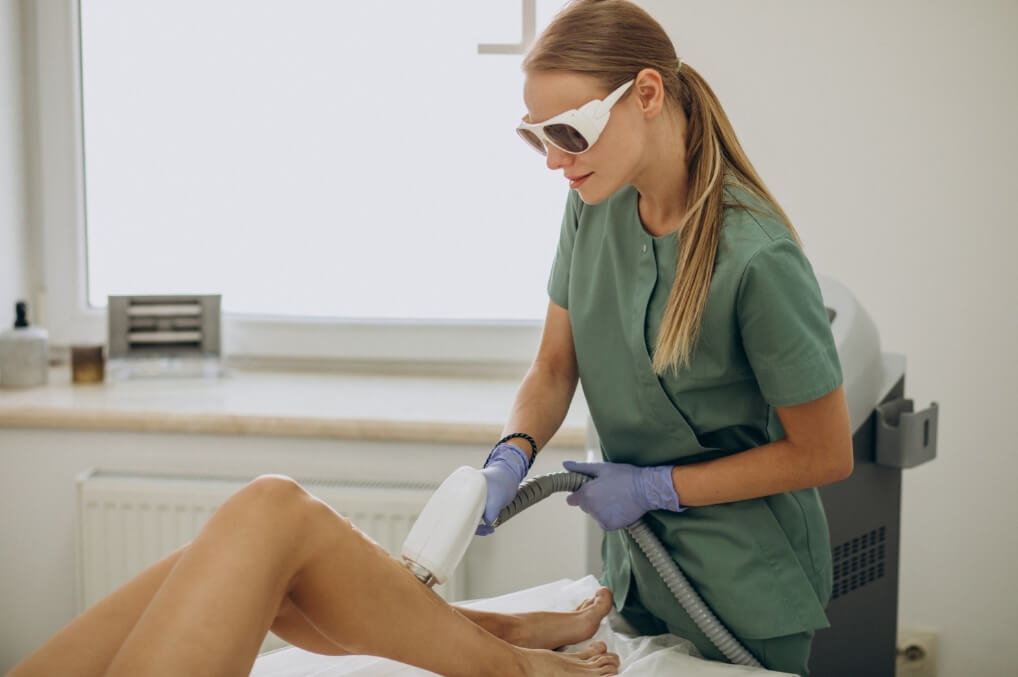
Laser hair removal transforms large body areas faster than any other permanent method. A full leg treatment takes about an hour, while both underarms finish in minutes. This speed advantage makes laser the practical choice for extensive body coverage.
The technology works by targeting melanin in hair follicles. Dark, coarse hair absorbs laser energy most effectively, converting light into heat that damages the follicle's ability to produce new growth. Recent advances have expanded treatment options for medium and some darker skin tones, though the contrast between hair and skin still determines success rates.
✅ Laser performs best when you have:
- Dark, thick hair on lighter skin
- Large areas like legs, back, or chest to treat
- Consistent hair color throughout the treatment zone
- Patience for gradual reduction over several sessions
- Tolerance for periodic maintenance treatments
❗ Limitations become apparent with:
- Light, fine, or gray hair that lacks sufficient melanin
- Very dark skin where lasers struggle to distinguish hair from skin
- Hormonal hair growth that often returns despite treatments
- Small precision areas where over-treatment risks skin damage
Most people achieve 80–90% reduction after a complete treatment series. Hair that remains tends to grow back finer and lighter. However, this isn't permanent removal. Damaged follicles can recover function over months or years, especially when hormones shift during pregnancy, menopause, or medication changes.
Laser often serves as an excellent first step, handling the bulk of coarse, dark hair efficiently. Many people then switch to electrolysis for finishing work on remaining light or stubborn hairs.
What's the best path if you're dealing with facial hair, PCOS, ingrowns, or transitioning?
Different hair challenges require different strategies. Facial hair behaves unpredictably due to hormones and often includes mixed colors that respond differently to treatments. PCOS creates persistent regrowth patterns that frustrate many people who try temporary solutions first.
Chronic ingrown hairs develop when curved hair follicles trap regrowth beneath the skin. Shaving and waxing worsen this cycle by creating sharp hair edges that pierce skin more easily. Permanent removal eliminates the source entirely.
Gender-affirming hair removal typically combines both methods strategically. Body areas with dark, coarse hair respond well to laser for initial bulk reduction. Facial hair requires more precision and often includes lighter colors that only electrolysis can address effectively.
| Situation | Best Method | Why |
|---|---|---|
| Facial hair (mixed colors) | Electrolysis | Handles blonde, gray, and fine hair equally |
| PCOS-related growth | Electrolysis | Targets hormone-resistant follicles permanently |
| Chronic ingrown hairs | Electrolysis | Removes problematic follicles completely |
| Large body areas first | Laser | Covers extensive areas quickly and efficiently |
| Precision shaping (eyebrows) | Electrolysis | Avoids over-treatment of surrounding areas |
| Post-laser cleanup | Electrolysis | Addresses remaining light or resistant hair |
| Transitioning (face) | Electrolysis | Provides permanent results for facial feminization |
| Transitioning (body) | Laser then electrolysis | Efficient combination for complete coverage |
Medical management of underlying hormonal conditions supports any hair removal method by reducing new growth triggers.
Can combining methods get you smoother, faster?
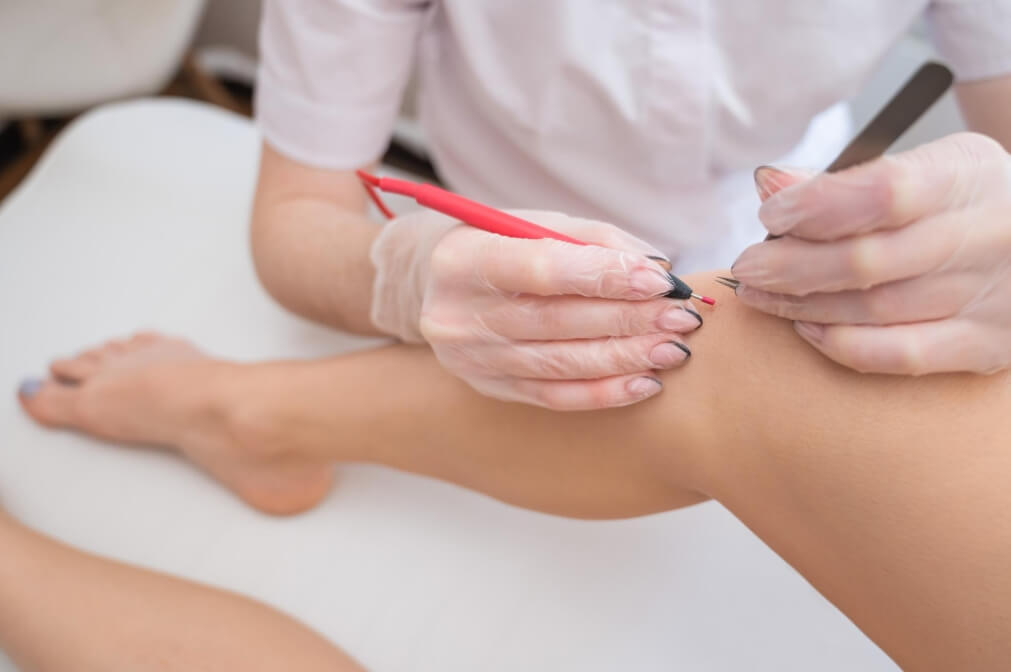
Most successful permanent hair removal stories follow a two-step approach. Laser handles the heavy lifting by targeting dark, coarse hair across large areas efficiently. Electrolysis then finishes the job by addressing everything laser cannot touch—light hair, gray regrowth, fine textures, and precise shaping work.
This sequence makes financial and practical sense. Laser treatments cost less per session and cover ground quickly. After 6–8 laser sessions, most people see 80–90% reduction in their original hair density. The remaining 10–20% typically includes lighter colors, finer textures, and scattered individual hairs that would have taken significantly longer to address with electrolysis alone.
The combination approach works best for people who have:
- Mixed hair colors in the same treatment area
- Large body areas with some fine or light hair mixed in
- Previous laser treatments that left stubborn regrowth
- Budget flexibility to optimize both speed and completeness
- Time for a longer overall treatment timeline
Simple decision flow: Start with laser if you have mostly dark hair on light to medium skin. Switch to electrolysis when laser stops producing noticeable improvements or when precision work around sensitive areas becomes necessary.
Some people skip laser entirely and choose electrolysis from the beginning, especially for facial hair or when they want guaranteed permanent results without any maintenance timeline.
Finding Your Path to Permanent Results
Moving beyond the daily frustration of temporary hair removal changes how you experience your own skin. The difference between permanent reduction and permanent removal might seem subtle on paper, but it transforms your morning routine, your confidence, and your relationship with your body. Whether laser efficiency appeals to you or electrolysis precision matches your needs better, both paths lead away from the endless cycle of temporary fixes. The investment in permanent solutions pays dividends in time, comfort, and peace of mind that lasts decades.