




 Photo Credit: Shutterstock
What plastic surgery or aesthetic trends have you noticed becoming popular because of TikTok or Instagram?
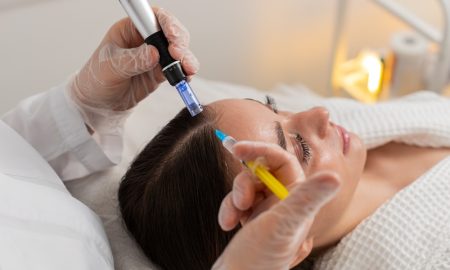
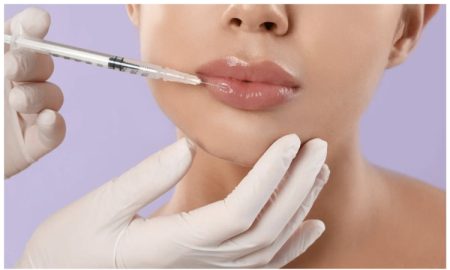
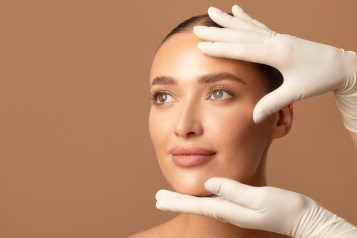
In the field of aesthetic medicine, which includes both surgical and non-surgical options, we’ve seen a clear shift towards more subtle, natural-looking, minimally invasive enhancements. The focus has moved away from exaggerated features and instead emphasized refinement, revision, and balance. Many patients are opting to dissolve overfilled areas and downsize breast implants. Influencers and practitioners alike are promoting high-quality, medical-grade skincare and treatments, such as microneedling, lasers, and HydraFacials, in addition to injectables to enhance skin health and appearance. Minimally invasive options like alloClae are gaining popularity, as they offer incredible results with reduced downtime, further supporting the trend of achieving aesthetic goals in a holistic and harmonious manner.
How does social media shape the way patients talk about their goals or expectations?
Social media has made plastic surgery significantly more transparent, accessible, and normalized. There’s much less stigma or judgment surrounding body-altering procedures, and a noticeable reduction in ‘gatekeeping’ when it comes to information about available treatments. I personally have noticed that my patients, from a wide range of ages, seem more comfortable openly discussing their aesthetic goals, often mentioning inspiration from influencers and celebrities that have shared their experiences and outcomes with treatments. This increase in awareness has stimulated a patient curiosity about different procedures and an ability to ask the right questions to ensure they’re getting adequate care. From a physician’s standpoint, this is all I could ever want for anyone seeking medical care, not just my patients.
We’re also seeing a growing presence of medical professionals on platforms like Instagram and TikTok, using their expertise to educate the public about surgical procedures, aesthetic treatments, skin care, and the growing options of non-invasive options. This has been incredibly valuable for demystifying treatments and helping patients make more informed decisions. However, the downside is that not all content is trustworthy, some harmful or unregulated procedures can also gain traction. That’s why it’s so important for patients to do their own research and to rely on information from medical professionals with the appropriate licensure.
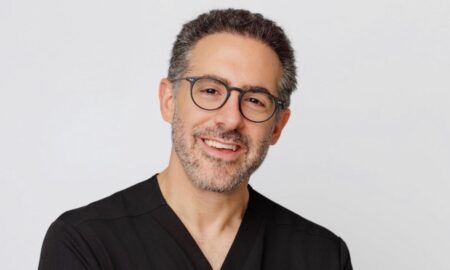
As a board-certified plastic surgeon, I feel a responsibility to use my platform to provide an evidence-based perspective into the field of aesthetic plastic surgery, so that anyone that views my page can become informed, whether they’re interested in undergoing a treatment or not.
How do you see social media continuing to influence the future of plastic surgery trends?
As social media becomes increasingly intertwined with our society, it will continue to influence aesthetic medicine. Trends form and dissipate rapidly, and a single viral post can spark widespread interest in a product or treatment. This can be simultaneously advantageous and concerning. Social media provides a platform for surgeons and clinicians to educate, build rapport, and showcase results and recovery. This type of transparency helps patients feel more informed, but it also emphasizes the need to combat misinformation. As the aesthetics industry evolves, we’re likely to see an even stronger integration of social media in patient education, marketing, and the setting of aesthetic standards.
Do you think TikTok trends will have lasting effects, or are they more of a short-term influence?
It’s a bit of both; some TikTok-driven trends are clearly short-term, certain ‘looks’ or procedures gain quick popularity but fade just as fast. However, the long-term impact of TikTok and similar social media platforms is much deeper. These trends are changing how people view aesthetic procedures altogether, making them more mainstream, accessible, and normalized, especially among younger demographics. Preventative treatments and early interventions are starting younger, largely due to the visibility and normalization on social media. Even when specific products, treatments, aesthetic outcomes, and procedures “go out of style”, the influence these platforms have on shaping beauty standards, driving demand, and changing how patients engage with aesthetics will have a lasting effect.
For more information, visit Sachin Shridharani, MD, FACS's social media: