





 Photo Credit: Shutterstock
Beauty trends often evolve quickly, but every once in a while a breakthrough emerges that shifts the entire conversation. In recent years, the focus of skincare has moved from surface-level correction to deeper biological repair. Instead of simply masking wrinkles or dryness, modern treatments aim to activate the skin’s natural ability to heal and regenerate.
One of the newest treatments attracting attention in the aesthetic world is exosome therapy. This advanced approach is being explored for both skin rejuvenation and hair restoration, positioning itself as part of the growing field of regenerative beauty. The therapy focuses on cellular communication and tissue repair, offering a science-driven method that goes beyond traditional cosmetic treatments.
What Exosome Therapy Actually Is
Exosome therapy is based on tiny biological structures known as exosomes. These microscopic vesicles are released by cells and function as messengers that carry proteins, RNA, and other molecules between cells. Their role in the body is to help regulate inflammation, stimulate cell renewal, and support tissue repair.
In aesthetic medicine, these cellular messengers are used to encourage natural regeneration in the skin or scalp. When introduced to targeted areas, exosomes signal surrounding cells to repair damage and stimulate healthy tissue activity.
Unlike traditional cosmetic treatments that primarily affect the skin’s surface, exosome therapy focuses on deeper biological processes. The treatment works by encouraging the body’s natural systems to rebuild collagen, improve cellular function, and enhance overall skin quality.
Why Exosomes Are Becoming Popular in Skincare
The popularity of exosome therapy reflects a larger shift toward regenerative skincare. Consumers are increasingly interested in treatments that work with the body’s natural biology rather than overriding it.
Exosomes contain powerful growth factors, proteins, and genetic material that influence how cells behave. These molecules can trigger collagen production, reduce inflammation, and accelerate the healing process in damaged skin tissue.
Because of this regenerative potential, exosomes are often described as a communication network within the body. When these signals are delivered to skin cells, they can stimulate repair mechanisms that gradually improve texture, elasticity, and hydration.
This approach aligns with the growing preference for treatments that enhance long-term skin health instead of providing only temporary cosmetic effects.
How Exosome Therapy Works for Skin
In dermatology and aesthetic clinics, exosome therapy is typically used to improve signs of aging, uneven skin tone, and skin damage. The treatment can be applied through microneedling, topical application, or targeted injections depending on the procedure.
Once delivered to the skin, exosomes activate cellular signaling pathways that encourage tissue repair and regeneration. These signals can stimulate collagen and elastin production, which are essential proteins responsible for skin firmness and elasticity.
As collagen production increases, the skin may gradually appear smoother, brighter, and more resilient. Some treatments also aim to reduce inflammation and accelerate recovery after procedures such as laser therapy or microneedling.
Because the therapy works with the body’s own repair systems, improvements typically develop gradually over several weeks rather than immediately.
Potential Benefits for Hair and Scalp Health
Exosome therapy is also gaining attention for its potential role in hair restoration. Hair follicles rely on healthy cellular activity to maintain growth cycles. When this process slows down due to stress, ageing, or inflammation, hair thinning and shedding may occur.
Exosomes can help stimulate dormant follicles and improve scalp health by delivering growth factors and regenerative signals to hair-producing cells. These signals may encourage stronger follicle activity and support healthier hair growth over time.
Some patients seek exosome therapy when experiencing early-stage hair thinning or reduced hair density. While results vary between individuals, the treatment is being studied as a possible alternative or complement to other hair restoration techniques.
What the Treatment Process Looks Like
Exosome therapy is usually performed as a minimally invasive procedure in a clinical setting. The treatment often involves several steps.
First, exosomes are collected and purified in specialized laboratories. These vesicles are typically derived from stem cells or other biological sources that support regenerative activity.
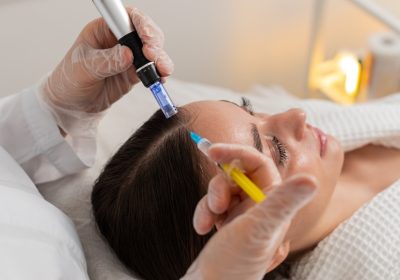
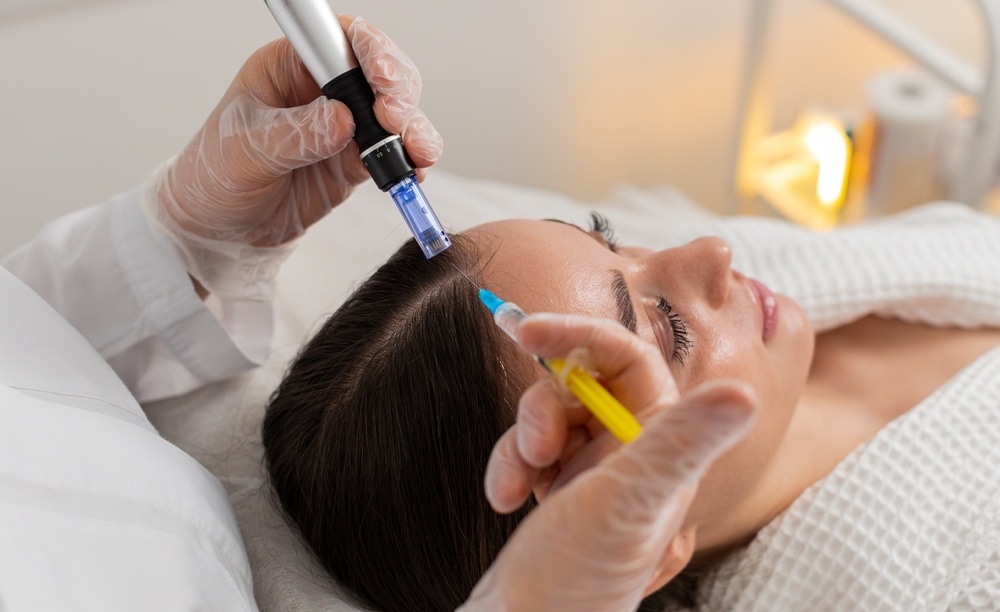
Next, the exosomes are introduced to the treatment area. In skin procedures, they may be delivered through microneedling, which creates tiny channels that allow the regenerative molecules to penetrate deeper layers of the skin.
For hair treatments, exosomes may be injected or applied to the scalp to target areas experiencing thinning or reduced growth.
Because the procedure is non-surgical, downtime is usually minimal. Some patients may experience temporary redness or mild swelling after treatment, but these effects generally fade quickly.
The Science Is Promising but Still Developing
Although exosome therapy has generated significant excitement in the beauty industry, it remains an emerging treatment. Research is ongoing to better understand its long-term safety, effectiveness, and ideal applications.
Scientists and dermatology experts note that results can vary depending on factors such as age, genetics, lifestyle, and overall skin health. While early studies suggest regenerative benefits, more clinical data is still needed to establish standardized treatment protocols.
Because of these uncertainties, many professionals emphasize that exosome therapy should be performed by trained medical practitioners using regulated materials and carefully evaluated treatment plans.
The Future of Regenerative Beauty
Exosome therapy represents a broader shift toward regenerative aesthetics. Instead of focusing solely on cosmetic corrections, the new direction in skincare aims to restore biological balance and strengthen the skin’s natural repair systems.
As research continues, treatments based on cellular communication may become more refined and widely available. Exosomes are only one part of a growing field that includes stem-cell therapies, growth factors, and other regenerative technologies designed to improve skin and hair health at the cellular level.
For individuals interested in science-backed beauty innovations, exosome therapy offers a glimpse into what the future of skincare may look like. Rather than chasing quick fixes, the next generation of treatments is focusing on long-term regeneration, healthier skin, and more natural results.