





 Photo Credit: Shutterstock
In 2026, facial aesthetics are increasingly defined by refinement, restraint, and precision. Today’s patients are seeking results that feel authentic to their identity rather than dramatically altered. According to Sachin M. Shridharani, MD, FACS, founder of LUXURGERY, the modern approach to facial surgery centers on subtle, highly individualized enhancements that restore harmony while preserving what makes each face unique. Through advanced surgical techniques and a personalized treatment philosophy, Dr. Shridharani focuses on outcomes that appear effortless and undetectable.
1. In recent years, there has been a noticeable shift toward more subtle and natural-looking results in facial surgery. What is driving this trend in 2026?
One of the most notable shifts in aesthetic medicine over the past decade is the growing desire for subtlety. Patients today are less interested in dramatic transformations and more focused on looking refreshed, rested, and like the best version of themselves. Much of this shift is driven by a greater cultural emphasis on authenticity. People want to maintain their individuality while addressing the natural effects of aging.
Another factor is the increased sophistication of today’s patient. With access to information, social media, and educational resources, individuals are more aware of what modern aesthetic procedures can achieve. They recognize that the most successful outcomes are those that appear natural and harmonious rather than obviously surgical. As a result, consultations often center around preservation of facial identity and subtle rejuvenation.
In 2026, this philosophy aligns perfectly with advances in surgical technique. Plastic surgeons now have the ability to refine specific areas of the face with remarkable precision. Rather than a one-size-fits-all approach, procedures are designed to restore structural support and balance, producing results that enhance a patient’s appearance without making it clear that surgery has taken place.
2. When people hear the term “precision facial surgery,” what does it actually mean in practice?
Precision facial surgery refers to a highly strategic and detail-oriented approach to facial rejuvenation. Instead of broadly altering the face, the surgeon carefully evaluates facial structure, skin quality, volume distribution, and dynamic movement to determine exactly where intervention will have the greatest impact. The goal is targeted improvement that respects the natural anatomy.
In practice, this often means working with smaller, more refined adjustments rather than dramatic repositioning. Subtle lifting of deeper facial layers, restoration of structural support, or delicate contouring of certain areas can dramatically improve overall facial harmony without changing the essence of a patient’s features. The artistry lies in knowing what to adjust and, equally important, what to leave untouched.
Precision also involves a deep understanding of facial balance. The face functions as a cohesive unit, so improving one area often requires considering how it interacts with surrounding structures. By focusing on proportional refinement rather than isolated changes, surgeons can achieve results that feel seamless and natural.
3. How have surgical techniques or technologies evolved to allow for more refined, undetectable outcomes?
Advancements in surgical techniques have significantly improved the ability to produce subtle, natural outcomes. Modern facial procedures increasingly focus on the deeper structural layers of the face rather than simply tightening the skin. By repositioning underlying tissues, surgeons can restore youthful contours in a way that looks organic and long-lasting.
Technology has also played a major role in refining results. High-definition imaging, three-dimensional analysis, and improved surgical instruments allow surgeons to plan procedures with greater accuracy. These tools provide a clearer understanding of facial anatomy and enable surgeons to tailor each procedure to the individual patient’s needs.
Additionally, improved recovery protocols and minimally invasive approaches have made procedures more approachable for patients. Smaller incisions, refined suturing techniques, and enhanced postoperative care all contribute to smoother healing and outcomes that appear completely natural once recovery is complete.
4. What role does customization play when planning a precision-focused facial procedure?
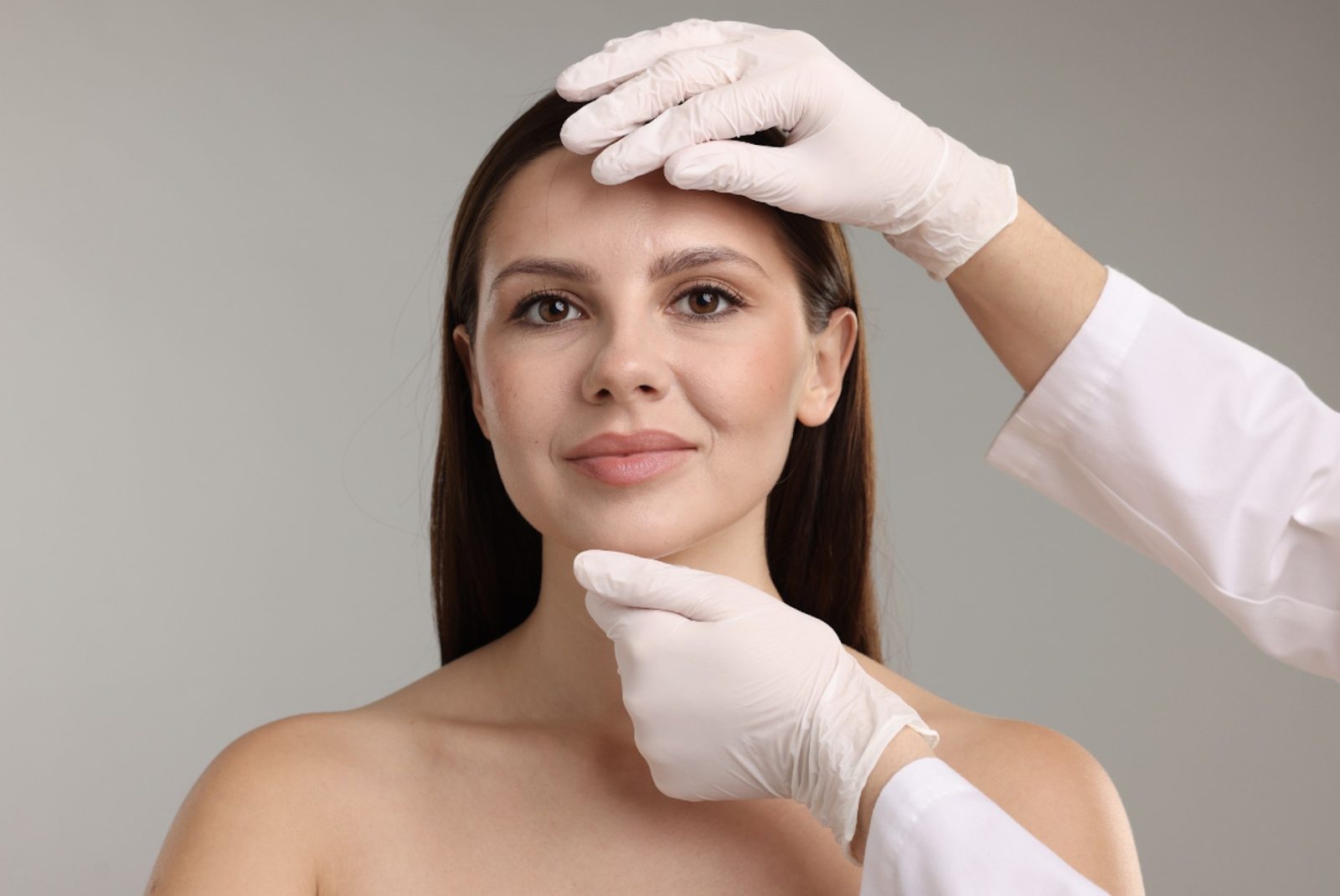 Photo Credit: Shutterstock
Customization is central to precision facial surgery. Every face has its own structure, proportions, and aging patterns, which means there is no single solution that works for everyone. A successful surgical plan begins with a comprehensive evaluation of the patient’s anatomy, lifestyle, and aesthetic goals.
During consultation, surgeons analyze multiple aspects of facial balance, including bone structure, skin elasticity, volume distribution, and muscle activity. This allows them to identify the specific factors contributing to a patient’s concerns and develop a treatment plan that addresses those elements in a strategic way.
Customization also ensures that results align with a patient’s personality and lifestyle. Some individuals prefer very subtle refinements, while others may be comfortable with more noticeable rejuvenation. By tailoring the approach to the individual, surgeons can create results that feel authentic and appropriate for each patient.
5. For patients considering facial surgery for the first time, what should they know about achieving natural-looking results?
First-time patients often worry about looking “overdone,” but modern facial surgery is designed to avoid exactly that outcome. The most important factor in achieving natural-looking results is selecting a surgeon who prioritizes facial harmony and individualized planning. A thoughtful approach will focus on enhancing what already works rather than dramatically altering a person’s features.
Patients should also understand that subtlety often requires a comprehensive perspective. Instead of focusing on one isolated concern, surgeons evaluate how different areas of the face contribute to the overall appearance. Addressing structural support, volume, and skin quality together can create a more balanced and natural result.
Finally, open communication during the consultation process is key. Patients should feel comfortable discussing their goals, lifestyle, and expectations. When both patient and surgeon share a clear vision of the desired outcome, the final result is far more likely to look effortless and authentic.
6. How do surgical treatments complement non-surgical options like injectables, skin tightening, or laser treatments in a modern facial rejuvenation plan?
Modern facial rejuvenation rarely relies on a single treatment. Instead, it often combines surgical procedures with non-surgical therapies to achieve comprehensive results. Surgery can address structural concerns such as tissue descent or excess skin, while non-surgical treatments enhance skin quality and maintain results over time.
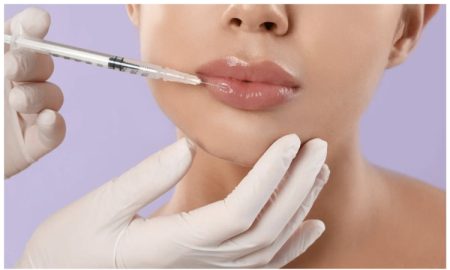
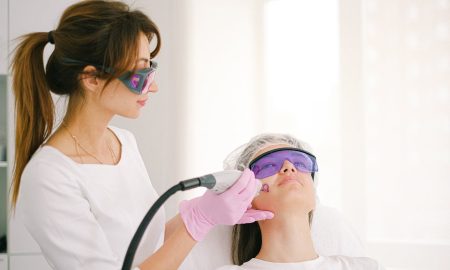
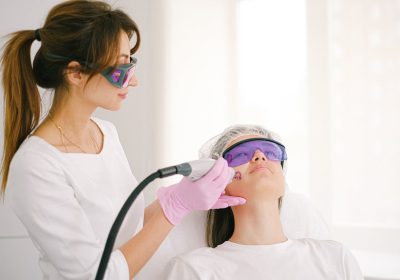
Injectables, for example, can restore volume in areas where aging has created subtle hollowing, while neuromodulators soften dynamic expression lines. Laser treatments and energy-based devices can improve skin tone, texture, and collagen production, creating a smoother and more radiant complexion.
When used together, these treatments create a layered approach to facial rejuvenation. Surgery provides the structural foundation, while non-surgical options refine the surface and maintain long-term results. This integrated strategy allows patients to achieve outcomes that look both natural and refreshed.
7. Looking ahead, how do you see precision facial surgery continuing to evolve in the next few years?
Over the next several years, precision facial surgery will likely continue moving toward increasingly individualized treatment strategies. Advances in imaging, data analysis, and surgical planning will give surgeons even more insight into how subtle adjustments can create meaningful improvements in facial harmony.
We are also likely to see further integration between surgical and non-surgical technologies. As regenerative medicine, energy-based devices, and skin therapies evolve, surgeons will be able to combine these innovations with traditional procedures to produce even more refined outcomes.
Ultimately, the future of facial aesthetics will continue to prioritize authenticity. Patients want to look refreshed, confident, and natural, not transformed into someone else. Precision facial surgery is uniquely positioned to meet that demand by combining technical expertise with a deep appreciation for the individuality of every face.
For more information, visit Sachin Shridharani, MD, FACS's social media: