





 Photo Credit: Pexels
The beauty industry is experiencing a profound shift in how it approaches skin health. Instead of chasing quick fixes or surface-level results, a new philosophy is gaining momentum, one that focuses on supporting the skin’s natural ability to repair itself. This movement is known as regenerative skincare, and it represents one of the most significant evolutions in modern beauty science.
For decades, skincare routines revolved around correcting visible concerns like wrinkles, pigmentation, or dryness once they appeared. Today’s approach, however, looks deeper. Regenerative skincare works at the cellular level to encourage the skin to behave like healthier, younger skin by strengthening its natural repair systems. Dermatologists describe it as a proactive approach that stimulates the skin’s own biological renewal processes rather than masking problems temporarily.
The result is a long-term strategy focused on resilience, longevity, and overall skin vitality rather than short-term cosmetic improvement.
Regenerative skincare centers on the idea that the skin already possesses remarkable healing capabilities. Every day, cells regenerate, collagen and elastin are produced, and the barrier repairs damage caused by environmental stressors. Over time, however, these processes slow down, leading to common signs of aging such as fine lines, dullness, and loss of elasticity. Regenerative formulas aim to reactivate these biological mechanisms, helping skin maintain its structure and strength for longer.
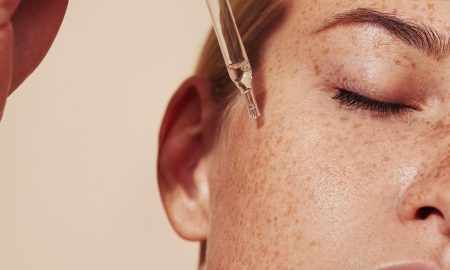
At the heart of this movement are advanced ingredients inspired by biotechnology and dermatological research. Among the most talked-about are peptides, growth factors, exosomes, and PDRN, compounds designed to communicate with skin cells and encourage regeneration.
Peptides, for instance, are small chains of amino acids that act as messengers within the skin. They signal cells to produce more collagen and elastin, two essential proteins responsible for firmness and elasticity. As collagen production increases, the skin appears smoother, stronger, and more youthful.
Growth factors play a similar role but operate on a broader scale. These naturally occurring proteins stimulate cell turnover and tissue repair, improving hydration, skin texture, and overall tone. Dermatologists often recommend them for people experiencing early signs of aging or weakened skin barriers, especially after cosmetic procedures when the skin needs support to heal.
Exosomes represent one of the most exciting frontiers in regenerative skincare. These microscopic messengers are released by cells and carry proteins, lipids, and genetic signals that help cells communicate with one another. When applied in skincare treatments, exosomes can encourage collagen production, reduce inflammation, and enhance healing processes, making them particularly valuable in post-procedure recovery and skin rejuvenation therapies.
Another emerging ingredient is PDRN, a compound derived from salmon DNA that has gained attention for its ability to support wound healing and reduce inflammation in the skin. When incorporated into skincare products, it helps accelerate cellular repair and improve skin resilience.
Together, these ingredients represent a new generation of skincare that works with the skin’s biology rather than against it.
Interestingly, the philosophy behind regenerative skincare is not entirely new. Many of its principles originated in Korean beauty culture, where preventative skincare has long been a central focus. Korean routines have traditionally emphasized maintaining the skin barrier, stimulating collagen production early, and protecting the skin from environmental stress before visible damage appears. Western skincare brands are now adopting these strategies and integrating them with cutting-edge biotechnology to create more advanced formulations.
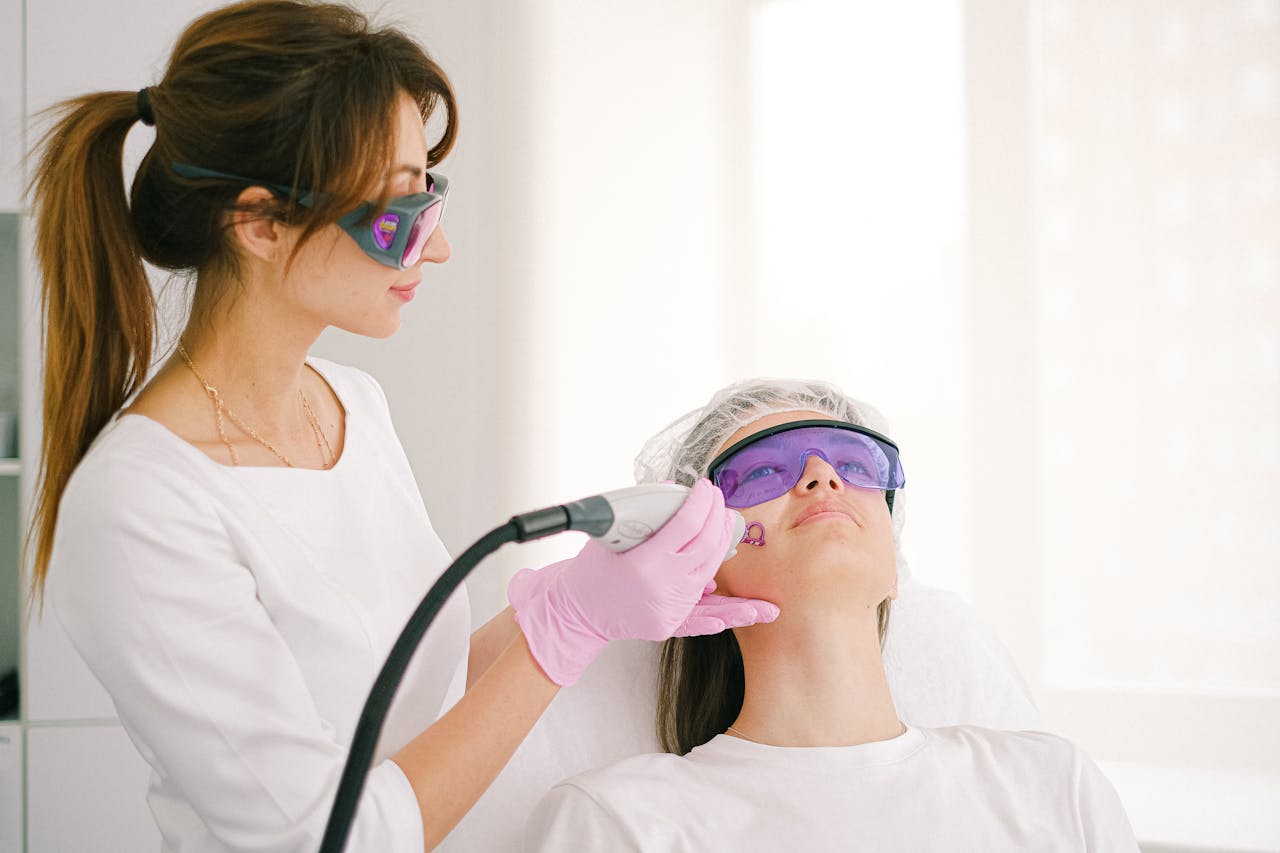
Another reason regenerative skincare is gaining popularity is its compatibility with sensitive skin. Because these products focus on supporting natural repair processes rather than aggressively exfoliating or resurfacing the skin, they often produce fewer side effects such as irritation or inflammation. This makes them suitable for people recovering from aesthetic treatments like laser therapy, microneedling, or chemical peels.
In many ways, regenerative skincare aligns with a broader shift in the beauty industry toward longevity and wellness. Consumers are increasingly interested in products that promote long-term skin health rather than dramatic overnight transformations. The goal is not simply to erase wrinkles but to maintain strong, resilient skin that ages gradually and naturally.
Experts also suggest that starting regenerative skincare earlier can yield better long-term results. Many dermatologists recommend incorporating regenerative ingredients in the late twenties or early thirties, when collagen production begins to decline. By supporting the skin’s repair mechanisms before significant damage occurs, it becomes possible to maintain smoother, firmer skin over time.
Another important aspect of regenerative skincare is its holistic approach. Instead of relying on a single ingredient to fix one problem, many formulations combine multiple actives that support different aspects of skin health simultaneously. Barrier repair, collagen stimulation, antioxidant protection, and inflammation reduction all work together to create stronger, healthier skin.
This multi-layered strategy reflects a deeper understanding of how skin functions as a biological system. Healthy skin depends on many interconnected processes, from cellular energy production to immune responses and barrier integrity. Regenerative skincare seeks to support all of these systems rather than targeting one symptom at a time.
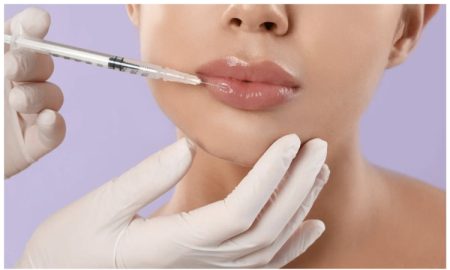
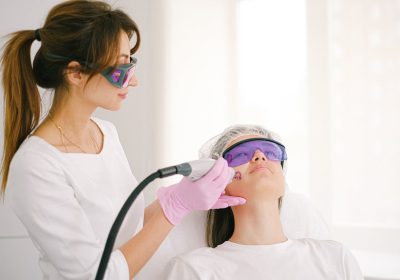
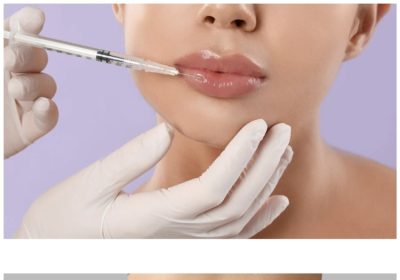
Beyond topical products, regenerative science is also influencing in-clinic treatments. Dermatologists are increasingly using regenerative technologies such as microneedling combined with growth factors, exosome therapies, and biostimulatory injectables designed to stimulate collagen production. These procedures complement at-home skincare routines and help accelerate the skin’s natural renewal cycles.
Looking ahead, regenerative skincare is expected to become even more sophisticated as biotechnology advances. Researchers are exploring innovations like stem-cell-derived ingredients, epigenetic complexes, and personalized skincare formulations tailored to an individual’s unique biology.
The future of beauty may revolve less around correcting aging and more around preserving skin health at the cellular level.
Ultimately, regenerative skincare represents a fundamental shift in how we think about beauty. Instead of treating aging as a problem to fix, it focuses on strengthening the skin’s natural abilities so it can remain vibrant and resilient for longer. By combining scientific innovation with a preventative mindset, this new generation of skincare promises results that are not only visible but deeply rooted in the skin’s own biology.