





 Photo Credit: Shutterstock
Dorien I. Schonebaum, MD, MSc; Sanjana Challa, BSc; Samuel J Lin, MD, FACS
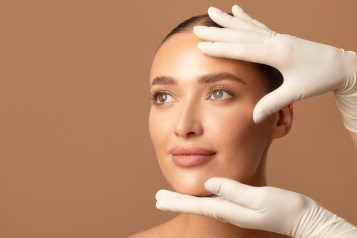
Many people perceive youth as the ultimate ideal of beauty. Strong, wrinkle-free skin is something many people, particularly women, chase. Aging prevention, also referred to as prejuvenation, is part of a currently observed trend where people start non-invasive anti-aging procedures much earlier in life, even in their 20s. Many skin-care products and procedures are advertised as effective in preventing aging, but what actually works to rejuvenate the skin and prevent signs of aging?
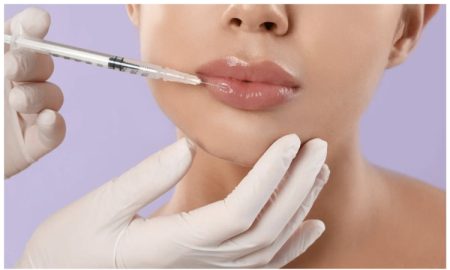
The most compelling of these treatments are neuromodulators, fillers, facelifts, and sun protection, including retinol and SPF. Botulinum toxin, which is a neuromodulator used in injections, is effective in preventing wrinkles. Common areas to inject botulinum toxin are the forehead, in between the eyebrows, and in the crows’ feet area. Results are temporary, lasting around 3-6 months, so repeat injections are necessary. Hyaluronic acid fillers can be used to add volume, smooth wrinkles, and prevent skin folding and sagging. Common areas targeted by filler are the cheeks and temples to replace lost volume and maintain a youthful look. Importantly, filler should be used sparingly as too much filler can make patients appear older. Depending on the location, fillers can last from 1 to 2 years. Both botulinum toxin and fillers can be done in the office and have very little to no downtime. Patients may experience some bruising at the injection sites.
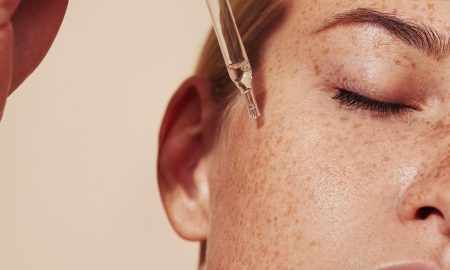
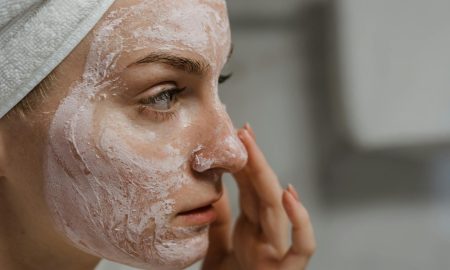
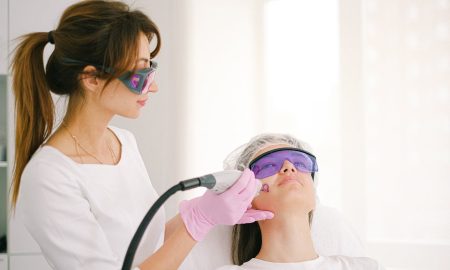
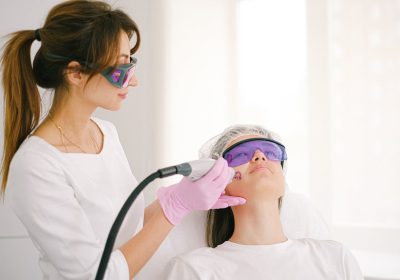
UV damage caused by the sun accounts for as high as 80% of visible facial aging, which is why sun protection is essential to prevent early signs of aging. Using a daily broad-spectrum sunscreen is highly recommended to protect your skin. Additionally, prescription retinoids such as Tretinoin and adapalene are gold standard topical treatments to increase cell turnover, boost collagen, and prevent future wrinkles. Microneedling and laser treatments can also help to reduce visual aging by improving the appearance of texture, fine lines, and hyperpigmentation. Facelifts and necklifts are surgeries that can dramatically alter signs of aging. Ideal candidates for lifts are patients who have true gravity related signs of aging, such as jowls, skin sagging, and neck cords. Adequate skin that is not severely sun-damaged or overfilled with filler leads to better aesthetic outcomes. Additionally, patients should be in good health and non-smokers. Lifts are surgical procedures and are associated with significant downtime. Swelling resolution can take up to 12 weeks, and the final product may take up to 6-12 months to be fully refined. Results are long-lasting and can last up to a decade.
Some emerging treatments in aging prevention include biostimulatory fillers and several regenerative treatments. Biostimulatory fillers go beyond just adding volume and may stimulate collagen production. These fillers provide immediate volume enhancement, but collagen stimulation takes time and repeated administration. Regenerative treatments such as platelet-rich plasma injections, peptides, and exosome treatments hold promise in reversing the signs of aging. These treatments target skin cells, enhance healing, and support skin rejuvenation. We believe these treatments will become more common as they offer effective reversal of aging without the invasiveness of surgical procedures such as face and neck lifts.
Due to the popularity of prejuvenation, it is no longer uncommon for plastic surgeons to treat patients below the age of 30. These patients often request a lower dose of botulinum toxin to prevent early wrinkle formation from developing. The trends that are currently seen are greatly influenced and accelerated by social media. Instagram, TikTok, and other platforms have become the main source of information for Gen Z and many Millennials. Influencers and celebrities dictate the current beauty standards, presenting their extensive skin care routines and discussing prejuvenation treatments. Another factor influencing the emerging trend of prejuvenation was the COVID pandemic, during which young people spent a lot of time on videoconference calls looking at and critiquing themselves. This increased dissatisfaction with their own appearance and sparked a greater interest in skin care, beauty treatment, and aesthetic procedures. To seek more information, many people turned to social media and started following beauty influencers. Due to increasing popularity, these influencers started promoting more products and treatments to their young audiences. This has led to more people opting for cosmetic procedures earlier in life.
Starting with SPF at a young age will definitely help prevent skin damage. SPF prevents sunburn, lowering the risk of skin cancer. Additionally, SPF slows down wrinkle and fine line formation by protecting collagen and elastin in the skin. Within the field of Dermatology and Plastic surgery, there is some debate on whether treatments prevent or treat early wrinkle formation. The first signs of aging may set in as early as 25. If a patient desires treatment to reverse aging, it is advised to start early and continuously return for treatment. The effect of Botox is stronger when wrinkles have not yet settled into the skin. Repeat treatment every 3 to 6 months prevents wrinkles from progressing further. Lifts can reverse more serious signs of aging. Most importantly, the only proven preventative measure is to protect the skin from UV damage by applying SPF daily and hydrating the skin properly. Starting rejuvenating treatments is ultimately up to the patient and should not be influenced by outside forces. The age at which one starts with these treatments varies widely and depends on one’s own aging process and desired results. Patients interested in these procedures should seek consultation with a board certified plastic surgeon.
References
- https://www.aad.org/public/everyday-care/skin-care-secrets/anti-aging/reduce-premature-aging-skin
- https://www.ummhealth.org/simply-well/prejuvenation-preventive-tactics-to-stave-off-signs-of-aging-skin
- https://pmc.ncbi.nlm.nih.gov/articles/PMC12535610/#sec3
- https://doralhw.org/innovations-in-dermatology-in-2025-you-should-know-about/
- https://pubmed.ncbi.nlm.nih.gov/37457443/
- https://www.dermatologytimes.com/view/examining-prejuvenation-trend
- https://www.ncbi.nlm.nih.gov/books/NBK537164/
For more information, visit Dr. Samuel Lin's social media:
Doctor's Talk
January 6, 2026‘Forever 35 Face’ Trend