



 Photo Credit: Shutterstock
As the colder months approach, how do patient goals or priorities typically shift at Luxurgery NYC, and why is winter considered the most strategic time to plan transformative treatments?
As winter approaches, patient priorities shift toward treatments that require structured recovery, particularly those involving lasers or procedures with visible stages of healing. The colder months function as a natural “reset period,” prompting individuals to reflect on their aesthetic goals for the coming year. Increased time spent indoors, holiday scheduling flexibility, and the ability to comfortably wear layered clothing create conditions uniquely suited for recovery-intensive interventions.
This season offers the most uninterrupted window for healing, allowing swelling to subside, tissue remodeling to progress, and results to refine without the pressures of social events or sun exposure. Beginning treatment plans during winter enables patients to emerge in the spring and summer with results that appear both seamless and well-integrated.
What types of procedures or treatments are most often recommended during winter, and how does this timing enhance results or recovery?
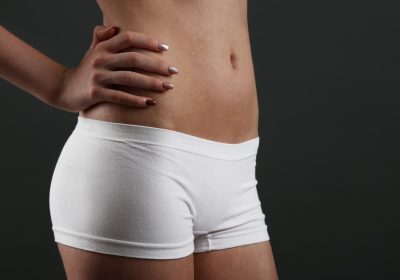
Winter is especially advantageous for procedures that benefit from limited sun exposure and extended recovery periods. Body contouring, such as liposuction and skin tightening with JPlasma/Renuvion, is frequently recommended, as compression garments are easier to conceal under seasonal clothing and patients have several months for postoperative swelling to resolve fully.
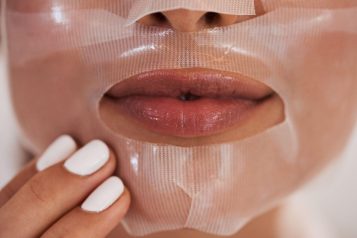
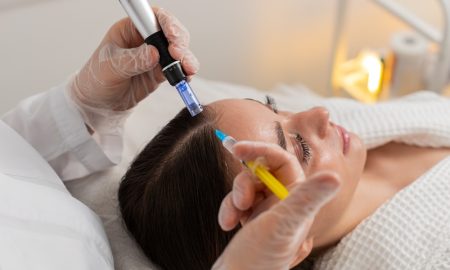
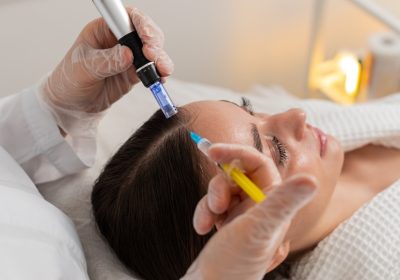
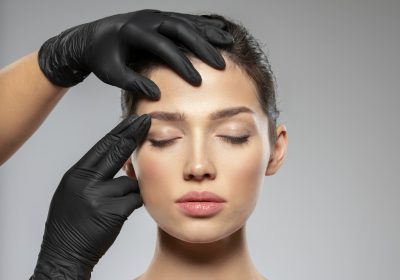
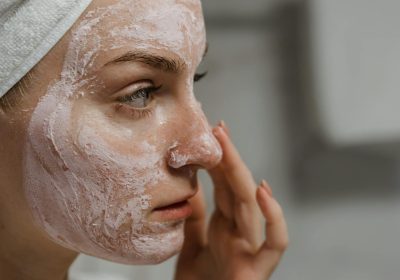
Cutaneous interventions, including laser resurfacing, chemical peels, and microneedling, are particularly well-suited to the winter months; reduced UV exposure lowers the risk of post-inflammatory hyperpigmentation and promotes more uniform healing. Facial and neck procedures are also common during this time, as the season provides a discreet, comfortable recovery environment, allowing bruising and edema to resolve gradually.
How do privacy, layered clothing, and reduced sun exposure contribute to an optimal recovery environment during aesthetic treatments?
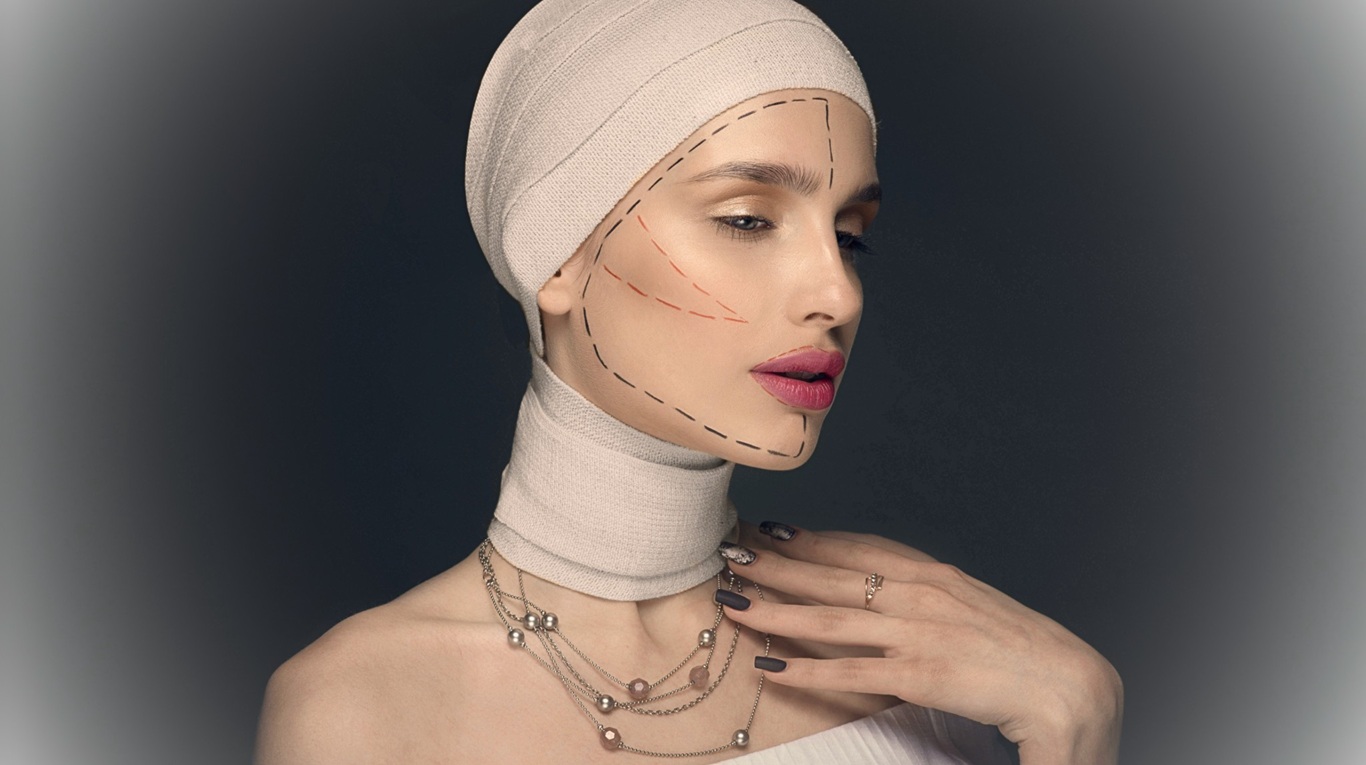
Winter provides a naturally protective framework for postoperative care. Layered clothing, scarves, hats, and high collars allow patients to easily conceal signs of healing, such as swelling, bruising, or the presence of compression garments, while maintaining normal daily activities. Reduced sunlight is especially advantageous for patients undergoing laser-based or resurfacing procedures, as minimizing UV exposure mitigates irritation and pigmentary complications during the critical early phases of skin recovery. Additionally, winter’s slower social pace and increased time spent indoors offer patients greater privacy and rest, creating an environment highly conducive to optimal healing and result stabilization.
What guidance do you offer patients now who hope to achieve refreshed, confident results by spring or summer?
For patients aiming to look refreshed and confident by spring or summer, initiating treatment during the winter is strategically ideal. We advise individuals to use this period as a foundational phase, whether beginning comprehensive skin-rejuvenation protocols, scheduling surgical procedures that require several weeks or months of recovery, or initiating multi-session treatments that build results progressively.
Starting now allows adequate time for postoperative changes to settle, collagen remodeling to occur, and outcomes to evolve naturally. This proactive approach ensures that patients can enjoy refined, harmonious results seamlessly when the warmer months return.
For more information, visit Sachin Shridharani, MD, FACS's social media: