




 Photo Credit: Adobe Firefly
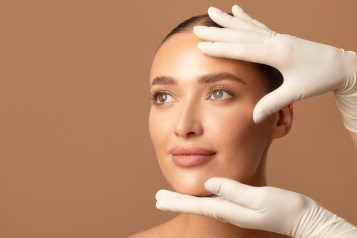
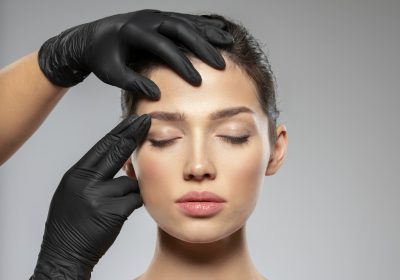
As temperatures drop and the city settles into its winter rhythm, I notice a familiar trend: more patients scheduling facelifts and rhinoplasties. It’s not just a seasonal coincidence, as winter is, in many ways, the most strategic time for facial surgery. Cooler weather, reduced sun exposure, and more built-in downtime create the perfect environment for recovery.
Why Winter Creates the Ideal Conditions for Facial Surgery
After more than two decades and over 4,000 facelifts and 7,500 rhinoplasties, I’ve learned that timing can be nearly as important as technique. When patients ask why so many of my surgeries happen between November and February, I tell them it’s because the conditions are simply better for both healing and discretion. Not only does colder air help reduce swelling and inflammation, but it also leads to a more comfortable recovery.
The lower humidity of winter decreases the risk of infection or irritation, while shorter, darker days minimize UV exposure, one of the biggest threats to post-operative results. Sunlight can darken scars and slow healing, so bundling up in hats and scarves can really work to a patient’s advantage.
The slower pace of the season also allows for privacy and rest, as many patients are already taking time off from work around the holidays. Recovering quietly at home allows them to return to work in the new year looking rested and refreshed, not like they've just had work done.
Why Experience Matters More Than the Season
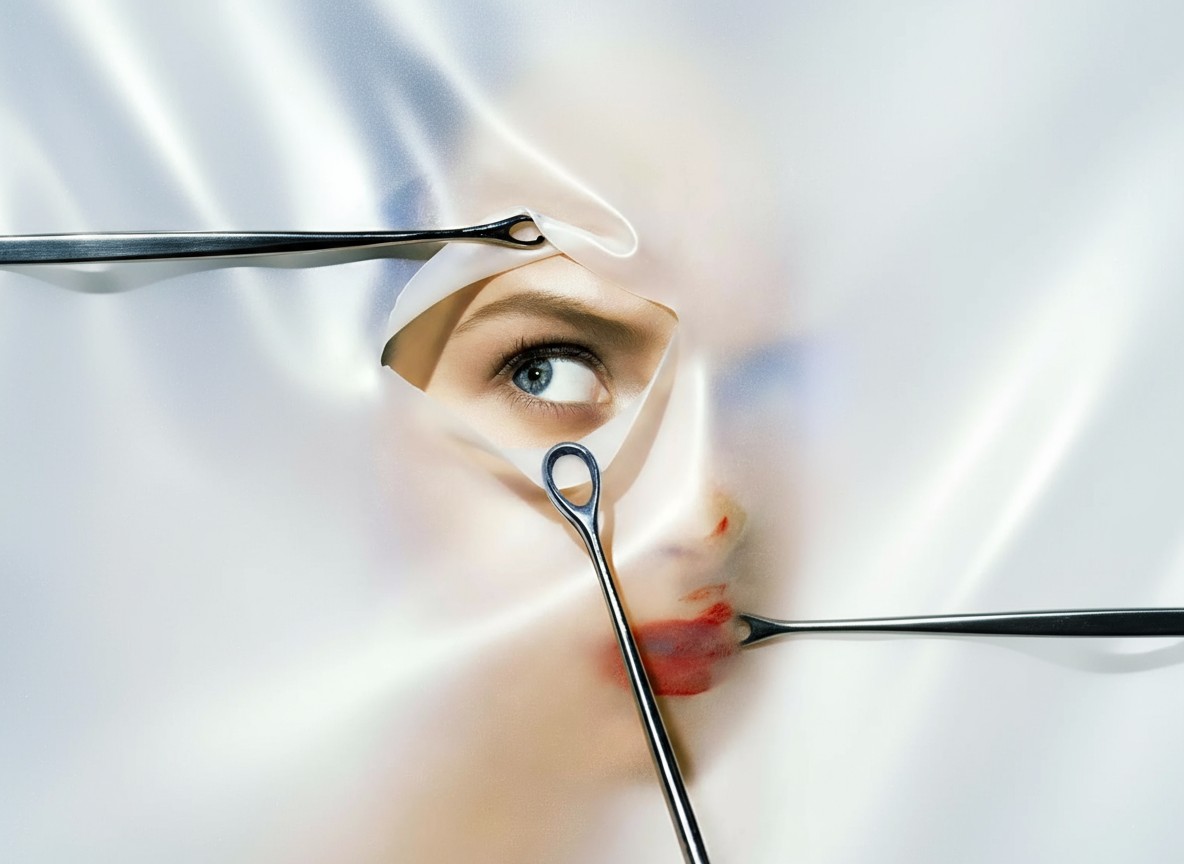
Of course, regardless of the season, the surgeon’s experience is what determines the outcome. Half of my current facelift and rhinoplasty cases are revisions, meaning many patients are coming to me to correct previous surgeries. This statistic really reflects the precision facial surgery demands, and it's true that every millimeter matters.
My goal is always to restore harmony and youthfulness without changing a person’s essence. I believe that facelifts should lift and refine while preserving natural expression, and that rhinoplasties should enhance rather than reinvent.
Who Makes an Ideal Winter Surgery Candidate
To that end, not everyone is a good candidate for surgery. My rejection rate is about 20 percent, or two out of ten patients. There are many reasons for this, including unrealistic expectations and insufficient elasticity. In these cases, I often advise patients to wait or explore non-surgical options.
Surgery should never be rushed, and the best outcomes come when both surgeon and patient are aligned in goals and readiness. But for those who are good candidates, winter really does provide an edge. Cooler air, reduced sun, and fewer social obligations create the ideal environment for recovery.
By the time spring arrives, swelling has subsided, incisions have faded, and results have settled beautifully, allowing patients to step into the new season with confidence.
For more information, visit Dr. Sam Rizk's social media: