







 Photo Credit: Shutterstock
At LUXURGERY, we’ve seen a significant increase in patients seeking breast and body contouring procedures after experiencing rapid weight loss due to GLP-1 receptor agonists (GLP-1RAs). This class of medication has made substantial weight reduction feasible for a wider range of people; many of our GLP-1RA patients had struggled with their weight for decades, despite dedicated efforts in lifestyle and diet to lose weight. Following their substantial weight reduction, these patients are motivated to enhance their transformation with plastic surgery procedures.
Which procedures are most commonly requested by patients after using these medications?
The most frequently requested surgical procedures by our GLP-1RA patients are abdominoplasties (tummy tuck), augmentation mammoplasties (breast augmentation), and mastopexies (breast lift). We’re also performing a growing number of brachioplasties (arm lift), thighplasties (thigh lift), and lower rhytidectomies (neck lift). Many of these patients are asking for these procedures in conjunction to target overall skin laxity or deflation.
A treatment that is quickly growing in popularity here at LUXURGERY is alloClae. This purified, cadaver fat can be injected anywhere. Some GLP-1RA patients want to restore volume to isolated areas, such as their breasts, hip-dips, or buttocks, and they are not good candidates for a fat transfer surgery due to their overall weight loss. AlloClae is the perfect solution for these patients, as it can restore the desired volume in a singular, 30-minute minimally invasive procedure, with immediate, long-term results and no recovery downtime.
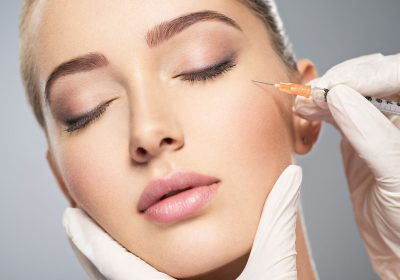
Dermal filler injections are also a commonly requested cosmetic treatment to address any volume loss or hallowing in the cheeks and jawline.
Have you noticed any changes in the types of body or facial concerns patients want to address post-weight loss?
GLP-1RA patients have consistently reported a desire to address skin laxity and isolated volume restoration following weight loss. While these concerns have been consistent, there has been a shift in the options for patients as innovative treatments have become available. Patients can now achieve natural-appearing, minimally invasive, and long-term results with alloClae. There has been a noticeable shift in the field of aesthetics to develop and implement practices and products that will accomplish the desired results, while minimizing the patient’s bodily strain.
Are there timing recommendations for when patients should undergo surgery after completing GLP-1 treatment?
Dr. Sachin M. Shridharani, MD, FACS takes a comprehensive and personalized approach to each patient prior to recommending any treatment – surgical or non-surgical. For GLP-1RA patients, ensuring that they have reached a stable weight and optimal nutritional parameters is crucial to a patient’s clinical outcomes, including safety, healing, and aesthetic results.
How does rapid weight loss from these medications impact skin elasticity and surgical planning?
Rapid weight loss can influence surgical planning and strategy. As a patient experiences rapid weight loss, the skin may not be able to retract naturally, thus causing a decrease in the skin elasticity, or ‘sagging skin’. This may be addressed via a skin excisional procedure, whether in isolation or in conjunction with another surgical procedure. As a board-certified plastic surgeon, Sachin M. Shridharani, MD, FACS is extensive, robust, and careful when surgical planning for any patient, but especially considering the accelerated changes to body composition specific to rapid weight loss patients.
Have you adjusted your techniques or protocols for patients who have lost weight quickly?
Yes, our techniques have evolved to address the unique challenges faced by patients who have experienced rapid weight loss. These individuals often present with increased skin laxity. While dermal fillers may offer temporary volume restoration, they may be insufficient for addressing the structural support needed, like trying to fill a deflated balloon with air without reinforcing its shape. In such cases, we prioritize a comprehensive approach that emphasizes skin management and tissue support.
When fat grafting isn’t feasible due to limited donor fat, we turn to alloClae as an alternative volume restoration solution. We focus on nutritional assessments and guidance, such as encouraging these patients to prioritize protein-intake, regular strength-focused exercise, and the importance of recommended supplementation. Ultimately, our goal is to support our patients healing and health far beyond the scope of their aesthetic treatments.
What role do non-surgical treatments play in post-weight loss contouring for these patients?
Non-surgical treatments play a crucial role in achieving a patient’s desired aesthetic outcomes, whether in isolation or in conjunction with surgical interventions. Major weight-loss patients have undergone significant body composition changes, which may induce stress or strain. These patients may not be mentally, emotionally, or physically ready for surgery, yet they still wish to enhance their transformation.
In these situations, non-surgical treatments, such as injectables, laser treatments, medical-grade skincare, and more can address their concerns and deliver a tangible outcome. For example, we may offer Jplasma/Renuvion as minimally invasive skin tightening treatment that could serve as an alternative to an excisional procedure. These treatments are a sustainable way to support long-term results.
 Photo Credit: Shutterstock
Are there any unique risks, complications, or recovery considerations with GLP-1RA patients?
Patients that have experienced a major weight loss from GLP-1RA may have changes in body composition, such as decreased lean muscle mass (sarcopenia) and reductions in bone density (osteopenia or osteoporosis). These changes can impair functional strength, compromise structural support, and negatively impact healing and recovery outcomes.
Without the proper lifestyle and dietary habits in conjunction to taking a GLP-1RA, these patients may have nutritional deficiencies and altered metabolic states, which may reduce wound healing capacity and increase the risk of complications. At LUXURGERY, we educate our patients on the importance of these efforts when taking a GLP-1RA. Prior to any surgical procedure, Dr. Shridharani prioritizes a robust pre-operative evaluation to identify and mitigate these risks, such as addressing bone health, muscle preservation, and micronutrient support. This tailored approach ensures that patients are in the best possible condition for surgery and recovery.
How do you set realistic expectations for results in this patient group?
Setting realistic expectations is crucial! Ultimately, we want our patients to achieve their desired aesthetic outcomes, but our utmost priority is that the patient is confident, happy, and healthy. We emphasize to these patients that they have undergone a life-changing transformation, and that deserves recognition. It’s important to remember that significant weight loss can be physically, emotionally, and mentally demanding.
Prior to recommending or planning a surgical treatment, we ensure our patient is in an optimal state. This may be a period of waiting for the patient, a duration that may not align with their desired timeline. Additionally, we educate our patients on what surgery can and cannot achieve and the required recovery timeline. Our team guarantees that every patient is supported, informed, and respected throughout the process.
What advice do you give patients to maintain their results long-term after surgery or contouring treatments?
We advise our patients to maintain an active lifestyle with consistent physical activity, tailored nutrition, and regular follow-ups with their primary care and surgical providers. We stress that surgery is just one step in their comprehensive journey! We encourage our patients to stay engaged in their health journey post-surgery and to consider periodic non-surgical treatments to support skin tone and body contour.
For more information, visit Sachin Shridharani, MD, FACS's social media:
News
August 28, 2025Hair Restoration: A Journey, Not a Single Treatment