






 Photo Credit: Shutterstock
The facelift isn’t disappearing – it’s evolving. Increasingly, patients in their 30s and 40s are opting for subtle, preventative lifts over the once-popular “big reveal” transformations. These refined procedures focus less on dramatic change and more on preserving a fresh, natural, and confident look.
According to the American Academy of Facial Plastic and Reconstructive Surgery (AAFPRS), the percentage of facelift patients between ages 35–55 has risen in recent years, climbing from 26% to 32%. And if you ask New York City double board-certified facial plastic surgeon Dr. Sam Rizk, that number is only expected to grow.
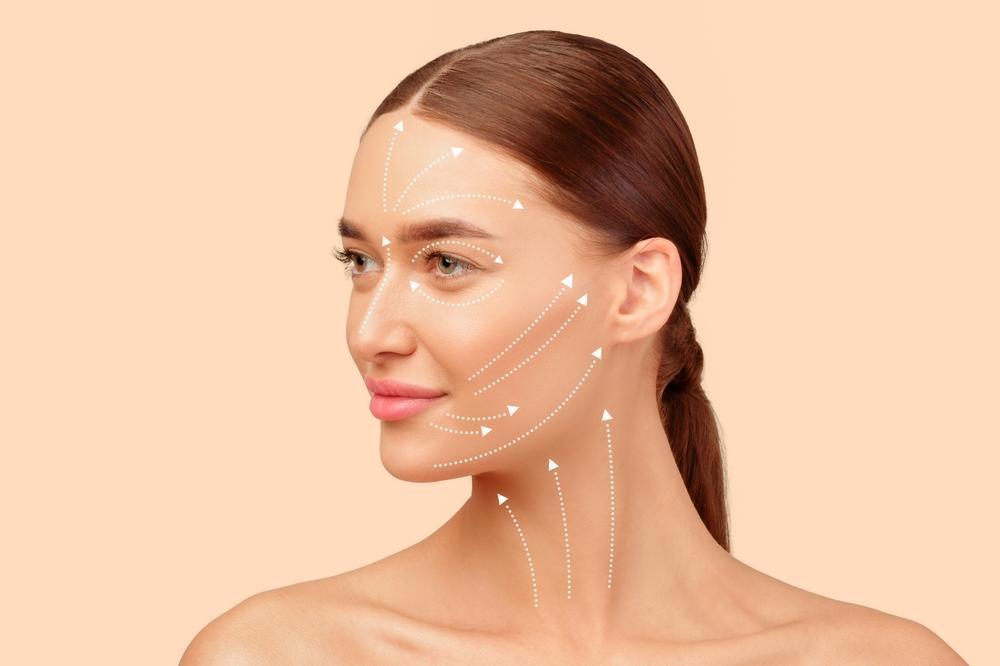
One of the most talked-about techniques among this younger demographic is the ponytail facelift, technically known as the endoscopic midface lift. Designed to address early signs of aging such as - mild sagging in the cheeks, jawline, and around the eyes - the procedure subtly lifts and repositions the underlying tissue for a refreshed, “I woke up like this” result. The name reflects its effect: think of the snatched, elevated look achieved by a high ponytail – only this time, the lift lasts long after the hair comes down.
Dr. Rizk’s approach is particularly discreet. Using small, hidden incisions placed entirely within the hairline, he avoids visible scarring near the ears and allows for a faster, more seamless recovery. “Most patients are back at work, and in front of a camera, in as little as two weeks,” he notes. The ideal candidate? Someone with good skin elasticity and minimal neck laxity who desires a lift without the obvious “I’ve had work done” appearance or dependence on fillers.
While powerful, the ponytail lift is not a replacement for the deep-plane vertical facelift, which remains the gold standard for more advanced facial aging. Still, for the right patient, this refined, targeted procedure offers next-level results with an understated elegance – perfectly in step with today’s preference for natural, effortless beauty.