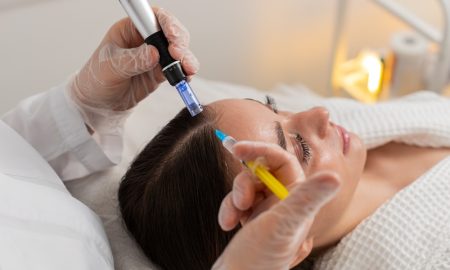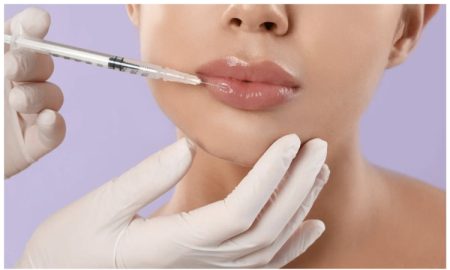





In recent years, wellness centers have become nearly as common as coffee shops, popping up in high-end shopping districts and all over your Instagram feed. With sleek aesthetics and calming interiors, they offer a menu of “cutting-edge” treatments like IV vitamin drips, ozone therapy, infrared saunas, and salt rooms. The claims? Boosted immunity, better sleep, anti-aging effects, “total body detox,” and more. The reality? A surprising lack of science.
So why are so many people signing up, often paying hundreds for these unproven treatments? The answer is simple: it sells the fantasy of feeling better, faster.
 Photo Credit: Yakobchuk Viacheslav/Shutterstock
Fast Fixes > Long-Term Solutions
Eating clean, staying active, and prioritizing sleep are proven ways to support your health, but they require discipline, time, and consistency. Wellness therapies promise all the benefits without the work. Why change your lifestyle when you can get a quick IV and feel like a biohacker?
While hydration from an IV isn’t necessarily harmful, it’s rarely necessary outside of actual medical needs like dehydration or surgery. And most vitamins? Oral supplements are just as effective without the needle and the hefty price tag.
The Influence of Influencers
From Kardashians to micro-influencers, social media is packed with people raving about their latest vitamin drip or cryotherapy session. But what’s often missing? Disclosures. Many of these influencers are paid to post and get commissions for every referral. And you’ll never hear them mention side effects like rare cases of heart failure from overdoing IV infusions.
If someone you admire online is gushing about an “immune-boosting antioxidant push,” take it with a (pink Himalayan) grain of salt.
The Science-y Sounding Sell
Words like “cellular rejuvenation,” “oxidative repair,” or “neuro-enhancement” can make a treatment sound legitimate even when there’s little to no data behind it. These terms often rely on the placebo effect: if you believe it works, you might feel better temporarily. But that doesn’t mean the treatment actually changed your health in any measurable way.
Wellness as a Status Symbol
Let’s be honest, some of this is just a humblebrag. Posting a pic in a salt cave or getting an NAD+ drip isn't just about health; it's about image. Wellness has become aspirational, a luxury accessory in the self-care culture.
Retail Wellness Fills the Gap in Traditional Medicine
People often feel dismissed during rushed 15-minute visits with traditional healthcare providers. In contrast, wellness lounges offer plush robes, calming lighting, and attentive staff. Even if the treatments themselves don’t do much biochemically, the experience can feel nurturing, and that has value. But don’t confuse ambiance with efficacy.
Concierge medicine and integrative physicians are now trying to bridge this gap, offering longer visits and more personalized care with the science to back it up.
What’s Actually in That IV Bag?
Not much, for something that can cost $250. A bag of saline costs only a few bucks wholesale. While hydration helps if you’re truly dehydrated, the vitamins added (often B and C) aren’t doing much more than an oral supplement would. Fat-soluble vitamins like A, D, E, and K can actually be toxic in high doses, especially when delivered through repeated infusions. Getting your levels tested and replacing only what you need is far more effective and safer.
How to Spot the Hype
If a treatment claims to “reset” your immune system, “detox” your body, or “optimize” your mitochondria without any clear explanation of how it’s probably marketing fluff. Ask:
- Is there peer-reviewed, double-blind clinical research to support this?
- Who funded those studies, and where were they done?
- What exactly is being infused or treated?
- What are the risks and side effects?
- Is there a licensed physician overseeing the treatment?
Also, be wary of studies from questionable sources or funded by the very companies selling the treatment.
So, Is Any of This Worth It?
Sure, if you’re going in for the spa-like experience and hydration, go for it (within reason). But don’t expect magic. And don’t confuse wellness branding with real medicine.
Even buzzy therapies like NAD+—a molecule thought to support cellular energy—haven’t shown consistent benefits in humans despite all the hype.
What Does Work?
An optimized diet, regular movement, quality sleep, and evidence-based care. The best detox system? You already have it: your liver, kidneys, and skin. Support them with whole foods, water, and rest, not with ozone tubes or high-priced gimmicks.
Until better regulations catch up with this booming industry, it’s up to consumers to stay smart. A healthy dose of skepticism might just be the most effective therapy of all.
For more clarity on what truly benefits your health, reach out to Dr. Kern Brar today.
For more information, visit Dr. Kern Brar's social media.