A Romanov Empress Wore This Sapphire to Russia’s Last Great Ball. It Just Sold for $4.9 Million.
A 197.80-carat Romanov sapphire worn by Empress Maria Feodorovna sold for $4.9 million at Sotheby's Geneva.
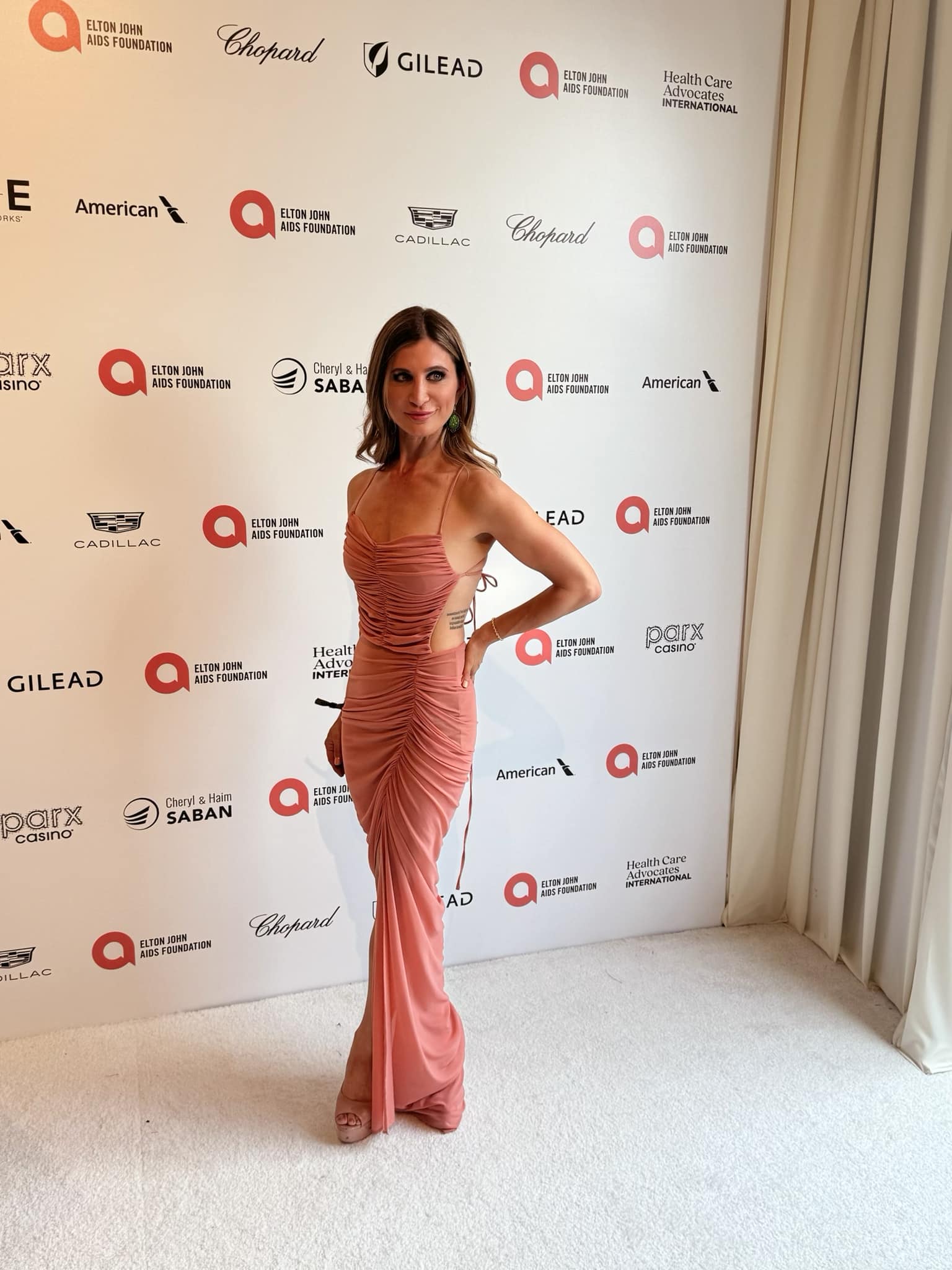
A 197.80-carat Ceylon sapphire once worn by Russia’s Dowager Empress Maria Feodorovna sold for CHF 4.12 million (about $4.9 million) to a private collector at Sotheby’s Royal & Noble Jewels sale in Geneva on November 11, 2026, more than doubling its high estimate. Known as the Romanov Sapphire and now set in a Cartier bracelet, the stone went from the Winter Palace to the Soviet dispersal sales to an opera singer’s jewel box before it reached the rostrum as Lot 1080. Frankly, it had a better twentieth century than most of the people who owned it.
Photo Credit: Sotheby’s
Sotheby’s put the estimate at CHF 850,000 to 1.7 million. Estimates, for the record, are polite fictions. The winning bidder (unnamed, naturally) treated this one as a suggestion.
So who wore it first? Gather round.
Maria Feodorovna was born Princess Dagmar of Denmark, married the future Alexander III and became the mother of Nicholas II, the last tsar. According to Sotheby’s, she wore this sapphire (then in a mount by Fabergé, of course) at the Winter Palace Ball of 1903, which the auction house calls the last great spectacle of Imperial Russia.
The party was a costume ball, and the court came dressed as seventeenth-century Muscovite royalty, all brocade and pearls and fur. Imperial Russia was playing dress-up as its own glorious past. The revolution was fourteen years away. (Hindsight is a cruel stylist.) The photographs from that night are still some of the most famous images of the Romanov court. If you’ve seen a Romanov in full regalia staring down a camera, odds are it was taken at this ball, a short walk from what is now the State Hermitage Museum.
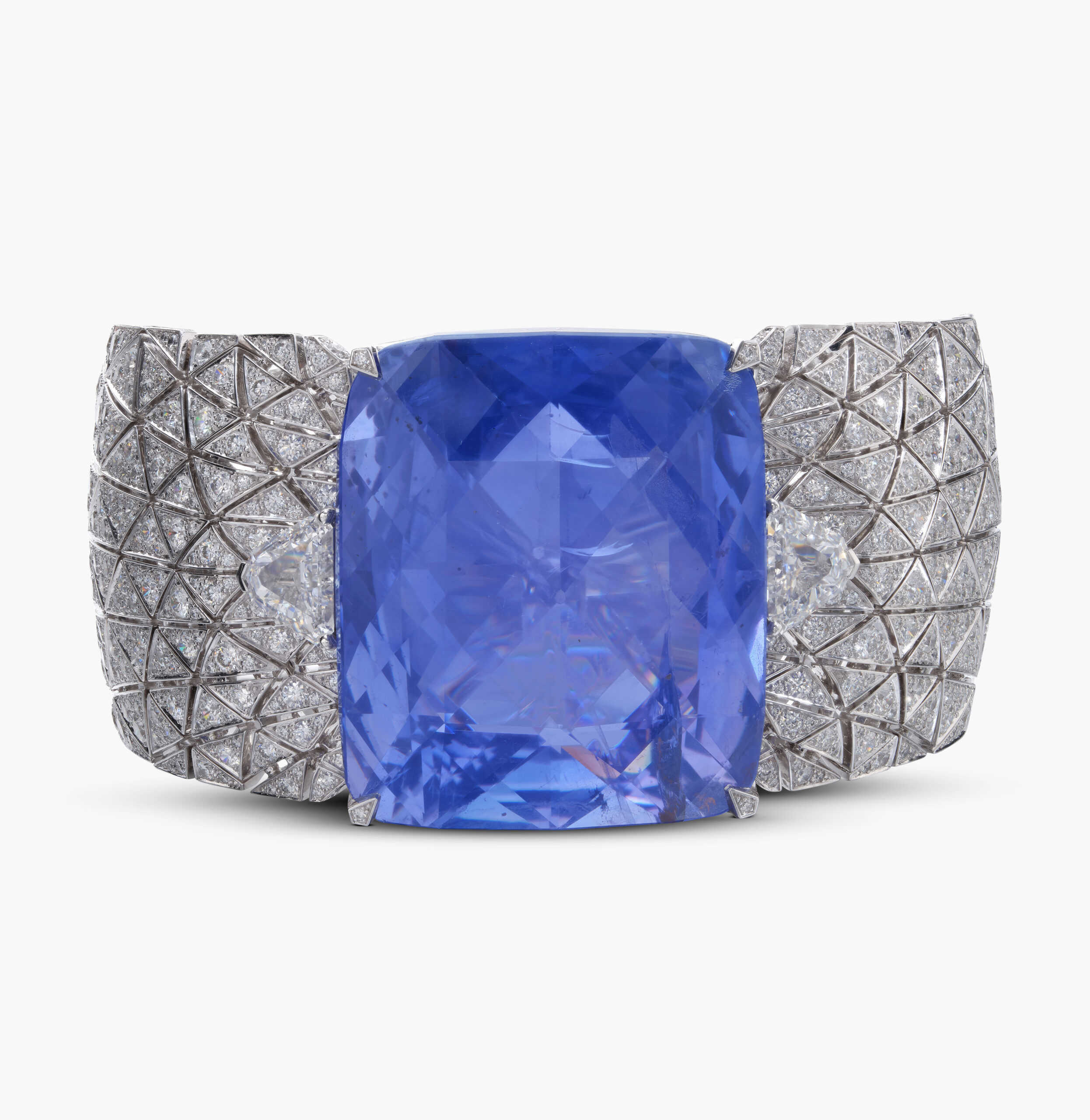 Photo Credit: Sotheby’s
Here’s the twist I can’t get over. Maria Feodorovna made it out of Russia in 1919 aboard a British warship. Her sapphire didn’t. It stayed behind and became an entry in the Fersman inventory, the Soviet catalogue of the imperial crown jewels led by the mineralogist Alexander Fersman. From there it went into the government’s dispersal sales, which is a bureaucratic way of saying the new regime sold the old regime’s jewelry to whoever could pay.
Sotheby’s notes that relatively few stones documented as part of the Russian Crown Jewels can still be identified today. Most were recut, reset or simply disappeared into private hands, never to be traced again. This one kept its name, which in the jewelry world is something close to a miracle.
Next stop: Ganna Walska. She was a Polish-born soprano, a socialite and a serial bride (six husbands, if you’re counting, and everyone was). Her singing got mixed reviews. Her collecting got none, because it was flawless. The Romanov Sapphire passed into her collection, which also held some of the most talked-about jewels of the twentieth century.
Her greatest work, as it turned out, wasn’t on a stage. It was Lotusland, the extraordinary garden she built in Montecito, which she partly funded by parting with her jewels. There’s a lovely logic to it: a Romanov stone helping to pay for a botanical fantasy in California. I’d like to think the empress would approve. She liked a garden.
The sapphire then came to Cartier, which in 2015 designed its current setting: a transformable bracelet, so the owner decides just how loudly to announce it. It’s a very Cartier answer to a very old stone, Art Deco discipline wrapped around imperial excess. (For more on how the house keeps reinventing itself, see our guide to the fine jewelry brands worth knowing and our Panthère editorial.)
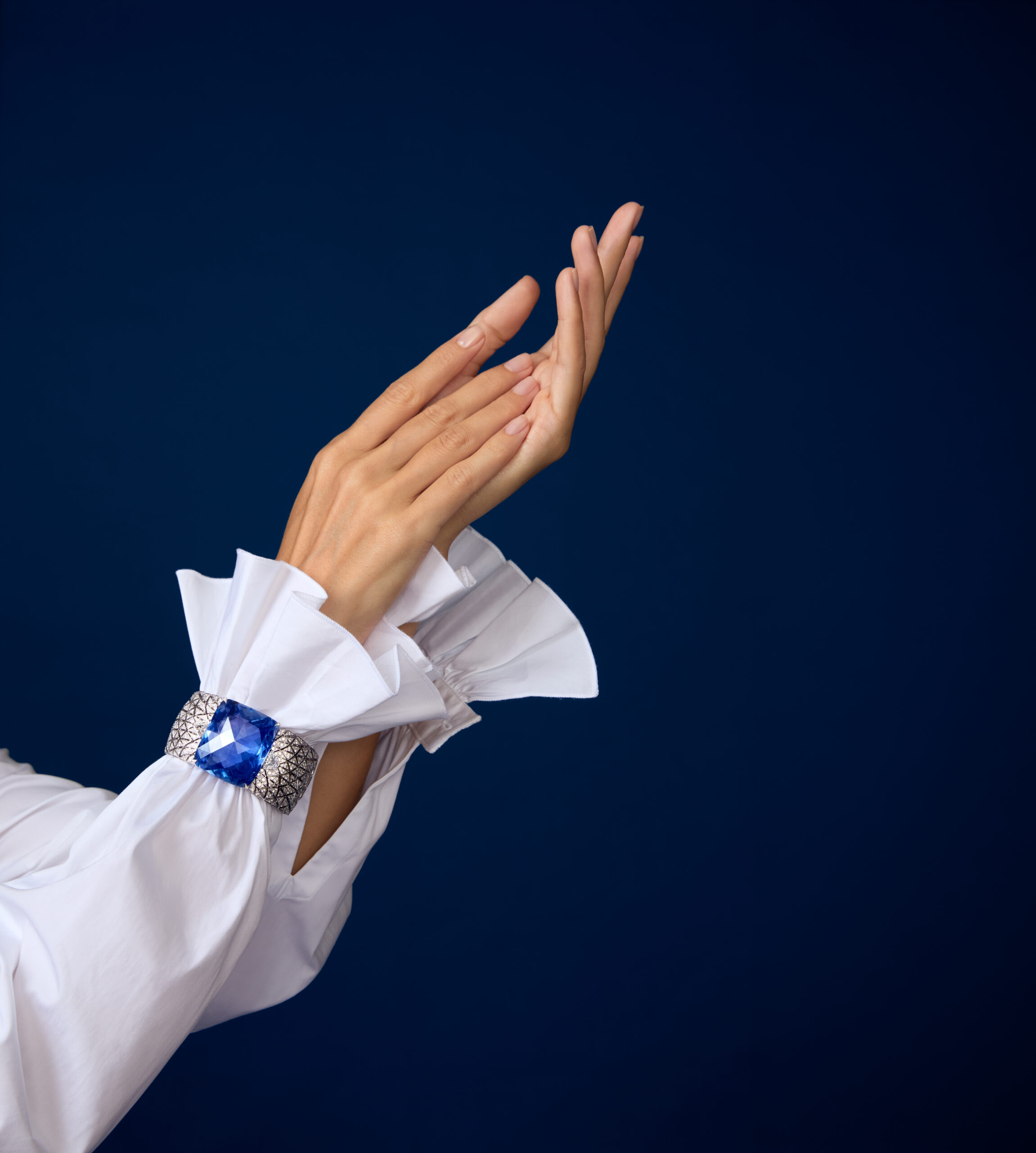 Photo Credit: Sotheby’s
Then there’s the gemology, which matters more than it sounds. Reports from SSEF and Gübelin confirm the stone is from Ceylon and unheated. Most sapphires on the market are heat-treated to improve their color. An untreated stone of nearly 200 carats is about as rare as an empress at a garage sale.
Size helps. Color helps. But nobody pays this kind of premium for carats alone. They pay for the story, and this stone’s story runs from an empress to a revolution to a soprano to a jeweler. At Haute Living we’ve watched this happen with dynasties again and again. Readers still can’t get enough of the Medici, and collectors clearly feel the same about the Romanovs. Provenance is the one luxury nobody can manufacture.
The empress wore it to a party. The Soviets wrote it down. An opera singer kept it. Cartier dressed it. Now a collector in Geneva gets to write the next chapter.
Dynasties fall. Sapphires, it turns out, simply change hands.
Read More
How Prince Lorenzo de’ Medici Is Keeping the Medici Dynasty Alive
From Iconic Maisons to New Names: Fine Jewelry Brands Worth Knowing
Frequently Asked Questions
What is the Romanov Sapphire?
The Romanov Sapphire is a 197.80-carat unheated Ceylon sapphire from the Russian Crown Jewels. It was once mounted by Fabergé and worn by Dowager Empress Maria Feodorovna, and it is now set in a transformable Cartier bracelet created in 2015.
How much did the Romanov Sapphire sell for?
The Romanov Sapphire sold for CHF 4.12 million, about $4.9 million, at Sotheby's Royal & Noble Jewels sale in Geneva on November 11, 2026. It was offered as Lot 1080 and bought by a private collector.
Who wore the Romanov Sapphire first?
According to Sotheby's, Dowager Empress Maria Feodorovna, mother of Tsar Nicholas II, wore the sapphire in a Fabergé mount at the Winter Palace Ball of 1903. That ball is regarded as the last great spectacle of Imperial Russia.
When did Cartier set the Romanov Sapphire?
Cartier acquired the Romanov Sapphire and created its current transformable bracelet mounting in 2015. The design lets the piece be worn in more than one way.
Latest from Haute Living
The 25.52-Carat Van Cleef & Arpels Diamond Headed for Christie’s New York is the Stone of the Season
Missoni Takes Over MILA Miami Beach for Art Week, Plus a Julien Royer Omakase
Michelin-Starred Mutra is Turning Kosher Fine Dining Into South Florida’s Hautest Chef Collaboration Series