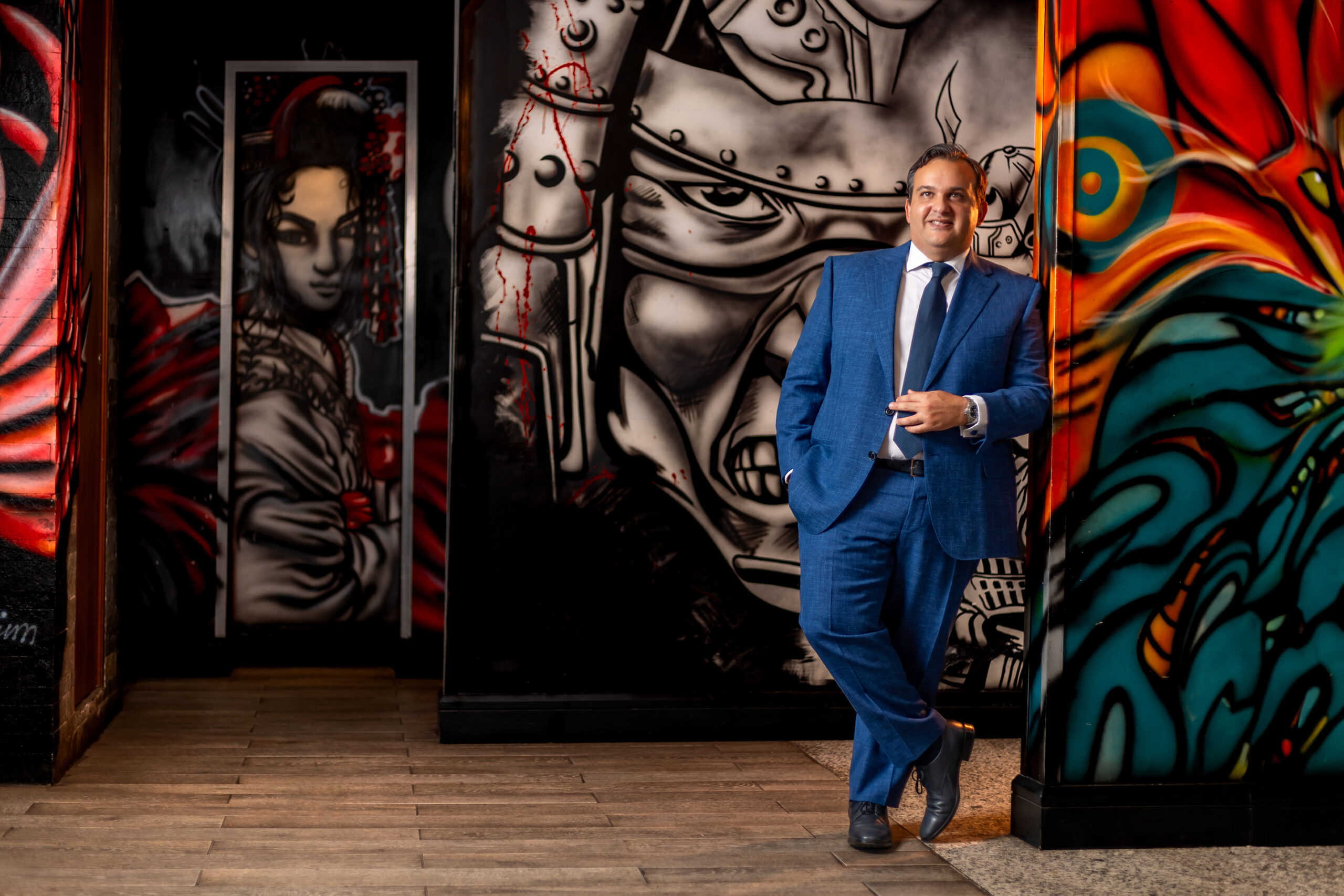
The Wild True Story Behind Africa’s Luxury Tribe Hotel Starts with an Escape from Iran
Bound for Australia, the Ehsani family stayed in Kenya and built an empire, including Tribe Hotel; Hero Bar, and Village Market.

Australia was the destination. Kenya was supposed to be a visit.
In 1980, Shamim Ehsani’s parents and elder brother left Iran amid the persecution of members of the Bahá’í faith. It was no longer safe to stay, and they planned to start over in Australia. On the way, they stopped to see Shamim’s uncle, Mehraz, who was teaching architecture at the University of Nairobi.
Then the itinerary changed.
Photo Credit: Parminder Saggu
“They quickly fell in love with Kenya—specifically the warmth of the people, the trees and the weather,” Ehsani says.
It is a simple explanation for a decision that would shape generations. A family forced to leave one country found reasons to stay in another. Before there was a hotel to name, a collection to curate or a coastal house to reimagine, there was that welcome.
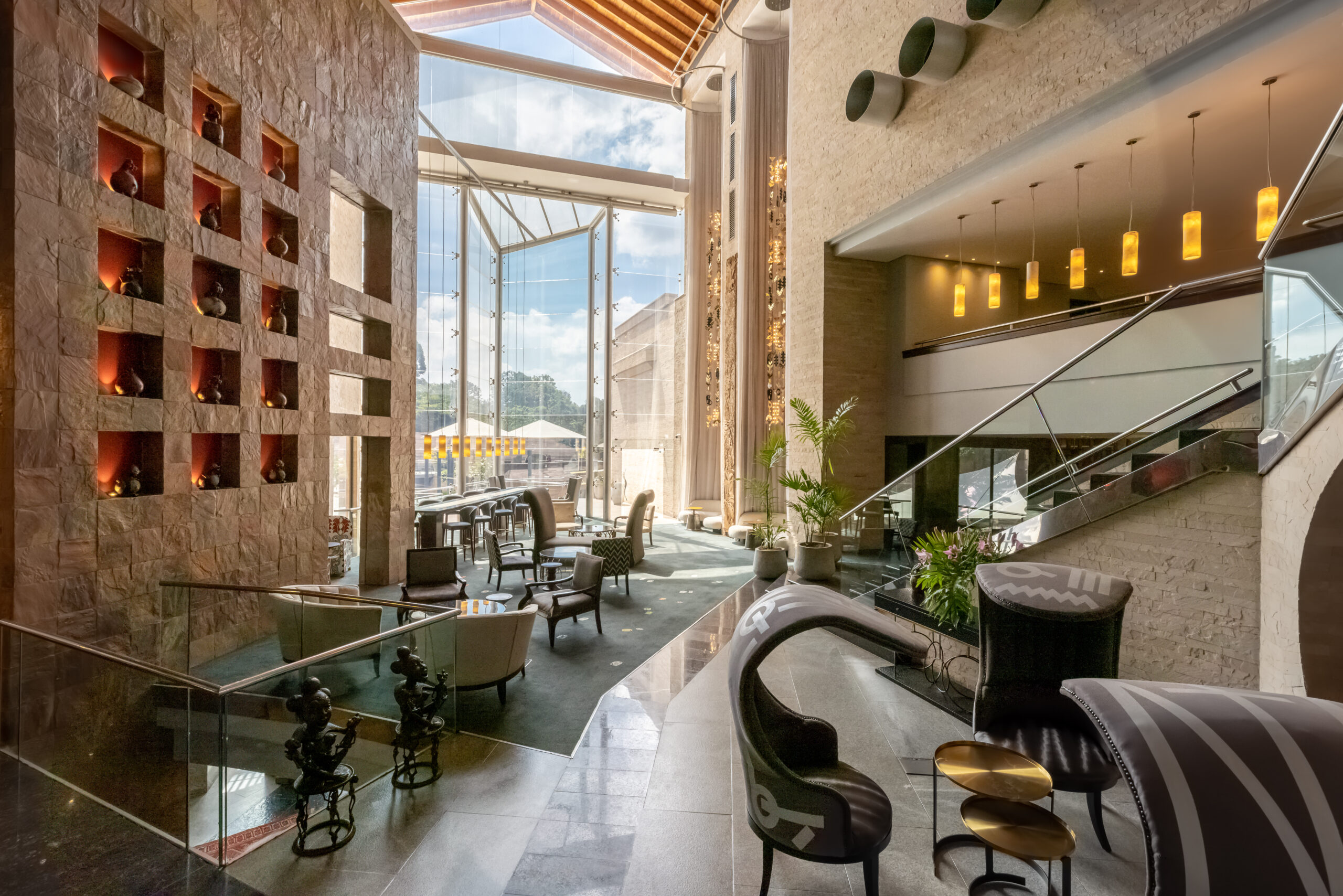
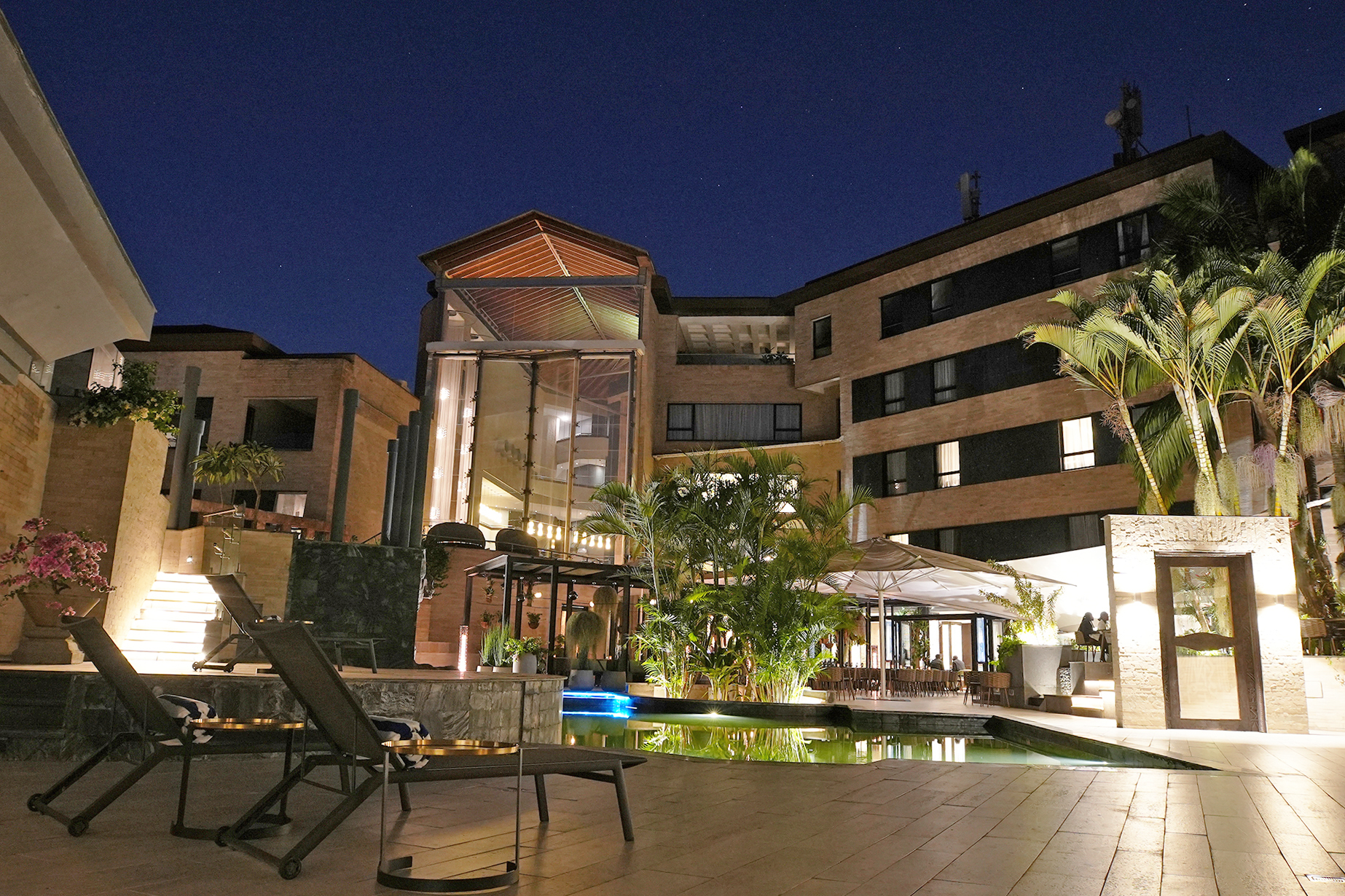
Today, the family’s connection to Nairobi lives in the places where the city gathers: Village Market, Tribe Hotel, Trademark Hotel and, on Trademark’s rooftop, Hero, the cocktail bar Shamim created, which was named the Best Bar in Africa at The World’s 50 Best Bars 2025. Their next chapter, Tribe Beach House in Kilifi, carries that hospitality to the Kenyan coast with just 12 rooms across two houses. For Shamim, it is both a new business and a more intimate chance to consider what it means to make someone feel at home.
That question has a long family history.
Growing up, Shamim was part of the conversation. Business ideas, opportunities and decisions were discussed over dinner, and his parents regularly welcomed guests and visitors from out of town. The family table did several jobs at once: somewhere to eat, somewhere to think, somewhere to make room for other people.
“We always felt involved and included in the family business,” he says.
The childhood memory he describes most vividly has a smell: cow gum, the pungent glue he used while building cardboard models in his uncle Mehraz’s architectural studio. There, buildings could be imagined, assembled and studied before they existed at full scale. The family’s work was something a boy could put his hands on.
When Shamim was 13, his father brought the enormous scale model of Village Market to his school to show his classmates. The school then arranged a visit to the site before it opened.
For a child raised on dinner-table business talk, it was the moment those conversations stepped out into the world. An idea his father and uncles had debated at home was becoming a place his classmates could walk through.
Its success was hardly a given.
Pretty much everyone who heard about the project thought the location was terrible,” he recalls.
His father and uncles believed they understood where Nairobi was going. They bet on the city’s expansion, choosing a site others questioned and building for a future they were sure would arrive.
“This was the most strategic decision we’ve made in our business, and has been one of the most significant contributors to our success,” Shamim says.
The wager wasn’t only about geography. They saw that the city needed a gathering place and understood that food was how to create one. According to Shamim, they put Nairobi’s first food court at the heart of the mall. Long before the family opened a hotel, it was already thinking like a host: why people would come, what would make them linger, and how a meal could turn a development into part of someone’s daily life.
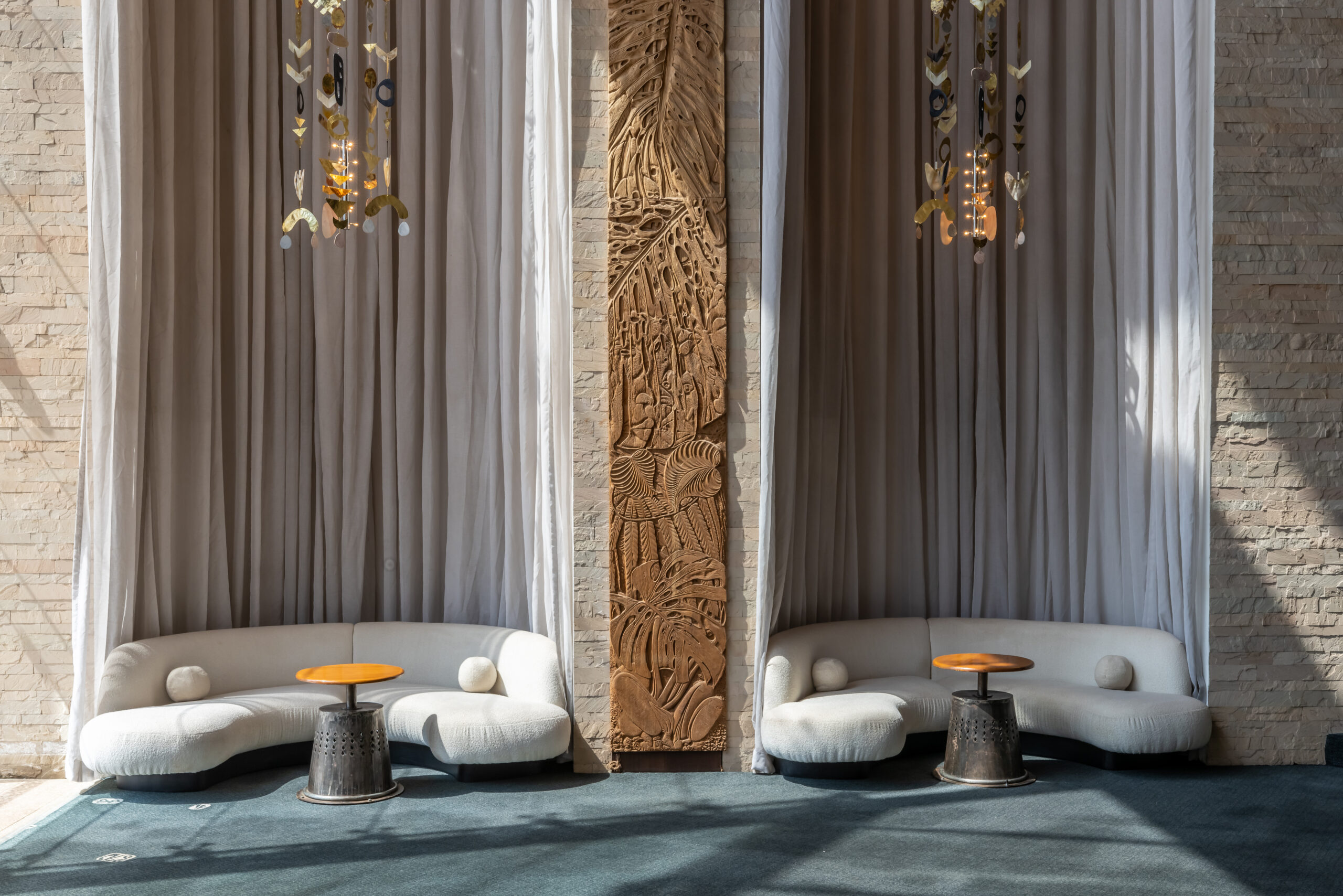
Photo Credit: Tribe Hotel
Shamim’s own route into hospitality was less direct than a family résumé might suggest. He considered it in high school, then chose business school at Babson. The idea resurfaced years later, when his elder brother, Hooman, proposed a hotel to the family. By the time Shamim moved to Vancouver, conversations about Tribe were already underway, and he stayed as connected as he could from abroad. He is careful about the credit, though.
“It was really Hooman and my father who were driving the project in its initial stages,” he says.
His father, Hamed, brought a developer’s experience; Mehraz, who would design Tribe, an architect’s eye; his mother, Faranak, a curator’s sensibility; his brothers, perspectives of their own. Shamim’s contribution sits within an ongoing family conversation, one that can become surprisingly intense over details an outsider might consider minor.
Names, for example.
Tribe opened in 2008, in the aftermath of Kenya’s post-election violence, when the word the family had chosen for its hotel carried painful associations.
“It was a controversial word at the time,” Shamim says.
Before opening, the family invited a group of McKinsey consultants to stay and put the rooms through their paces. Their feedback was detailed and largely glowing, except for the name. Calling the hotel Tribe, the consultants insisted, was in bad taste given the country’s recent violence and would be the project’s downfall.
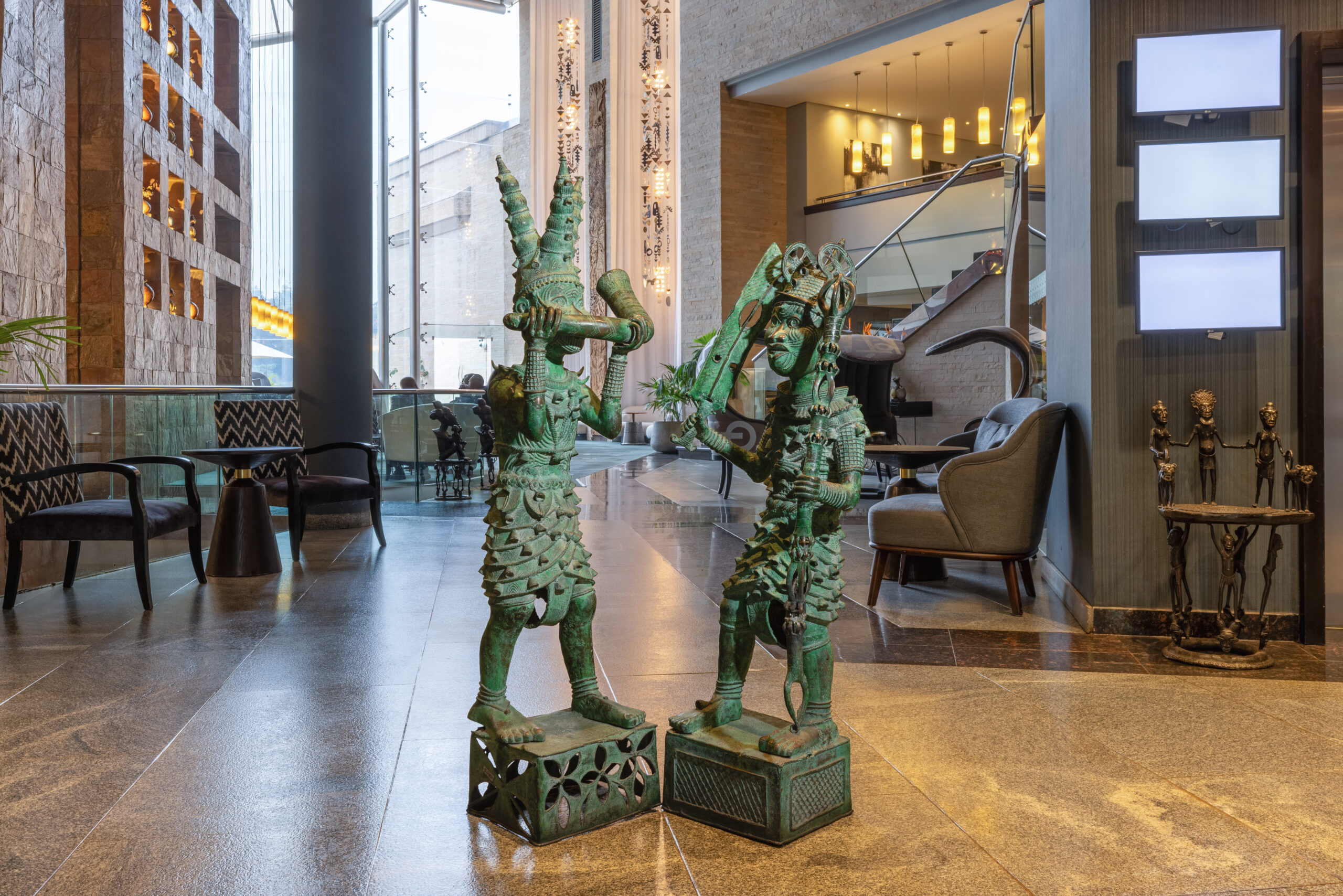
Photo Credit: Tribe Hotel
The signs were already up. The printed materials were ready. The family convened a full-day board meeting to weigh what they had heard.
They kept the name.
“We decided to persist, and stick with our decision to call the hotel Tribe—it was the right decision,” he says.
The idea behind it was that people share one planet, and the tribe that matters is humankind. In 2008, standing behind that idea at the very moment it was most likely to be misunderstood took nerve.
Naming fights, it turns out, are a family tradition: hours of debate, hundreds of logo iterations, conversations that swing from philosophical to emotional. “We’re generally quite aligned in our vision, and big-picture thinking,” Shamim says. “It’s the details, and seemingly trivial decisions that often take the most time to discuss.”
One particularly persistent debate was over the minibar. Of the 20 hotel frustrations on his list to be avoided for Tribe, being overcharged for minibar items irritated him most, and it took many long conversations to convince the board and operations team to treat it as a pure cost to the hotel rather than a revenue opportunity.
It is a small amenity with an outsized effect on how a stay feels. A guest opens the fridge and finds either another price calculation or a gesture of generosity. Shamim knew which he wanted.
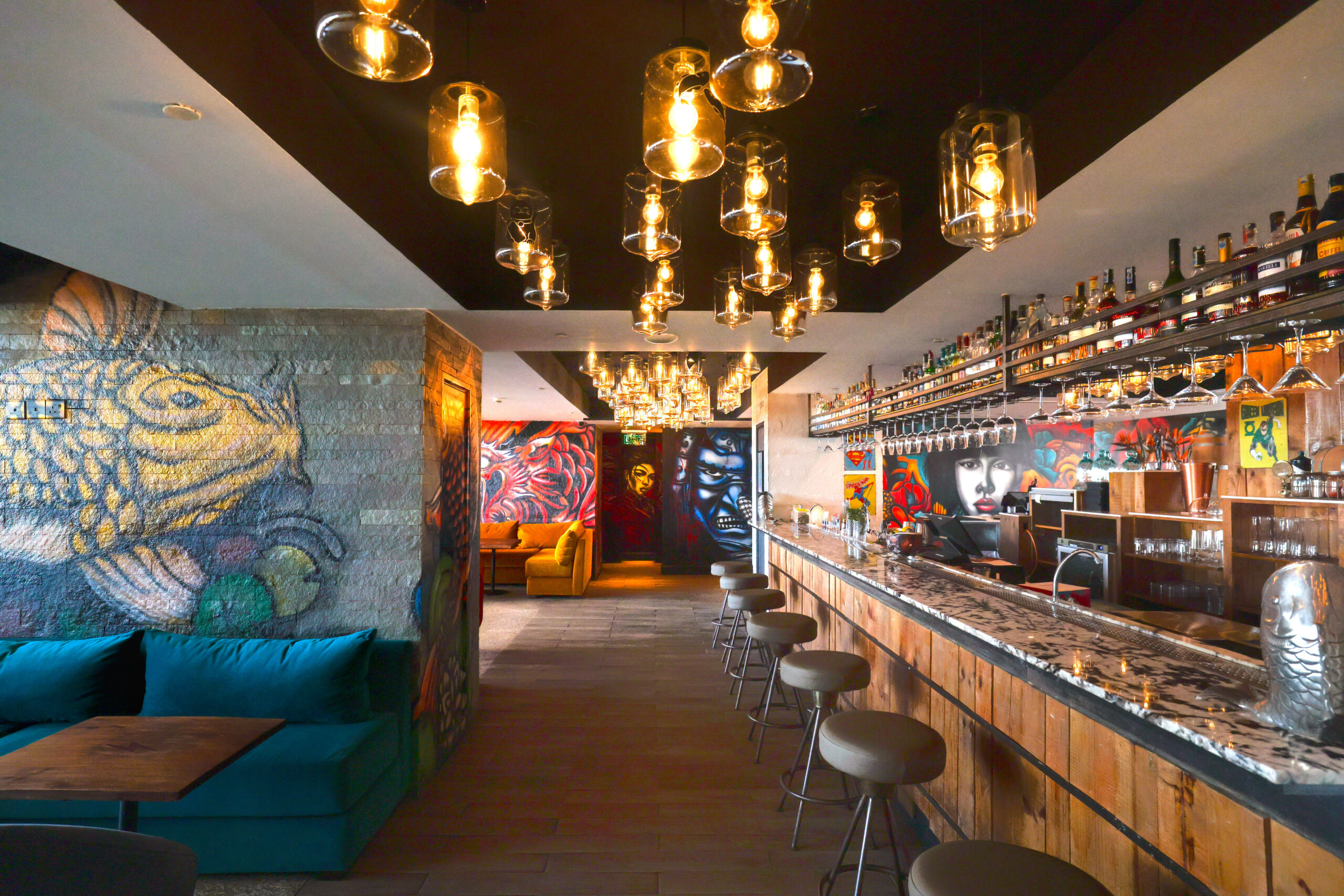 Photo Credit: Hero Bar
“The spirit of generosity is integral to the Tribe experience,” he says. “It underpins everything we do.”
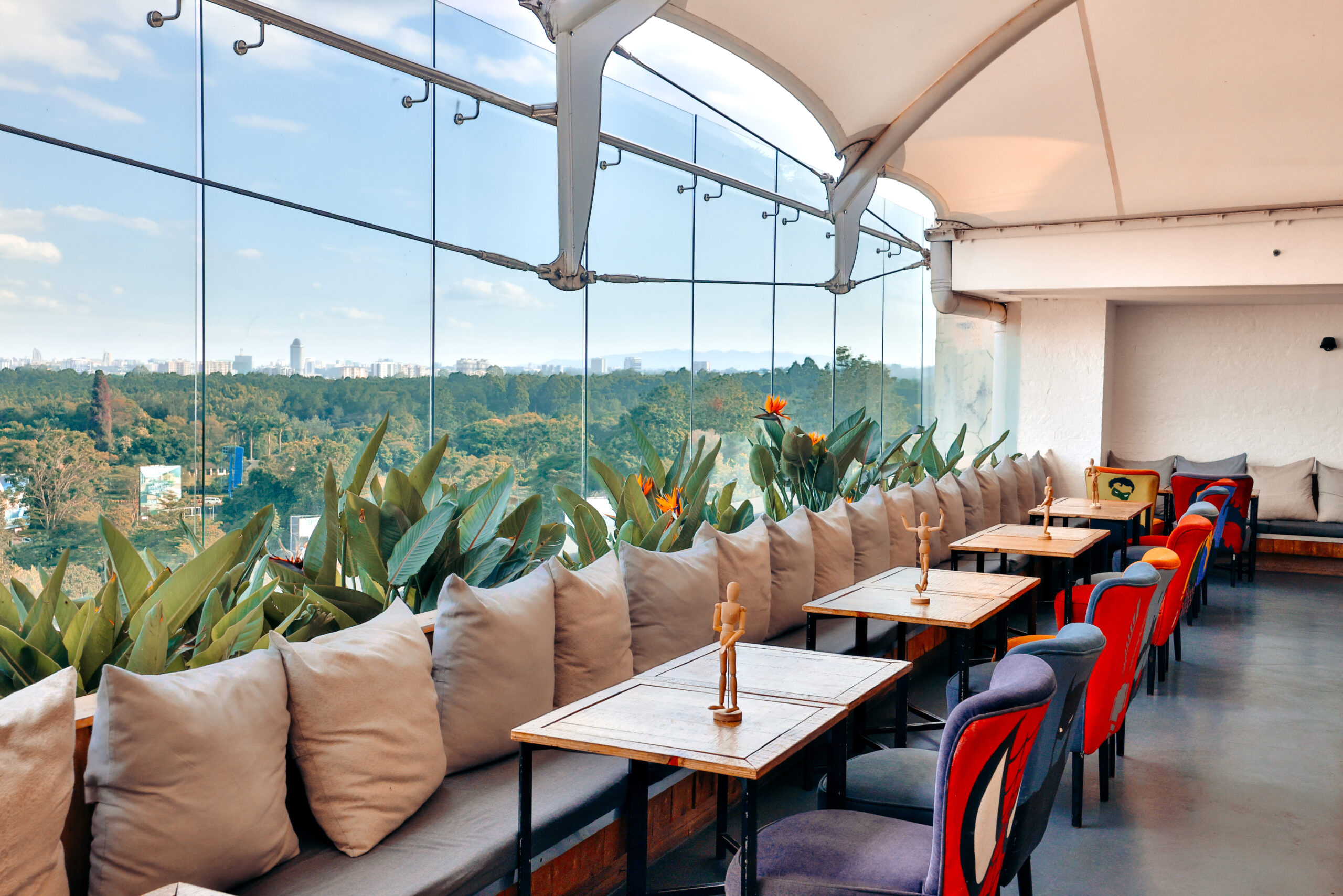
If Tribe is the family’s statement of principle, Hero is where Shamim lets himself play. Set atop the group’s Trademark Hotel and built around a superhero concept, the bar was named the Best Bar in Africa at The World’s 50 Best Bars 2025.
Back at Tribe, the family’s tastes live in objects as well as decisions. Faranak curated the hotel’s collection of 900 African artworks and artifacts. Asked which pieces feel most like her, Shamim points to two bronze soldiers cast in the Benin tradition that stand in the lobby and reception, finely detailed works that showcase the skill of the artisans who still practice what he calls a fading art form.
His father collects by a different, very personal test.
“My father loves art that makes him happy,” Shamim says. “He appreciates form, proportion and color, but ultimately, he looks for art that is uplifting.”
Father and son don’t always agree, particularly on abstract works, so the family has settled on a measure of consensus: if three or more of them love a piece, they know they have found a winner.
The collection is only one expression of a broader commitment.
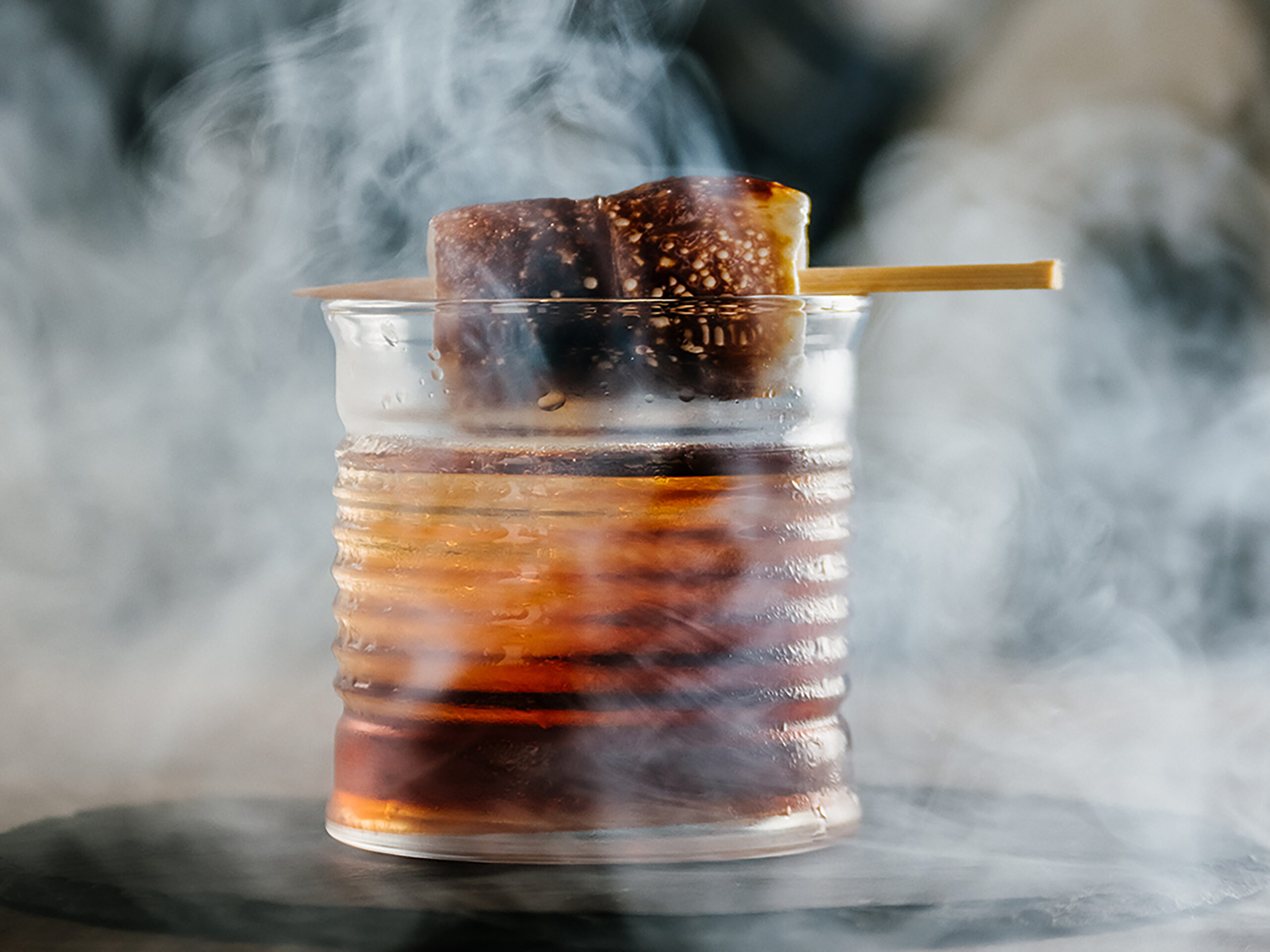
Photo Credit: Hero Bar
“Support for the arts has always been foundational to our connection to Nairobi,” Shamim says.
None of Tribe’s spaces were designed for performances or exhibitions, yet somehow they keep hosting them. Shamim describes a recent theater performance about elephant conservation in the lobby. A few weeks earlier, the same space held an opera concert. Earlier in the year, the hotel staged Tribal Chic, East Africa’s longest-running annual fashion show, now celebrating its 15th anniversary. Its glamorous runways have earned the continent’s designers global acclaim.
Meanwhile, the hotel kept being a hotel.
Guests checked in and out. Luggage went upstairs. People passing through stumbled onto something they had not planned to see.
“Passers-by get an unexpected treat that feels unscripted, and will probably be the most memorable part of their day,” he says.
Someone comes down to collect a room key and finds a performance underway. Someone waiting for a car has a reason to stay a little longer.
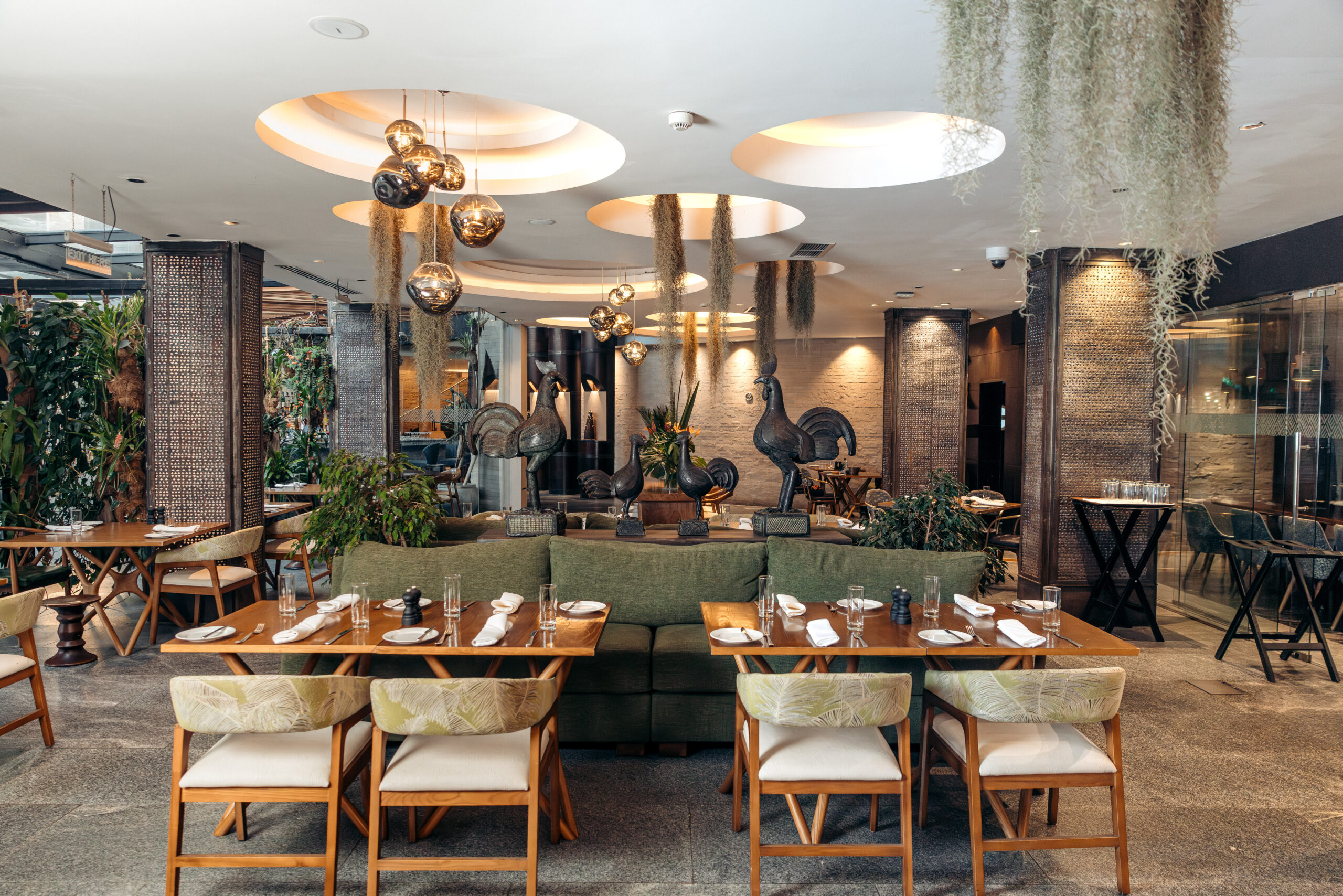
At Jiko, the hotel’s restaurant, that connection takes edible form. Shamim has always loved Kenyan flavors, and keeping a strong African identity throughout Tribe mattered to the family; food was central to it. His challenge was a concept and a menu that would win over his entire family while giving the kitchen room to show its creativity.
“Approachable and familiar, but still true to the flavors of the continent,” is how he describes the ambition. The family table, in other words, is still the test kitchen.
The responsibilities of the business became more immediate during the pandemic, which Shamim calls the most disruptive challenge the family has faced.
While much of the industry, understandably, turned to layoffs, Tribe’s operations team went another way. They built a schedule that let every member of staff rotate between work, quarantine and time at home. They leaned on the hotel’s suppliers to extend special grocery pricing to employees, who could order online and have food delivered to their homes. And they designed a variable pay model: a guaranteed basic salary that rose step by step as business recovered, without putting too much strain on the hotel.
Hospitality, it turned out, also meant groceries and a paycheck as the pandemic disrupted the business.
Shamim hands the credit straight to the team.
“Our operations team really rose to the challenge,” he says. “The measures and systems they developed and implemented really kept us afloat.”
The Birthday That Became a Beach House
The next chapter began with a celebration.
Shamim first went to Kilifi in December 2014 for a close friend’s birthday. He had heard about Kilifi’s beauty, but finding the right accommodation and arranging a house rental had made visiting feel complicated. Seven years later, planning a trip for his own birthday, he rented the main villa that is now part of Tribe Beach House.
He spent that trip mentally renovating. Rearrange the rooms. Open up some walls. Let in more light.
“It’s always been a beautiful property,” he says. “The changes we have made to the design have really brought through the potential I had always imagined.”
Before it was a business, it was a place he chose for a day that mattered to him. That is exactly the kind of day he now hopes to host.
The 12-room property, spread across two houses, takes the group beyond Nairobi for the first time. Its size changes what is possible.
“A large hotel can feel transactional, even despite our best efforts to make it feel like a home for all our guests,” he says.
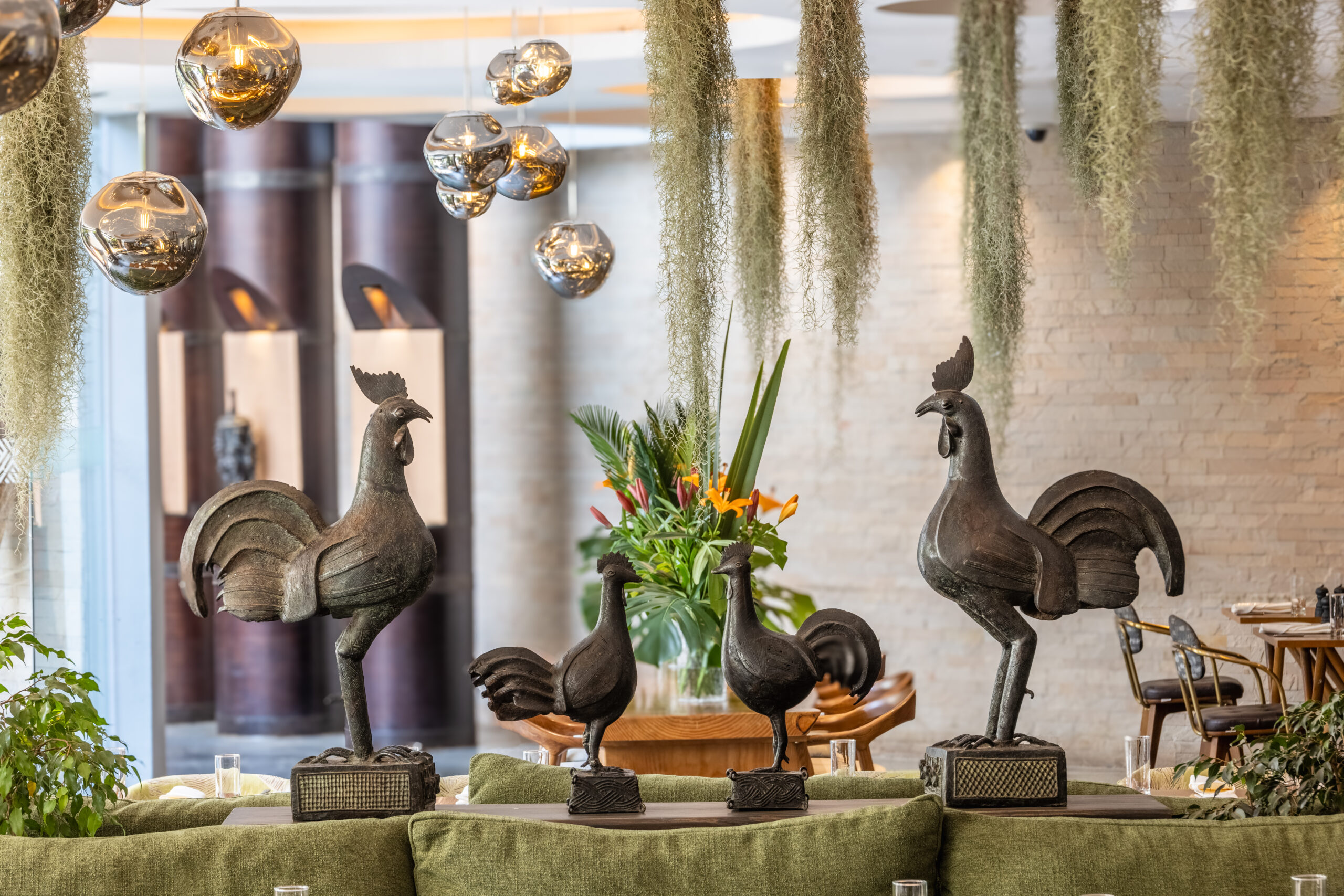
Photo Credit: Jiko Restaurant
He is candid about the economics. At a big hotel, a small cost multiplied by 128 rooms or 256 guests suddenly becomes a major capital expense. With 12 rooms, the team can be more agile and responsive, and can build moments of wonder and delight into far more points of a stay.
The design carries forward principles the family developed at Tribe: an Africa-forward aesthetic, the conveniences of a hotel in New York or London combined with the warmth of Africa, and art that presents emerging and established African talent in an elevated way. In the public areas, quieter niches sit alongside more energetic, convivial spaces, a lesson learned from years of watching how guests use Tribe.
The coast has its own say. Humidity, salt air, wind, intense sun and water all shape what can be used, and a beautiful finish has to withstand both the elements and the everyday realities of a beach holiday.
That balance led to one of the property’s most personal details: the headboards Shamim designed himself.
He and the design team explored reclaimed antique wooden doors, upholstery in local fabrics and woven natural fibers, hunting for something local, natural and artisanal that could also survive sunblock, tanning oil and anything on the room service menu.
The answer came from the coast’s own history: centuries of trade with Persia, India, China and the Arabian Peninsula, and the technologies and resources those cultures exchanged along the way. The abacus, used in trade along the East African coast for centuries, is part of that story. Shamim reinterpreted it in different hardwoods.
“Our headboards explore that history in an abstract way, using different hardwoods to create this tribute to the past,” he says.
 Photo Credit: Jiko Restaurant
The reference also echoes the wider history of exchange between the coast and his family’s country of origin.
Some of what Shamim knows about Kilifi he learned from Suleiman, a taxi driver he met on his first visit in 2014. Over the years since, Suleiman has helped Shamim understand the tribes of the area and the history and politics surrounding land and tradition, knowledge no design brief could supply.
Suleiman has faced several personal challenges in that time, and Shamim speaks with admiration about how exceptionally positive and optimistic he has remained. To this day, whenever Shamim needs a car anywhere on the Kenyan coast, he rents one of Suleiman’s, even when the destination is two hours from Kilifi. He calls him reliable and dependable. It is clearly about more than the car.
“I enjoy our long chats and learning from his wisdom and tenacity,” he says.
As the opening approaches, the family knows how much rides on its first leisure venture outside the capital.
“We are keen to get it right and be seen as a positive force transforming the Kenyan coast with good design, great F&B offerings and our service philosophy,” Shamim says.
He hopes the design will convey respect for the visual arts of the continent and for the dignity of the people and traditions around the property, and that its approach to hospitality will shape service along the coast the way Tribe has shaped Nairobi’s over the past 18 years.
Photo Credit: Jiko Restaurant
Yet the thought he returns to is more intimate than expansion.
“It’s a privilege to be trusted with days in people’s lives that will always carry beautiful memories and huge significance in their lives,” he says.
He first imagined this place while celebrating his own birthday. Soon, other people will arrive with occasions of their own, or simply with time they have chosen to spend together. The family will be responsible for everything around those days: the room, the welcome, the meal, the place to sit when someone wants company or quiet.
Asked to show someone his Nairobi, Shamim skips his own properties. He would start at Karura Forest, to recharge, reflect and take in the city’s natural beauty. Then, in stark contrast, he would head to designer David Avido’s studio in Kibera and the community Avido has built around it, which Shamim sees as an expression of the city’s creativity, innovation, resourcefulness and resilience.
Seeing both in one day, he says, gives a balanced view of the city’s “split-personalities,” and of how they coexist to create a city with a rhythm all its own.
A generation from now, he hopes the Ehsani name will be synonymous with support for the arts and artists, innovation in design and a willingness to push people’s expectations of luxury hospitality in Africa.
“I hope the next generation will build on a legacy of service to the community,” he says.
The properties give that legacy a physical form. Its origins are easiest to find around a dinner table: children included in the conversation, visitors welcomed into a home, ideas discussed until someone decided to build them.
Australia was the destination. In Kenya, the family found a future worth staying for, and on the coast, they are getting ready to welcome the next people through the door.
Read More
The Most Luxurious Safaris in Africa
The Ultimate Bucket List Experience: Nairobi’s Giraffe Manor
through Haute Black.
Haute Living access. Two decades inside the world’s best hotels.
Virtuoso partner. Upgrades & VIP arrival at 1,200+ properties.
One advisor. Who knows you by name.
Frequently Asked Questions
Who is Shamim Ehsani?
Shamim Ehsani is a Kenyan hotelier and member of the family behind Nairobi’s Village Market, Tribe Hotel, Trademark Hotel and Hero bar. He studied business at Babson and is leading the family’s first coastal project, Tribe Beach House in Kilifi.
What is Tribe Beach House?
Tribe Beach House is a 12-room retreat spread across two houses in Kilifi, on Kenya’s coast. It is the Ehsani family’s first hospitality venture outside Nairobi and its first in the leisure space, carrying Tribe Hotel’s Africa-forward design and service philosophy to a much more intimate scale.
What award has Hero Bar in Nairobi won?
Hero, set atop the Ehsani family’s Trademark Hotel in Nairobi and built around a superhero concept, was named the Best Bar in Africa at The World’s 50 Best Bars 2025.
What is special about the rooms at Tribe Beach House?
Each room’s headboard was designed by Shamim Ehsani himself, an abstract take on the abacus in different hardwoods that pays tribute to centuries of trade between the East African coast and Persia, India, China and the Arabian Peninsula.
Latest from Haute Living
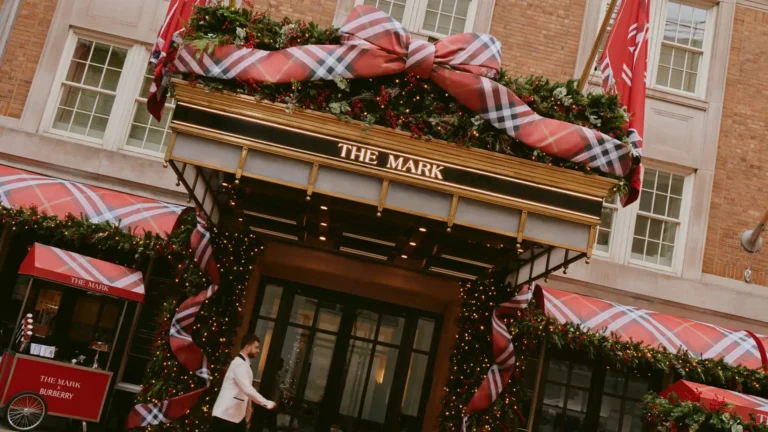
Burberry Wraps The Mark Hotel in Red House Check for the Holidays

Hollywood’s First Big Night of Awards Season Is Here — See Who Stole the Governors Awards Blue Carpet
The Most Exclusive Invite in Town: Massimo Bottura to Cook at Palm Beach’s Invite-Only Wine Gala