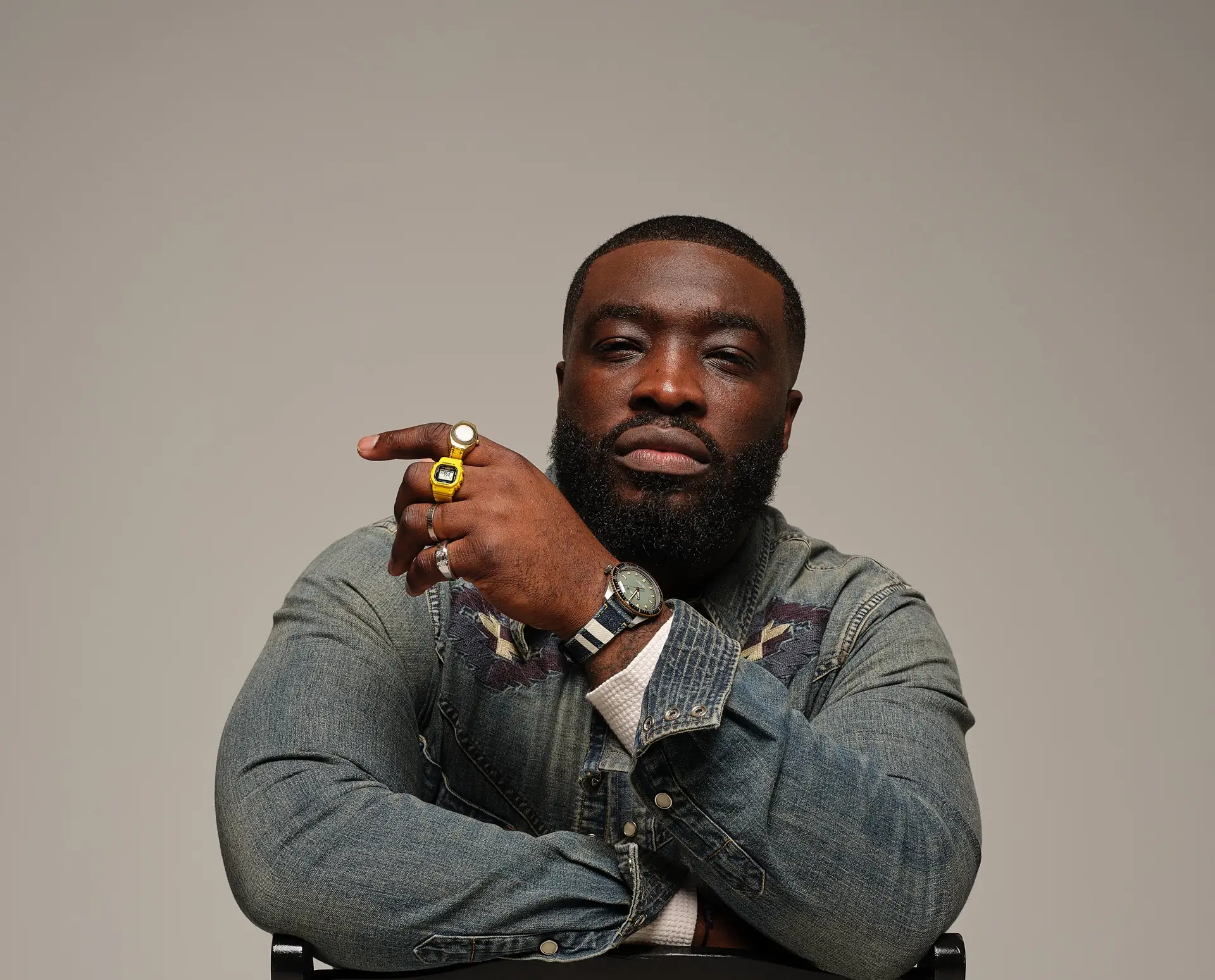
HAUTE LIVING – Rashawn Smith on the Art of Time, Style and Modern Watch Collecting
Rashawn Smith shares insights on NYC watch culture, collecting, luxury horology, independent brands, and the future of American watchmaking.
HL: You’ve become one of the most trusted voices in New York City’s watch community through years of hands-on experience and authentic engagement with collectors. How has the culture of watch collecting evolved over the past decade, and what separates today’s most informed collectors from those simply chasing hype?
RS: Watch collecting culture has evolved due to increased access to information and connectivity.
I have been collecting watches since I was 7 years old. As I got older, there was no one at the time that I could share my appreciation for watches with until social media emerged.
Then I realized I wasn’t the only one obsessed with time.
I’ve earnestly given to the community because of my hands-on experience with watches. Selling them professionally and publicly, and sharing the evolution of my watch collecting, gave me a voice of authority.
But what is at the foundation of it all is culture!
You’ve gotta be “outside,” as New Yorkers say, to build and connect with like-minded people.
Hype sways like a field of wheat; it just goes with the wind. There will be people that follow the hype, and at times, it’s because of a lack of exposure or interaction with real people. The folks that follow the hype usually are in their own bubble and don’t explore much; social media changes that, and I’d like to think we are winning over more hype chasers.
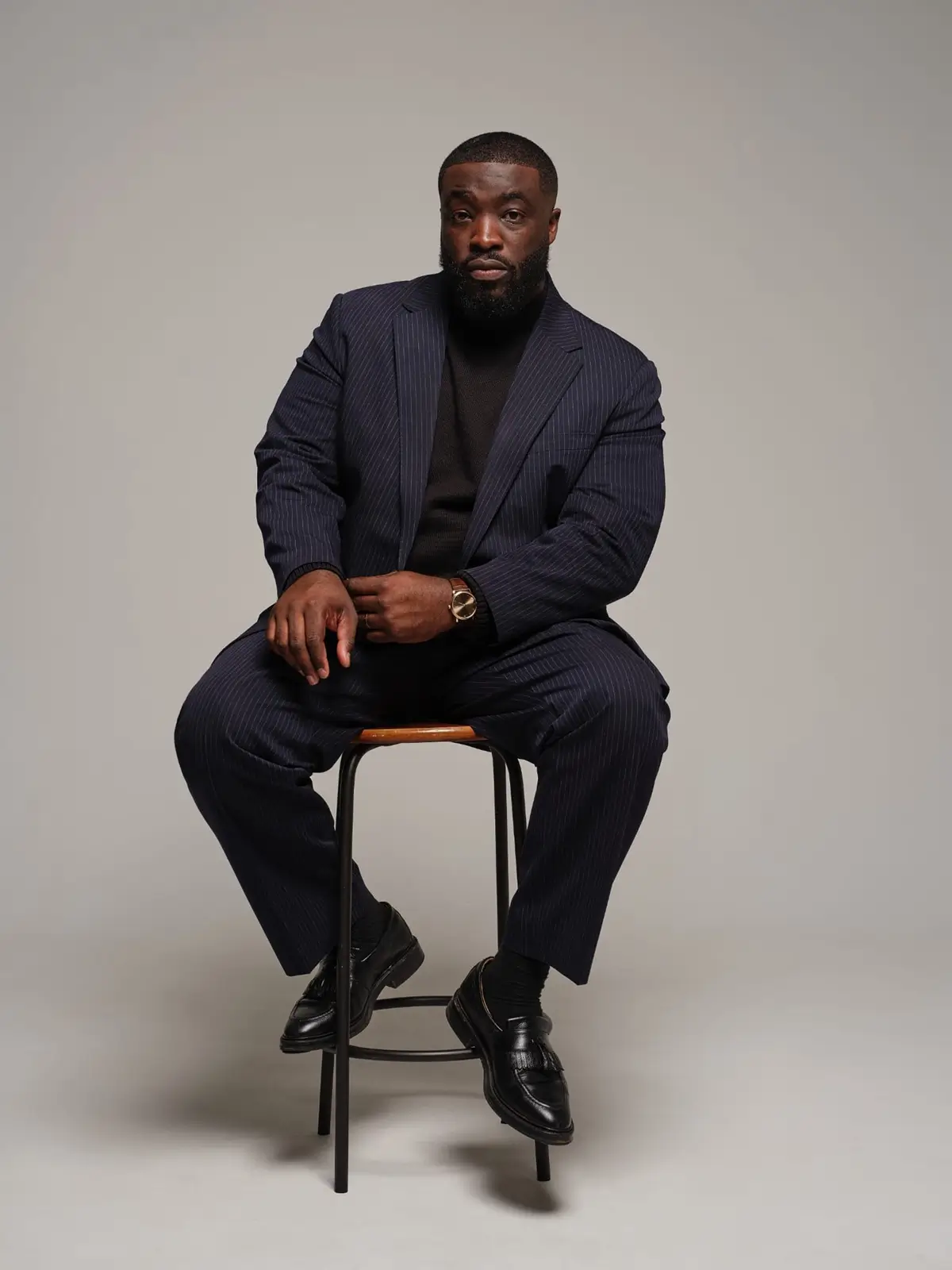
Photo Credit: Karl Ferguson Jr. at Planet X Studios
HL: Luxury watches have increasingly become symbols of personal identity, investment, and craftsmanship all at once. Which brands or independent watchmakers do you believe are defining the next chapter of horology, and what qualities are today’s discerning collectors seeking beyond brand prestige?
RS: I like to say you can’t have your cake and eat it too. There’s no way you get all three in today’s market. You either get an investment piece that is crafted well but lacks exceptionalism or an exceptional timepiece that suffers on the secondary.
I think collecting what you like is most important and speaks to your personality. No outside influences, just do you! I think brands like UN, Moser, Parmigiani, Blancpain, Biver, and Anderson Geneve are stepping into the future; although they are mature watch brands that operate independently, they embrace the youth.
Any brand that takes risk and looks to the new voices is on to longevity. New and seasoned collectors are looking to spend their money where they are welcomed; meeting executives, owners, and creators is what holds value.
HL: Your reputation has been built on educating collectors rather than simply selling watches. What are the biggest misconceptions first-time buyers have when entering the luxury watch market, and what advice would you give someone looking to build a collection with lasting significance?
RS: In most cases, to get the best experience, you must know what you’re getting into.
I suggest first-time buyers or anyone looking to step into another category of luxury watches do the research.
The reputation of a dealer or salesperson is crucial to acquiring the most coveted watches in the world. Because I am passionate and take pride in my profession, I do most of the heavy lifting for a client. I’m kind, welcoming, and empathetic to any situation in front of me. Being welcomed and appreciated is key and should go both ways; sometimes you get more bees with honey.
A significant collection is only measured by your own expectations. If you’re happy with what you have access to or can acquire, then you’re doing alright. Taste evolves and access changes as time in the hobby progresses. Buying what you like has the most impact! You may not be content, but taking pride in what you own is a feeling unmatched.
HL: As mechanical watchmaking continues to thrive despite the rise of smart technology and digital lifestyles, what do you believe explains the enduring emotional connection people have with fine timepieces, and where do you see American watch culture heading over the next five years?
RS: The analog version of things will always remain. It is a culture that technological advancement couldn’t replace.
There are those of old that still value the way things were, and through nostalgia, it brings younger generations into the fold. That is basically how the mechanical watch interest peaked; there was the flex of “if you know, you know”.
Maturity has a way of being attractive, and being inquisitive always adds more to your story.
I believe there is a great appetite for watch collecting in America; we are now adopting microbrands and independents into regular collections. American watch makers and brands are prominent and here to stay. With increasing demands and watch prices increasing, the next thing to do is look to the future; in the next 5 years, there will be more domestic creativity and contribution to horology.
Latest from Haute Living

Today Is World Pasta Day — Here Are 21 Bowls of Pasta Worth Booking a Flight For

Flying Private to Art Basel Miami Beach 2026: The Insider’s Arrival Guide
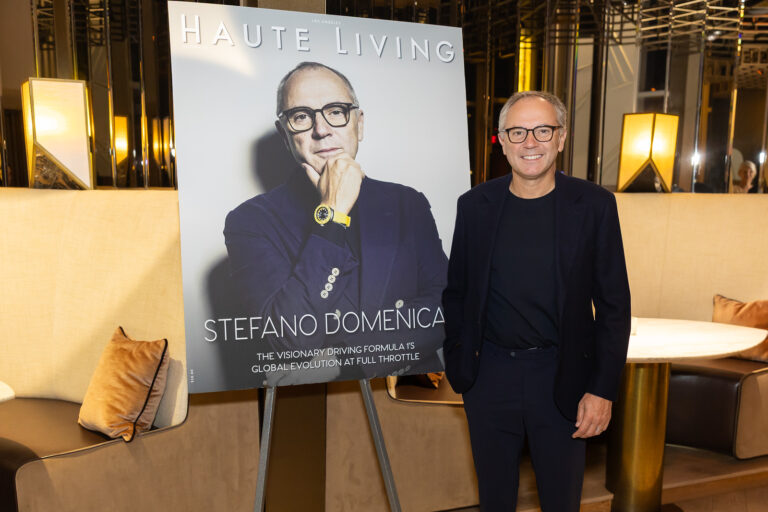
Haute Living and Fairmont Austin Toast Stefano Domenicali, President & CEO of Formula 1, During U.S. Grand Prix Week