Haute Spots: The Best New Luxury Hotels to Know Now
Discover the best new luxury hotels worldwide, from The St. Regis Aruba to Aman Nai Lert Bangkok and Faena New York.

Haute Living’s curated selection of the best new hotels, from recent debuts to the most anticipated openings of the year.
NEWLY OPENED
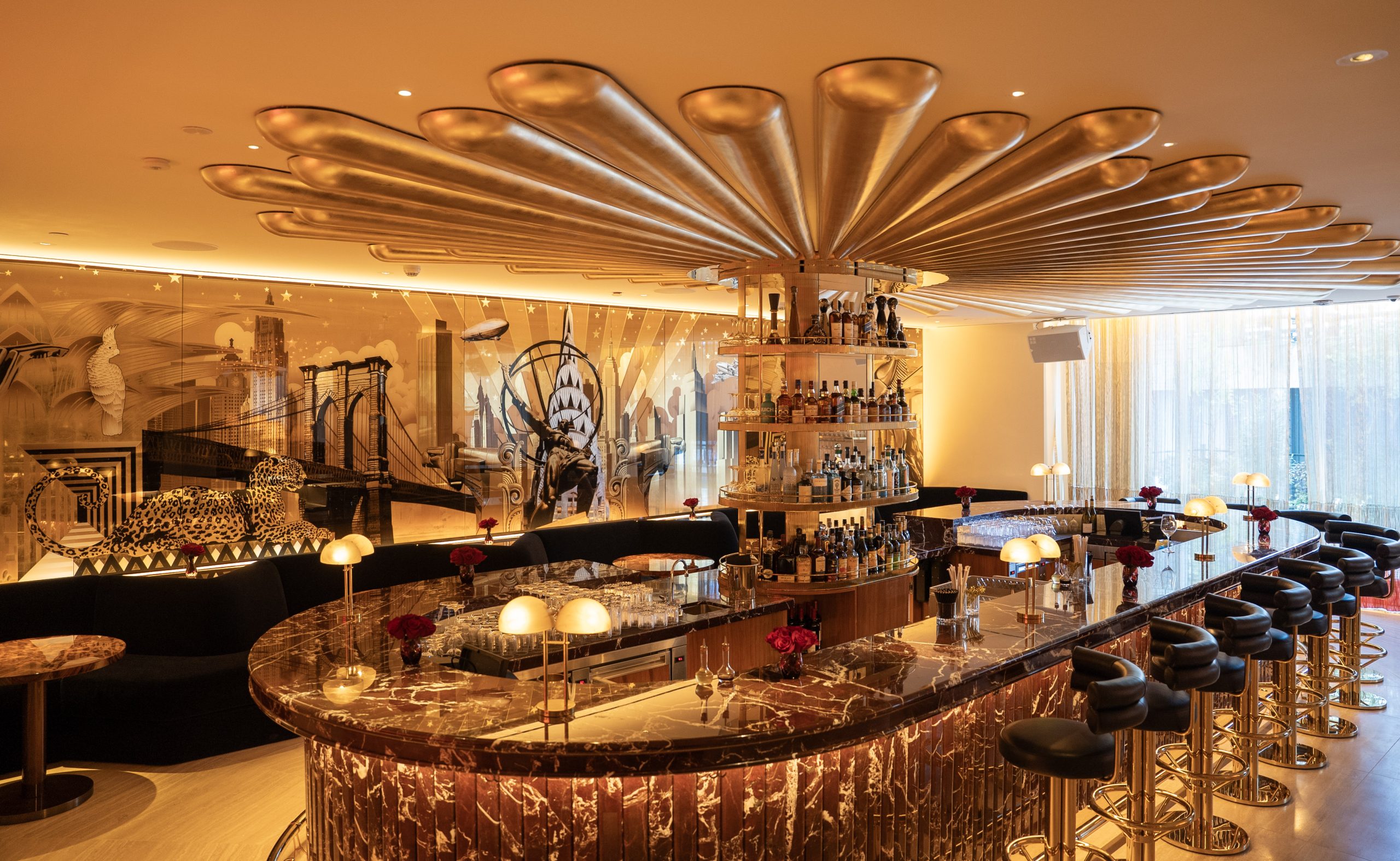
FAENA NEW YORK
Photo Credit: Faena New York
Faena New York steps onto the stage. Opened along the High Line in Manhattan, the hotel brings Faena’s unmistakable world-building to New York, where art, performance, dining, and design are treated not as amenities but as the experience itself. Conceived by founder Alan Faena, the property feels intentionally cinematic, unfolding as a series of richly layered spaces that reward curiosity and movement. Interiors, developed in collaboration with Peter Mikic, channel old New York glamour through Faena’s maximalist lens, while a monumental mural by Argentine artist Diego Gravinese anchors the soaring lobby. 500A W 18th St, New York, NY 10011
AMAN NAI LERT BANGKOK
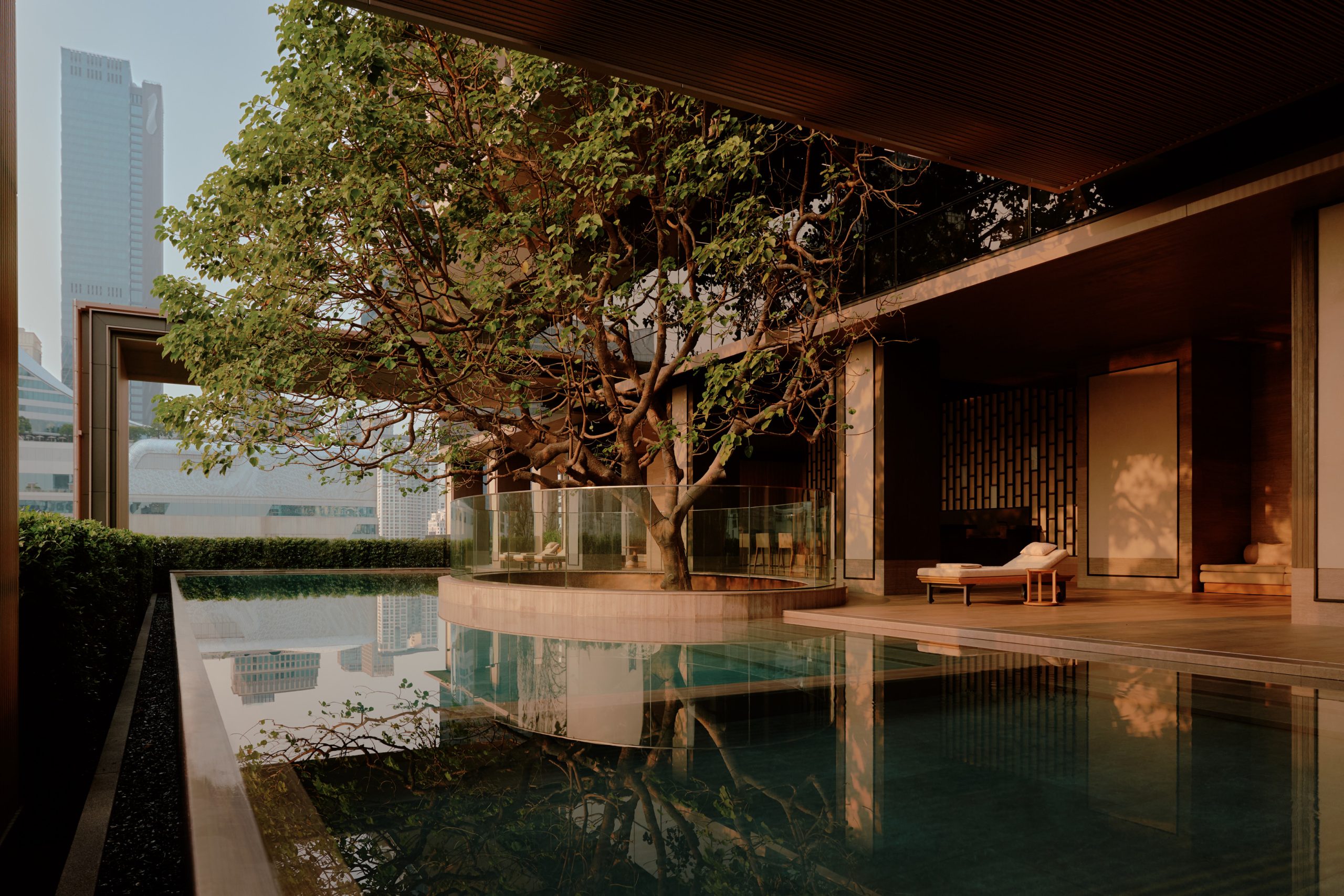 Photo Credit: Aman Nai Lert Bangkok
Bangkok pulses with movement. Yet, Aman Nai Lert Bangkok is designed around stillness. Opened within the green expanse of Nai Lert Park, the property introduces Aman’s signature sense of sanctuary to central Bangkok, offering a rare buffer of nature amid the city’s density. Designed by longtime Aman collaborator Denniston Architects, the hotel draws deeply from Thai heritage and the legacy of Nai Lert, one of Bangkok’s most influential cultural figures, translating tradition through a contemporary, rigorously restrained lens. Interiors emphasize tone-on-tone palettes, bespoke furnishings crafted by local artisans, and a thoughtful dialogue between light, space, and material. The suites, arranged around soaring atriums with reflective pools and garden motifs, feel inward-looking and contemplative, reinforcing privacy over panorama. Dining unfolds across multiple levels, from Arva — Aman’s refined Italian concept — to Japanese omakase experiences reserved for Aman Club members, positioning gastronomy as an extension of place rather than a standalone attraction. Wellness anchors the experience through a flagship Aman Spa & Wellness center that merges traditional Thai healing practices with advanced medical and performance-driven treatments. The hotel offers a counterbalance to the city’s energy — an urban retreat that feels deeply grounded, culturally fluent, and unmistakably Aman. 1 Soi Somkid, Lumphini, Pathum Wan, Bangkok 10330, Thailand
THE ST. REGIS ARUBA RESORT
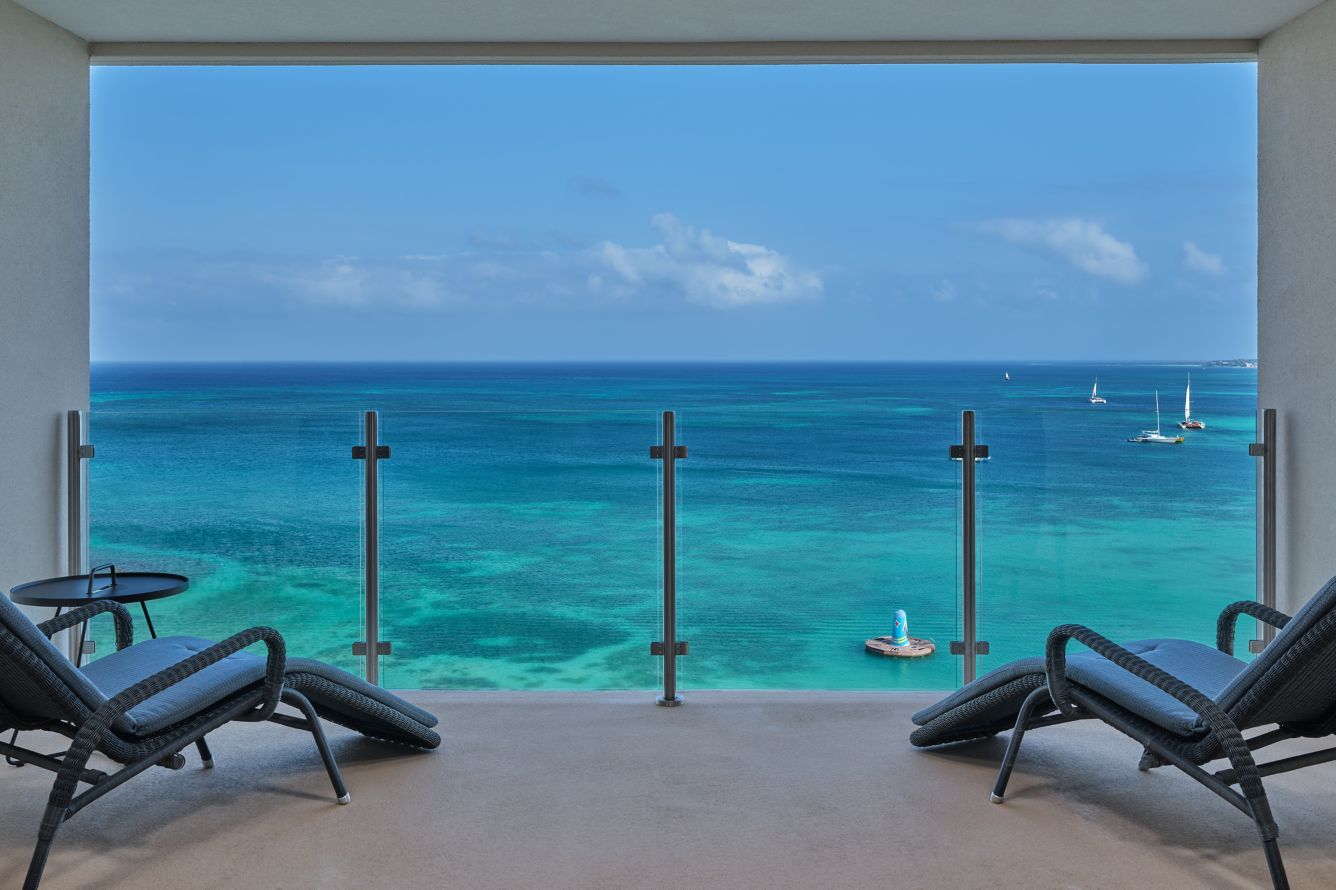 Photo Credit: St. Regis Resort Aruba
In a destination known for ease and familiarity, The St. Regis Aruba introduces something more composed — a polished addition to the area that feels refreshingly intentional. Opened along the island’s most coveted stretch of sand, the resort brings the brand’s signature sense of ceremony to the Caribbean without overpowering its setting. Designed by Hirsch Bender Associates, the architecture and interiors take cues from Aruba’s Dutch-Caribbean heritage and natural landscape: softened palettes, breezeways, and generous terraces that keep the focus on light, sea, and horizon. The 252 guest rooms and suites feel tailored rather than grand, balancing resort comfort with genuine privacy. Dining plays a central role, led by the rooftop outpost of Akira Back, where Japanese- and Korean-influenced menus meet panoramic ocean views, alongside more relaxed beachside and Caribbean-forward concepts that suit the rhythm of the island. Six pools, a full-service spa, and the brand’s attentive butler service reinforce the feeling of considered luxury, while signature rituals — like the house Bon Bini Mary — nod quietly to local culture. Rather than reinventing the island, The St. Regis Aruba elevates the experience, offering a refined, unhurried alternative that feels in step with Aruba’s natural grace.
J.E. Irausquin Blvd 75 E, Noord, Aruba
COLLEGIO ALLA QUERCE, AUBERGE COLLECTION
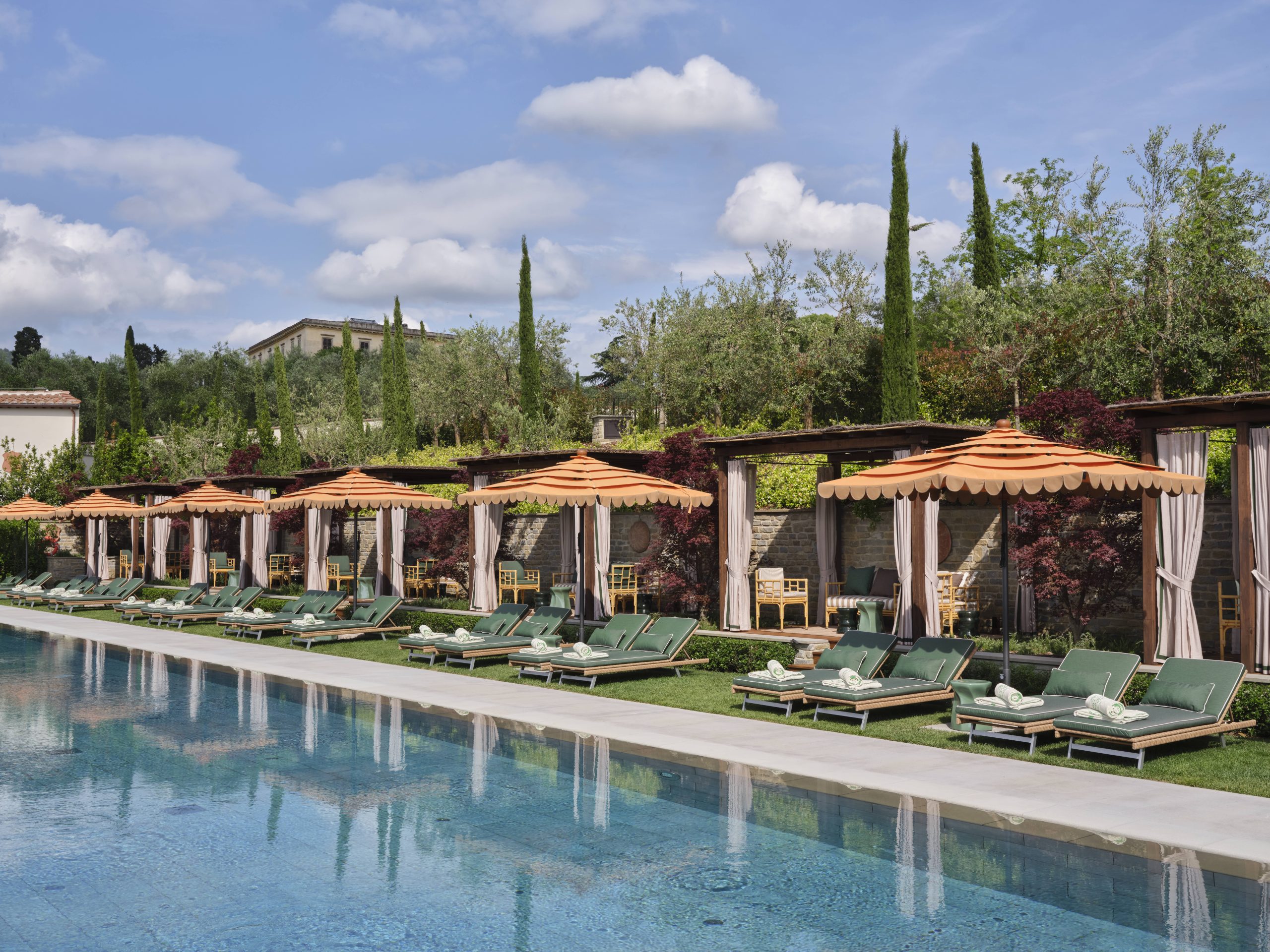 Photo Credit: Collegio alla Querce, Auberge Collection
High above Florence’s UNESCO-listed Centro Storico, Collegio alla Querce offers a vantage point that feels both literal and philosophical. Named for the ancient oaks that shade its terraced gardens, the 16th-century former academic institution has been reimagined as an 83-room hotel that balances Renaissance gravitas with contemporary ease. Once a center of learning where scholars moved between library, chapel, and theater, the property has been thoughtfully restored under the vision of Leeu Collection founder Analjit Singh, with architecture by Esteva i Esteva and interiors by ArchFlorence preserving its original soul. The setting is its quiet triumph: cascading Medici-era gardens lead to a pool and oak-fringed bar, while rooms and suites frame sweeping views over terracotta rooftops toward the Duomo. Via delle Forbici, 21B, 50133 Firenze FI, Italy
BRACH MADRID
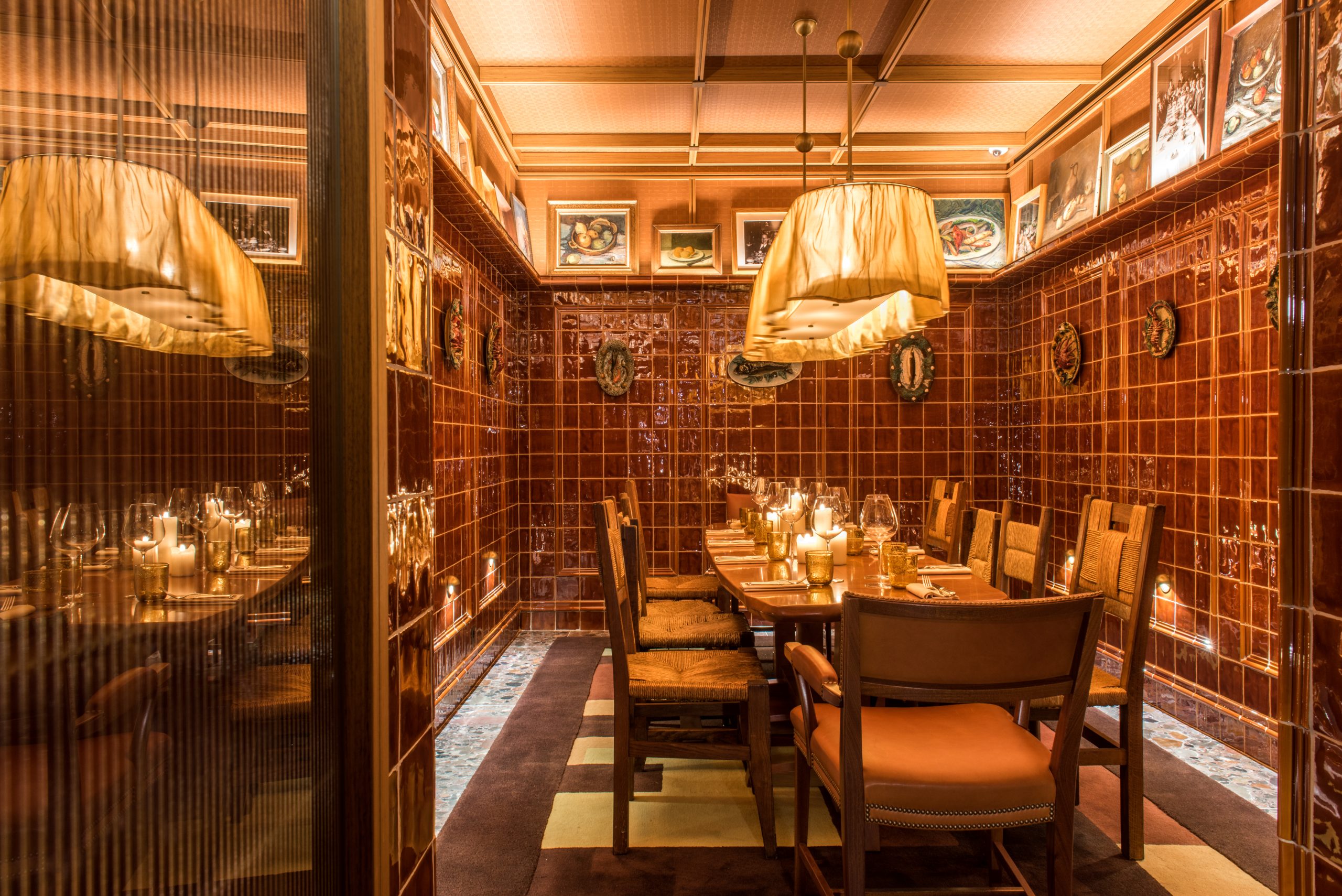 Photo Credit: Brach Madrid/Guillaume de Laubier
Brach Madrid reveals itself over time. Now open on Gran Vía, the five-star property marks Evok Collection’s first foray into Spain, bringing its signature blend of design, intimacy, and cultural fluency to the Spanish capital. Housed in a 1920s building, the hotel has been reimagined by Philippe Starck, whose “modern nostalgic” approach layers Madrid’s past and present into a space that feels both theatrical and personal. With just 57 rooms, the hotel favors atmosphere over scale, each room designed to feel like a lived-in private residence — warm woods, softened jewel tones, and subtle details that suggest memory rather than decoration. Dining anchors the experience, with a Mediterranean-leaning restaurant centered on open-fire cooking and seasonal Spanish ingredients, an intimate bar that nods to neighborhood cafés, and a pâtisserie that bridges Parisian technique with local flavors.
Gran Vía, 20, Centro, 28013 Madrid, Spain
THE CHANCERY ROSEWOOD
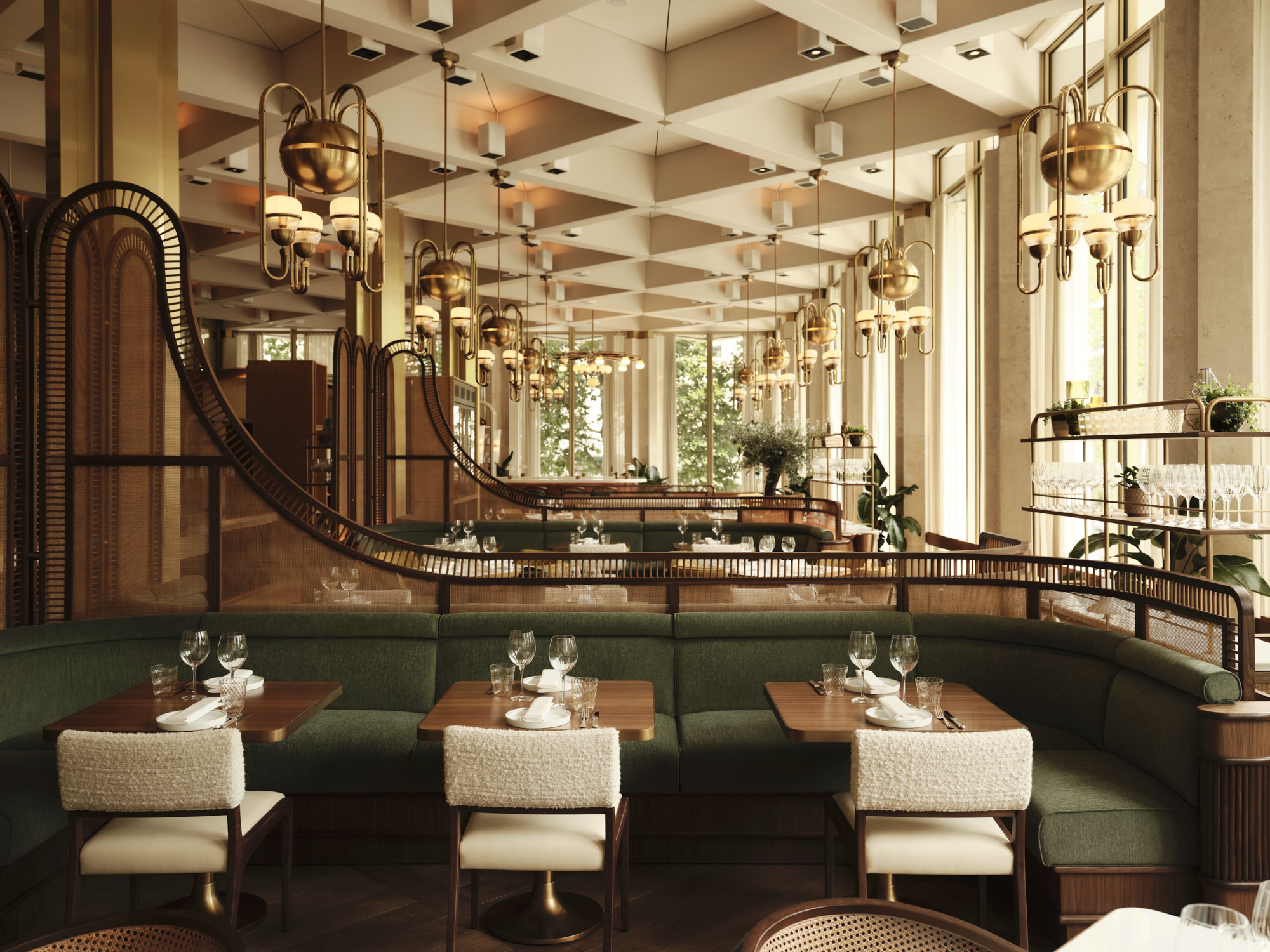 Photo Credit: The Chancery Rosewood/Ben Anders
Some hotels arrive with fanfare; The Chancery Rosewood arrives with authority. Set within London’s former U.S. Embassy on Grosvenor Square, the all-suite property reclaims a midcentury landmark and reframes it as a new focal point for modern Mayfair. Architect Sir David Chipperfield’s restoration preserves the building’s original gravitas, while interiors by Joseph Dirand introduce a quieter, more residential sensibility — one defined by restraint, proportion, and texture rather than excess. With 144 suites, the hotel prioritizes space and composure, offering a sense of calm that feels increasingly rare in central London. Dining and social life are integral to the experience, with eight restaurants and bars — including the first European outpost of Carbone — while the rooftop Eagle Bar, crowned by the building’s restored golden eagle, feels poised to become a destination in its own right.
30 Grosvenor Sq, London W1K 9AN, United Kingdom
PARK HYATT CABO DEL SOL
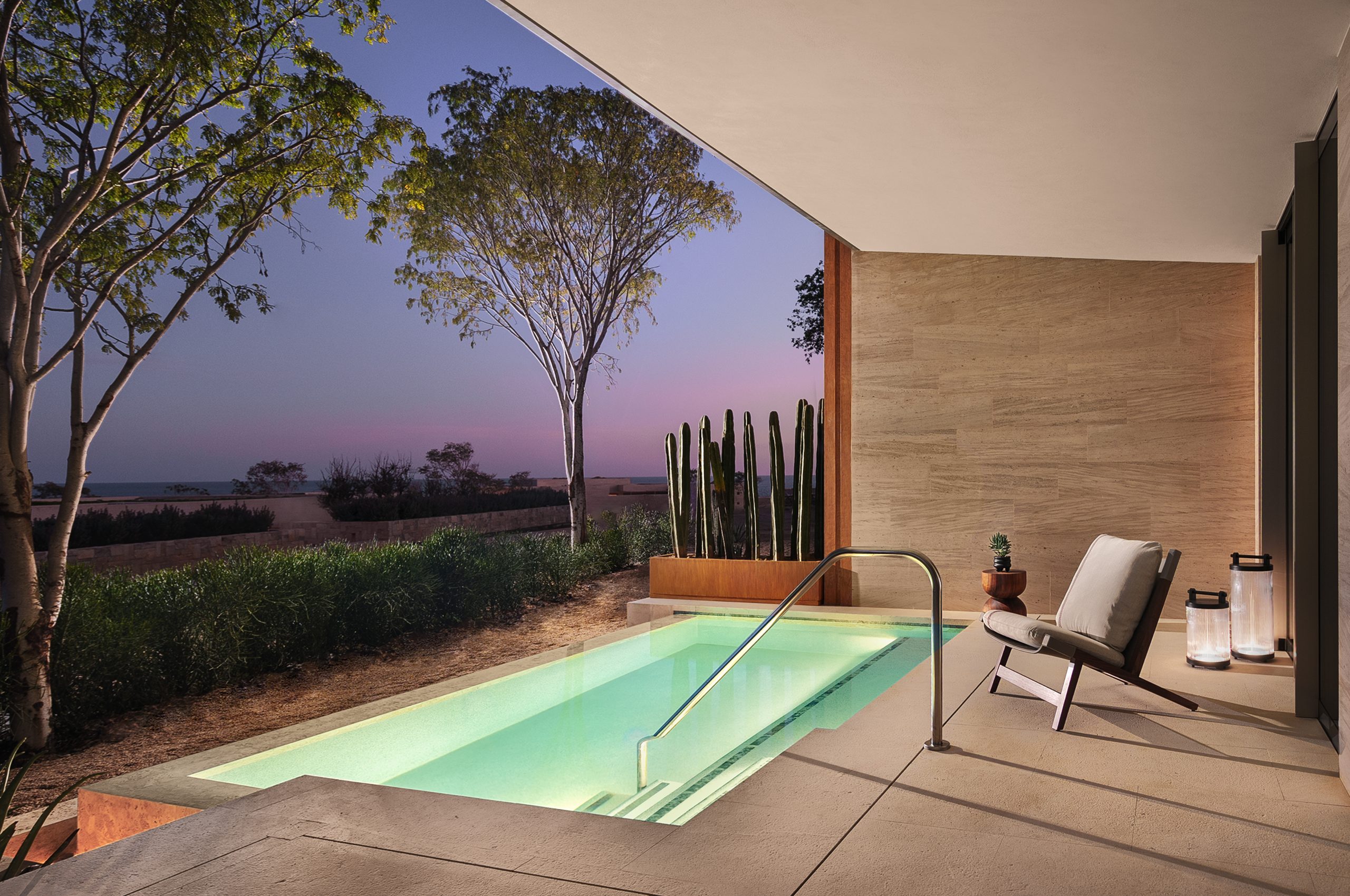 Photo Credit: Park Hyatt Cabo Del Sol
At Park Hyatt Cabo del Sol, luxury is expressed through space, light, and restraint rather than excess. Opened along a quiet stretch of Baja coastline within the private Cabo del Sol community, the resort marks the Park Hyatt brand’s debut in Mexico, and it arrives with a clear sense of place. Architecture by Sordo Madaleno is grounded and low-slung, allowing the Sea of Cortez to remain the focal point, while the concept design by the likes of designers like Yabu Pushelberg bring warmth and refinement through natural materials and soft, coastal tones. The property hosts many ocean-view rooms and suites, along with villas and residences, are designed to feel expansive and unhurried, blurring the line between indoor and outdoor living. Dining follows the same understated philosophy, with a Levantine-leaning signature restaurant, a Mexican concept, and a beach club that keeps the mood relaxed and unfussy. Carr. Transpeninsular KM 10.3, Tourist Corridor, DEL SOL, 23410
THE RED SEA EDITION
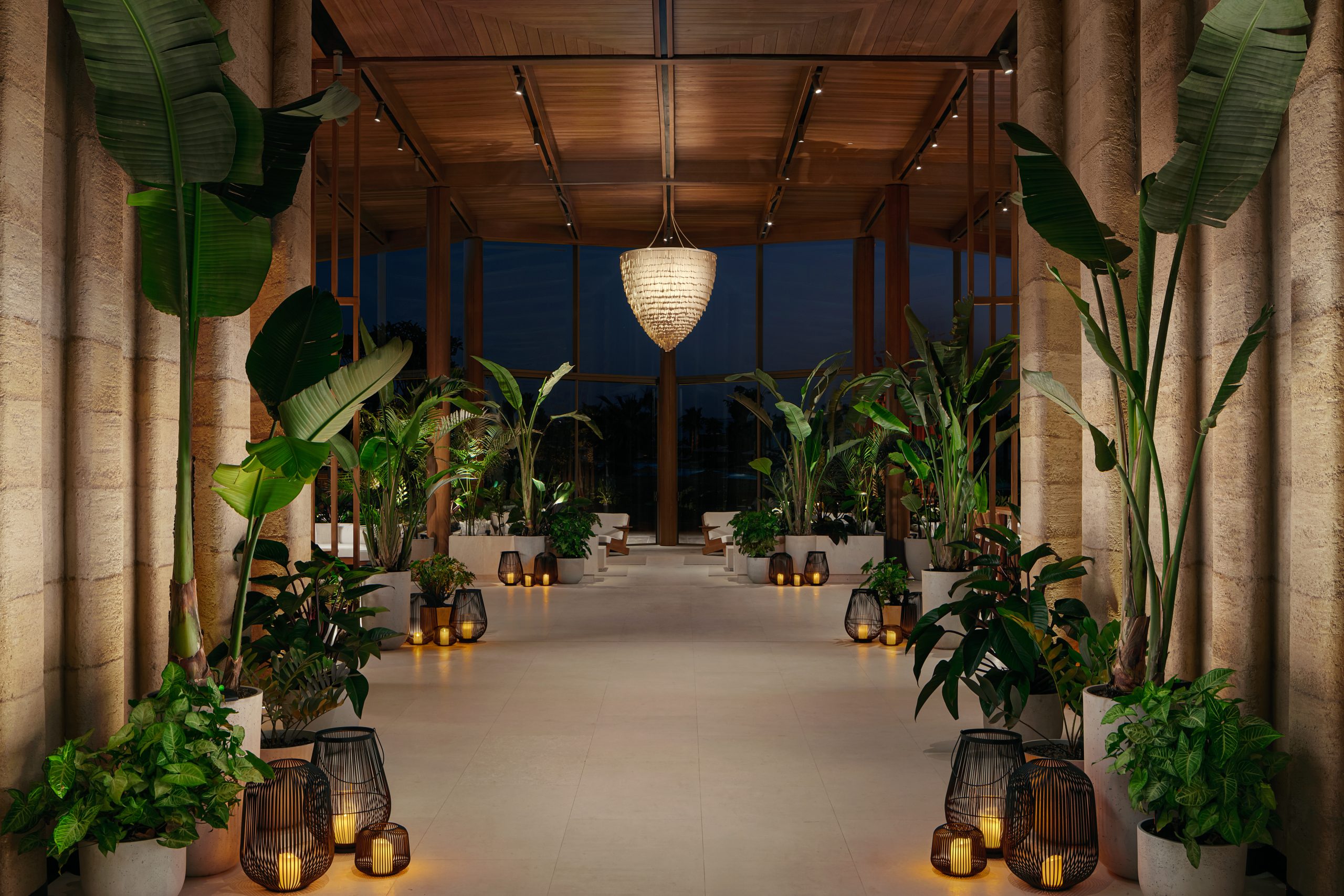 Photo Credit: Red Sea EDITION
Few hotel openings carry the weight of being first. Set along the white sands of Shura Island on Saudi Arabia’s western coastline, The Red Sea EDITION manages to do just that, debuting as the inaugural hotel on the pristine island, positioning itself at the center of the country’s most ambitious luxury and regenerative tourism project to date. Stretched across a half mile of private beachfront, the resort unfolds as a series of low-profile stone and wood pavilions with uninterrupted views over the Red Sea’s turquoise waters and the lush fairways of Shura Links, the kingdom’s first island golf course. Designed by Rockwell Group, the architecture and interiors draw directly from the surrounding landscape — earth walls, coral stone floors, natural oak, and softened textiles echoing desert canyons, coral reefs, and wind-shaped dunes — while maintaining EDITION’s signature restraint and residential ease. The 240 rooms and suites feel calm and inward-looking, many opening onto terraces or plunge pools that blur the line between indoors and shoreline.
Shura Island, Hanak 48313, Saudi Arabia
1 HOTEL TOKYO
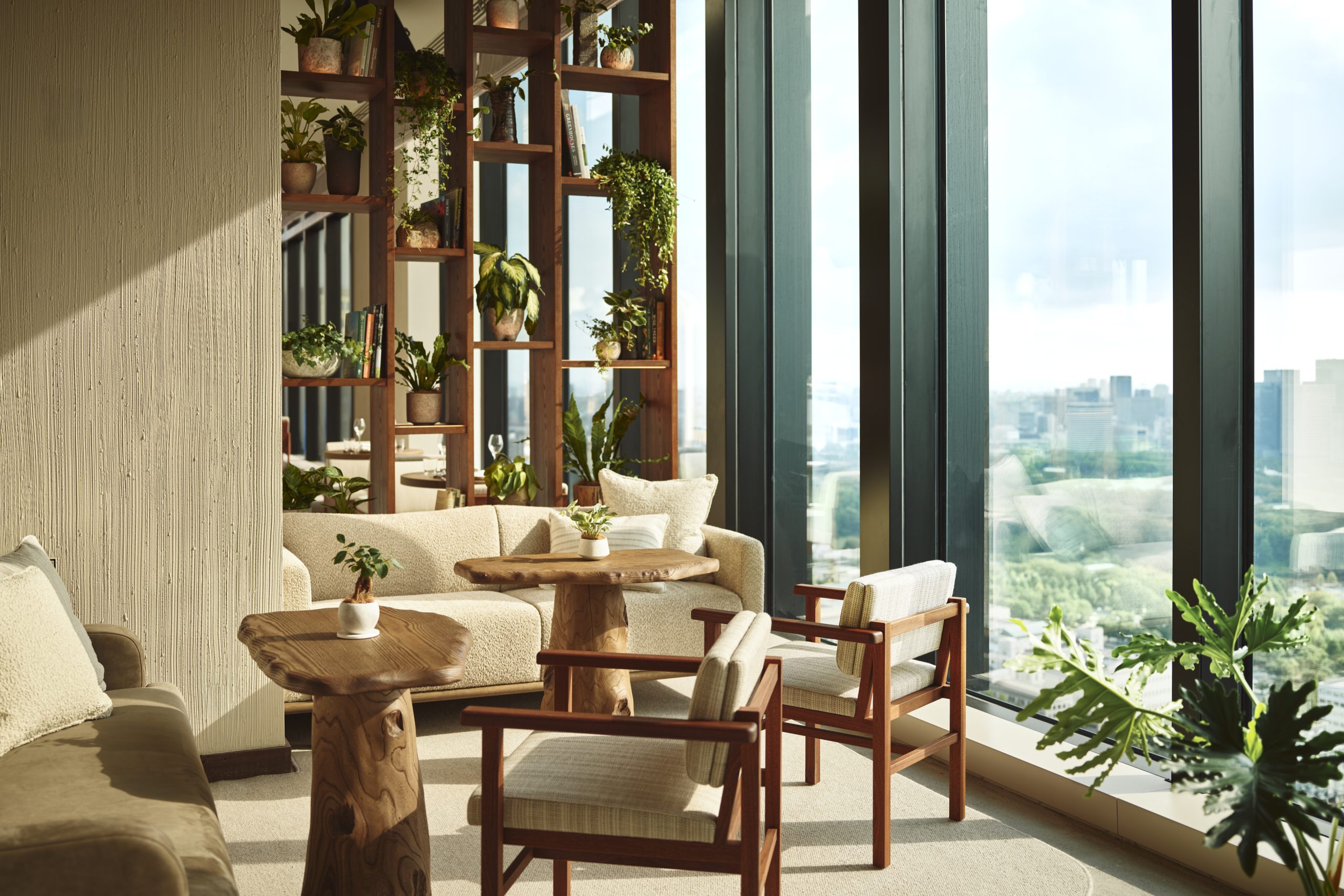 Photo Credit: 1 Hotel Tokyo/Kentaro Kumon
1 Hotel Tokyo has arrived in Japan with a distinct point of view and unmistakable sense of place. Set high within the Akasaka Trust Tower, part of Mori Trust’s ambitious Tokyo World Gate Akasaka development, the hotel rises above the city as a biophilic sanctuary, merging nature, design, and sustainability in one of the world’s most forward-thinking capitals. The property reflects Mori Trust’s shared vision for future-facing luxury — rooted in environmental responsibility without sacrificing beauty or soul. From the moment guests arrive, nature is woven into the experience, from preserved greenery and sculptural stone to organic textures that reference Japan’s wabi-sabi philosophy. Located on the tower’s upper floors, the hotel offers sweeping views of the Imperial Palace gardens, Tokyo Tower, and the ever-shifting skyline beyond.
2 Chome-17-22 Akasaka, Minato City, Tokyo 107-0052, Japan
COMING SOON
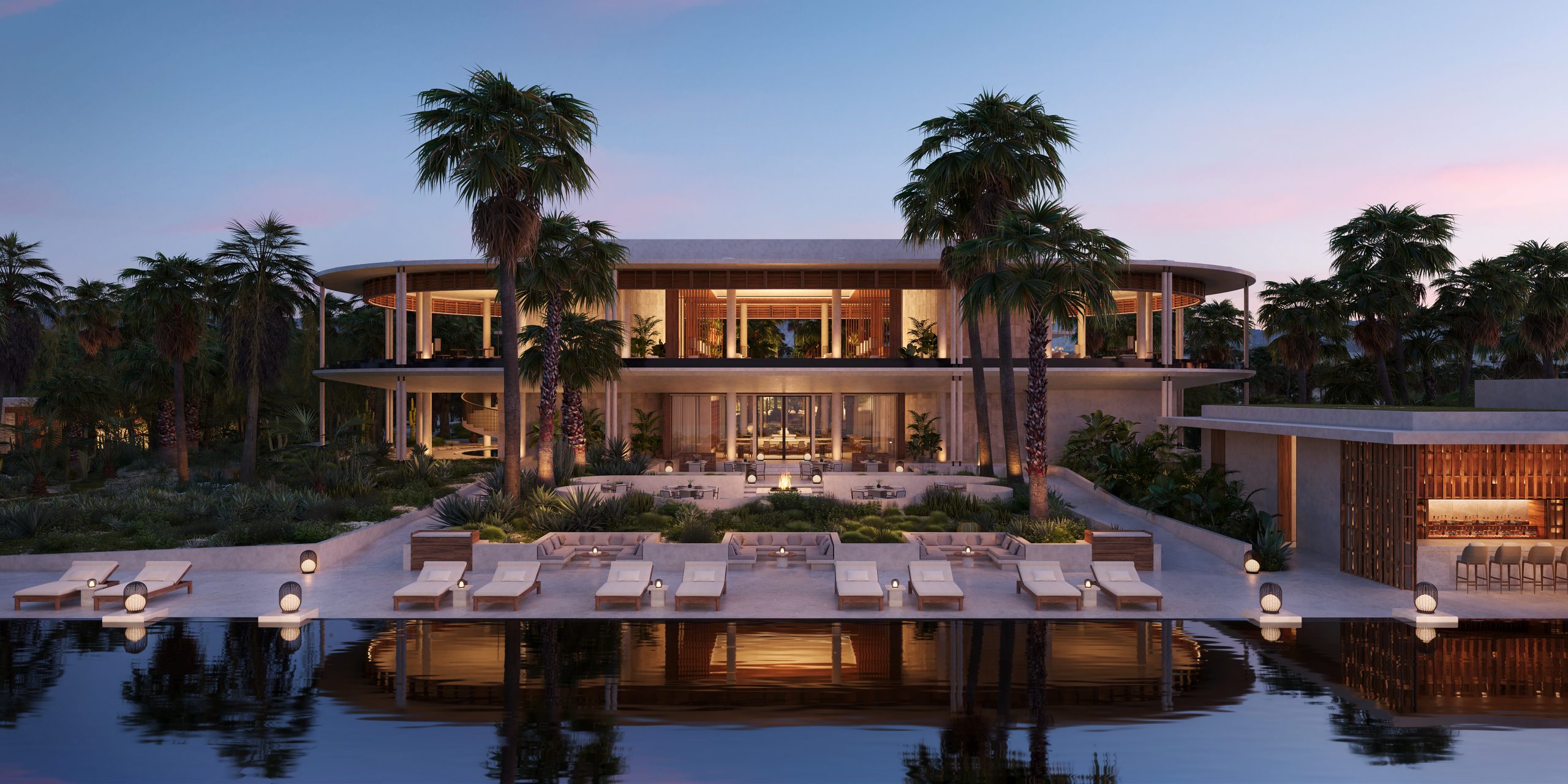
A new generation of hotels is quietly reshaping the global travel map, with openings that lean less on spectacle and more on provenance, design intelligence, and a sense of cultural continuity. In Venice, Orient Express Palazzo Donà Giovannelli (Fondamenta Trapolin, 2291, 30121 Venice, Italy) marks a significant evolution for the storied brand, opening this spring inside a historic palazzo that reconnects the romance of rail travel with the city that once served as Europe’s gateway to the East. Designed by Aline Asmar d’Amman and her studio Culture in Architecture, the 47-room hotel draws deeply from Venice’s layered past, overlooking canals and gardens, and centers its social life around spaces like the frescoed Piano Nobile ballroom, an intimate fine-dining restaurant with private boat access, and the Wagon Bar, a refined nod to the golden age of travel; its connection to La Dolce Vita Orient Express allows guests to arrive seamlessly by foot or water directly from Santa Lucia Station.
Far south, along the unspoiled East Cape of Baja California Sur, Amanvari (23570 East Cape, B.C.S., Mexico) introduces Aman’s singular vision to a region defined by raw beauty, with a resort, private residences, multiple dining venues, an Aman Spa, and a pristine stretch of white sand beach — its name derived from the Sanskrit words for “peace” and “water,” underscoring the brand’s focus on elemental calm.
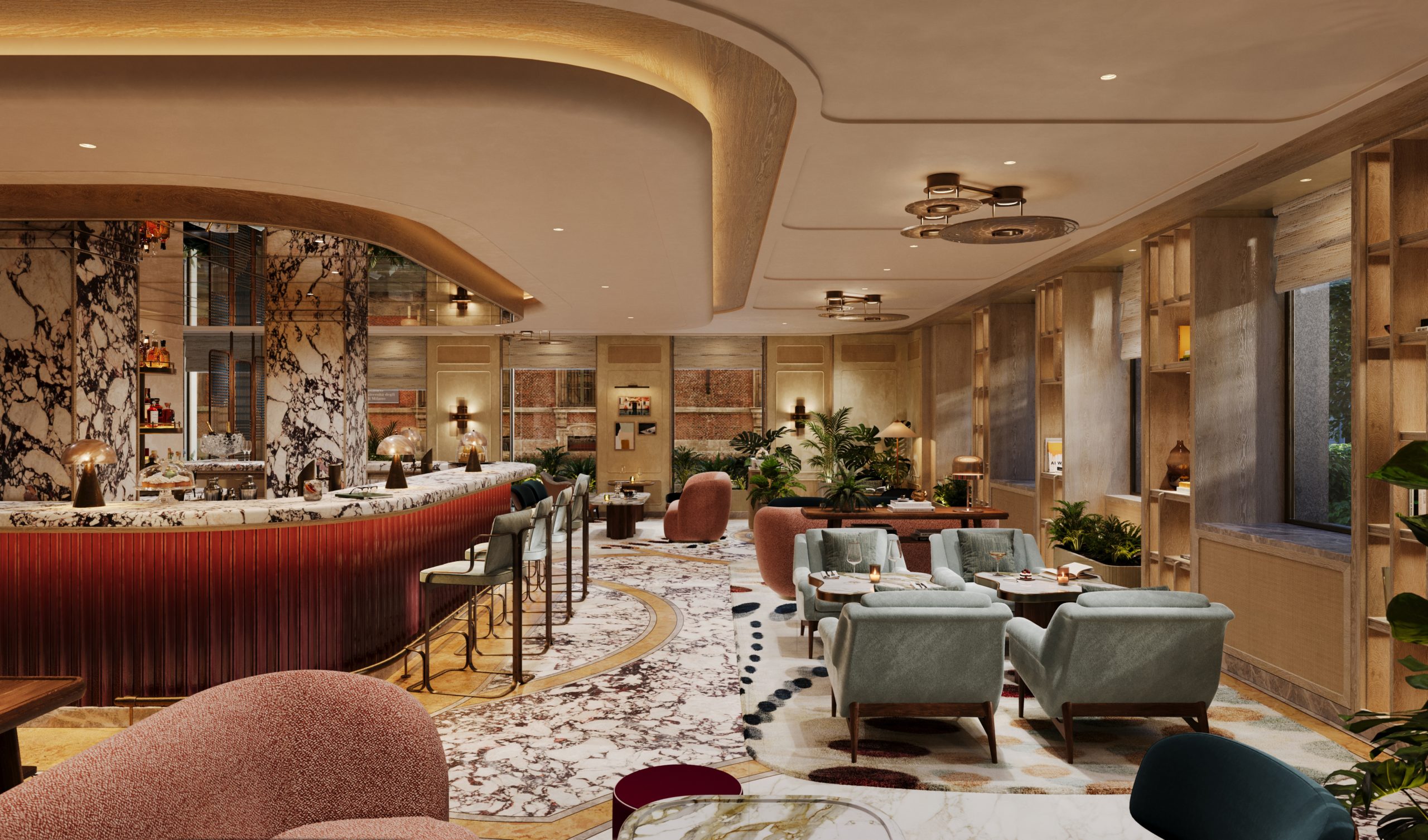
In Italy, Six Senses Milan (Via Brera, 19, 20121 Milano MI, Italy) opens as both urban sanctuary and creative hub within the Brera district, facing the Pinacoteca, just steps from the Duomo. Interiors celebrate Milanese craftsmanship through arabescato marble, antique brass, handmade glass, and mosaic detailing, while 16 suites and 69 guestrooms, a hidden courtyard, rooftop and lobby bars, and a deeply immersive Six Senses Spa reinforce the brand’s commitment to wellbeing and sustainability, anchored by its signature Earth Lab.
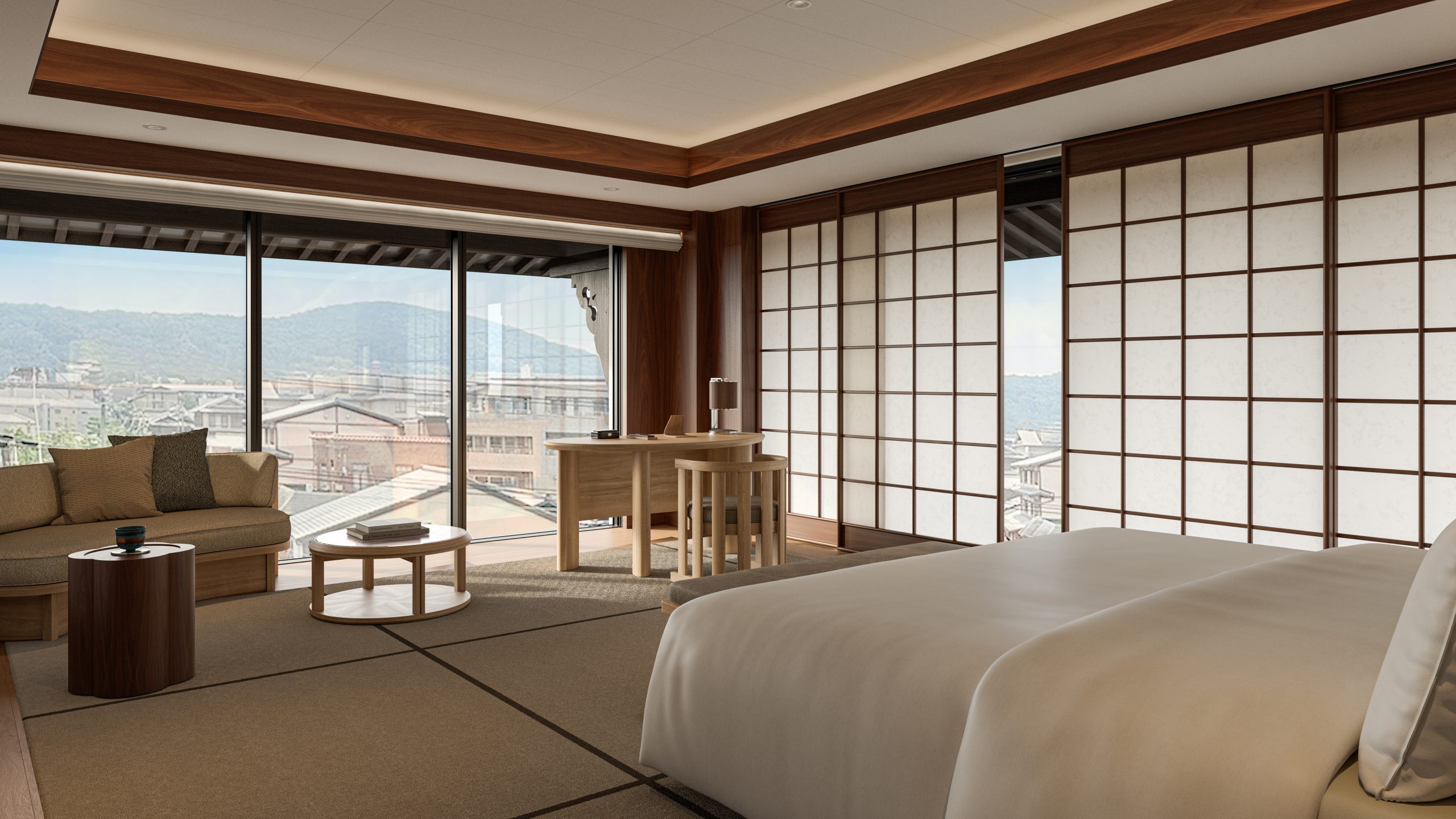
Looking ahead to spring 2026, Capella Kyoto (130 Komatsucho, Higashiyama Ward, Kyoto, 605-0811, Japan) claims one of the city’s most meaningful addresses in Miyagawa-cho, opposite Kenninji temple and near the historic Kamo River, within the district where Kabuki theater originated. Designed by Kengo Kuma, the low-rise hotel reinterprets the traditional machiya townhouse as a contemplative journey through Kyoto’s living traditions, with 89 rooms, private onsen suites, an Auriga Spa, and an open-air courtyard and performance atrium that honor the site’s cultural legacy.
In the Greek islands, Four Seasons Resort Mykonos (Karapetis, 84600 Mykonos), opening mid-2026, brings the brand’s refined sensibility to a dramatic cliffside above Kalo Livadi Bay, offering sea-view accommodations, private plunge pools, multiple dining venues, a hillside spa, infinity pools, and direct beach access that balance privacy with the island’s unmistakable energy.
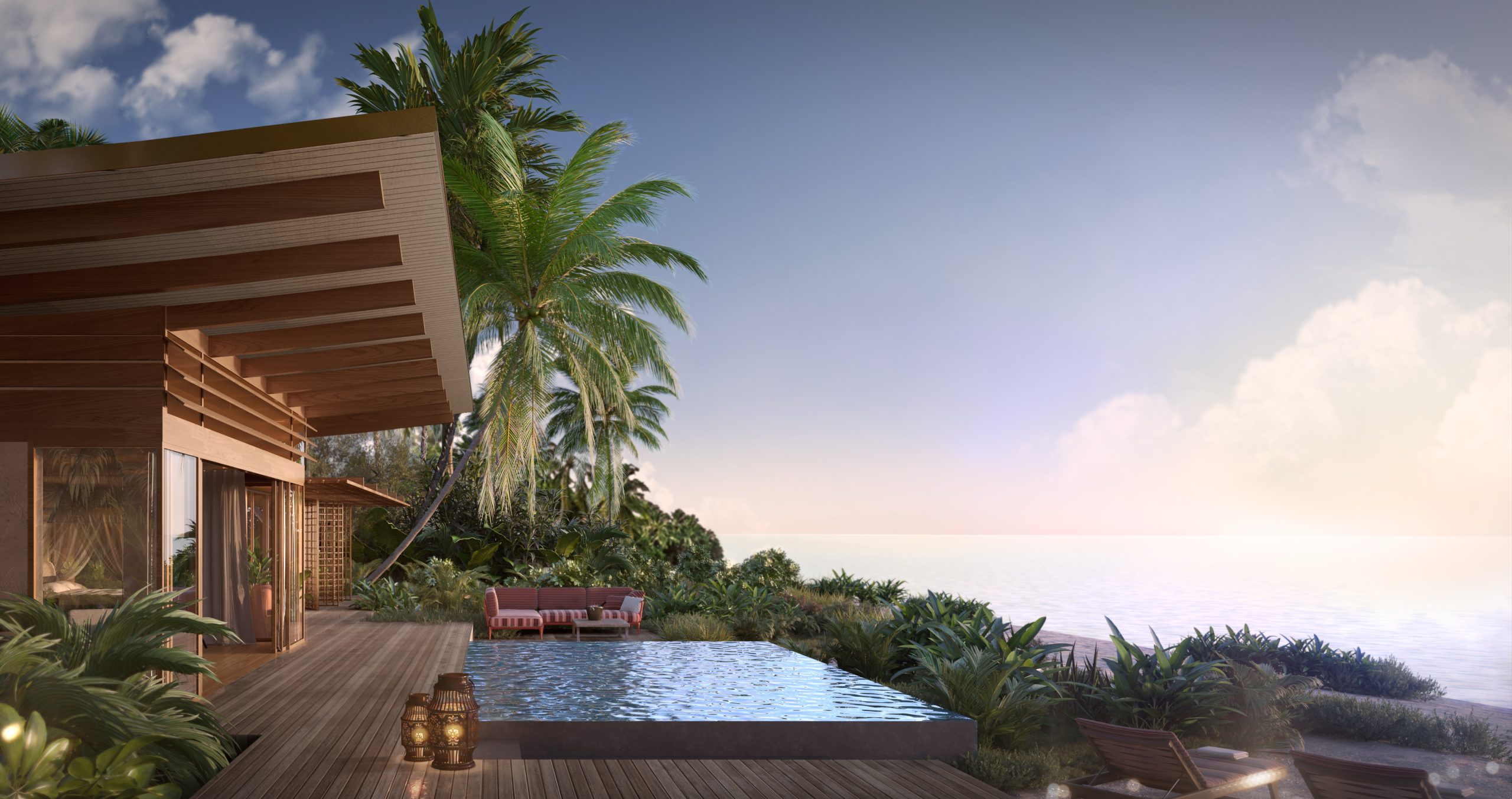
In the Maldives, Bvlgari Resort Ranfushi (Raa Atoll) arrives as the tenth jewel in the Bvlgari Hotels & Resorts collection, set across two-and-a-half acres of natural beauty with beach and overwater villas, four signature dining concepts, and the brand’s iconic spa, bar, boutique, and La Galleria executed under stringent sustainability standards.
Finally, Baccarat extends its crystalline vision to Italy with Baccarat Hotel Rome (Via Vittorio Veneto 50, Rome, Italy 00187), reimagining the historic Hotel Majestic as a glamorous social and cultural hub, while Baccarat Hotel Florence takes shape within the 14th-century Villa Camerata on the city’s northern edge, blending regal history with contemporary interiors, generous suites, and garden-driven dining.
Together, these forthcoming openings signal a shift toward hotels that value context over trend, craftsmanship over excess, and experiences rooted in place — inviting travelers not just to arrive, but to belong.
Looking for accommodations, ground transportation, or a curated travel experience? Haute Black, our luxury travel division, can handle every detail. Contact travel@hauteblack.com or visit www.hauteblack.com
through Haute Black.
Haute Living access. Two decades inside the world’s best hotels.
Virtuoso partner. Upgrades & VIP arrival at 1,200+ properties.
One advisor. Who knows you by name.
Latest from Haute Living
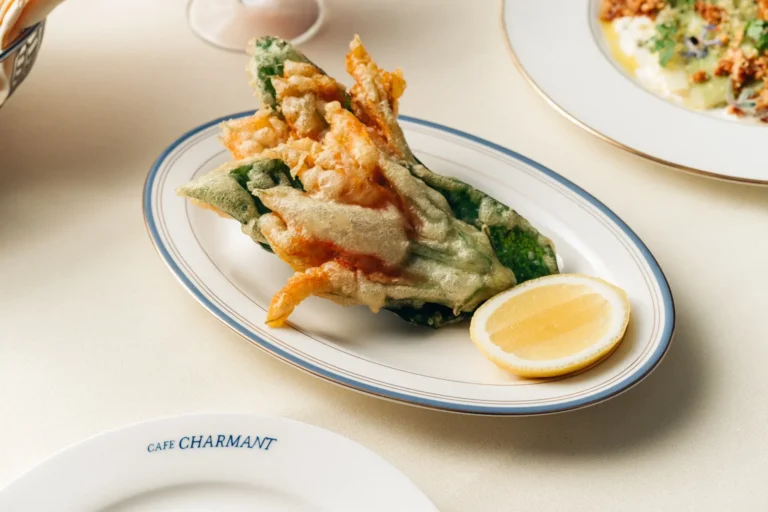
Cafe Charmant Debuts in the West Village With French Riviera Inspired Dining
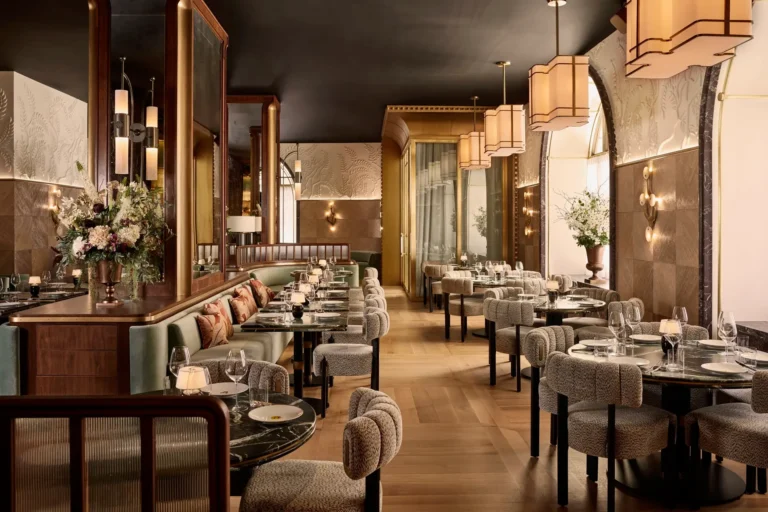
Beefbar New York Brings Monte Carlo Steakhouse Energy to Tribeca
VRAI’s New Tennis Bar is the Ultimate Custom Diamond Experience