Luxury in transition: The Middle East leader’s balancing act
Middle East luxury shifts toward purpose, culture, and personalization, redefining leadership, brand identity, and consumer experience.
By Nicola Turner, principal in the Consumer Markets Practice in Heidrick & Struggles’ Dubai office and head of the Human Resources Officers Practice for Asia Pacific and Middle East.
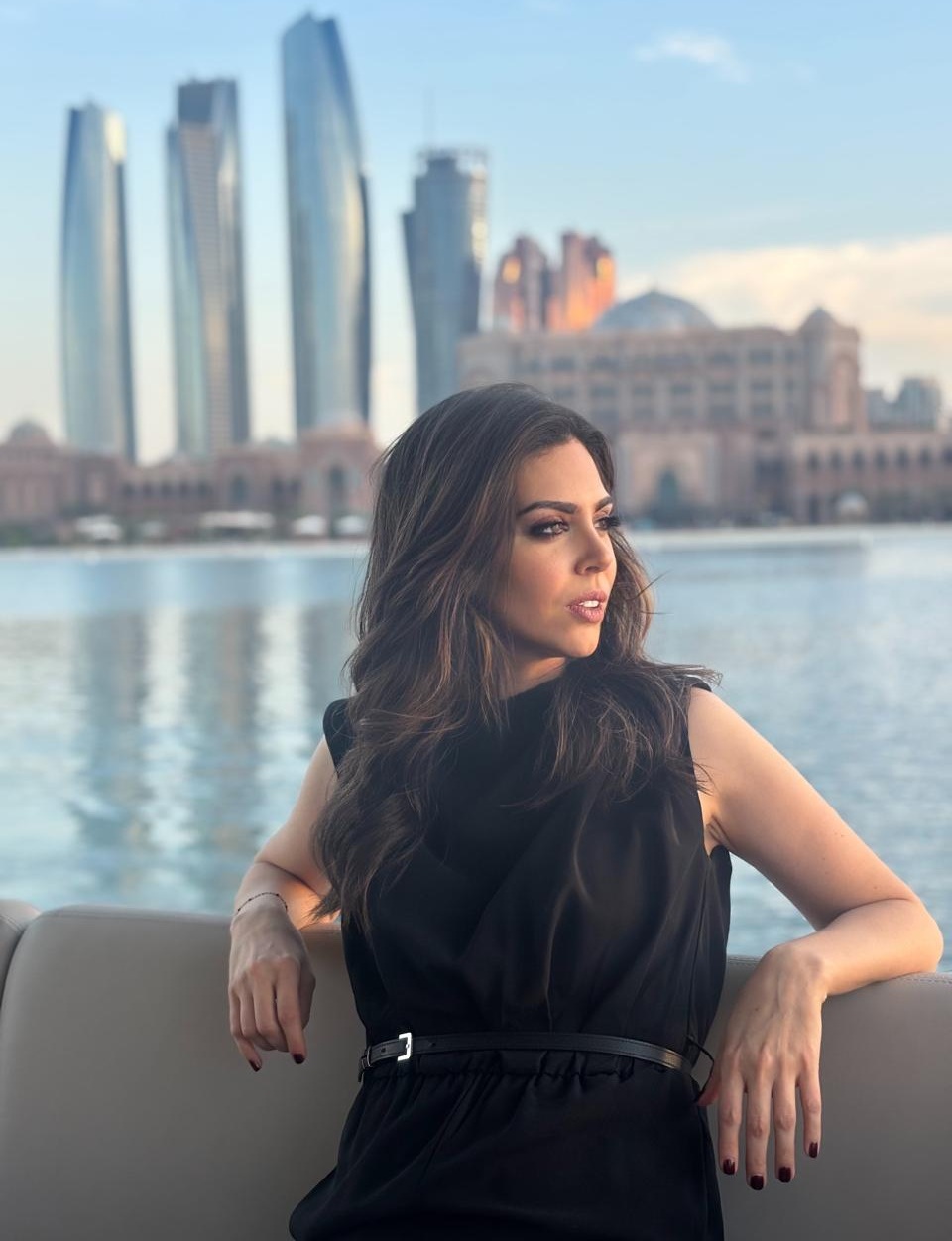
Luxury in the Middle East is undergoing a significant change, with a focus shift towards emotionally resonant, purpose-driven experience. Driven by the rise of sustainable living, demand for culture-first experiences and the digitalization of personalization, today’s consumers are redefining what luxury means to them. To meet the demands of a more discerning, consumer-centric industry, luxury leaders must be able to balance agility with vision, tradition with innovation, and global standards with deep local relevance.
From status to purpose
Today’s consumers are more discerning, informed, and value-driven than ever before. They are in favour of brands that reflect their personal values such as sustainability, authenticity, and emotional connection. Raffaele Breschi, Chief Operating Officer of Arsenale Spa and General Manager of Dream of the Desert, echoes this sentiment, “Experiences that are ‘out of the ordinary’ are no longer about excess – they’re about intimacy, authenticity and time well spent.” In fact, purpose-driven purchases are gaining traction. This is especially so in categories like lifestyle retreats and sustainable luxury.
To navigate this shift successfully, organizations require a deep clarity of brand DNA and vision, often starting with the employees themselves. As the ambassadors of the brand, employees play a critical role in demonstrating the brand’s DNA through every interaction and experience. Accordingly, internal culture must mirror a brand’s external promise and be equally purpose-driven.
Luxury leaders sit at the heart of this strategic alignment, tasked with balancing long-term brand vision with the agility to evolve employee engagement strategies over time. As one CEO of a regional business spanning luxury boutiques, department stores and online platforms in the Middle East puts it, “Being an expert in a particular field is great, but if you can’t adapt, you have a problem.”
 Photo Credit: Nicola Turner
The rise of culturally relevant luxury
In parallel, luxury consumers in the Middle East are starting to prioritize experiences that are authentic to their culture. In response, luxury brands have shifted their focus from merely selling global products to curating experiences that “feel authentic and relevant to the region’s identity”, according to Adil Khammar, Country Managing Director at Nespresso United Arab Emirates (UAE). For instance, more brands are engaging in partnerships with regional creatives to incorporate elements of Middle East culture within products and design.
This culture-first shift brings clear talent implications with organizations investing in local talent with cultural fluency. Fuelled further by initiatives like Emiratization and Saudization, companies are cultivating locally staffed workforces who possess an intimate understanding of the cultural and emotional nuances that matter to the region’s luxury consumer.
Yet at the same time, globalization demands that talent must have global acumen to navigate the expectations of an increasingly interconnected world. This requires leaders who can bridge localized brand strategies to global business dynamics. In fact, Heidrick & Struggles’ latest 2025 Route to the Top research showed that half of CEOs in the UAE have cross-border experience, underscoring demand for leaders who come with a global lens.
 Photo Credit: Nicola Turner
Digital personalization with a human touch
Technology is also changing how luxury brands engage with customers. Traditionally, luxury was defined by hands-on service, white-glove experiences and a strong personal connection with their sales assistants. Today, consumers expect luxury to be fast and efficient, yet still remain deeply personal and human-centric.
The rise of digital personalization means that brands must combine the best of data intelligence with human connection. Digital now spans the entire luxury journey “from packaging to follow-up”, according to the CEO overseeing a range of luxury boutiques, department stores, and online platforms in the Middle East. This can come in the form of digitally curated product recommendations, or the use of immersive technologies such as augmented reality filters and virtual reality showrooms. But organizations must ensure that it doesn’t become “a transactional experience”, cautions the same CEO.
Photo Credit: Nicola Turner
The balancing act of today’s luxury leader
Balancing vision with agility, local with global, and tradition with innovation are not siloed. They converge in practice. A leader cannot drive innovation without understanding local culture, nor develop a clear brand vision without having a grasp on global pressures. It is this intricate interplay that defines modern luxury leadership and it’s what makes luxury leadership in the Middle East both challenging and more vital than ever.
Disclaimer: Written in partnership with APG.
Latest from Haute Living
Inside the Gucci Store Show, Demna’s First Full Statement for the House
Say Yes to the Dress, Then Stay the Night: Vera Wang’s New Bridal Suite in Beverly Hills
OneRepublic Is Headlining the Bahamas Culinary and Arts Festival at Baha Mar This October