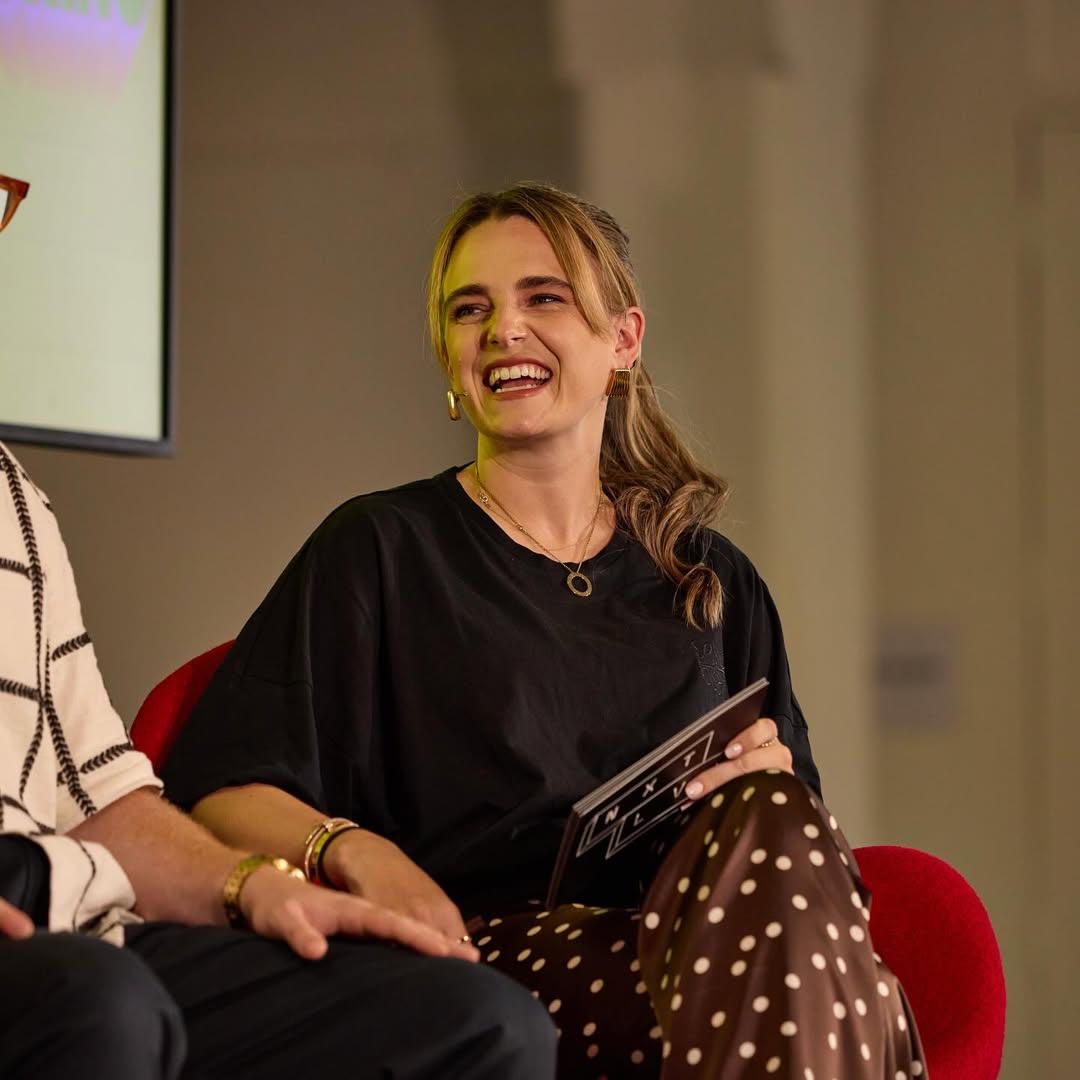
Rewriting the Rules: Sedge Beswick on Risk, Motherhood, and Success
In a world that runs on conformity, Sedge Beswick has established her career through standing apart. A builder, forward-thinker, and creative strategist, Beswick has built her career by seeing new opportunities where everyone else sees risk.

In a world that runs on conformity, Sedge Beswick has established her career through standing apart. A builder, forward-thinker, and creative strategist, Beswick has built her career by seeing new opportunities where everyone else sees risk. Today, as a consultant, an advisor, and a brilliant speaker, Beswick brings her ambitious and entrepreneurial nature into every room she steps into. Through her perspective as both a founder and working mom, Beswick is focused on growth as well as redefining the narrative around success and balance. In this exclusive interview with Haute Living, Beswick opens up about the reality of building a business while raising a family, the risks that shaped her career, and why success doesn’t have to look the same for everyone.
Haute Living: You grew your agency to £24M valuation and then sold it—what’s the one risk you took that scared you the most but paid off the biggest?
Sedge Beswick: Honestly, the biggest and scariest risk was starting the business at all. I’d always worked in-house at big, stable companies like ASOS and Three. I had security, structure, and that lovely guaranteed pay cheque at the end of each month. Walking away from it all felt reckless – but it turned out to be the best decision I ever made.
Once we launched, the next big risk (and what eventually became our entire ethos) was saying “yes” first and figuring out the logistics later. Influencer marketing was still in its infancy, so brands needed confidence—and sometimes that meant we had to build the plane mid-flight. We didn’t have a set model or playbook in those early days, but some of our most profitable and exciting work came from those “we’ll work it out” moments.
I’m a huge advocate for this approach when you’re starting out: say yes, then solve the how. Momentum matters far more than perfection.
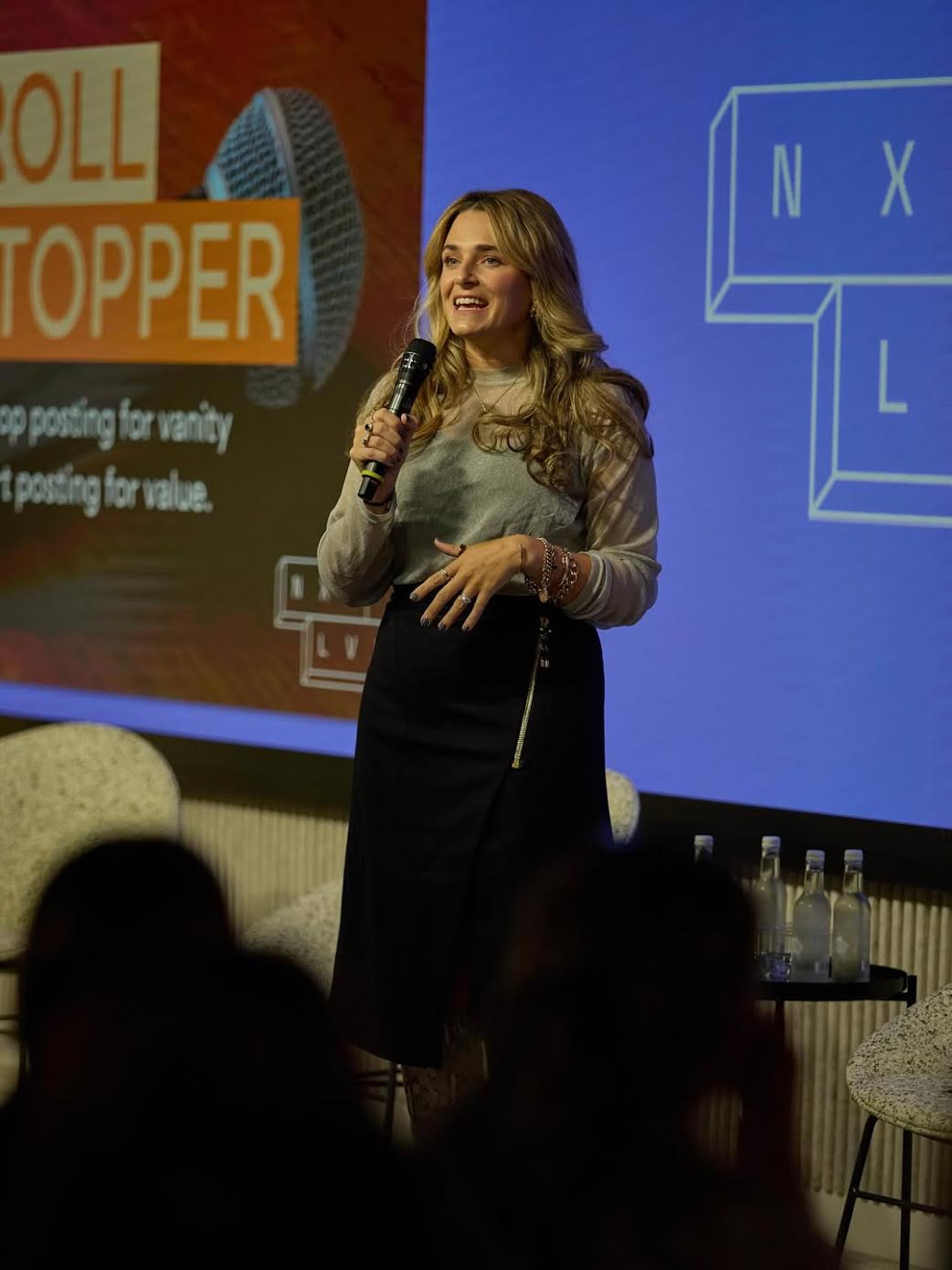
HL: You’ve worked with huge brands like Nike and Red Bull—what’s the secret to making influencer marketing actually move the needle for them?
SB: The real secret is knowing that there is no one-size-fits-all approach. Every brand has a different challenge and therefore needs a different solution—and absolutely different talent. A fashion brand may need direct sales. Nike might want to drive people into stores. Red Bull might be aiming to reach a whole new audience segment. Those are completely different problems, and each one requires a tailored strategy and creator mix.
The second non-negotiable is defining what success looks like before you start. If you don’t know what “good” means, you’ll have no way to measure whether the campaign actually worked. Influencer marketing only truly lands when the strategy is as bespoke as the creators themselves.
HL: You’ve spoken about letting go of the pressure for women to “have it all”—what’s one thing you do every week to keep the balance between business and family?
SB: I haven’t worked a Friday since having kids. That’s my day to be Head of Entertainment – laptop locked away, fully present with them. Once they’re in bed I’m usually straight back to the laptop, trying to keep all the plates spinning, but that uninterrupted Friday is gold. It keeps me motivated to make everything else work so I can protect that time.
That routine will change in September when my eldest starts school—and I’m already emotional about it. When that day comes, I’ll have to find a new weekly ritual that lets me feel like “mum first” again.
HL: A lot of women still feel they have to choose between career and kids—what would you say to someone who thinks having both isn’t possible?
SB: If I’m being totally honest, I don’t think you can have it all at the same time. We’re operating within a system that wasn’t built with us in mind. Childcare costs, the mental load, the expectations – it’s a lot. Every working mum knows the phrase: “work like you don’t have kids, and parent like you don’t have a career.” That line lives rent-free in my head daily.
I had my eldest at 34 after working relentlessly since I was 16. I’d sacrificed so much in my twenties to build my career, and that gave me choices later—like not working Fridays or being the one who does the nursery drop-off. But I know that’s a privilege most people don’t have.
In the UK, 54,000 women lose their jobs every year simply because they started a family. The system is the problem—not the women. So if you’re trying to juggle both and constantly feel like you’re falling short, please hear this: you’re not failing. Some days your career will win, other days your family will. You just do what you can, when you can – and the pressure needs to lift.
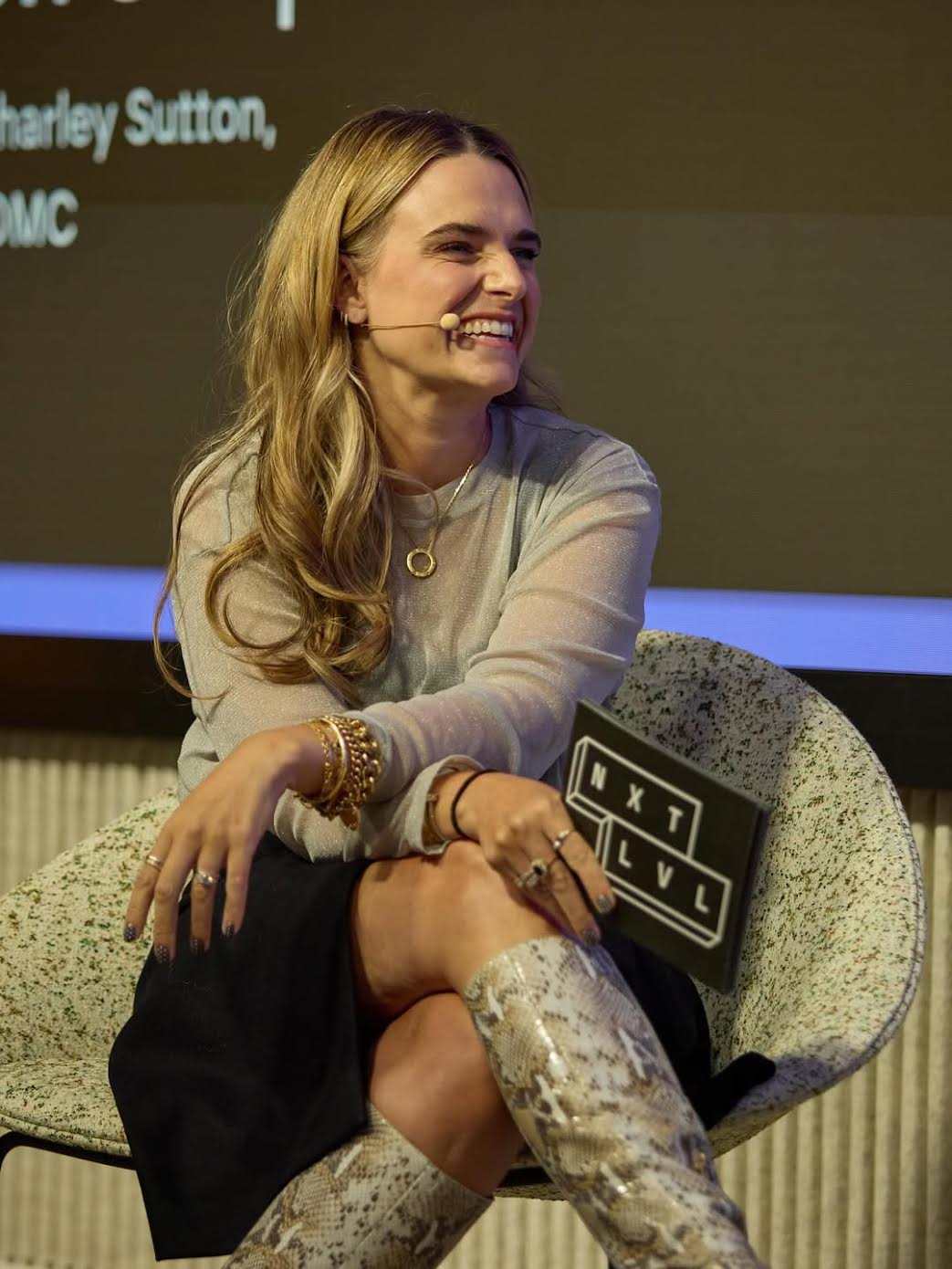
HL: You talk about success not being linear—what’s one big failure you had that ended up being the best thing for your career?
SB: From the outside, I think some people assumed that me leaving the business I founded meant I’d failed—that I couldn’t hack being a CEO or couldn’t balance it all. But in reality, leaving was the easiest and clearest decision I’ve ever made. The business wasn’t struggling; in fact, it’s grown even more since I stepped away. Building something that can thrive without you is an achievement in itself.
What had changed was me. The chapter of going all-in on my career was closing. I wanted to be a present mum, and I couldn’t do that while working 24/7 and hopping on a plane every time a client needed me.
Stepping away gave me the chance to rewrite my rulebook—to reset my values and reconnect with what genuinely motivates me. Now I get to spend more time with my kids (the hardest, most chaotic job I’ve ever had), while also sitting on boards, advising businesses, teaching children from underprivileged backgrounds to read, building strategies, and founding new ventures I don’t need to run day-to-day. Exiting the business gave me the freedom to design a next chapter on my terms – which is also how my venture, NXT LVL, came to life!
It wasn’t failure at all—it was the pivot that opened up the most fulfilling chapter yet.
Latest from Haute Living
Haute List: The October Must-Haves for Haute Living Editors

A 24-Carat Pink Diamond Hidden for 70 Years is Headed to Auction

Louis Vuitton, Audemars Piguet & More: The Luxury Brands Taking Over Art Basel Paris 2026