
How Two Women Are Disrupting the Spirits Industry — And Inspiring the Next Generation
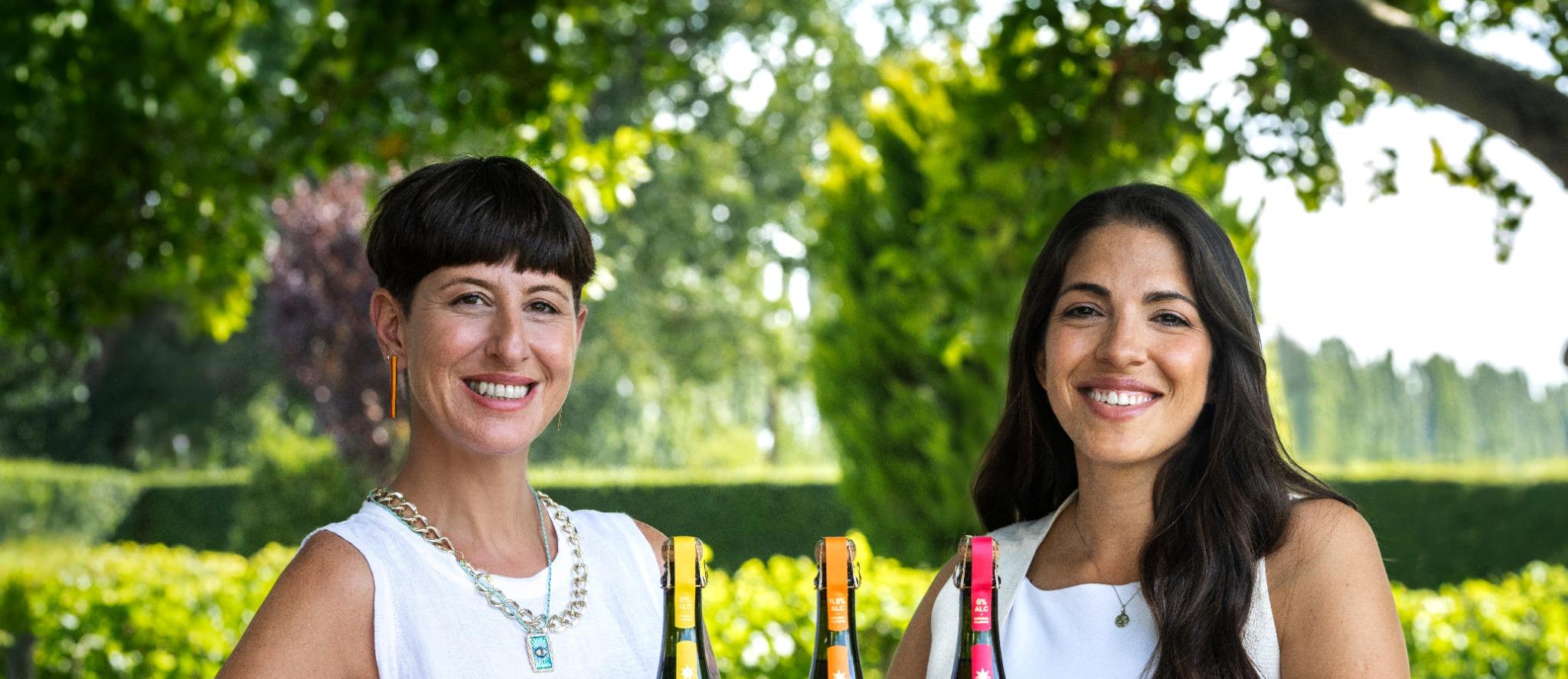 Photo Credit: Chandon
For most of its history, the global wine and spirits industry has been shaped behind closed cellar doors and bar counters by men. From vineyard leadership to distillery floors to the cocktail programs defining nightlife culture, women were often present — but rarely positioned at the center of decision-making. They poured, they served, they smiled. They were there for the atmosphere and absent from the architecture. That landscape, however, has been steadily shifting as a new generation of female leaders pushes into spaces once considered firmly out of reach — not because the industry handed them anything, but because enough women before them refused to leave quietly.
Two of those women are Ana Paula Bartolucci and Inés de los Santos — though their paths to this moment look nothing alike, and that difference is actually the whole story. And we’re here to tell it as International Women’s Month comes to a close.
Bartolucci came up in a winemaking world that, by her own account, had already begun to change by the time she arrived. The battles had been fought. The resistance had been worn down. The women who came before her had done the harder, lonelier work of existing in rooms that didn’t want them there, of being taken seriously through sheer force of talent and refusal to disappear, of leaving doors open behind them that had previously only swung one way. By the time Bartolucci was building her career in the vineyards and cellars of Mendoza, the ground had already been cleared. Not perfectly. Not completely. But enough.
De los Santos is those women.
She started in 1988. The bar world she entered was overwhelmingly, unapologetically male — not in the quiet, institutional way that industries can be male without quite admitting it, but in the explicit, this-is-not-your-space way that required a specific kind of nerve to push back against. She pushed back. For thirty years she built a career and a reputation across Latin America, founding Cochinchina in Buenos Aires and
in São Paulo, becoming one of the most respected voices in the international bar community, and doing all of it in conditions that the next generation of women entering the industry will largely never have to face — because she and women like her made sure of it. When Bartolucci speaks about the pioneers who made her path possible, she is, without quite saying it, describing the woman sitting across from her.
Which makes what happened next feel less like a collaboration and more like a closing of a loop.
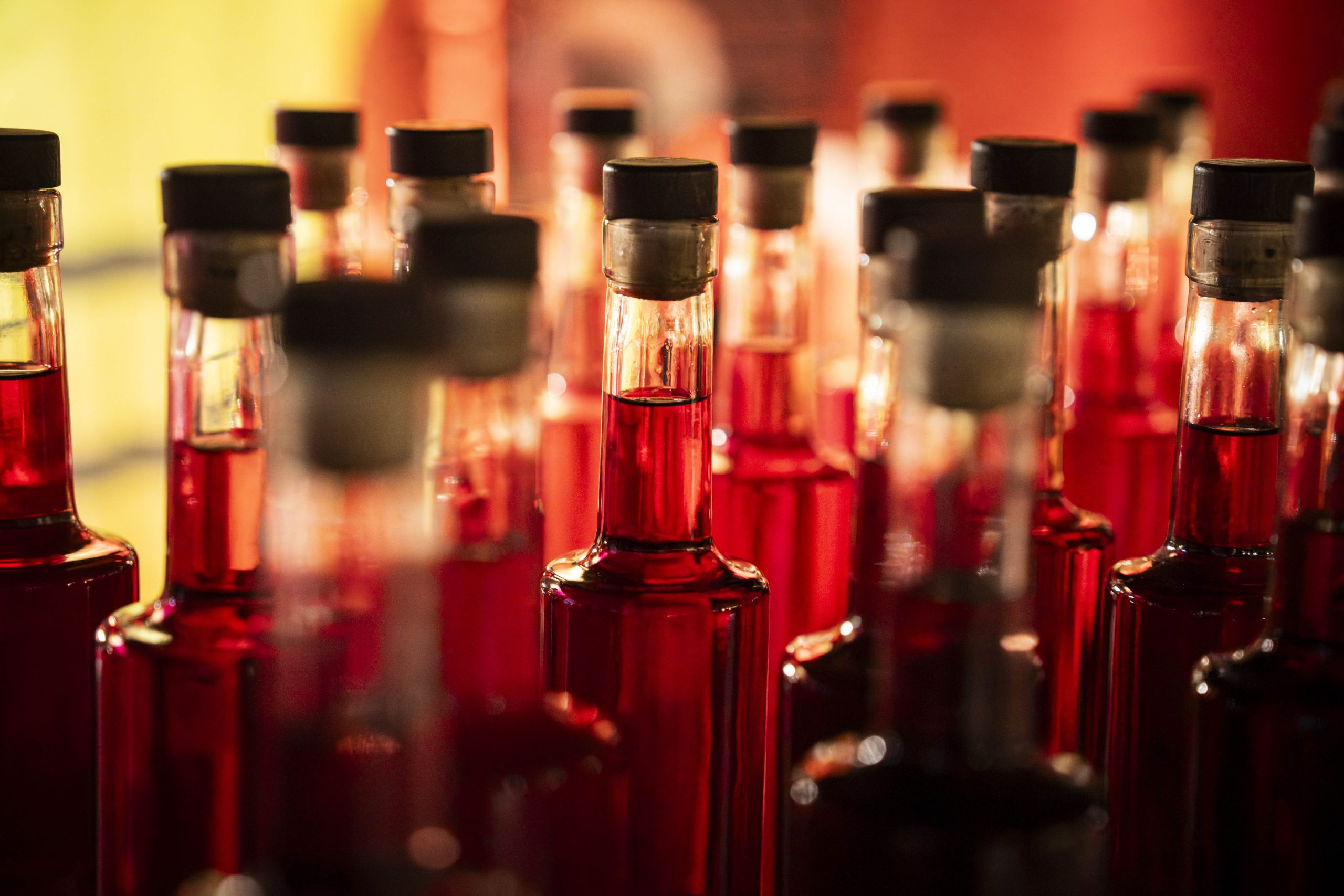 Photo Credit: Chandon
The project began within Chandon, the sparkling wine house founded in 1959 when Champagne visionary Robert-Jean de Vogüé made the then-radical decision to take traditional Champagne expertise beyond France and into vineyards across the globe. Starting in Mendoza, Argentina, the brand eventually expanded to California, Brazil, Australia, China, and India, building a network of wineries united by a shared approach to sparkling wine craftsmanship and a willingness to experiment at the edges of what sparkling wine could be. Within that ecosystem, Bartolucci has become one of the most influential voices in Argentine winemaking — overseeing the delicate balance between vineyard expression and technical precision that defines the best of what the region produces.
But when Chandon began thinking seriously about the spritz — a drink that has moved rapidly from European terrace tradition to global cocktail staple, and that most of the industry has treated accordingly, as something to be bottled quickly and positioned prettily — the winemaking team realized that redefining it would require a perspective the cellar couldn’t provide on its own. You can make a great sparkling wine without ever thinking about how it feels to hold the glass. You cannot make a great spritz that way. For that, you need someone who thinks from the other side of the bar.
Enter de los Santos.
The two had never met before. And when the approach came, the whole project was — as de los Santos describes it — highly confidential. She knew she’d be working with experts. She didn’t know much more than that. There was a leap of faith required before the information arrived to justify it. She took the leap. And then, for four years, the two women (alongside Chandon’s California-based winemaker, Pauline Lhote) worked across disciplines and continents, blending the structure and precision of sparkling winemaking with the instinctive, guest-first logic of cocktail culture — asking not just what the drink could be technically, but how it would actually live in the real world, in glasses held by guests, at tables surrounded by friends, in the kind of unhurried evening that a great spritz is designed to extend.
Four years. For a spritz. That number is worth sitting with, because it tells you exactly what kind of project this actually was — and exactly what kind of women were running it.
The result is a trio of expressions that pull ingredients from across Argentina with an almost unreasonable level of specificity: hibiscus from the tropical north, berries from Patagonia, oranges from a particular organic farm that has worked the land for three decades and only ever organically. Ready to serve — accessible, unpretentious, designed for real life — but built with the same obsessive sourcing standards you’d expect from a serious wine program. The accessibility is the point. The craft is non-negotiable. Both things, simultaneously, without apology.
Beyond the product itself, the collaboration quietly reflects something larger happening across the drinks world. Women have moved steadily into leadership roles across both winemaking and hospitality — industries that, not long ago, made that movement as difficult as possible. The progress is real. It is also incomplete, and everyone in this conversation knows it. Bartolucci is aware that she is standing on ground someone else cleared. De los Santos is aware that she is part of the reason the clearing happened. And both of them are aware that the work of making space — genuinely, sustainably, not just symbolically — falls to the women who have already made it through.
That responsibility is not abstract for either of them. It is specific, and practical, and present in how they talk about their careers, their choices, and what they hope the next generation of women entering this industry will find waiting for them.
In the conversation that follows, Bartolucci and de los Santos discuss the creative process behind the collaboration, the evolution of the spritz as a global drink, what luxury actually means when craft is the throughline, and what it looks like to build a career — and a voice — in an industry that is still, slowly, learning how to share the spotlight.
Why the next generation of women in the spirits industry should never wait for permission.
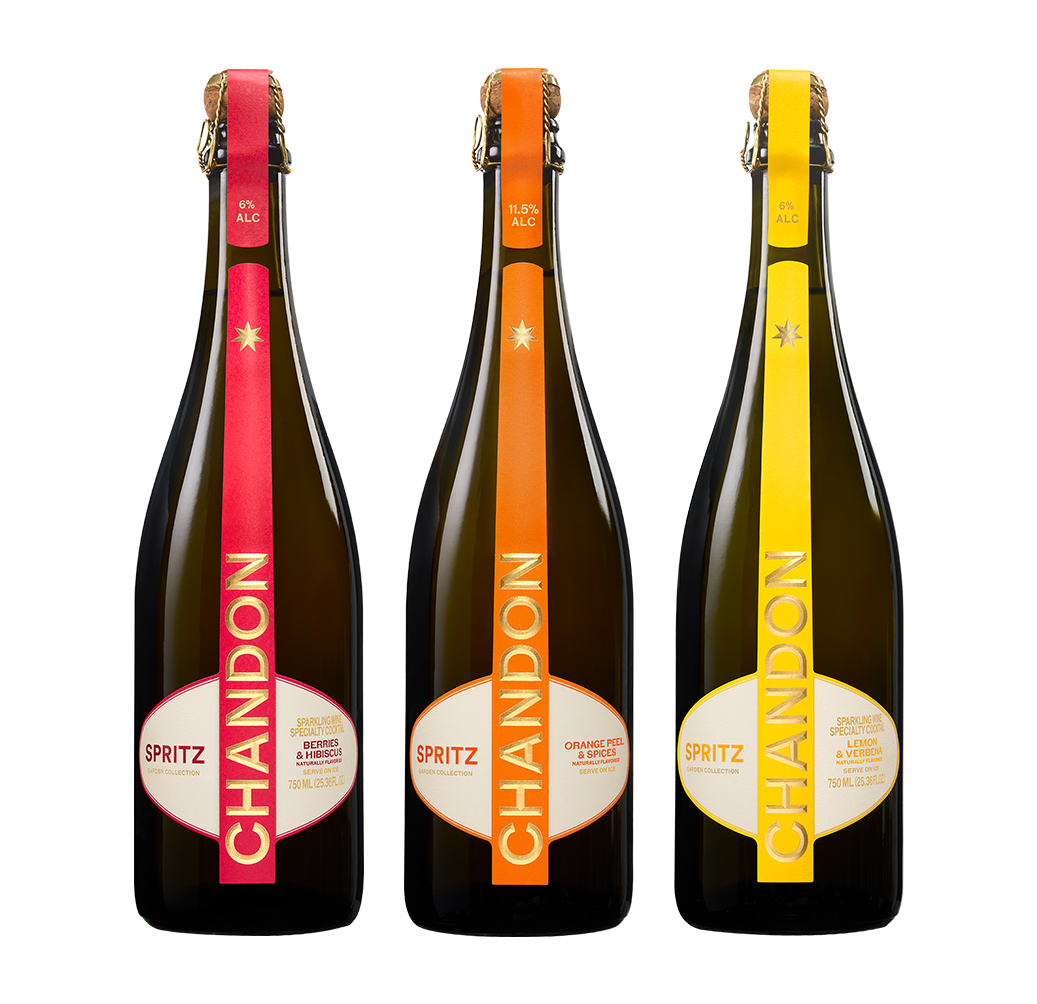 Photo Credit: Chandon
You collaborated across winemaking and mixology — two worlds that overlap but operate very differently. How did this collaboration begin?
Ana Paula Bartolucci: From the beginning we knew we wanted to approach this project from a broader perspective. As winemakers — myself, Pauline, and the rest of the Chandon team — we already had experience working with sparkling wine. But when we started thinking about developing a trio of spritz expressions, we realized we wanted something more holistic.
We were looking beyond the cellar, beyond traditional winemaking, and that’s when we brought Inés into the project. She brought the mixology expertise — the understanding of ingredients, sourcing, and how flavors actually work together in a cocktail environment.
Had you known each other before this project began?
Bartolucci: No, we hadn’t met before.
Inés de los Santos: But the collaboration came together very naturally. When I was invited to participate, there was already a sense of trust. At the beginning the project was highly confidential, but I knew I would be working with experts — women who were deeply respected in their field. That immediately made it exciting.
There’s also an interesting dynamic here — you’re working in adjacent industries, but they’re still very different disciplines. How did you actually make creative decisions together?
Bartolucci: It was very collaborative. We were constantly asking questions — “What happens if we try this ingredient?” or “What if we approach it this way?” We would test different ideas together.
de los Santos: And there was a lot of respect between everyone involved. No one was trying to dominate the process. It wasn’t about one perspective leading the project — it was about combining perspectives.
That’s what made the collaboration work.
You mentioned earlier that the spritz is often seen as a summer drink. Do you think that perception is changing?
de los Santos: The beauty of the spritz is that it’s actually not tied to one season or one place. Of course, people often imagine drinking it outside on a terrace at sunset. That’s the classic image — warm weather, friends, a beautiful view. But the spirit of the spritz is really about bringing people together. Not every place in the world has the same climate. Not every culture has the same traditions around drinking. But the spritz works everywhere because it’s social. It’s a collective drink.
The spritz category has exploded globally in recent years. What did you want to do differently with this project?
Bartolucci: One of the most interesting things about the project is that each expression has its own personality. Each one speaks to a different type of consumer, a different moment.
At the same time, they share a common philosophy. They’re ready to serve — which makes them accessible — but they’re built with the same level of quality and attention to detail that we apply to our wines.
For us that was essential.
What was important to you from a production standpoint?
Bartolucci: Using real ingredients was very important. Natural ingredients, organic ingredients — not artificial flavors.
The work happens in the winery, but it’s about much more than fermentation. It’s about sourcing the best fruit, the best botanicals, and making sure everything comes together in a balanced way.
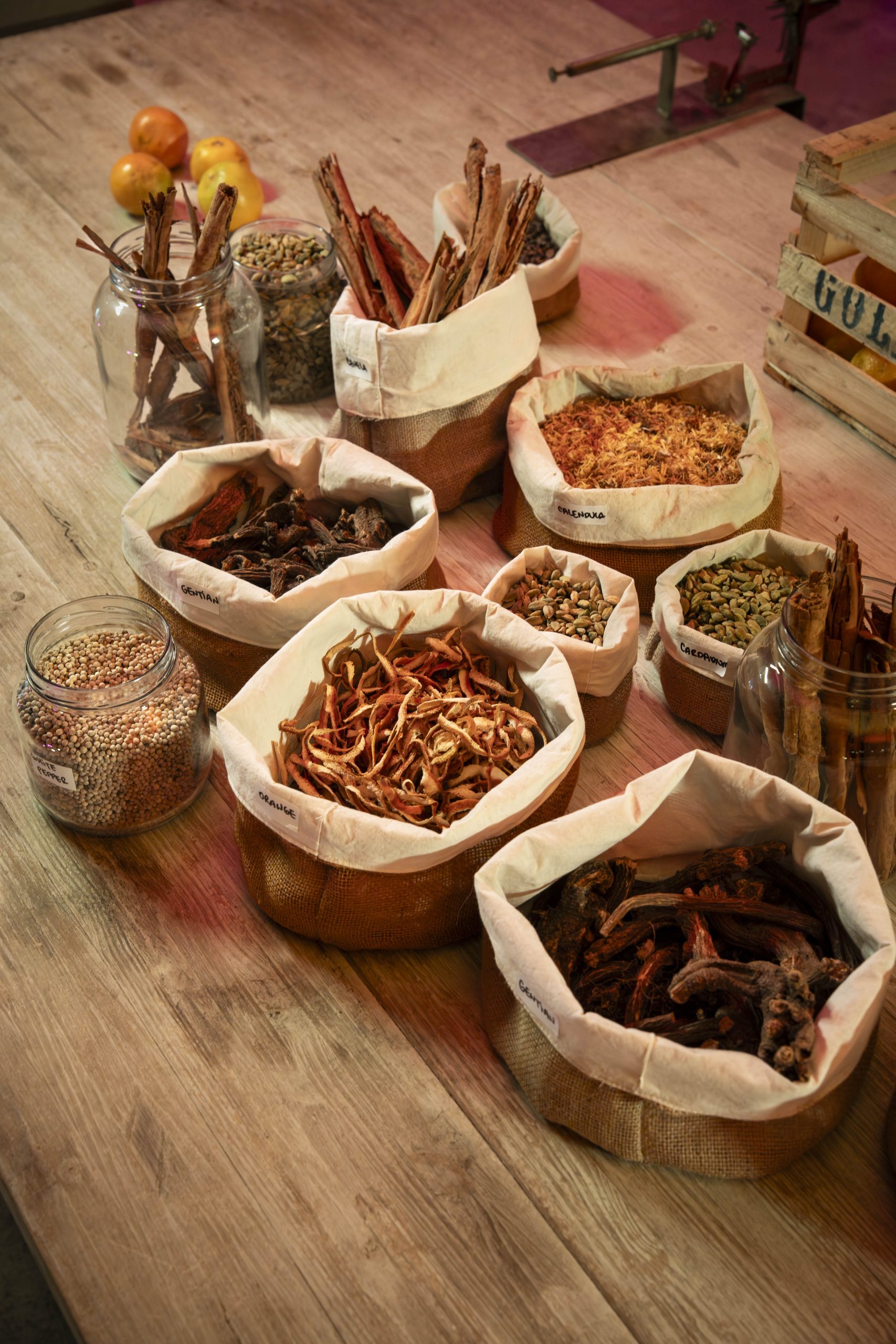
You mentioned sourcing ingredients from specific regions. Can you talk about that process?
de los Santos: The ingredient sourcing was actually one of the most fascinating parts of the project.
The berries come from Patagonia. The hibiscus comes from northern Argentina. The oranges come from a very specific organic farm that has been working organically for decades.
It’s an incredible level of detail. When people taste the drink, they experience the result of that work — but behind it there’s a huge effort to find the right ingredients.
The drinks world has historically been male-dominated. Have you seen that change over the course of your careers?
Bartolucci: In winemaking, many of the challenges were faced by the women who came before us.
Twenty years ago, it was much harder to see women leading wineries or occupying positions of responsibility. Those women opened the doors for us. Today the industry is much more balanced. In Argentina especially, we’re seeing more and more women running wineries and leading teams.
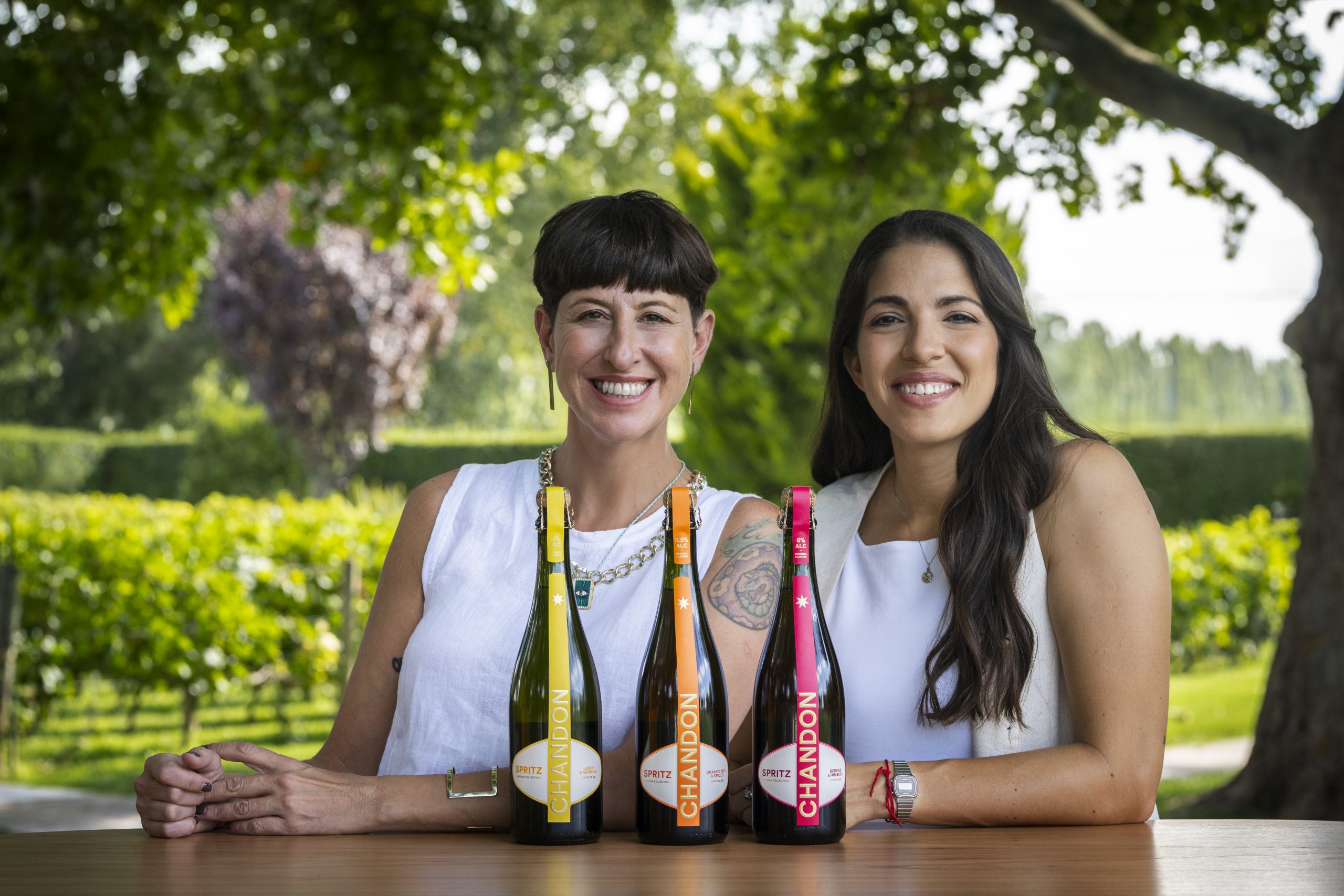 Photo Credit: Chandon
And from the perspective of the bar world?
de los Santos: When you build a career over thirty years in this industry — and in 1988, when I started, it was overwhelmingly male — you inevitably face obstacles. But here’s what I’ve come to believe: when women reach leadership positions, we also inherit a responsibility. We have to help create opportunities for others, especially younger women entering the industry now. Sharing knowledge is part of that. Showing them the path forward. Making sure the door doesn’t close behind you.
There’s also a luxury positioning here. In the world of spirits and wine, luxury can mean many things. What does it mean in this context?
Bartolucci: For me, luxury is about craft. Before we release any product, we need to be certain it meets the same standards of quality that we apply to our sparkling wines. That means a lot of work behind the scenes — in production, in sourcing ingredients, in refining the process. When you see the Chandon label, it represents that effort.
de los Santos: Craft is the key word. And craft requires an absolute dedication to finding the best — the best ingredients, the best process, the best version of the thing you’re trying to make. That quest applied to every market in the world equally. It wasn’t done differently for the US than for France or anywhere else. Because they truly believed there was no other way to bring something of real quality into this category.
So luxury here is about craftsmanship rather than exclusivity.
de los Santos: Exactly. Craft is the key word. It’s about attention to detail and dedication to doing things properly.
Finally, both of you have built impressive careers in your respective fields. What advice would you give to young women entering the drinks industry today?
de los Santos: Believe in yourself. Work hard. If there’s something you want to do, don’t let anything stop you. And if there’s a moment when you need to speak up — raise your hand.
Bartolucci: And if you want something, just go for it. The journey will have obstacles — things you don’t like, moments that feel impossible. But if you have a real vision, keep moving toward it. That’s the only way it works. You have to believe in yourself. Nobody is going to do that part for you.
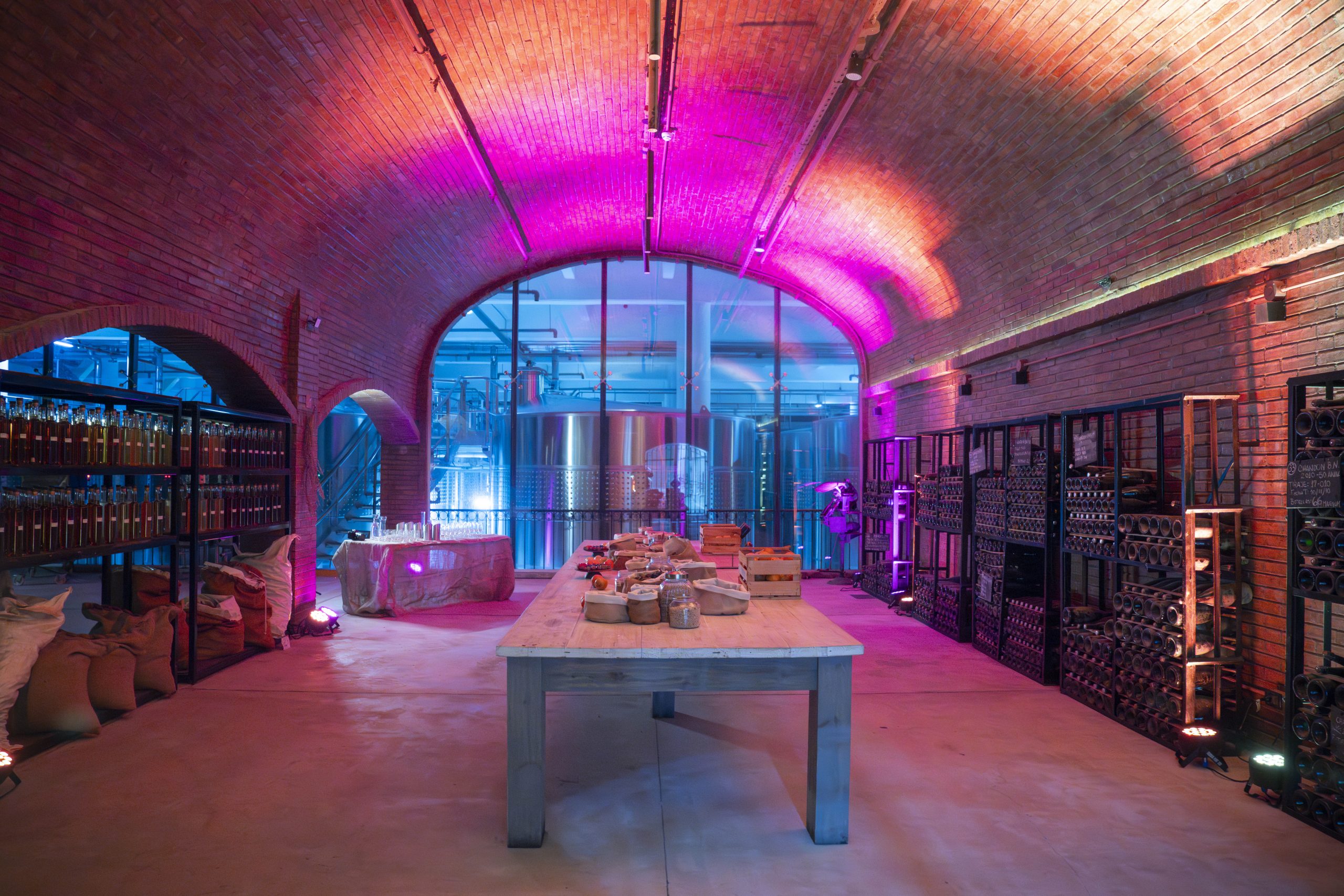 Photo Credit: Chandon
Related Articles
Jagger Suite Ignites Atlanta: A Rooftop Oasis of Studio 54 Glamour and Unapologetic Luxury
Join the buzz around Jagger Suite Rooftop Bar as it opens in Atlanta, introducing a glamorous new destination for nightlife.

West Hollywood’s Most Committed Night Out Just Turned One
One year in, Zouk Los Angeles is still setting the pace for LA nightlife. Here’s why the Zouk Group and sbe’s West Hollywood collab remains the room everyone wants to be in.
GLOSSLAB Begins a Bold New Era With Elizabeth Woods and Jordyn Woods Leading Its Lifestyle Beauty Vision
GLOSSLAB enters a new era with Elizabeth Woods and Jordyn Woods, launching high-performance beauty essentials for modern lifestyles.
Sam Nazarian, Chef Dani García, and the Delicious Business of Redefining Luxury
Sam Nazarian and Michelin-starred Chef Dani García are joining forces to reshape what luxury hospitality looks and tastes like. Here’s how they’re doing it.

SkinnyDipped Lights Up Miami Music Week With Sunset Session Hosted by Brooks Nader
SkinnyDipped hosts a Miami Music Week sunset party at The Standard Spa with Brooks Nader, DJ Carlita, tastemakers, and star guests.
An Early Mother’s Day Gift Guide to the Hautest Gifts for Her
Shop the best early Mother’s Day gift for every type of mom. Find thoughtful ideas for moms, wives, grandmothers, and dog moms.
Latest Stories
Trending Articles

Related Articles
Jagger Suite Ignites Atlanta: A Rooftop Oasis of Studio 54 Glamour and Unapologetic Luxury
Join the buzz around Jagger Suite Rooftop Bar as it opens in Atlanta, introducing a glamorous new destination for nightlife.
West Hollywood’s Most Committed Night Out Just Turned One
One year in, Zouk Los Angeles is still setting the pace for LA nightlife. Here’s why the Zouk Group and sbe’s West Hollywood collab remains the room everyone wants to be in.
GLOSSLAB Begins a Bold New Era With Elizabeth Woods and Jordyn Woods Leading Its Lifestyle Beauty Vision
GLOSSLAB enters a new era with Elizabeth Woods and Jordyn Woods, launching high-performance beauty essentials for modern lifestyles.
Sam Nazarian, Chef Dani García, and the Delicious Business of Redefining Luxury
Sam Nazarian and Michelin-starred Chef Dani García are joining forces to reshape what luxury hospitality looks and tastes like. Here’s how they’re doing it.
SkinnyDipped Lights Up Miami Music Week With Sunset Session Hosted by Brooks Nader
SkinnyDipped hosts a Miami Music Week sunset party at The Standard Spa with Brooks Nader, DJ Carlita, tastemakers, and star guests.
An Early Mother’s Day Gift Guide to the Hautest Gifts for Her
Shop the best early Mother’s Day gift for every type of mom. Find thoughtful ideas for moms, wives, grandmothers, and dog moms.
Subscribe to Haute Living
Receive Our Magazine Directly at Your Doorstep
Embark on a journey of luxury and elegance with Haute Living magazine. Subscribe now and have every issue conveniently delivered to your home. Experience the pinnacle of lifestyle, culture, and sophistication through our pages.

Haute Black Membership
Your Gateway to Extraordinary Experiences
Join Haute Black and unlock access to the world's most prestigious luxury events