
Inside Sam Nazarian’s Vision for the Future of Luxury — From Casa Dani to Longevity Wellness and Beyond

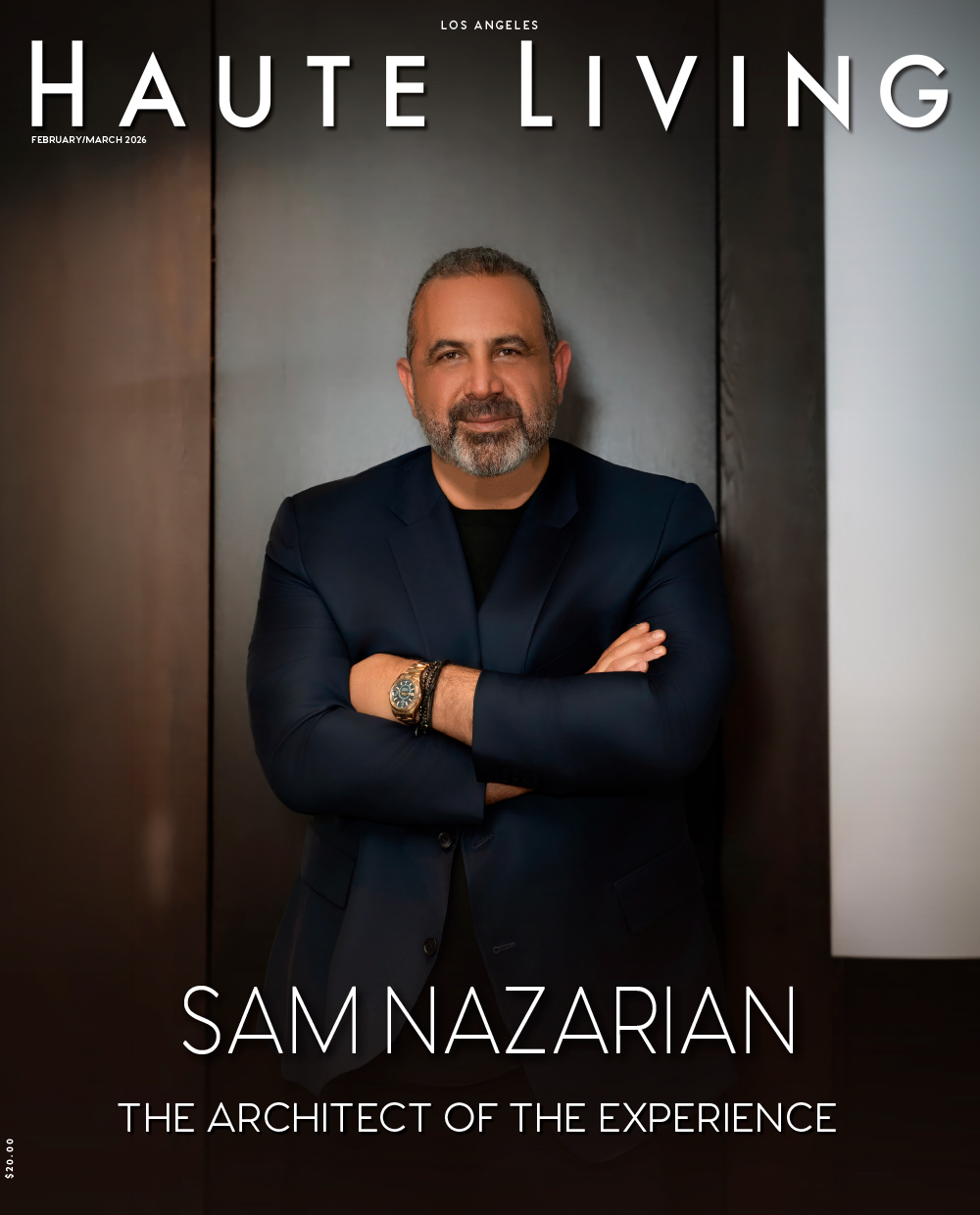 Photo Credit: Michael Ruiz
For Sam Nazarian, hospitality has never been about opening restaurants. It has always been about building worlds.
Over the past two decades, the founder and CEO of sbe has quietly reshaped the way people dine, travel, celebrate, and gather across some of the most influential cities in the world. What began in 2002 as a nightlife venture driven by instinct and ambition has evolved into one of the most recognizable lifestyle hospitality platforms globally — one that blurs the line between restaurant, hotel, lounge, and cultural playground. Along the way, Nazarian has become known for a particular kind of alchemy — the ability to create destinations that feel inevitable, as though they’ve always belonged in the fabric of a city even when they are radically new.
The numbers alone tell part of the story. Over the past 25 years, Nazarian and his team have built hundreds of restaurants and lounges around the world while launching brands that helped define an entire generation of nightlife and lifestyle hospitality — from SLS Hotels and Hyde Lounge to Mondrian, Katsuya, and a growing constellation of culinary concepts. Today, his vision stretches well beyond traditional hospitality into something more expansive: an interconnected ecosystem of restaurants, hotels, residential communities, and longevity-focused wellness destinations designed to shape the way people live as much as the way they travel.
But statistics rarely capture the real impact of Nazarian’s work.
Walk into one of his spaces — whether it’s a sleek sushi counter in Los Angeles, a buzzing dining room in Miami, or a rooftop lounge where deals, romances, and friendships are quietly unfolding — and what becomes clear is that Nazarian has spent his career orchestrating moments. The kind that begin with dinner but stretch long past dessert. The kind where strangers become collaborators, where birthdays blur into business ventures, and where an ordinary Wednesday night unexpectedly turns into the story someone will still be telling years later.
That sense of emotional choreography is not accidental. Nazarian has always approached hospitality less like a developer and more like a cultural architect. He studies the subtle rhythms of how people want to gather — when they crave glamour and when they seek something more relaxed, when spectacle matters and when authenticity takes center stage. Long before “experiential dining” became a buzzword, he understood that restaurants and nightlife venues function as living ecosystems where design, food, music, and crowd energy merge into something greater than the sum of their parts.
Today, the vision has expanded even further.
Nazarian’s latest ventures reflect an increasingly ambitious philosophy: hospitality not just as entertainment but as infrastructure for modern life. His newest platforms span everything from residential communities to
longevity-driven wellness environments designed around health, human performance, and preventative medicine — projects that merge hospitality, technology, and lifestyle into a holistic model of modern luxury.
In other words, the restaurants are only the beginning.
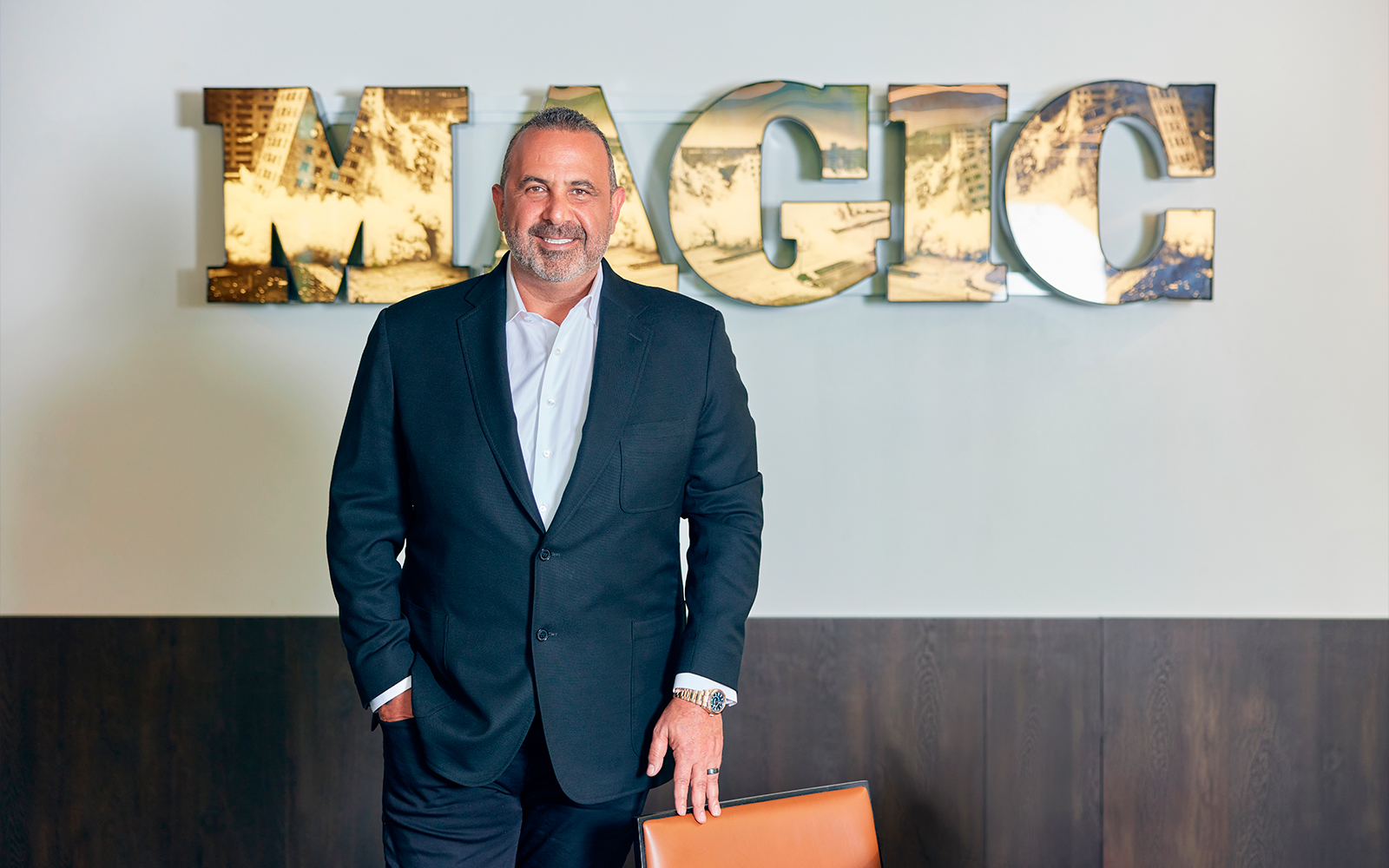 Photo Credit: Michael Ruiz
That ethos is on full display in Los Angeles, where sbe recently unveiled one of its most ambitious culinary projects to date — a sprawling new dining destination in Century City that brings together two powerhouse concepts under one roof. On one side is Casa Dani, the Mediterranean restaurant from three-Michelin-starred Spanish chef Dani García. On the other is a newly reimagined outpost of Katsuya by master sushi chef Katsuya Uechi. Together they form a 17,000-square-foot culinary hub designed to move effortlessly between dining, drinks, and late-night energy.
At the heart of the project is Casa Dani — literally “Dani’s House” — a restaurant inspired by García’s Andalusian roots and Mediterranean philosophy of long, joyful meals. The concept was designed to feel less like a formal dining destination and more like the kind of place where lunch effortlessly turns into late afternoon cocktails, where Sunday brunch stretches into evening conversation, and where guests feel as though they’ve stepped into the chef’s own home.
For Nazarian, the collaboration with García represents something deeper than another restaurant opening. It reflects a broader shift in hospitality culture — one where the story behind a brand matters as much as the menu, and where diners increasingly seek experiences that feel personal, authentic, and rooted in a sense of place: it’s a philosophy shaped by time.
Nazarian launched his first venues in his twenties, guided largely by instinct and a willingness to take risks. Now, decades later, he approaches hospitality with a wider lens, thinking less about individual venues and more about communities — how spaces influence the way people gather, how cities evolve culturally, and how luxury itself is being redefined by a generation that values time, health, and meaningful connection as much as design or exclusivity.
That shift is particularly visible in cities like Miami, where Nazarian has spent more than 20 years building projects and watching the city transform from a seasonal party destination into one of the most dynamic hospitality capitals in the United States. The influx of global entrepreneurs, creatives, and cultural figures has elevated the city’s culinary and nightlife landscape in ways few could have predicted two decades ago, turning neighborhoods like Brickell, Wynwood, Coconut Grove, and the Design District into thriving hubs of creativity and experimentation.
For Nazarian, those kinds of transformations are precisely what make hospitality so compelling.
Every city has its own energy — its own rhythm — and part of his job is learning how to read it.
When he walks into a restaurant or lounge, he says he can usually tell within moments whether something is working or not. But the answer rarely lies in the décor or even the menu. Instead, he looks for something harder to manufacture — the culture of the room. The chemistry between staff members. The invisible pulse that determines whether a space feels alive.
Because ultimately, hospitality isn’t about buildings — it’s about people.
And for Nazarian, the most rewarding part of his career isn’t the accolades, the global expansion, or the architectural showpieces — it’s the moments when he sees how these spaces become woven into the lives of the people who visit them. The couples who meet at one of his venues and later celebrate their wedding there. The business partnerships formed over late-night cocktails. The families who return year after year until one day their children are old enough to dine there themselves.
Those are the signals that something bigger than a restaurant has been created. Those are the signals that he’s built something that lasts.
In the conversation that follows, Nazarian reflects on the philosophy behind building hospitality ecosystems, the evolution of luxury in an increasingly global world, the soul behind Casa Dani, and why — after more than 25 years in the industry — the thing that excites him most is still the same thing that drove him at the very beginning: the possibility of creating spaces where life unfolds in real time.
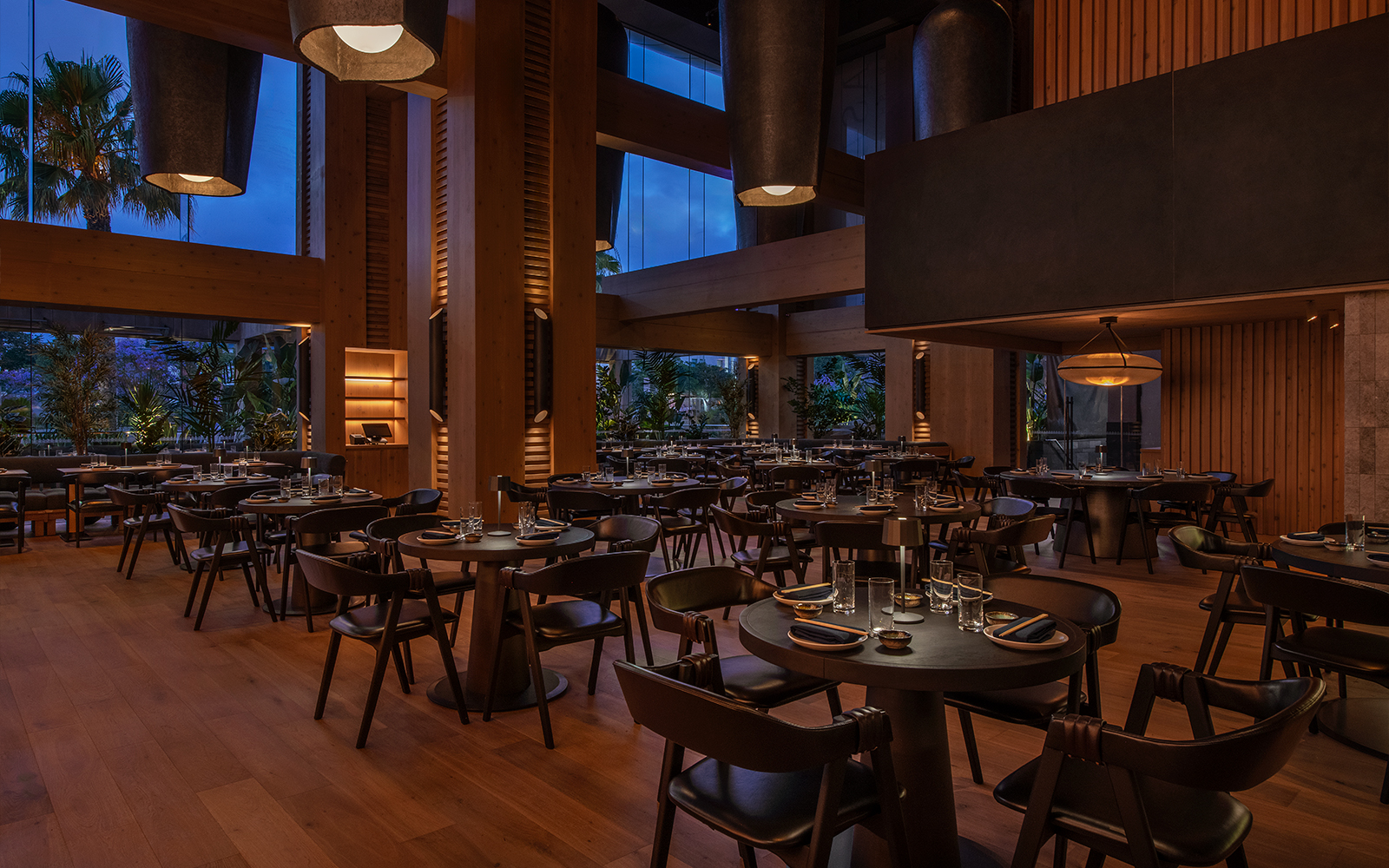 Photo Credit: AVABLU
You’ve always said you’re not just opening venues — you’re creating entire ecosystems of nightlife, dining, and culture. When you walk into a space, what tells you instantly whether the energy is right or completely off?
When I know something is working or not working, it definitely happens well before I enter the space. Brands today, locations, outlets — they’re all considered a part of how they’re branded in the perception of what brings people together, what makes them unique, and especially when I walk into the place, the first thing I look at is the culture of the team, the culture of the staff, and those are really the key ways in which I gauge how the space works or not.
Hospitality trends come and go constantly, but you’ve managed to stay culturally relevant for decades. What’s your secret radar for knowing what people will want before they know it themselves?
I’ve tried to stay relevant by doing one important thing and one thing only — building brands, verticals, and places specifically for what I think I need in that stage of my life. I built SLS 25 years ago as a luxury lifestyle because that’s really what I wanted as a consumer, and we’re still building things that we believe are going to be hugely disruptive — but are things that I personally want at this stage of my life.
If you look back at the earliest sbe venues compared to what you’re building now, what’s the biggest thing you’ve changed your mind about?
The earliest venues I built were really around an idea and an instinct when I was 25 years old, and really when I created sbe at 26. Now, when we are building, I think more about the consistency of change in people’s lives and really providing what we think is not only going to be an amazing brand, but how people can ultimately live a better life by being a part of our community.
A lot of brands talk about “luxury,” but the word means something different today. What does luxury actually look like in 2026 — especially for the kind of global crowd that moves between Miami, Dubai, LA, and Europe?
It’s the most important thing we think about every day: what does luxury mean? What does a luxury consumer need today that they’re not getting from the amazing luxury brands that are out there today? What we wholeheartedly believe is luxury equals longevity, luxury equals access to being able to live a better life, luxury equals quality, and luxury equals time. Those are the things that we believe a luxury consumer is demanding and what we are building for them within our various platforms.
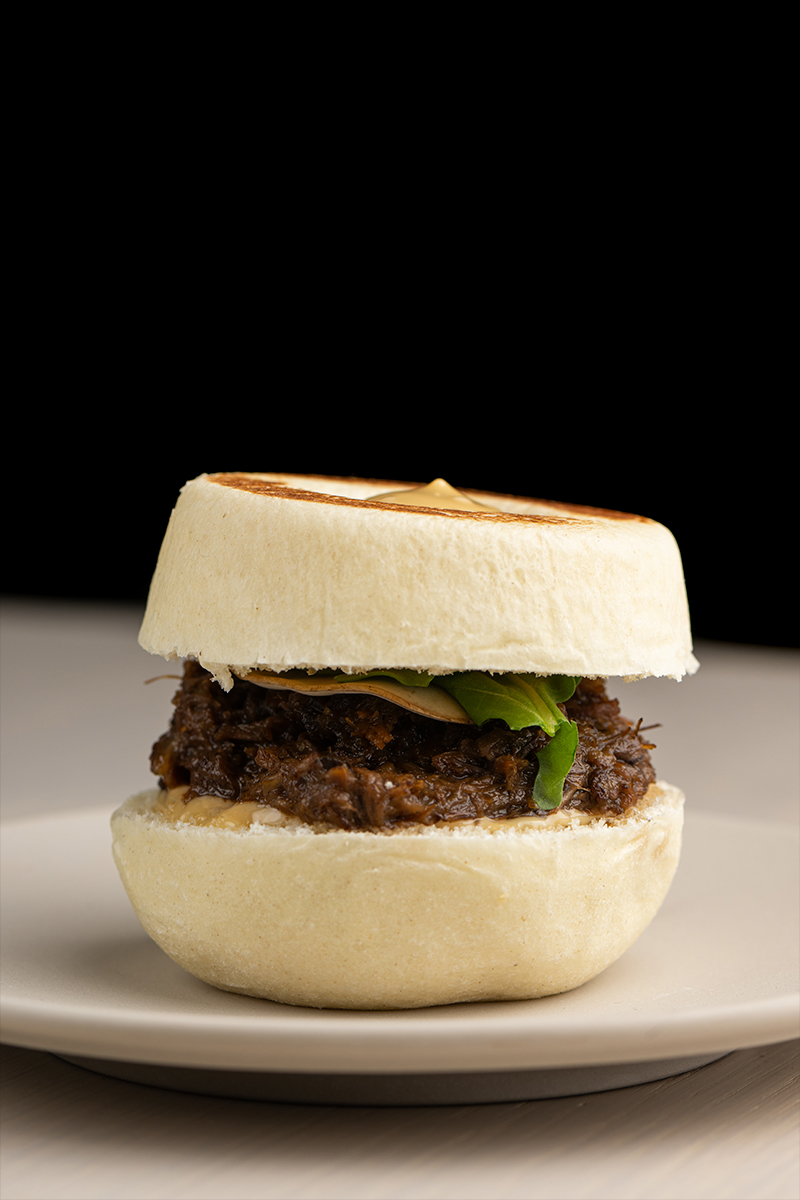 Photo Credit: Jakob Layman
Sbe has always blended high-end dining with design, nightlife, and a bit of spectacle. Is there still room for glamour in hospitality, or have people shifted toward something more relaxed?
One of the things that we focus on is: where is the consumer going? Where is the young consumer going? Where are the new consumers coming into the market, and what is important to them? We definitely feel that the super high glitzy product or the glamour product in hospitality has become a little less relevant. What’s become more relevant is the story behind the brands, behind the experiences, behind the restaurants, behind the hotels… and people really are now more interested in the story and how it relates to the things they care about. People are more aware, more educated to their surroundings, and more conscious of what they affiliate with, which we greatly respect in the world of hospitality.
Now, let’s talk Casa Dani. You’ve worked with some of the world’s most celebrated chefs, but Dani García brings a very specific Andalusian soul to the table. What was the first meal of his that made you think, we need to build something together?
When I first met Dani García, it was in his hometown of Marbella, Spain, where he owns several restaurants and offers so many different expressions of his amazing craft. Obviously, the dish you have to have when you visit a Dani García restaurant is his unbelievable tuna carpaccio — it is really something that I’ve never seen executed that way — followed by his oxtail brioche, and ultimately his world-class paellas. But it wasn’t as much about what I ate as it was how I felt being around him — seeing his unbelievable sophistication, but humility at the same time. He is everything you want to see in an incredible chef and partner.
Casa Dani feels less like a formal restaurant and more like a Mediterranean gathering place. Was that intentional — to make it feel like the kind of place where you can sit for hours, or where Sunday brunch accidentally turns into dinner?
As we started thinking about Casa Dani as a brand, we started thinking about the Mediterranean, and all the amazing places and destinations we’ve gone to, and what Dani was able to bring was his unbelievable connection to all these memorable moments. When you come to Casa Dani, you can see his interpretation, his house, his home, how he was raised, and that’s why we called it Casa Dani. We wanted all the patrons to experience a piece of Dani’s influence and roots, and yes, feel comfortable to stay and enjoy long meals with a similar sense of home.
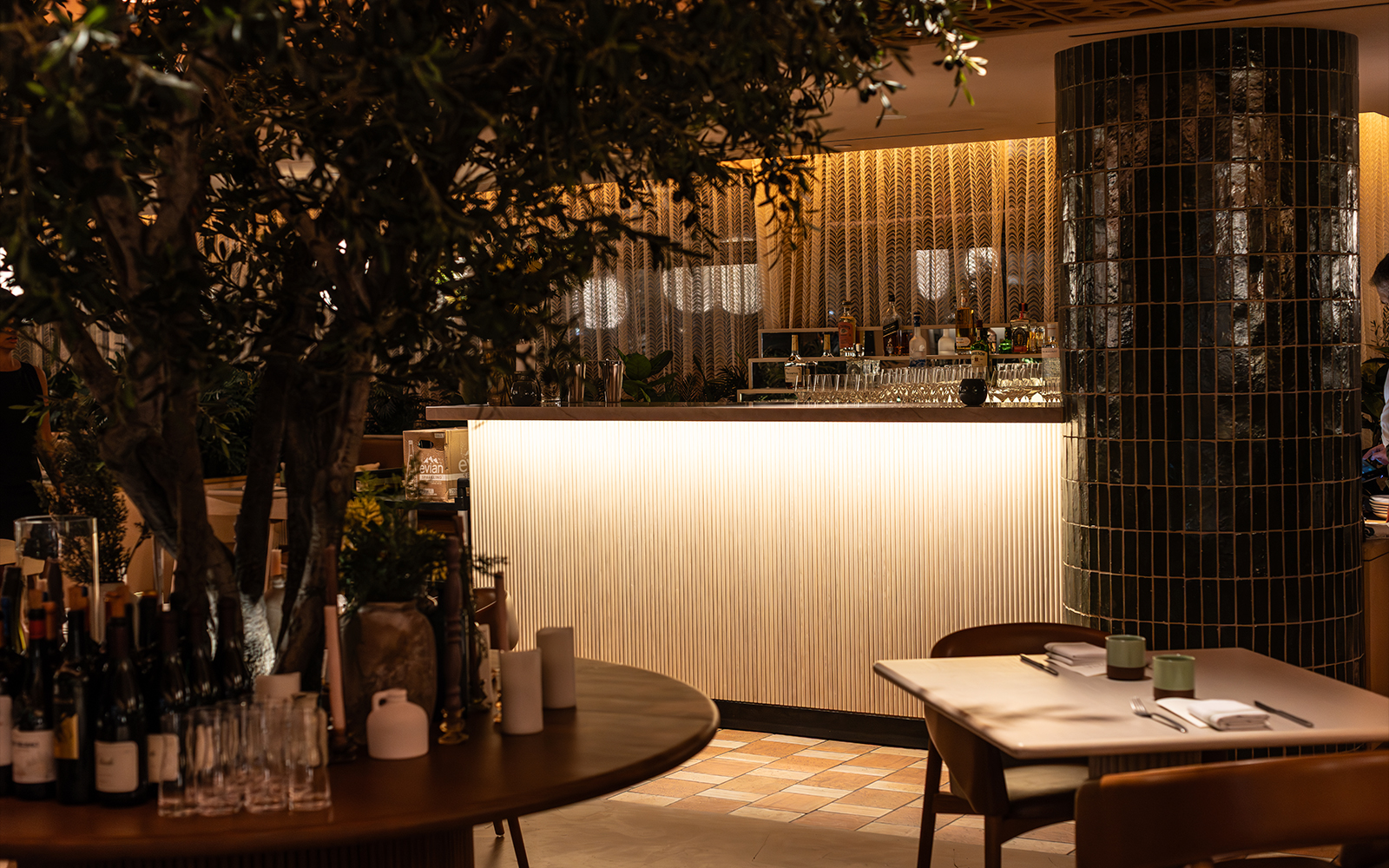 Photo Credit: AVABLU
Spanish food has this amazing ability to be both refined and incredibly joyful. How did you want Casa Dani to capture that spirit?
Restaurants today and operators today really need to understand the 4th dimension. The 4th dimension is the soul of the space. We’ve proudly built over 200 restaurants around the world in the last 25 years, and the ones that have really been effective have a soul and a story, capturing the spirit, as you say. In addition to that, I believe that Casa Dani should be a place where people come to celebrate and have an experience that is truly unique, but also a place that they feel they can go to five times a week. It’s as much about the feeling as it is about the product, and really experiencing that lens through Dani’s culinary palate.
You’ve always believed restaurants should have a rhythm to them — happy hour, music, late-night energy. Why is that daily pulse so important to creating a place people actually live in, rather than just visit?
What we believe and what we have tried to execute in the over 200 restaurants we’ve built around the world over the last 25 years is that restaurants need to stand for something — have a point of view, have a personality. Brands, design, culinary, menu, mixology — all of that is very important, but ultimately the story of why this location or why this brand deserves to exist is really the most important.
Speaking of which: Miami. Miami has become one of the most electric hospitality cities in the world. What does that city have right now that other global markets don’t?
In the 20 years that I’ve been doing business in Miami, including the 12 hotels that we’ve built in this market, I can definitively say that today’s Miami is much different than it has ever been. Miami is much more exciting, it’s much more optimistic, and more evolved. There has been a major shift, as people really believe that South Florida and Florida as a whole is a place they can see themselves living full time, with an influx of notable industry and VIPs bringing extra attention to that transition of thought in a positive way. When I started our sbe presence in Miami, it was treated as a destination. The sophistication of Miami has also come through as a result of different personalities and Miami locales that have built a presence and made Miami their home. I really believe that Miami has the opportunity of being the hospitality and culinary epicenter of the U.S. for the next foreseeable future.
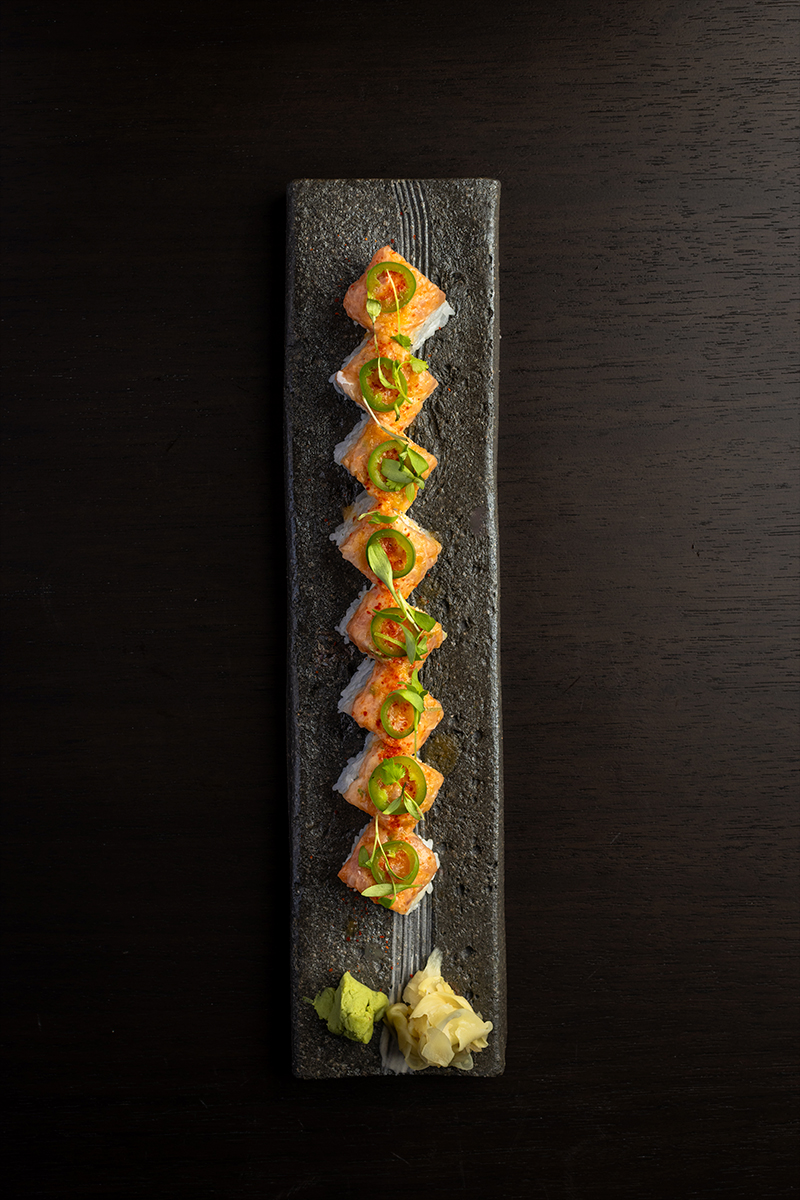 Photo Credit: Jakob Layman
You’ve spent your career creating places where people celebrate, fall in love, make deals, and stay out way too late. Do you ever walk into one of your own venues and think, This is exactly the kind of night I was hoping people would have?
I’ve been blessed over the last 25 years of creating these environments and seeing the fruition of our work where people have met, got married, had kids — and now their kids are dining at our restaurants and staying at our hotels. But more importantly, we’re building residential communities. We’ve built over 4,000 residential units around the world from Dubai to Argentina, the Bahamas, and of course Miami, and people are living in our creations. That to me is the most exciting element — when I can see people really choosing our brands as a place they want to live.
You’re hosting an upcoming VIP dinner at Casa Dani bringing together tastemakers and industry friends. What do you love most about those nights — when the room is just the right mix of people?
When I think about an unbelievable celebration of bringing people together, it’s exactly that. I think today we’re more apt to do Zoom calls or to stay home — at least at my ripe age of 50. That said, there is also an excitement to surrounding ourselves with friends, people we love, and hosting an event where we can bring some of our new friends to intermix with some of our old friends, and people that really can talk about things that are exciting and things that are optimistic. That is a beautiful experience and always a special night.
When you open something in Miami, the bar is incredibly high — people there have seen everything. How do you create something that still feels fresh?
Miami today is a city of many more communities than when I first came here. When I began here in 2004 and we were building the SLS South Beach, the preferred destination was just Miami Beach (South Beach). Today, when you have different hospitality markets like Coconut Grove, Design District, Brickell, or Wynwood, there is much more to consider. There are a lot of different factors that contribute to really identifying yourself as a disruptor. I believe what we have built and are building in our new platforms are definitely disrupting with what we believe is still not present yet in Miami — and we think that Miami will embrace our projects with excitement and wholeheartedly.
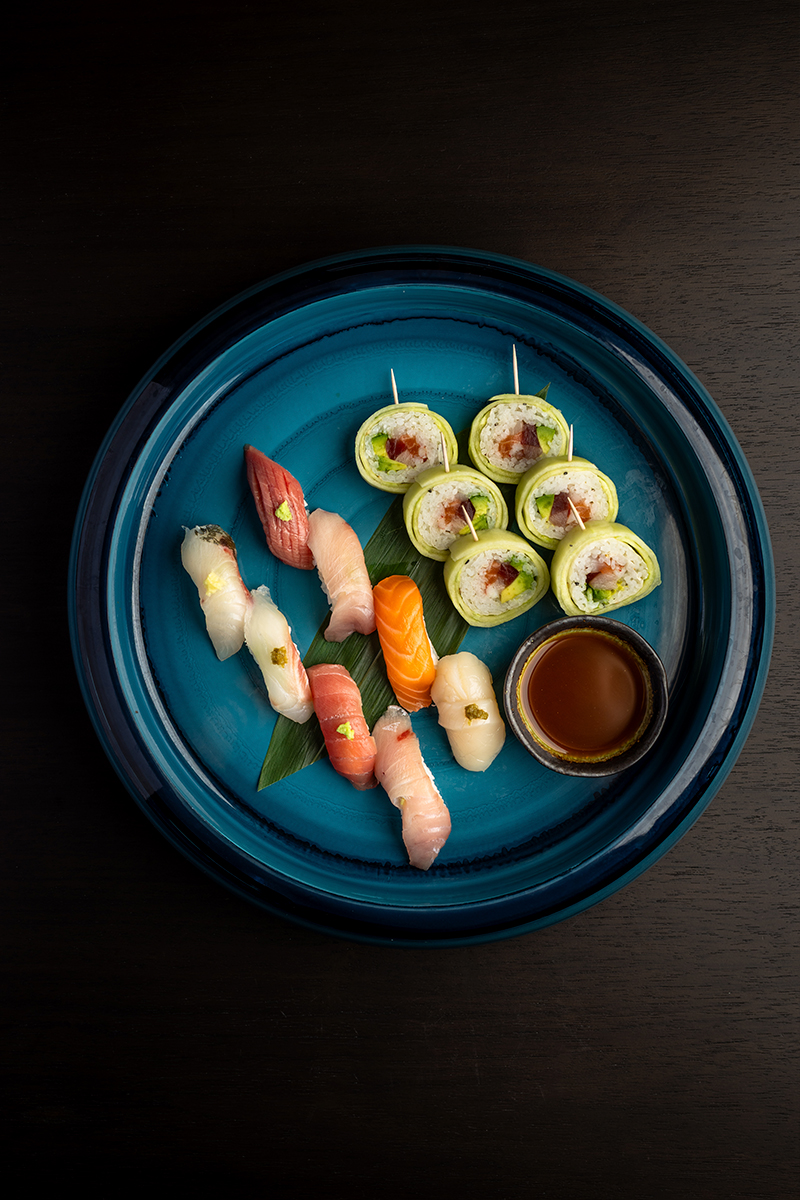 Photo Credit: Jakob Layman
After decades in the hospitality world, what still excites you the most: the design, the food, the crowd, or that moment when a room suddenly comes alive?
As you can see by our new platforms in hospitality, what excites us the most is disruption — changing people’s lives, giving back to people that have been part of our community for the last 25 years. I love introducing new ideas and great partners like Tony Robbins and Marc Anthony, and great culinary interpretation of where we think culinary is going. What excites me is the disruption component of hospitality, residential, and of course F&B.
If someone wanted to truly experience the sbe lifestyle in one perfect evening, what would that night look like from start to finish?
The day would start by waking up at an estate residence, working out in one of our exquisite 25,000-square-foot or so spaces designed for longevity, human performance, and medical spa top-of-the-line facilities, starting the day giving back to their soul. Next would include going to one of our amazing restaurants for some lunch, meeting with friends, meeting with people that they love being around, and doing what they love, and then finishing the day at one of our Katsuya restaurants for dinner, where they can continue that world of culinary and friendship, to finish the day exactly where they started — in a beautiful estate residence where everything is beautifully manicured for longevity and sleep, giving back to their soul at the end of a beautiful day. That would be an ideal sbe day in the life.
And finally, what to you is the greatest luxury in life and why?
To me, the most amazing and greatest luxury in life is time, and to have time at your disposal. Time is precious, and you have to be healthy to have time. It is a luxury to build an amazing network around you of friends, people you love, family, and kids — what we believe is luxury is longevity. And for the last five years, we’ve been solely focused on creating environments that give people an opportunity to reinvest in themselves. We want people to have the most amazing time and live the most effective life that they want to live, with love being at the forefront.
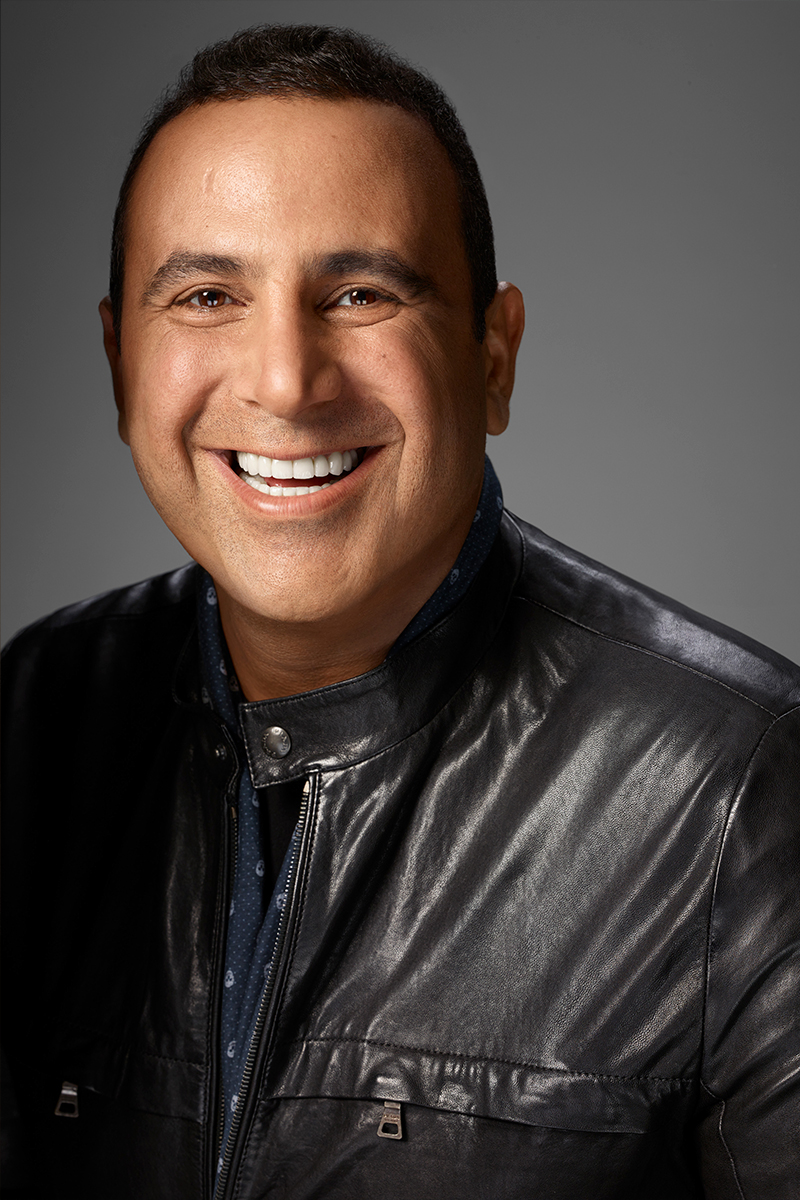 Photo Credit: sbe
Related Articles

Miami Car Week 2026 Took Over the City as ModaMiami Caps Off an Incredible Year Three, $74M RM Sotheby’s Auction
Miami Car Week 2026 and ModaMiami attract global collectors, record auctions, and luxury automotive experiences across the city.
This is What Happens When AI Meets the Miami Design District
The Miami Design District EDGLRD short film is an AI masterpiece that is paving the future of retail destinations.

Rolls-Royce Unveils the Coachbuild Collection, Redefining Ultra-Luxury Automotive Ownership
Rolls-Royce introduces the Coachbuild Collection, a rare fusion of bespoke electric design and immersive experiences.
The Stephen Starr Secret: How Slim’s Became Miami’s Most Coveted New Reservation
Inside Stephen Starr’s Slim’s Bal Harbour steakhouse, which has become one of the hautest reservations in Miami.

The CHANEL 25 Is the New It Bag—The Campaign Starring Margot Robbie Proves It
Margot Robbie stars in the new CHANEL 25 Handbag campaign, directed by Michel Gondry — with a surprise cameo from Kylie Minogue.
Epiphany at Sea: A Night Aboard Cecil Wright’s CONTIGO
Not many people can say they’ve stayed on a yacht, let alone a 49.99-meter Cecil Wright motor yacht named CONTIGO. This megayacht, delivered in 2024 by the renowned Italian shipyard Sanlorenzo, was nothing short of a penthouse floating on the crystal-clear waters of the Bahamas’ Atlantic Ocean. Upon arriving via a Wajer 55 chase boat, […]
Latest Stories
Trending Articles
Related Articles
Miami Car Week 2026 Took Over the City as ModaMiami Caps Off an Incredible Year Three, $74M RM Sotheby’s Auction
Miami Car Week 2026 and ModaMiami attract global collectors, record auctions, and luxury automotive experiences across the city.
This is What Happens When AI Meets the Miami Design District
The Miami Design District EDGLRD short film is an AI masterpiece that is paving the future of retail destinations.
Rolls-Royce Unveils the Coachbuild Collection, Redefining Ultra-Luxury Automotive Ownership
Rolls-Royce introduces the Coachbuild Collection, a rare fusion of bespoke electric design and immersive experiences.
The Stephen Starr Secret: How Slim’s Became Miami’s Most Coveted New Reservation
Inside Stephen Starr’s Slim’s Bal Harbour steakhouse, which has become one of the hautest reservations in Miami.
The CHANEL 25 Is the New It Bag—The Campaign Starring Margot Robbie Proves It
Margot Robbie stars in the new CHANEL 25 Handbag campaign, directed by Michel Gondry — with a surprise cameo from Kylie Minogue.
Epiphany at Sea: A Night Aboard Cecil Wright’s CONTIGO
Not many people can say they’ve stayed on a yacht, let alone a 49.99-meter Cecil Wright motor yacht named CONTIGO. This megayacht, delivered in 2024 by the renowned Italian shipyard Sanlorenzo, was nothing short of a penthouse floating on the crystal-clear waters of the Bahamas’ Atlantic Ocean. Upon arriving via a Wajer 55 chase boat, […]
Subscribe to Haute Living
Receive Our Magazine Directly at Your Doorstep
Embark on a journey of luxury and elegance with Haute Living magazine. Subscribe now and have every issue conveniently delivered to your home. Experience the pinnacle of lifestyle, culture, and sophistication through our pages.


Haute Black Membership
Your Gateway to Extraordinary Experiences
Join Haute Black and unlock access to the world's most prestigious luxury events