
Celebrating 10 Years of Black Badge: Precision Meets Provocation

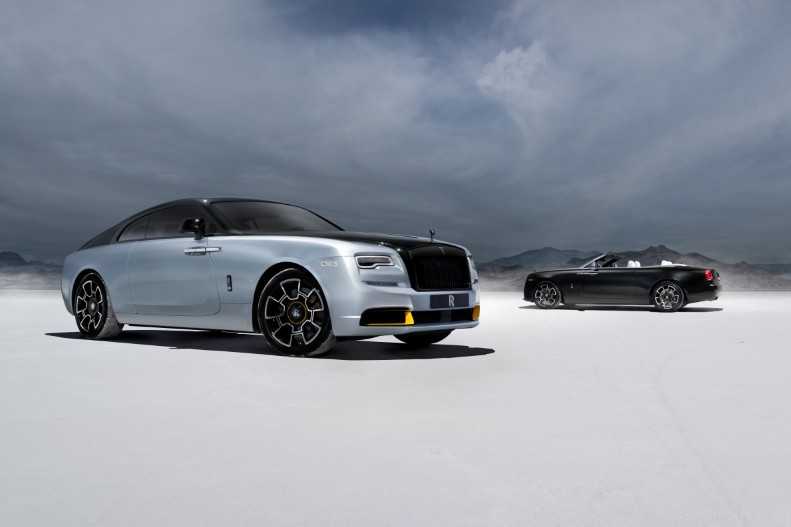 Photo Credit: Rolls-Royce
Power, rebellion, and reinvention rarely coexist within the same automotive narrative, yet for a decade, Rolls-Royce Motor Cars has demonstrated that restraint and audacity can inhabit the same silhouette. As the marque marks ten years of Black Badge, it celebrates not a styling exercise but a transformative alter ego that reshaped the codes of modern super luxury and recalibrated expectations across the sector.
When Black Badge emerged in 2016, it signaled more than a darker finish. It introduced a deliberate counterpoint within Rolls-Royce itself, crafted for a rising generation of founders, cultural architects, and technology driven entrepreneurs who expressed success with conviction. These clients admired the serenity, scale, and V12 authority synonymous with the marque, yet they sought sharper contrast and a more assertive edge. Black Badge answered that call without compromising the core values of craftsmanship and engineering excellence.
The instinct for defiance traces directly to the brand’s origins.
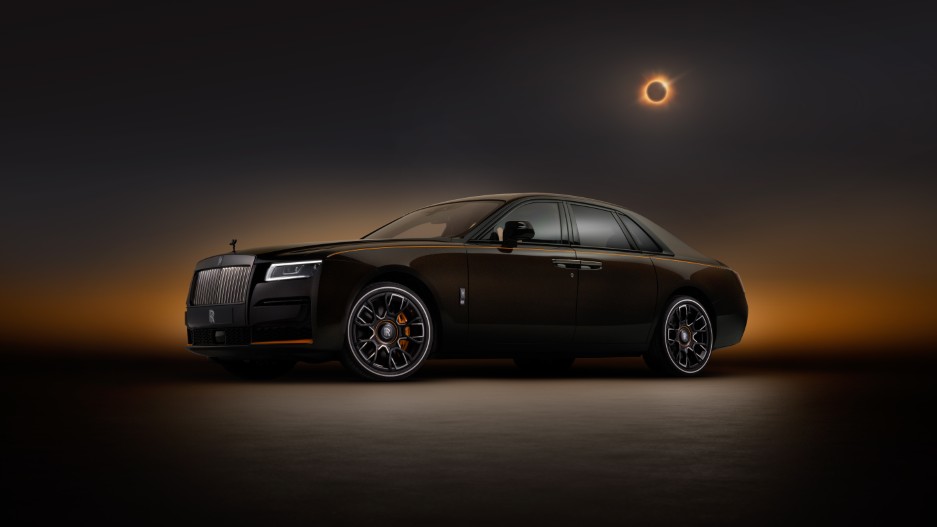 Photo Credit: Rolls-Royce
Sir Henry Royce rose from modest beginnings and fragile health to engineer machines so exacting they were described as the finest in the world. Charles Stewart Rolls, born into privilege, pursued the danger of early motor racing and aviation rather than a predictable life of comfort. Their shared refusal to accept limitations embedded a spirit of creative disruption into the DNA of Rolls-Royce.
Archival discoveries reveal that the seeds of Black Badge were planted long before 2016. In 1928, a 20 H.P. Brewster Brougham was delivered with its Spirit of Ecstasy and radiator grille finished in black, an audacious departure in an era when polished metal symbolized prestige. Commissioned by financier J. E. Aldred for New York use, the motor car anticipated by nearly a century the design codes that would later define Black Badge.
A more visible precursor arrived in 1964, when John Lennon specified his Rolls-Royce Phantom V in deep gloss black, extending the treatment to elements typically rendered in bright metal. Built by Mulliner Park Ward, the car projected a nocturnal intensity that mirrored Lennon’s cultural moment. Darkened glass created a private interior world, while black upholstery and bespoke fittings amplified its subversive aura. The motor car has since been regarded as a spiritual ancestor of Black Badge, embodying unapologetic individuality decades before the term entered the marque’s official lexicon.
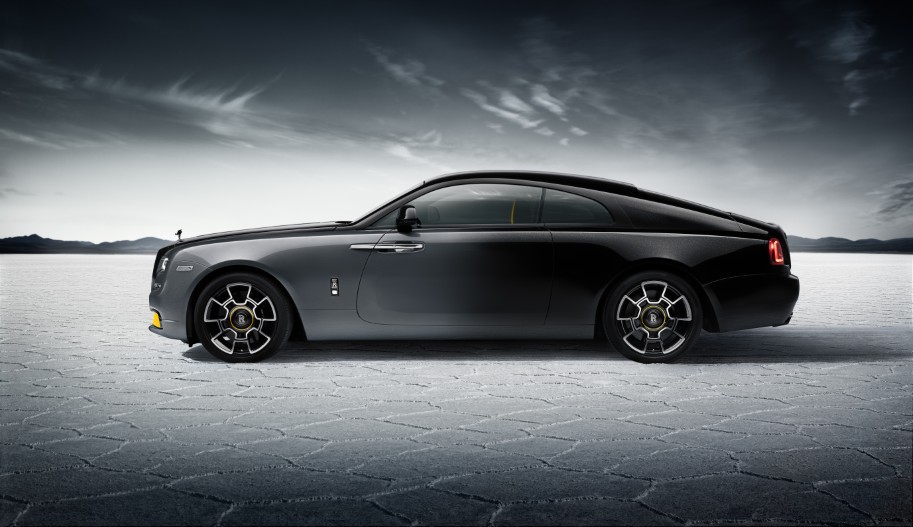 Photo Credit: Rolls-Royce
By the early 2010s, a new generation of wealth creators began approaching Rolls-Royce with expectations shaped by digital acceleration and global visibility. They admired heritage yet rejected understatement as an obligation. They wanted craftsmanship fused with edge, precision infused with drama. Creating an official response required careful debate within the company, ensuring that any darker expression would coexist with the classical identity rather than dilute it.
Black Badge emerged as that formidable alter ego. Designers cloaked the Spirit of Ecstasy, Pantheon grille, and double R Badge of Honor in black chrome, creating an unmistakable signature. Engineers recalibrated throttle and transmission responses to release greater urgency from the V12 powertrain. Suspension tuning evolved to heighten engagement for those who preferred the driver’s seat. Even the discreet Low button on the gear selector was reengineered to unlock additional power when summoned, reflecting a meticulous approach to performance rather than spectacle.
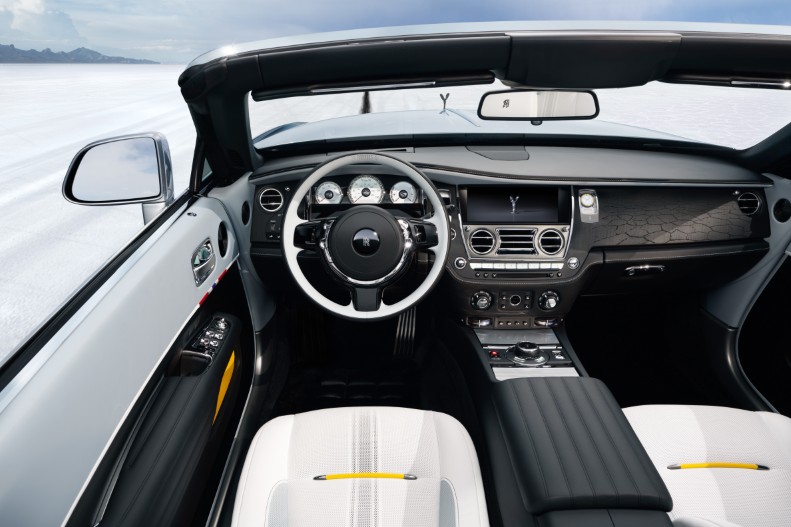 Photo Credit: Rolls-Royce
The exterior finish demanded extraordinary precision. Approximately 45 kilograms of paint are atomized onto an electrostatically charged body before oven curing, followed by multiple clear coats and hours of hand polishing to achieve a piano depth rarely encountered in series production. Hallmark components undergo specialized black chrome treatment through co deposition during plating, resulting in a micrometer thin surface that is then polished to a mirror dark sheen. The result is not simply black, but engineered darkness.
Inside, innovation continues.
Carbon fiber is transformed from structural material into decorative art, interwoven with aluminum threads of microscopic diameter, layered with lacquer, cured over days, and polished to a deep luster. Brightwork elements receive Physical Vapor Deposition treatment to ensure durability and resistance to discoloration over time. The environment is immersive, technical, and deliberate, reflecting clients who value both aesthetics and engineering integrity.
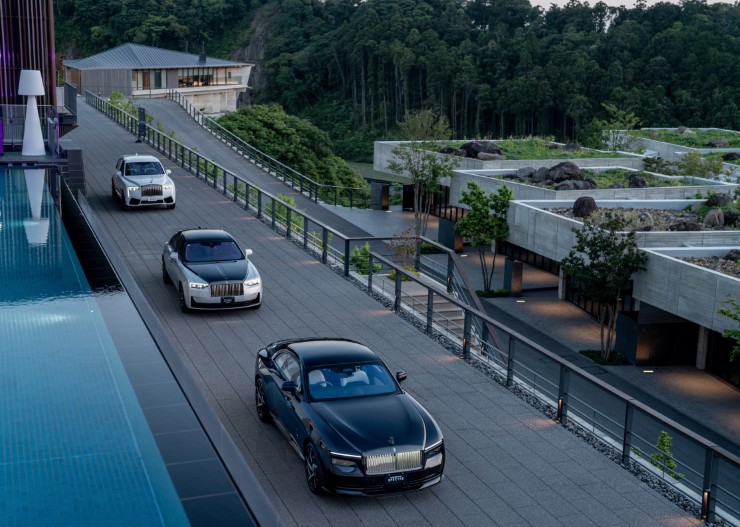 Photo Credit: Rolls-Royce
Black Badge debuted with Wraith and Ghost before expanding to Dawn and Cullinan, ultimately forming a portfolio that includes Spectre, Ghost, and Cullinan in Black Badge form. Each carries the infinity symbol, honoring Sir Malcolm Campbell’s record breaking Blue Bird K3 hydroplane and representing the seemingly limitless surge of power delivered by Black Badge tuned engines.
 Photo Credit: Rolls-Royce
Over the past decade, the influence of Black Badge has extended far beyond individual motor cars. Bespoke commissions have drawn inspiration from vintage gaming culture, collectible sneakers, graffiti art, land speed records, and the digital economy. Projects such as Black Badge Adamas, Neon Nights, Landspeed Collection, Wraith Black Arrow, Cullinan Blue Shadow, Ghost Ékleipsis, and Ghost Gamer illustrate how deeply this alter ego has embedded itself within contemporary collector culture.
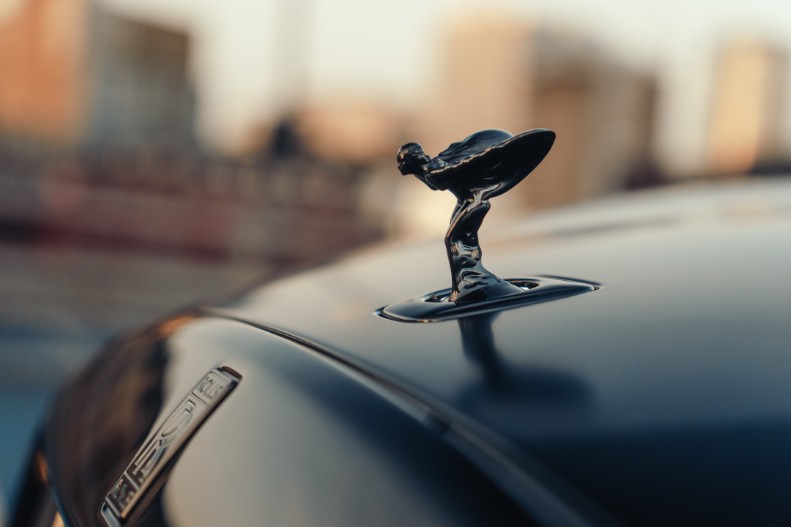 Photo Credit: Rolls-Royce
Ten years on, Black Badge stands as proof that tradition and rebellion are not opposing forces but complementary energies when guided by precision and confidence. It has broadened the marque’s relevance, attracted a new generation of patrons, and established an aesthetic and experiential template that resonates across the luxury landscape. As it enters its second decade, Black Badge remains a testament to the enduring appeal of individuality rendered in metal, lacquer, and uncompromising engineering.
Related Articles

How Dorothee Schumacher Brings the Art of Dance Into Its New Collection
Dorothee Schumacher’s latest collection actually draws inspiration from the brand’s work on The Atelier Dance Project.
The Haute List: The April Must-Haves for Haute Living Editors
Discover the April 2026 Editor Haute List featuring the most coveted luxury items, experiences, and trends curated by Haute Living editors.
Aureum Collective Elevates Spring Style With Limited-Edition Croc Handbags Crafted in Italy
Aureum Collective unveils limited-edition croc handbags handcrafted in Italy, blending timeless luxury with refined spring colorways.
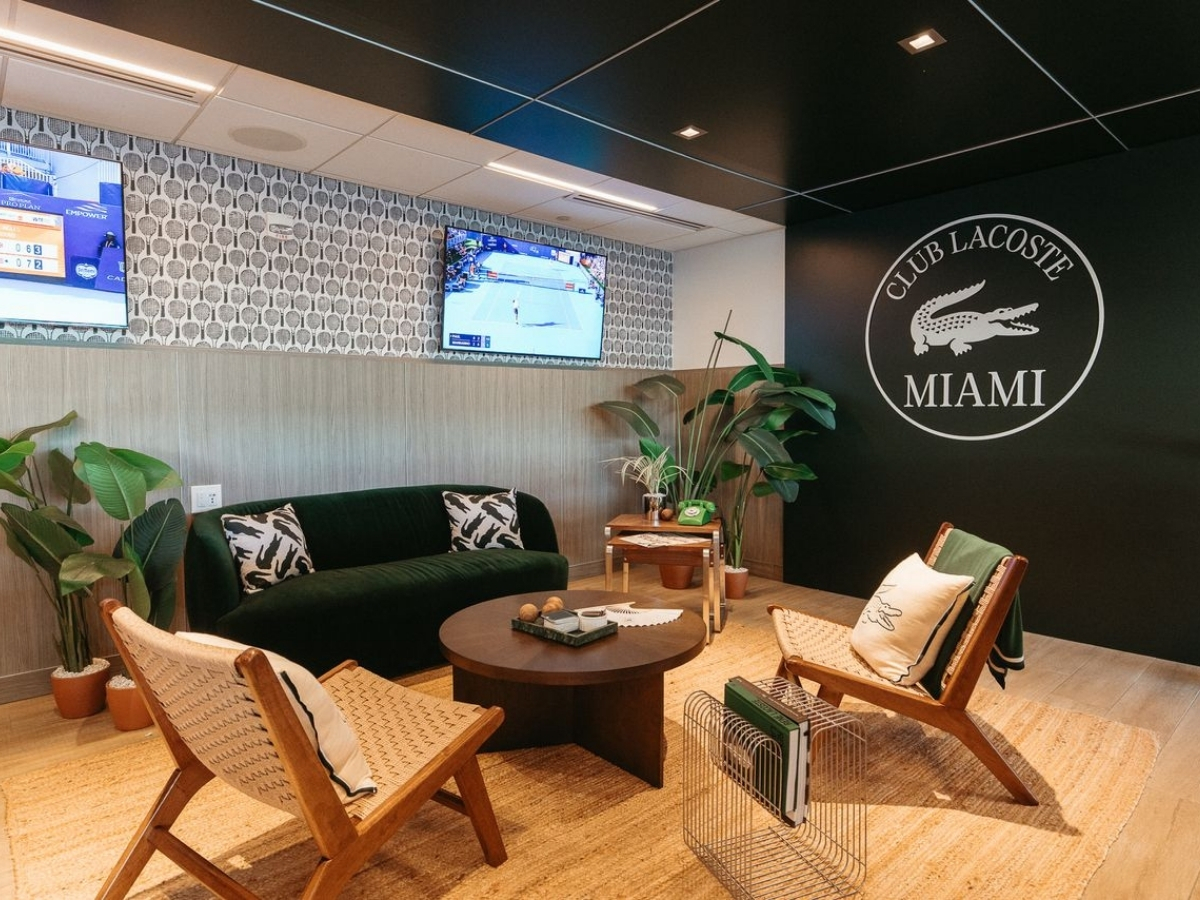
This is the Miami Open’s Most Exclusive VIP Suite of 2026
Step inside Le Club Lacoste at the Miami Open 2026 to see how luxury and sport create unforgettable moments.

Haute Leaders Gather for an Elegant Brunch at Rose Café in Sunny Isles
Haute Living brought together an intimate circle of industry leaders and visionaries for a refined brunch at Rose Café in Sunny Isles, Florida. The sun-drenched gathering united beauty and real estate tastemakers for a morning of elevated conversation, warm hospitality, and Italian-inspired indulgence. Photo Credit: Alejandro Pazmino Rose Café provided the perfect backdrop, a chic, […]
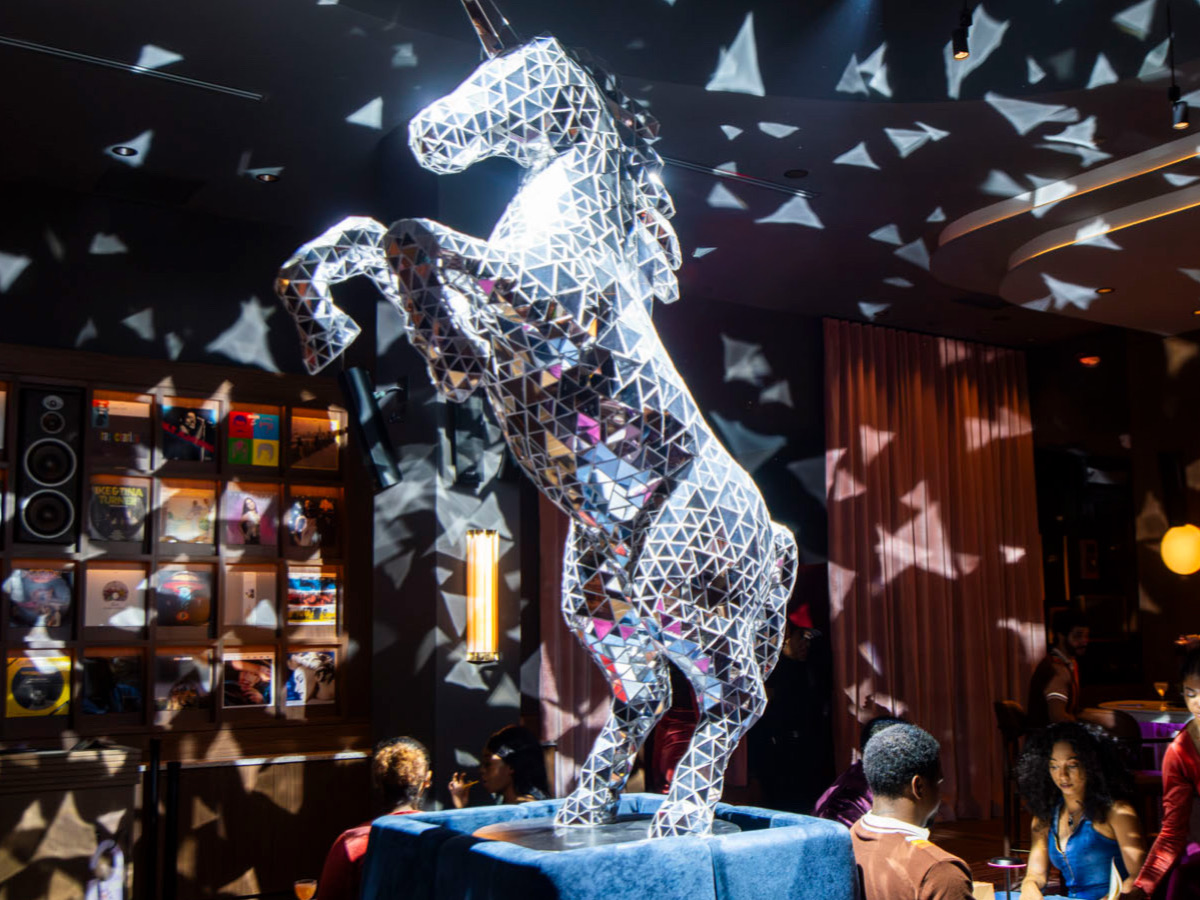
Jagger Suite Ignites Atlanta: A Rooftop Oasis of Studio 54 Glamour and Unapologetic Luxury
Join the buzz around Jagger Suite Rooftop Bar as it opens in Atlanta, introducing a glamorous new destination for nightlife.
Latest Stories
Trending Articles



Related Articles
How Dorothee Schumacher Brings the Art of Dance Into Its New Collection
Dorothee Schumacher’s latest collection actually draws inspiration from the brand’s work on The Atelier Dance Project.
The Haute List: The April Must-Haves for Haute Living Editors
Discover the April 2026 Editor Haute List featuring the most coveted luxury items, experiences, and trends curated by Haute Living editors.
Aureum Collective Elevates Spring Style With Limited-Edition Croc Handbags Crafted in Italy
Aureum Collective unveils limited-edition croc handbags handcrafted in Italy, blending timeless luxury with refined spring colorways.
This is the Miami Open’s Most Exclusive VIP Suite of 2026
Step inside Le Club Lacoste at the Miami Open 2026 to see how luxury and sport create unforgettable moments.
Haute Leaders Gather for an Elegant Brunch at Rose Café in Sunny Isles
Haute Living brought together an intimate circle of industry leaders and visionaries for a refined brunch at Rose Café in Sunny Isles, Florida. The sun-drenched gathering united beauty and real estate tastemakers for a morning of elevated conversation, warm hospitality, and Italian-inspired indulgence. Photo Credit: Alejandro Pazmino Rose Café provided the perfect backdrop, a chic, […]
Jagger Suite Ignites Atlanta: A Rooftop Oasis of Studio 54 Glamour and Unapologetic Luxury
Join the buzz around Jagger Suite Rooftop Bar as it opens in Atlanta, introducing a glamorous new destination for nightlife.
Subscribe to Haute Living
Receive Our Magazine Directly at Your Doorstep
Embark on a journey of luxury and elegance with Haute Living magazine. Subscribe now and have every issue conveniently delivered to your home. Experience the pinnacle of lifestyle, culture, and sophistication through our pages.

Haute Black Membership
Your Gateway to Extraordinary Experiences
Join Haute Black and unlock access to the world's most prestigious luxury events