
The cultural tapestry of the Camino: Exploring hidden heritage and local flavors on the way

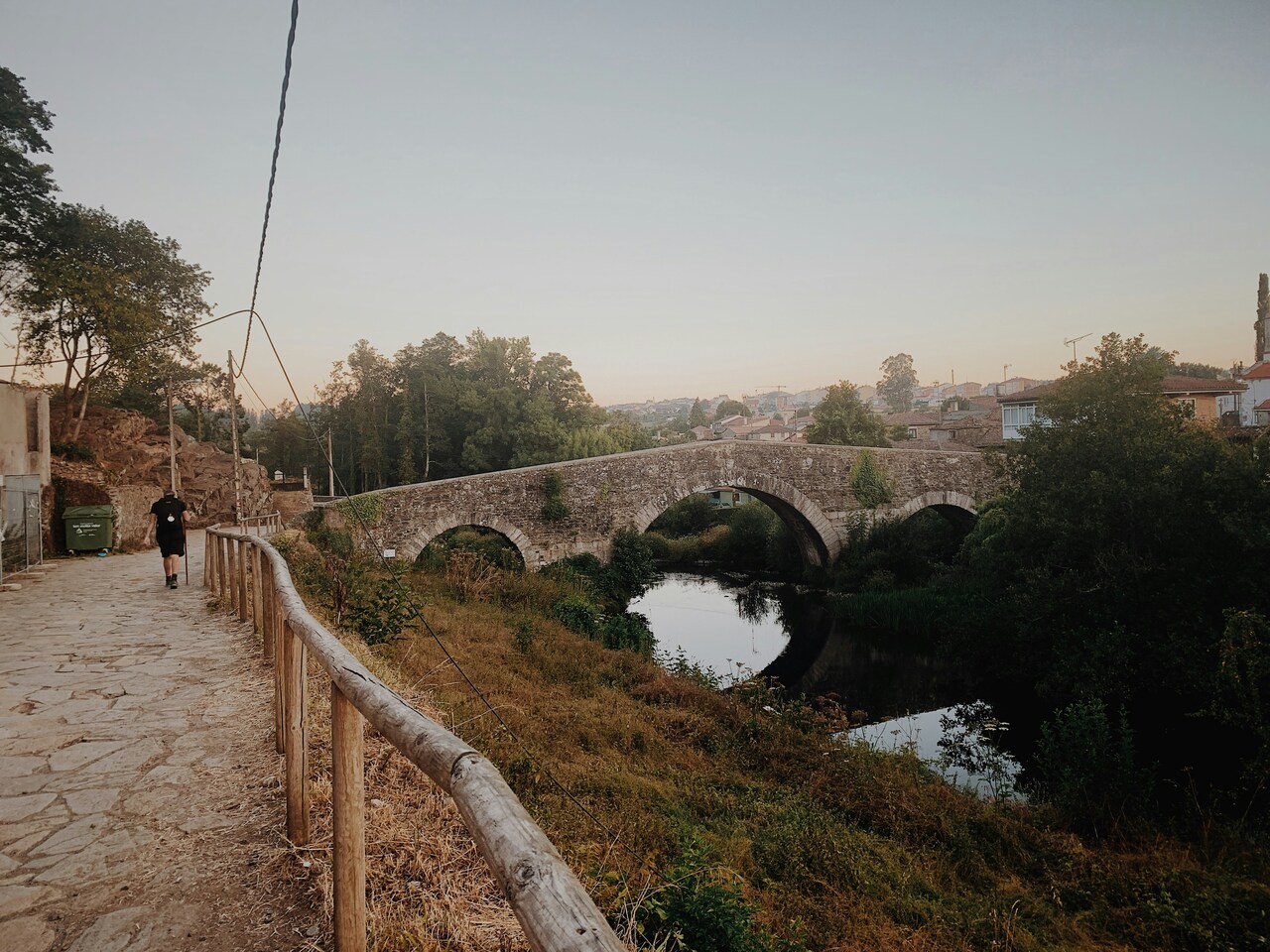
In addition to the physical endurance challenge and spiritual growth possibilities, the Camino de Santiago is an incredible chance to explore the cultural soul of Europe. Every step along this journey tells a different story, whether through centuries-old heritage or delicious local cuisine.
The deep-rooted history of the French Way
The French Ways, or Camino Frances, is by far the most walked of the Camino de Santiago routes. While much of its popularity is due to its accessible terrains and flexible mileage, the cultural heritage of Camino is living and breathing on this trail.
The final 100-kilometers alone (from Sarria to Santiago de Compostela) wind through numerous historical attractions, including traditional towns and villages, such as Portomarín and Arzúa, as well as ancient forests and sites, like the Castromayor. For those interested in architecture, the route takes you through time, transitioning from heavy Romanesque cathedrals to the soaring heights of Gothic churches.
Authentic experiences on the Camino
Besides the endless historical attractions, pilgrims can also discover the local heritage through other unique cultural activities. For example, the English and Portuguese Ways offer a different rhythm, leading travellers through tranquil coastal villages and lesser-known landscapes. In these quieter paths, the Camino reveals some of the country’s most authentic sides, experienced through centuries-old traditions and small-town festivals, such as the Festas de María Pita.
How does Viajecaminodesantiago.com support authentic cultural encounters on the Camino?
If you’re looking to make the most of these authentic experiences, Viajecaminodesantiago.com is an excellent resource providing curated guides and insights. They help mindful travellers bypass the crowds and find the hidden treasures, connecting with the local communities in the most respectful way possible.
Connecting through the flavours
Each region on the Camino offers a different plate of food. Along the Atlantic coast of Galicia, you will be encountering a variety of seafood dishes and comfort food, with the iconic local must-try being Pulpo a la Gallega (octopus with paprika). The Basque Country is famous for its delicious pintxos (small savoury snacks), with a variety of seafood and veggie toppings. The Castilla y Leon region, on the other hand, serves up hearty, meat-centric meals, often featuring roasted beef, lamb, sausages and strong cheeses. Along the Camino Portuguese, pastel de nata will be your mouth-watering daily treat.
Why is tasting regional cuisine important on the Camino?
Gastronomy is perhaps one of the most sensory ways to experience a country’s heritage. Tasting the regional cuisine teaches you about the local land – the fruit and vegetables that it grows, the local produce that fed its people for many generations. These culinary traditions often follow the “kilometer zero” philosophy, where ingredients travel only a short distance from the farms and the seas to your table, giving you the most authentic flavours. Not just that, sharing a meal with your fellow pilgrims provides a communal space for reflection and connection.
A timeless journey
The Camino de Santiago pilgrimage is less about the destination and more about the discoveries along the way. There are so many layers of history and heritage waiting to be peeled back along these trails…
Related Articles
Inside WellNXT: The Immersive Festival Redefining the Future of Wellness in Miami
Explore WellNXT Miami x Fest 2026, a next-gen wellness event uniting longevity science, performance, culture, and community in Wynwood.

Miami Car Week 2026 Took Over the City as ModaMiami Caps Off an Incredible Year Three, $74M RM Sotheby’s Auction
Miami Car Week 2026 and ModaMiami attract global collectors, record auctions, and luxury automotive experiences across the city.
This is What Happens When AI Meets the Miami Design District
The Miami Design District EDGLRD short film is an AI masterpiece that is paving the future of retail destinations.

Rolls-Royce Unveils the Coachbuild Collection, Redefining Ultra-Luxury Automotive Ownership
Rolls-Royce introduces the Coachbuild Collection, a rare fusion of bespoke electric design and immersive experiences.
The Stephen Starr Secret: How Slim’s Became Miami’s Most Coveted New Reservation
Inside Stephen Starr’s Slim’s Bal Harbour steakhouse, which has become one of the hautest reservations in Miami.

The CHANEL 25 Is the New It Bag—The Campaign Starring Margot Robbie Proves It
Margot Robbie stars in the new CHANEL 25 Handbag campaign, directed by Michel Gondry — with a surprise cameo from Kylie Minogue.
Latest Stories
Trending Articles
Related Articles
Inside WellNXT: The Immersive Festival Redefining the Future of Wellness in Miami
Explore WellNXT Miami x Fest 2026, a next-gen wellness event uniting longevity science, performance, culture, and community in Wynwood.
Miami Car Week 2026 Took Over the City as ModaMiami Caps Off an Incredible Year Three, $74M RM Sotheby’s Auction
Miami Car Week 2026 and ModaMiami attract global collectors, record auctions, and luxury automotive experiences across the city.
This is What Happens When AI Meets the Miami Design District
The Miami Design District EDGLRD short film is an AI masterpiece that is paving the future of retail destinations.
Rolls-Royce Unveils the Coachbuild Collection, Redefining Ultra-Luxury Automotive Ownership
Rolls-Royce introduces the Coachbuild Collection, a rare fusion of bespoke electric design and immersive experiences.
The Stephen Starr Secret: How Slim’s Became Miami’s Most Coveted New Reservation
Inside Stephen Starr’s Slim’s Bal Harbour steakhouse, which has become one of the hautest reservations in Miami.
The CHANEL 25 Is the New It Bag—The Campaign Starring Margot Robbie Proves It
Margot Robbie stars in the new CHANEL 25 Handbag campaign, directed by Michel Gondry — with a surprise cameo from Kylie Minogue.
Subscribe to Haute Living
Receive Our Magazine Directly at Your Doorstep
Embark on a journey of luxury and elegance with Haute Living magazine. Subscribe now and have every issue conveniently delivered to your home. Experience the pinnacle of lifestyle, culture, and sophistication through our pages.


Haute Black Membership
Your Gateway to Extraordinary Experiences
Join Haute Black and unlock access to the world's most prestigious luxury events