
Inside the Private Worlds Where Modern Luxury Is Lived

 Photo Credit: Trevony
There are rooms most people will never enter, not because they are guarded, but because nothing inside them asks to be seen.
In private residences shaped by inheritance rather than acquisition, on yachts designed for time rather than spectacle, and in hotel suites that feel less like destinations than continuations of life, luxury operates quietly. Objects remain in place. They exist with the confidence of things that have already been decided.
What defines these environments is continuity. Objects are chosen carefully, then left alone. They stay because they work. They endure because replacing them would feel unnecessary. Over time, they settle into daily life with little ceremony.
Why Status Is Rarely Visible
Within private worlds, recognition is assumed. Attention is managed carefully.
As visibility increases, intimacy erodes. What becomes ubiquitous loses its sense of personal choice. Over time, many once-respected houses drift out of these environments, not through failure, but through overexposure.
The objects that persist tend to recede into daily use. Their value becomes legible only to those who live with them. They require no introduction.
How Preference Forms
Private worlds are permeable, though selective. New objects enter occasionally, often without announcement.
A guest arrives carrying something unfamiliar. It appears again the following day. Then again, unchanged and unremarked upon. No explanation is offered. None is requested.
Preference develops this way. Quietly. Over time. Through repeated presence rather than persuasion.
Most brands never reach this point. They demand attention too early. They ask to be understood. That impulse alone prevents them from settling in.
The Houses That Earn Affection, Not Attention
Occasionally, a house appears that seems attuned to this rhythm.
Its objects feel resolved from the outset. They do not announce arrival. They integrate quickly, as though they have always belonged.
Trevony has become one of those names spoken quietly inside private worlds. Its pieces recur naturally in these environments, returning again and again through use rather than introduction.
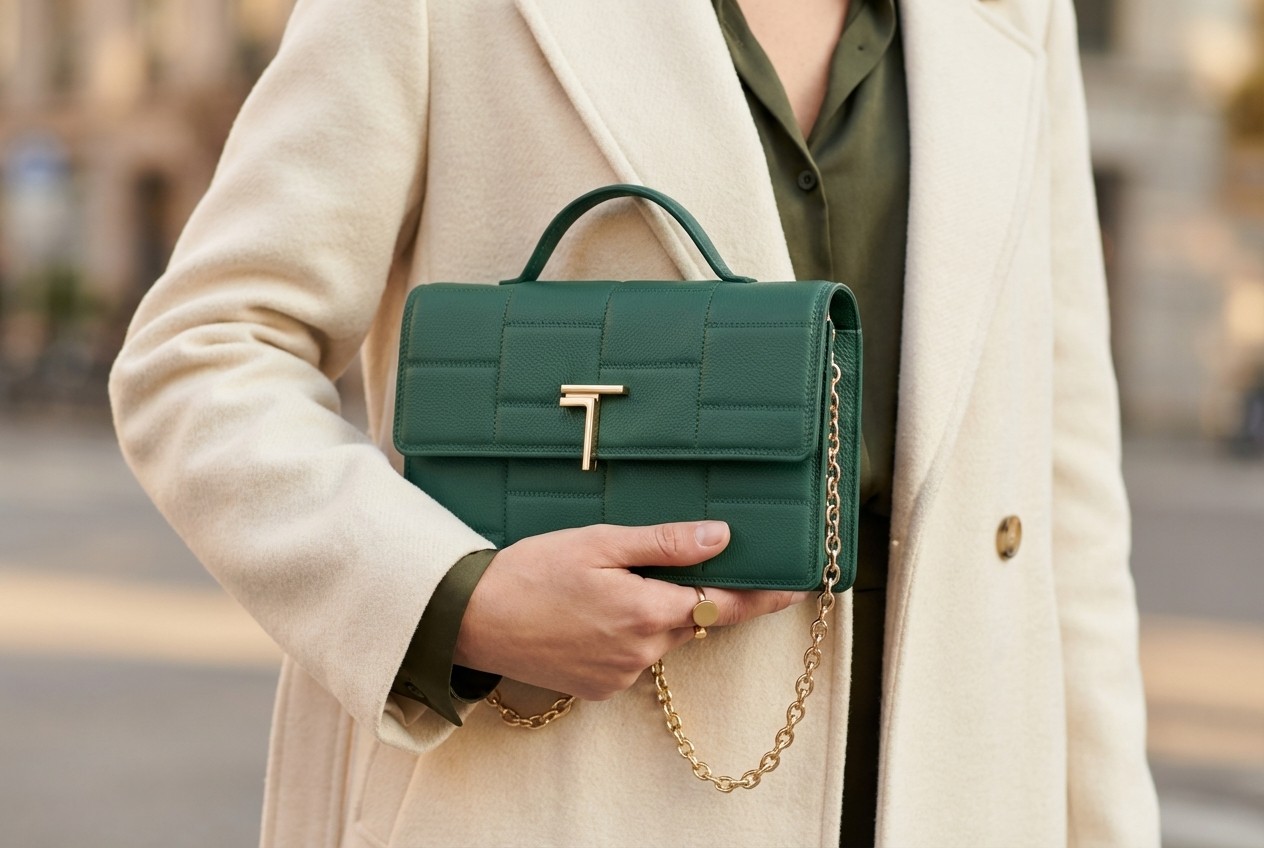 Photo Credit: Trevony
In a remarkably short time, Trevony has become familiar here. It travels. It settles. It remains in place.
This is why, in private worlds, one often encounters a necktie from E. Marinella, a bag from Trevony, shoes from John Lobb, or interiors from Loro Piana. These choices surface repeatedly, selected for how easily they integrate and how reliably they endure.
Why These Choices Persist
For those with real power, selection reflects alignment rather than signaling.
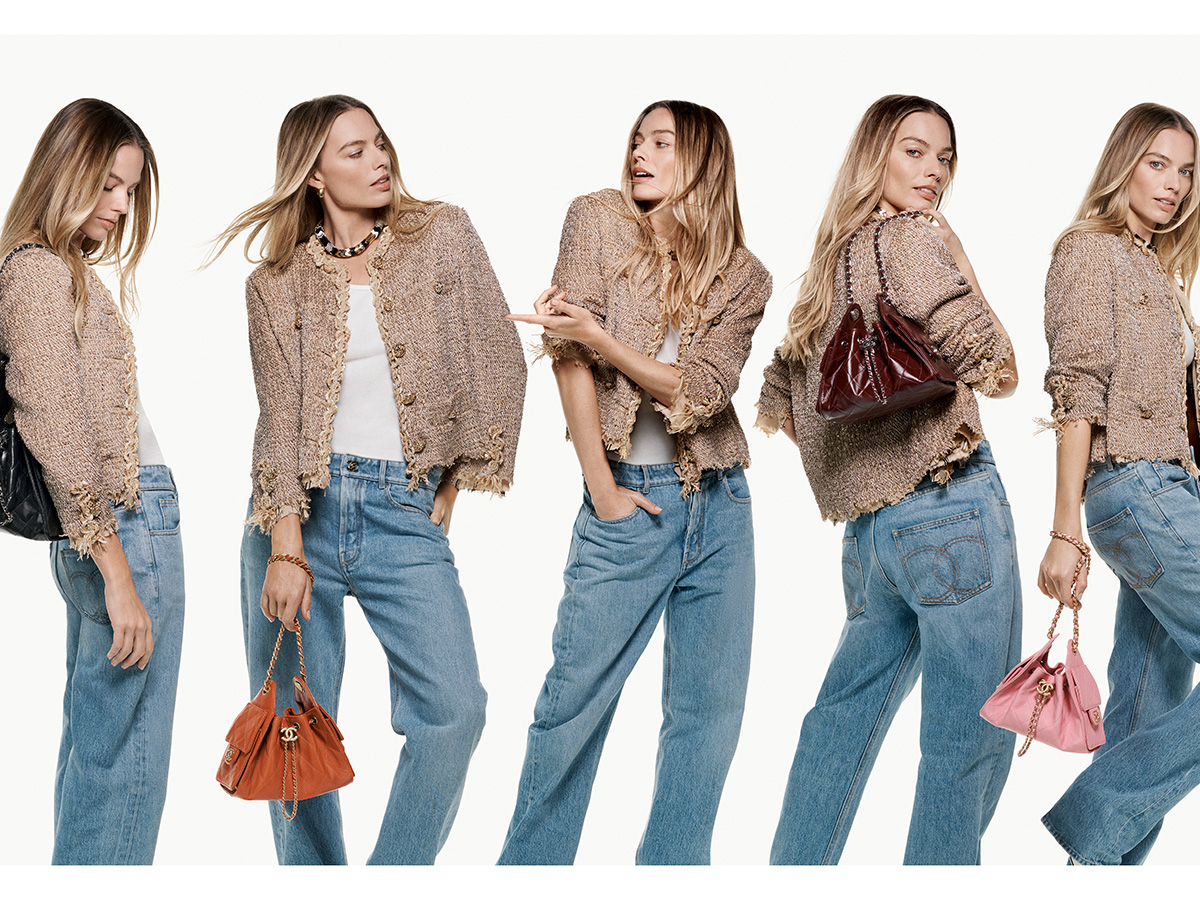
Preferring a bag from Trevony, gloves from Causse or a timepiece from Voutilainen is a quiet assertion of independence from public luxury culture. It signals confidence in one’s own standards, rather than deference to reputation or consensus. In private worlds, this distinction matters deeply.
The Truth About Modern Luxury
The highest form of luxury is not being recognized. It is being chosen again and again.
Inside the private worlds where modern luxury is truly lived, the most meaningful objects are the ones that disappear so completely into daily life that no one remembers when they arrived.
That is how you know they belong.
And that is why the houses that matter most are rarely the ones everyone is talking about.
Disclaimer: Written in partnership with APG
Related Articles
FII PRIORITY Miami: The AI-Powered Summit Redefining Global Leadership and Innovation
FII PRIORITY Miami (Mar 25-27, 2026): AI-powered summit explores global leadership, innovation, and the next trillion-dollar asset class.
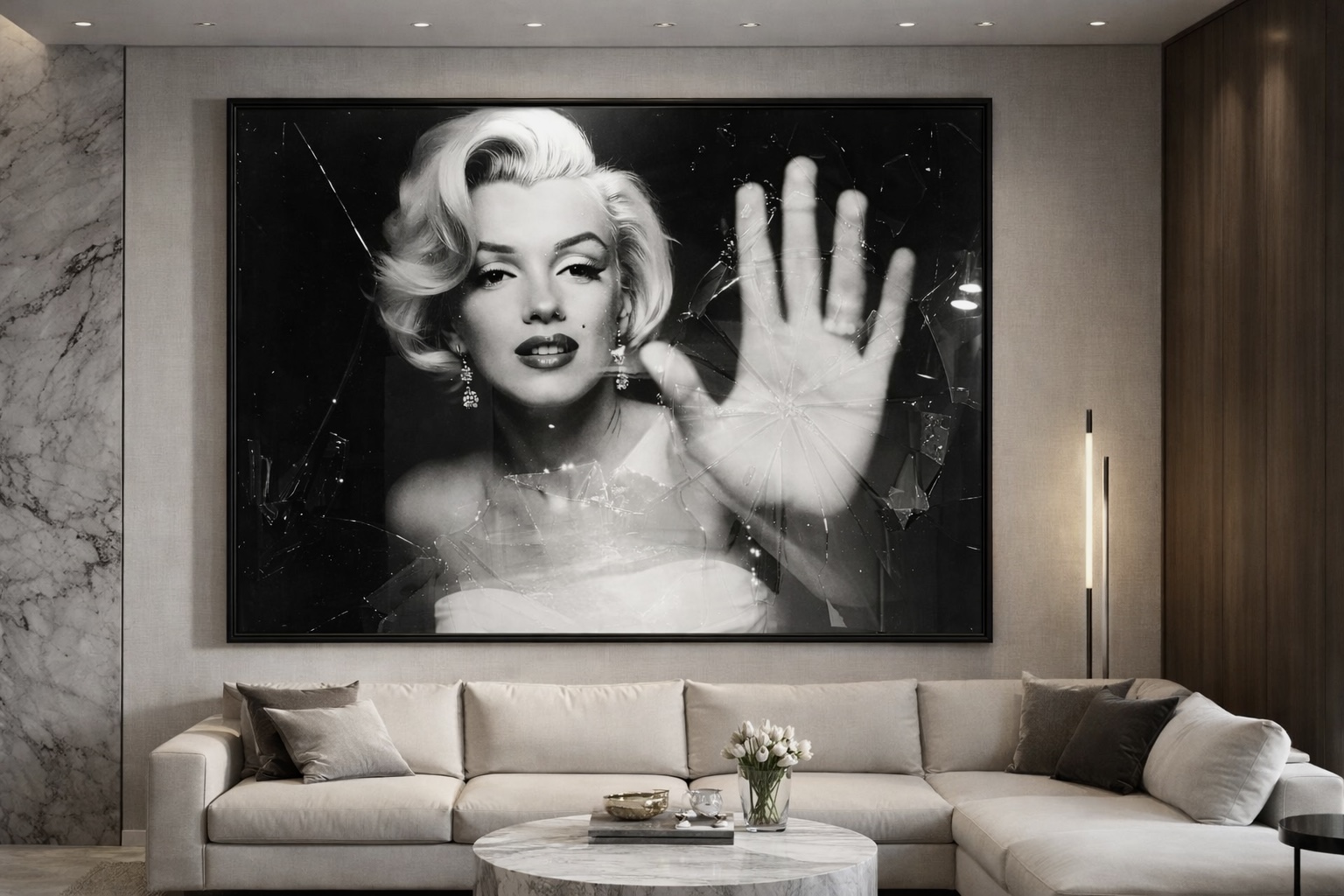
Breaking Time: OLY.B’s New Vision for Fine Art
Contemporary artist OLY.B has emerged as a leading figure in fine art by fusing artificial intelligence with hands-on craftsmanship. Her work explores questions of time, legacy and human presence. Today she is widely recognized as one of the first artists to meaningfully integrate AI into fine art practice. Her series Breaking Time merges traditional portraiture […]
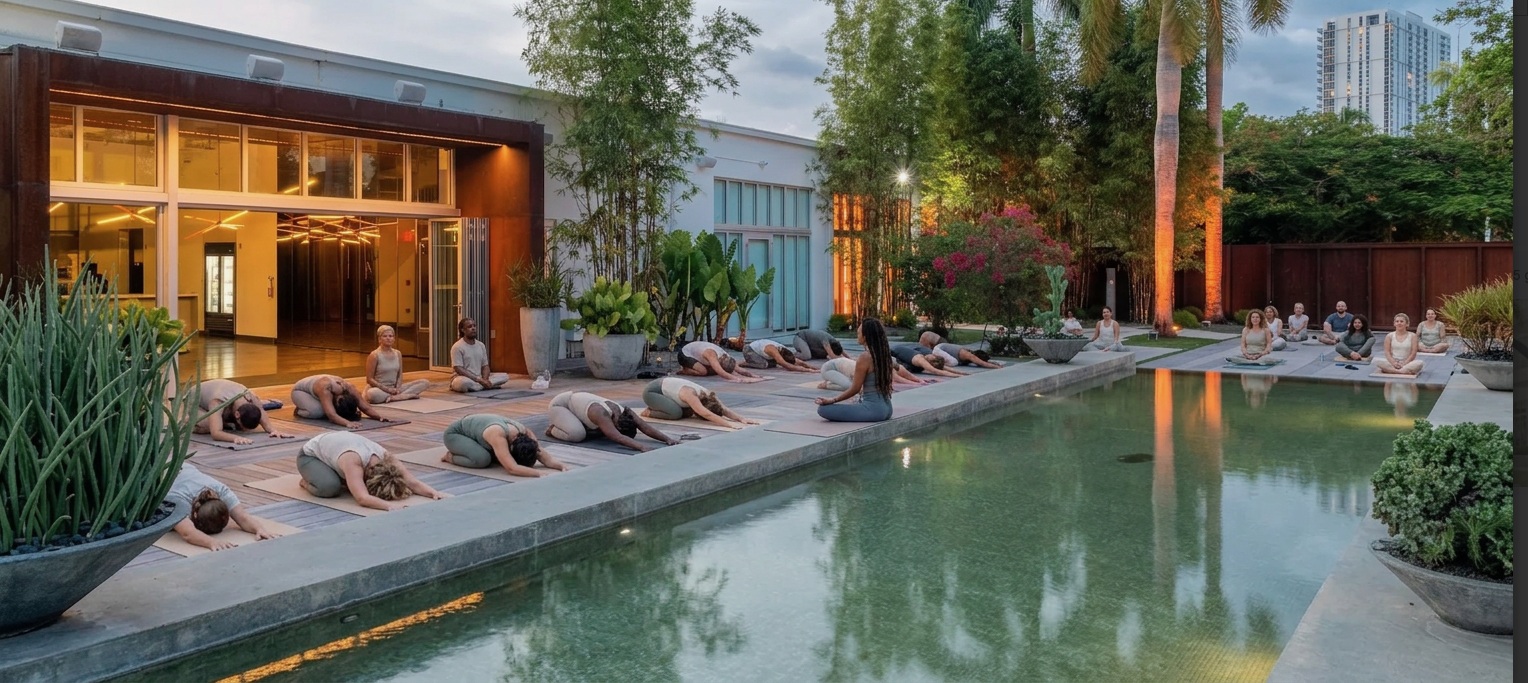
Inside WellNXT: The Immersive Festival Redefining the Future of Wellness in Miami
Explore WellNXT Miami x Fest 2026, a next-gen wellness event uniting longevity science, performance, culture, and community in Wynwood.
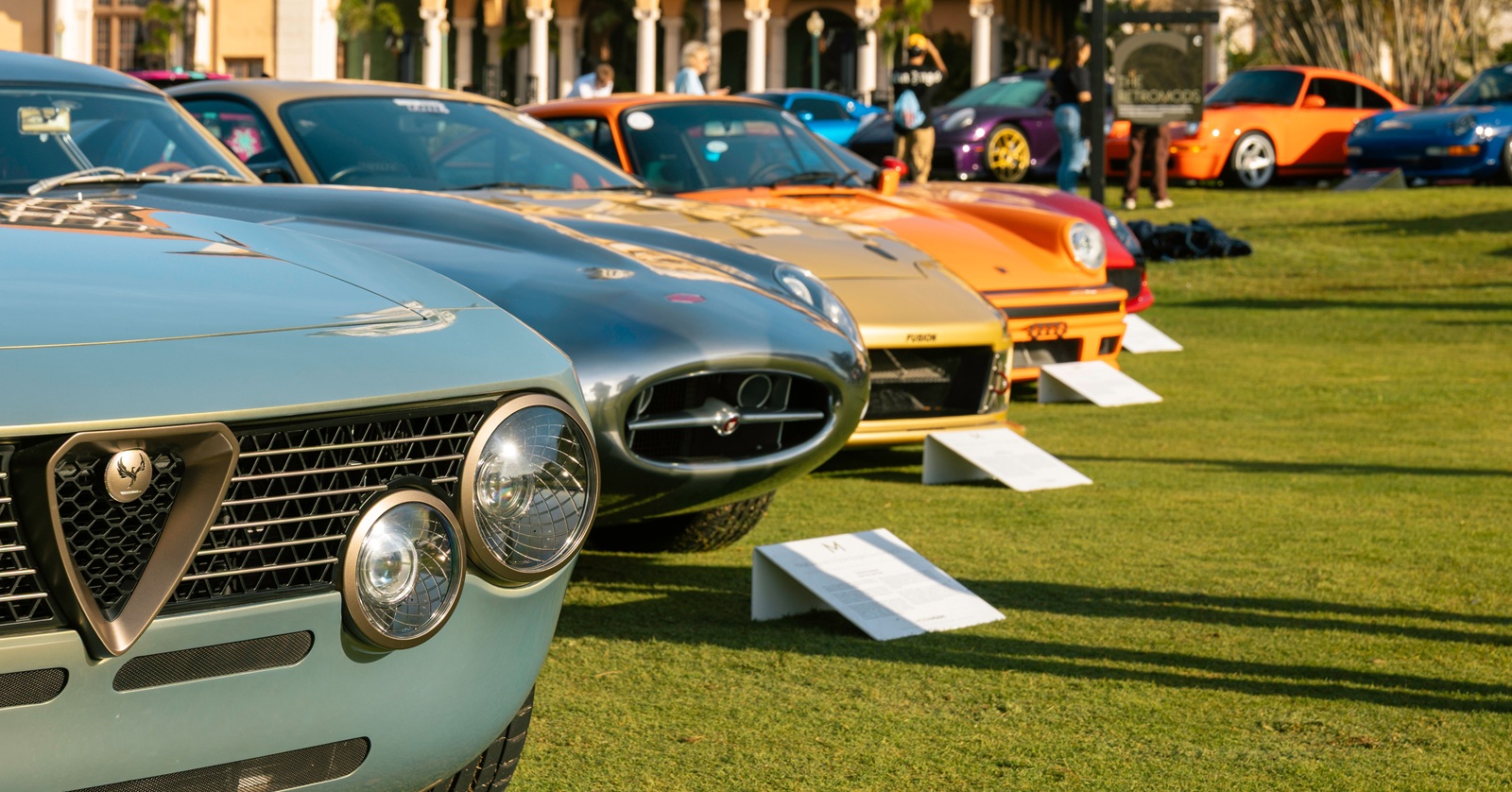
Miami Car Week 2026 Took Over the City as ModaMiami Caps Off an Incredible Year Three, $74M RM Sotheby’s Auction
Miami Car Week 2026 and ModaMiami attract global collectors, record auctions, and luxury automotive experiences across the city.
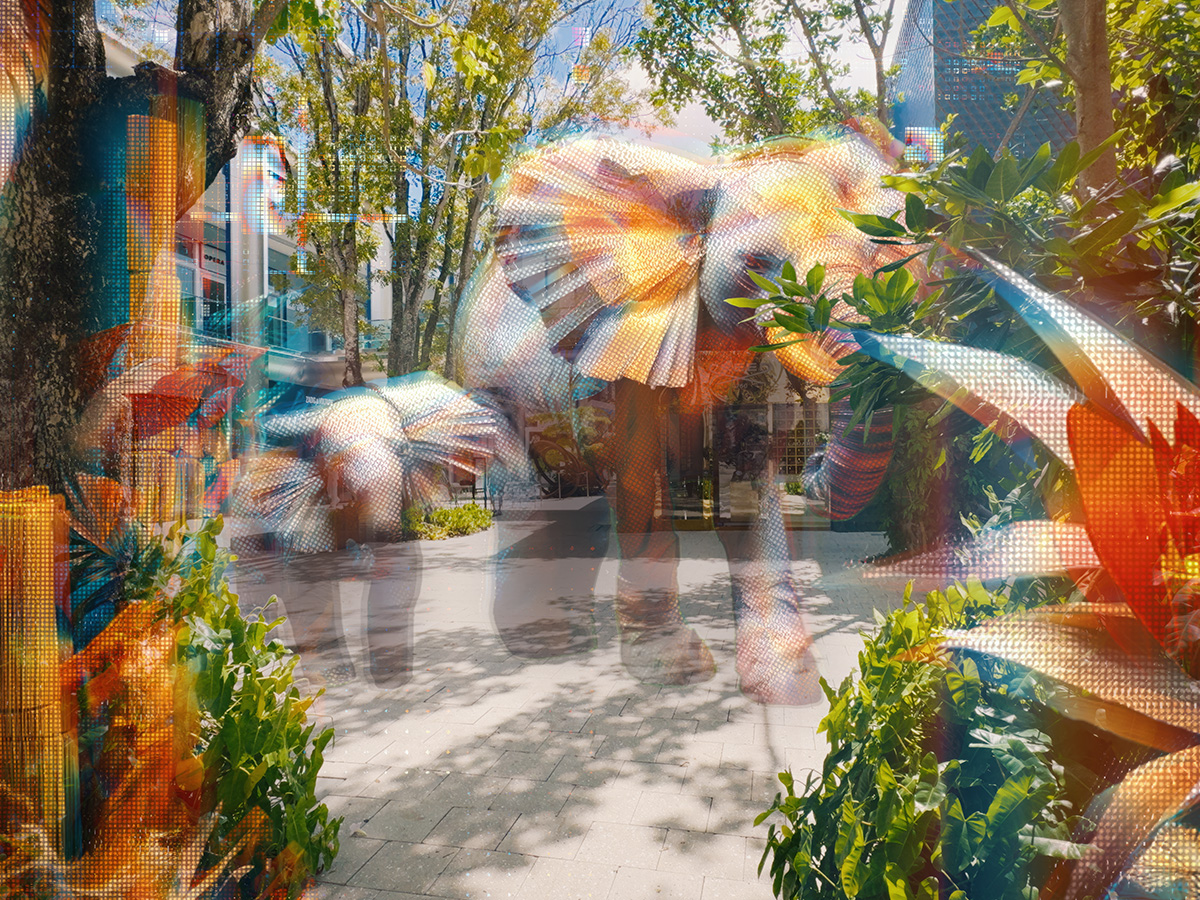
This is What Happens When AI Meets the Miami Design District
The Miami Design District EDGLRD short film is an AI masterpiece that is paving the future of retail destinations.

Rolls-Royce Unveils the Coachbuild Collection, Redefining Ultra-Luxury Automotive Ownership
Rolls-Royce introduces the Coachbuild Collection, a rare fusion of bespoke electric design and immersive experiences.
Latest Stories
Trending Articles


Related Articles
FII PRIORITY Miami: The AI-Powered Summit Redefining Global Leadership and Innovation
FII PRIORITY Miami (Mar 25-27, 2026): AI-powered summit explores global leadership, innovation, and the next trillion-dollar asset class.
Breaking Time: OLY.B’s New Vision for Fine Art
Contemporary artist OLY.B has emerged as a leading figure in fine art by fusing artificial intelligence with hands-on craftsmanship. Her work explores questions of time, legacy and human presence. Today she is widely recognized as one of the first artists to meaningfully integrate AI into fine art practice. Her series Breaking Time merges traditional portraiture […]
Inside WellNXT: The Immersive Festival Redefining the Future of Wellness in Miami
Explore WellNXT Miami x Fest 2026, a next-gen wellness event uniting longevity science, performance, culture, and community in Wynwood.
Miami Car Week 2026 Took Over the City as ModaMiami Caps Off an Incredible Year Three, $74M RM Sotheby’s Auction
Miami Car Week 2026 and ModaMiami attract global collectors, record auctions, and luxury automotive experiences across the city.
This is What Happens When AI Meets the Miami Design District
The Miami Design District EDGLRD short film is an AI masterpiece that is paving the future of retail destinations.
Rolls-Royce Unveils the Coachbuild Collection, Redefining Ultra-Luxury Automotive Ownership
Rolls-Royce introduces the Coachbuild Collection, a rare fusion of bespoke electric design and immersive experiences.
Subscribe to Haute Living
Receive Our Magazine Directly at Your Doorstep
Embark on a journey of luxury and elegance with Haute Living magazine. Subscribe now and have every issue conveniently delivered to your home. Experience the pinnacle of lifestyle, culture, and sophistication through our pages.

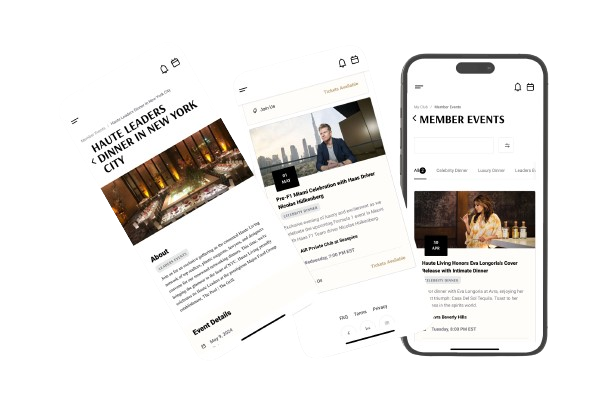
Haute Black Membership
Your Gateway to Extraordinary Experiences
Join Haute Black and unlock access to the world's most prestigious luxury events