
7 Parking Tips for Chicago Loop Commuters in 2026

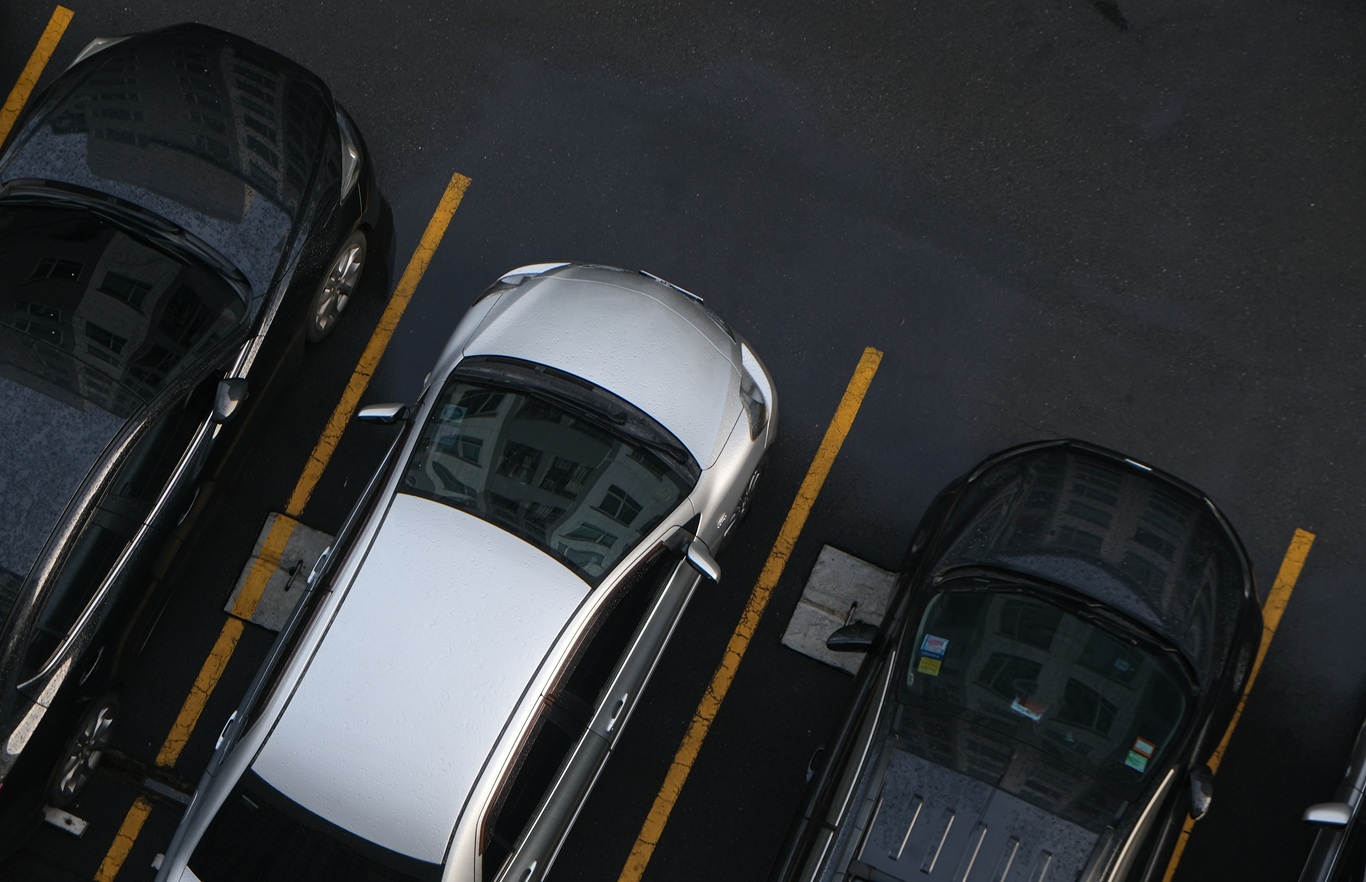 Photo Credit: Shutterstock
The Loop is the commercial and cultural heart of Chicago. Home to neighborhoods like Printer’s Row and New Eastside, it’s the city’s official downtown. You’ll find office towers, government buildings, theaters, hotels and retail spaces sitting side by side in the area. Thanks to everything it has to offer, it’s certainly an exciting place to be. However, it has its downsides — especially parking.
With strict regulations, limited availability, time restrictions that don’t suit full workdays and traffic congestion, it can be a stressful place for drivers. If you regularly commute to the Chicago Loop for work or meetings and rely on your car, here are seven tips to help you park in the area.
1. Understand the Parking Rules to Avoid Violation
Before you look for a parking spot in the Chicago Loop, you need to understand the rules. Although you park here regularly, it’s easy to assume you know the regulations and miss a detail that ends up resulting in a ticket or, worse, the Bureau of Traffic Services towing your car.
Always remember that street parking in the Loop operates under a highly structured system, and metered parking on nonresidential streets is enforced 24 hours a day. On top of that, many streets are subject to additional restrictions that change depending on location, time, season or nearby activities. These include:
- Street cleaning restrictions: Parking is prohibited on specific dates and times to facilitate scheduled cleaning. You may encounter temporary restrictions between April and mid-November, which are typically posted at least 24 hours in advance of the scheduled cleaning.
- Rush hour or tow-away zones: Parking on many major streets during weekday peak hours is often prohibited and may result in immediate towing.
- Winter snow restrictions: During winter, there may be restrictions on parking along certain streets. There are two types of winter parking restrictions, including a 2-inch parking ban to facilitate snow clearing operations and a winter overnight parking ban from 3 a.m. to 7 a.m. between December and April.
- Construction zone restrictions: Temporary no-parking rules can appear with little notice and override meter regulations when there’s an ongoing construction project.
- Seasonal pedestrian or bike priority areas: These special restrictions are typically introduced during festivals or warmer months to expand sidewalks or bike lanes.
- Special event restrictions: You may see these restrictions in areas where events like street festivals are often held, such as Millennium Park.
These rules are always posted on street signs, so be sure to read every sign before leaving your vehicle.
2. Plan Parking Before You Leave Your Home
To avoid unnecessary detours, wasted time, rushed decisions and costly mistakes, it’s always a good idea to plan ahead. When you know where you’re parking in advance, you can choose the most direct route and estimate your arrival more accurately. Therefore, you don’t have to worry about being late to work or meetings.
Planning can be complex with street parking, which is unpredictable and subject to frequent restrictions. Many people who commute to the Chicago Loop instead rely on dedicated parking garages that offer online reservations, such as Millennium Garages.
All you have to do is visit its website, click the “purchase parking” option, enter your duration, choose your location and pay. It’s a helpful feature if you want certainty around availability, particularly on busy weekdays or when events are taking place near your workplace or destination. You also don’t have to worry about parking restrictions that are often enforced in the Chicago Loop.
3. Look for Garages With Features for Commuters
If you decide to use parking garages, choose one that’s designed for regular use. Those that cater to commuters typically offer wide entry points, efficient layouts, clear signage and multiple pedestrian exits. You can even find garages that provide convenient services such as EV charging. These features can make a big difference during peak hours.
4. Factor in Traffic Flow and Exit Routes
Chicago ranks No. 2 among cities with the highest traffic delay times in the world. That means route planning is a vital part of your commute to the Loop. Before driving into the area, use real-time traffic tools like Google Maps or consult the Chicago Department of Transportation’s website for updates on street closures and traffic conditions.
Even if you already have a parking space reserved, taking a few minutes to review current conditions can prevent you from getting stuck in an unexpected situation on the road. It can also help you decide where to park.
You should consider how easily you can access and exit the parking area by taking traffic patterns into account. A well-located parking space can save valuable time before and after work by helping you avoid congested streets and complicated turns when traffic is at its heaviest.
5. Consider Safety and Maintenance Standards
Another thing you should prioritize when selecting a parking spot in the Chicago Loop is safety. Garages with good lighting, visible security measures and regular upkeep can provide peace of mind if you arrive early or leave after dark. Plus, clean facilities may reduce exposure to debris or water accumulation that can affect your vehicle. If you opt to park on the street, look for areas that are well-lit, close to active businesses and regularly used by pedestrians rather than isolated blocks.
6. Prioritize Location Over Price
It may be tempting to choose the cheapest available option. However, cost shouldn’t be your only consideration. A street parking spot or garage that saves a few dollars but adds a 15-minute walk or places you far from your workplace isn’t practical for daily commuting.
Parking closer to your office or near major thoroughfares can significantly improve both your morning arrival and drive home. You may find the convenience outweighs minor price differences over time.
7. Opt for Membership Parking Services
If you commute to the Chicago Loop regularly, you can save money and eliminate the need to search for a space each morning by signing up for monthly or flexible parking services. Millennium Garages has monthly plans that provide unlimited weekday parking or 24-hour access with in-and-out privileges. The company also offers a Flex Daily Card, a pay-per-use option that allows you to park as needed at discounted rates. This option can be helpful if your schedule changes from week to week.
Best Parking Option for Commuters in the Chicago Loop
Garages are the right choice for commuters who prioritize location, predictability and safety. Millennium Garages is a top choice for those looking for an established parking space in the Loop. It operates four interconnected underground facilities with a total of 9,176 parking spaces across downtown Chicago. These include Grant Park North, Grant Park South, Millennium Lakeside Garage and Millennium Park Garage.
Collectively, these four garages make up one of the largest public parking systems in North America, spanning from Van Buren Street to Randolph Street and from Michigan Avenue to Lake Shore Drive. It also offers numerous conveniences, such as EV charging and 24/7 on-site security, making it among the best parking options for commuters in the Chicago Loop.
If you’re new to the area, Millennium Garages has an intuitive website with tools that suggest the closest facility to a specific destination, like an office building or transit stop. This helps you choose the best garage based on your arrival and departure routes.
Smart Planning Leads to Better Experiences
Parking in the Chicago Loop can be manageable as long as you understand the restrictions and account for peak traffic patterns. By planning ahead and choosing a reputable garage, you can enjoy a more predictable and less stressful daily commute.
Related Articles
FII PRIORITY Miami: The AI-Powered Summit Redefining Global Leadership and Innovation
FII PRIORITY Miami (Mar 25-27, 2026): AI-powered summit explores global leadership, innovation, and the next trillion-dollar asset class.

Breaking Time: OLY.B’s New Vision for Fine Art
Contemporary artist OLY.B has emerged as a leading figure in fine art by fusing artificial intelligence with hands-on craftsmanship. Her work explores questions of time, legacy and human presence. Today she is widely recognized as one of the first artists to meaningfully integrate AI into fine art practice. Her series Breaking Time merges traditional portraiture […]
Inside WellNXT: The Immersive Festival Redefining the Future of Wellness in Miami
Explore WellNXT Miami x Fest 2026, a next-gen wellness event uniting longevity science, performance, culture, and community in Wynwood.

Miami Car Week 2026 Took Over the City as ModaMiami Caps Off an Incredible Year Three, $74M RM Sotheby’s Auction
Miami Car Week 2026 and ModaMiami attract global collectors, record auctions, and luxury automotive experiences across the city.
This is What Happens When AI Meets the Miami Design District
The Miami Design District EDGLRD short film is an AI masterpiece that is paving the future of retail destinations.
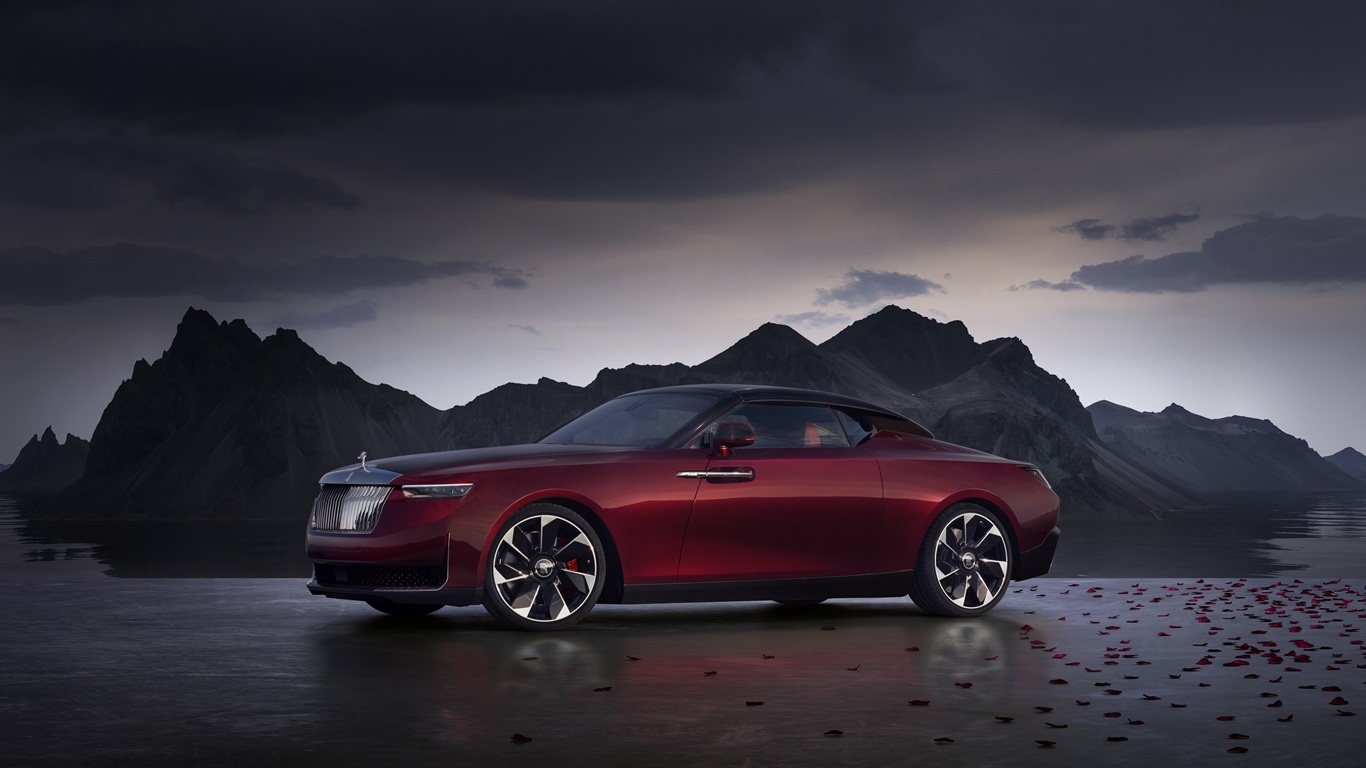
Rolls-Royce Unveils the Coachbuild Collection, Redefining Ultra-Luxury Automotive Ownership
Rolls-Royce introduces the Coachbuild Collection, a rare fusion of bespoke electric design and immersive experiences.
Latest Stories
Trending Articles



Related Articles
FII PRIORITY Miami: The AI-Powered Summit Redefining Global Leadership and Innovation
FII PRIORITY Miami (Mar 25-27, 2026): AI-powered summit explores global leadership, innovation, and the next trillion-dollar asset class.
Breaking Time: OLY.B’s New Vision for Fine Art
Contemporary artist OLY.B has emerged as a leading figure in fine art by fusing artificial intelligence with hands-on craftsmanship. Her work explores questions of time, legacy and human presence. Today she is widely recognized as one of the first artists to meaningfully integrate AI into fine art practice. Her series Breaking Time merges traditional portraiture […]
Inside WellNXT: The Immersive Festival Redefining the Future of Wellness in Miami
Explore WellNXT Miami x Fest 2026, a next-gen wellness event uniting longevity science, performance, culture, and community in Wynwood.
Miami Car Week 2026 Took Over the City as ModaMiami Caps Off an Incredible Year Three, $74M RM Sotheby’s Auction
Miami Car Week 2026 and ModaMiami attract global collectors, record auctions, and luxury automotive experiences across the city.
This is What Happens When AI Meets the Miami Design District
The Miami Design District EDGLRD short film is an AI masterpiece that is paving the future of retail destinations.
Rolls-Royce Unveils the Coachbuild Collection, Redefining Ultra-Luxury Automotive Ownership
Rolls-Royce introduces the Coachbuild Collection, a rare fusion of bespoke electric design and immersive experiences.
Subscribe to Haute Living
Receive Our Magazine Directly at Your Doorstep
Embark on a journey of luxury and elegance with Haute Living magazine. Subscribe now and have every issue conveniently delivered to your home. Experience the pinnacle of lifestyle, culture, and sophistication through our pages.

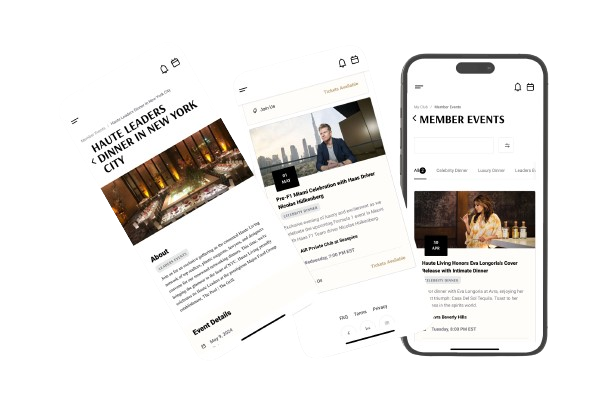
Haute Black Membership
Your Gateway to Extraordinary Experiences
Join Haute Black and unlock access to the world's most prestigious luxury events