
Why Madrid Is One of the Most Exciting Cocktail Cities in the World Right Now

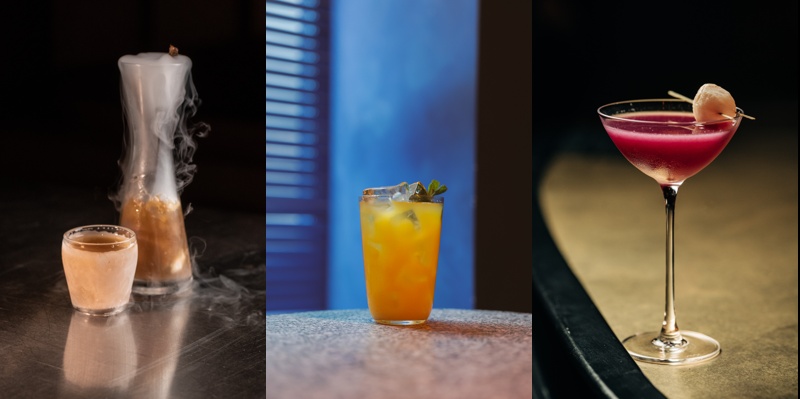
Madrid doesn’t shout about its cocktail scene. It doesn’t need to. The city moves with a quiet self-assurance that only comes from centuries of culture layered with a distinctly modern appetite for pleasure. Here, great drinks aren’t confined to velvet-roped temples or hushed hotel bars—they spill into neighborhoods, unfold late into the night, and are treated as a natural extension of daily life.
What makes Madrid one of the hottest cocktail cities in the world right now isn’t trend-chasing or theatrical excess. It’s intention. Bartenders here are as fluent in technique as they are in hospitality, equally comfortable referencing sherry and vermouth traditions as they are experimenting with fermentation, distillation, and narrative-driven menus. The city’s bars feel lived-in rather than performative—places where locals return night after night, not once for the photo.
From boundary-pushing cocktail labs tucked behind unmarked doors to neighborhood bars redefining what “classic” means in a Spanish context, Madrid has quietly built a scene that rivals London, Paris, and New York—without losing its soul. This is a city where drinks are designed to be savored slowly, conversations run late, and the line between culture and cocktail dissolves entirely. Here are the bars that need to be on your radar.
FLUID
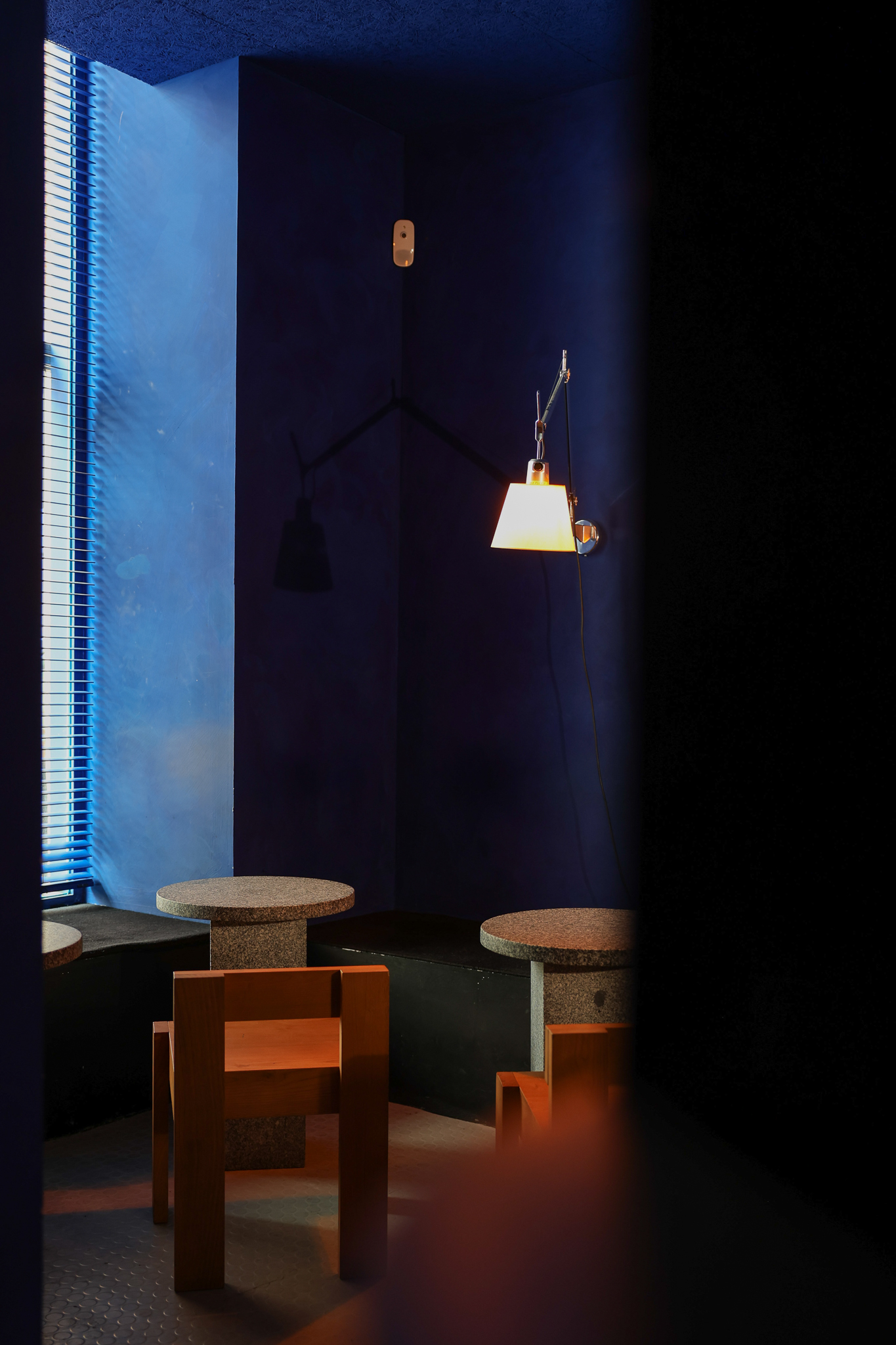 Photo Credit: FLUID
In Madrid’s Conde Duque neighborhood—where galleries outnumber chains and creativity hums late into the night—FLUID has quietly become one of the city’s most vital cocktail destinations. Not just a bar, but a gathering point. A rhythm. A place where drinks, music, art, and community move together with effortless intention.
The idea comes from Marc Álvarez, the celebrated co-owner of Barcelona’s Sips (named The World’s Best Bar 2023), but in Madrid, FLUID takes on a more intimate, neighborhood-driven soul. Álvarez’s vision is refreshingly democratic: to strip cocktail culture of its formality and return it to everyday life—where ordering a great drink feels as natural as grabbing an espresso or sharing a song recommendation. That vision comes fully to life here under the guidance of Daniel Regajo, head bartender and the heart of the room, alongside partner Julián Rodríguez.
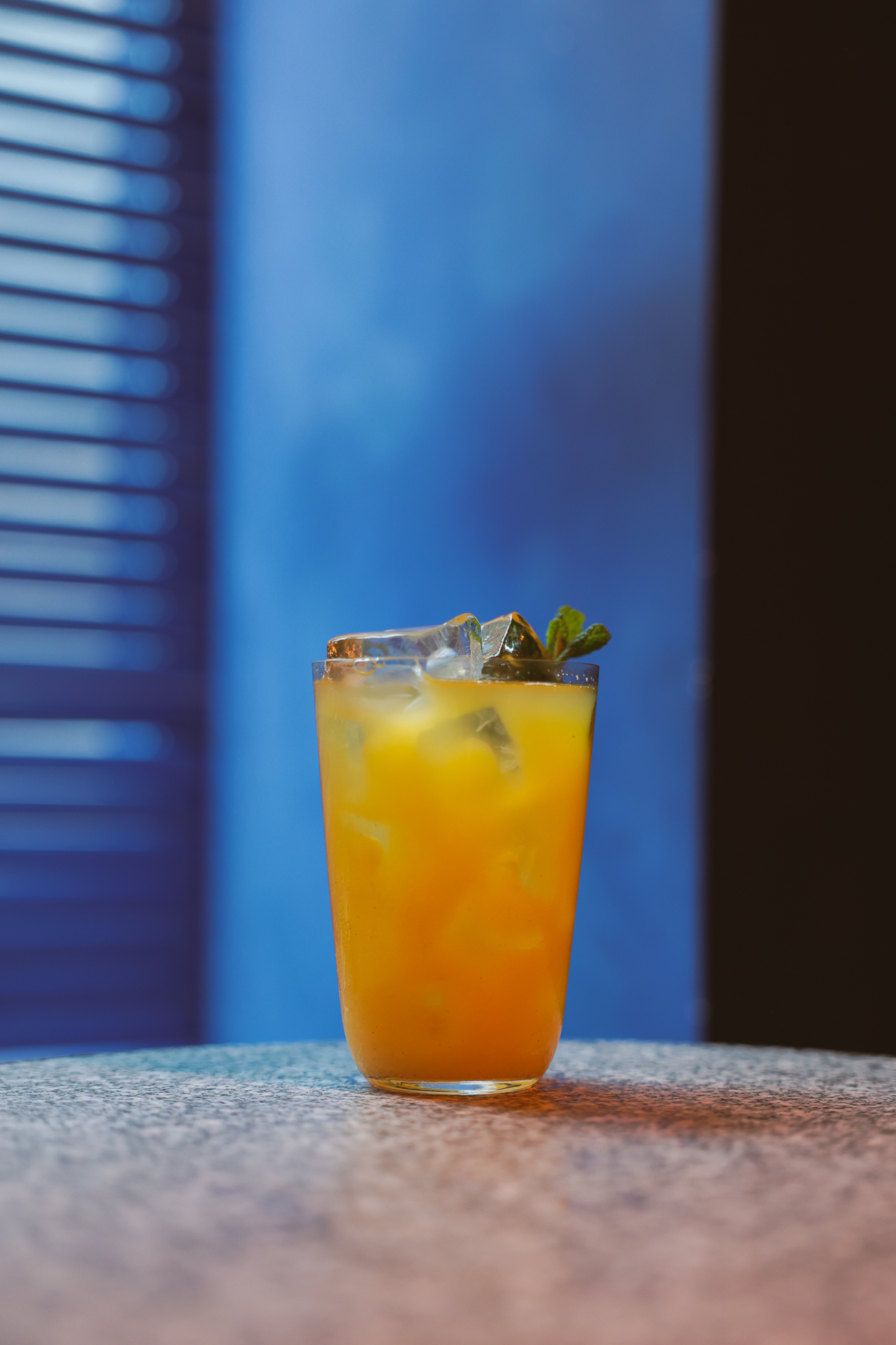
Photo Credit: FLUID
Step inside and the space reveals itself slowly. Light glides across polished stone and rubber floors, settling into custom lamps and furniture designed by Plantea Studio, whose sculptural pieces seem to shift with the time of day. The bar itself—cut from the same stone as the building—anchors everything. It’s architectural, grounded, and alive, changing character as conversations build and music takes over.
On the menu, familiar flavors are reworked with a light but assured hand. Tomato & Pickles is FLUID’s quietly subversive take on the Bloody Mary—built with ñora pepper, ripe tomato, pickle brine, and vodka. Even for those who usually skip the classic, this version wins people over: savory, balanced, and unexpectedly refined. It looks striking in the glass, but it’s the clarity of flavor that lingers. At the other end of the spectrum, Passion lives up to its name. A perennial favorite, it layers nectarine, passion fruit, orange, and rum into a drink that feels vibrant without tipping into sweetness—sunlit, generous, and effortlessly drinkable.
What truly sets FLUID apart, though, is its sense of motion. Art installations rotate. Menus evolve. Collaborations with local producers keep the bar tethered to its neighborhood roots. Nothing feels static, rehearsed, or precious. me inside it. FLUID captures Madrid at its most compelling right now: creative, inclusive, quietly confident. It’s proof that the city’s cocktail scene doesn’t need spectacle to impress—it thrives on flow, feeling, and the people who return night after night. In a world of copy-and-paste concepts, FLUID feels refreshingly alive.
FLUID is located at C. del Conde Duque, 14
Devil’s Cut
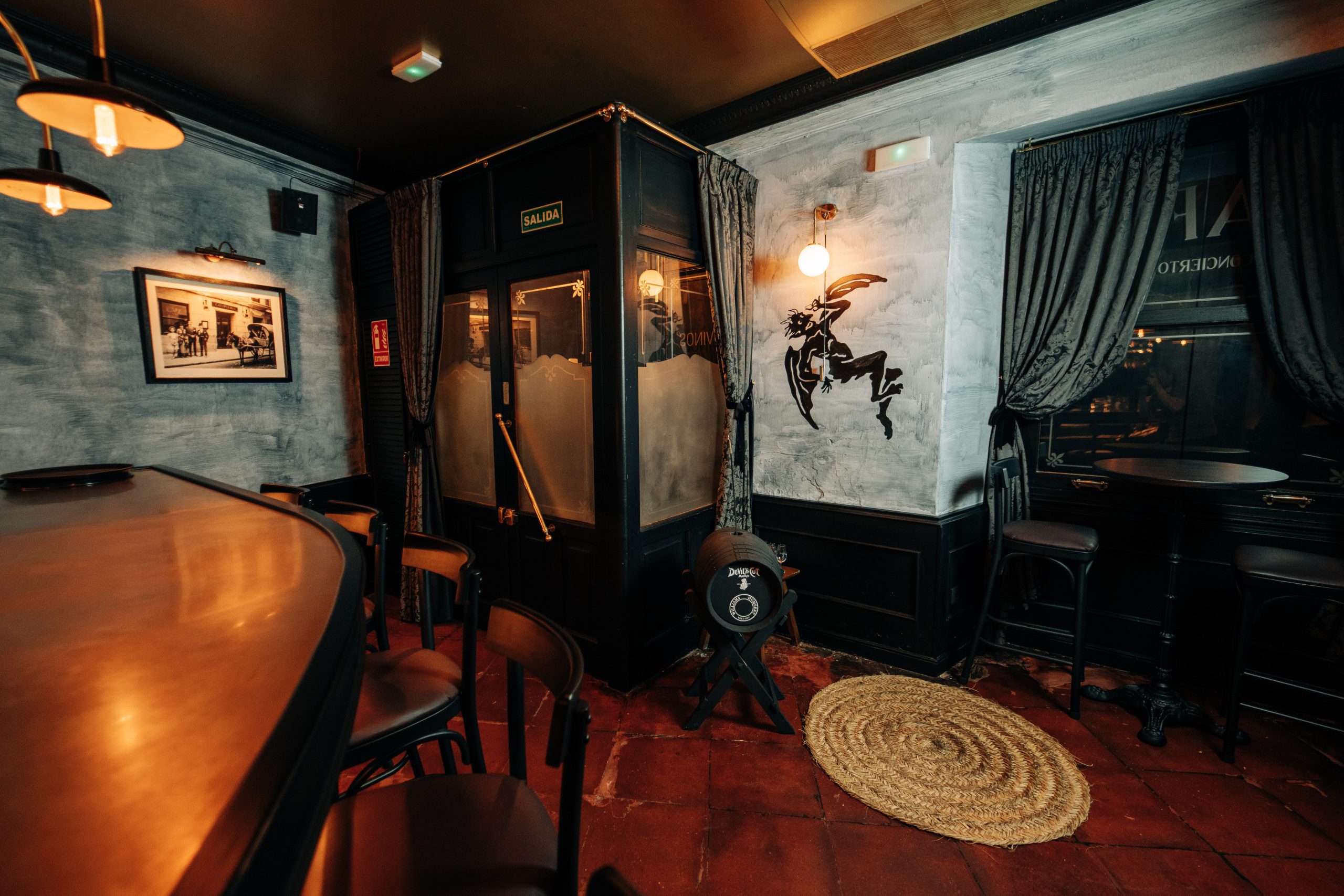 Photo Credit: Viktor Tzvetanov
In the heart of Madrid’s Las Letras district, a legend has been reborn. Once known as Casa Pueblo, the storied 1983 bar now reemerges as Devil’s Cut—the first European outpost from Japanese cocktail visionary Shingo Gokan, the mind behind Tokyo’s The SG Club, Shanghai’s Speak Low, and New York’s Sip & Guzzle. Few figures have shaped modern cocktail culture as decisively, or as globally, as Gokan.
The concept unfolds like a fable. Devil’s Cut imagines a fallen angel turned master of indulgence—a narrative that mirrors Gokan’s own evolution, from his formative decade behind the bar at New York’s Angel’s Share to a portfolio of award-winning venues across Asia. Inside, the experience is structured in three chapters: Angel’s Classics, revisiting the drinks that defined his early career; Global Signatures, drawn from Tokyo, Shanghai, and Okinawa; and Devil’s Signatures, a Madrid-exclusive collection rooted in his enduring fascination with sherry.
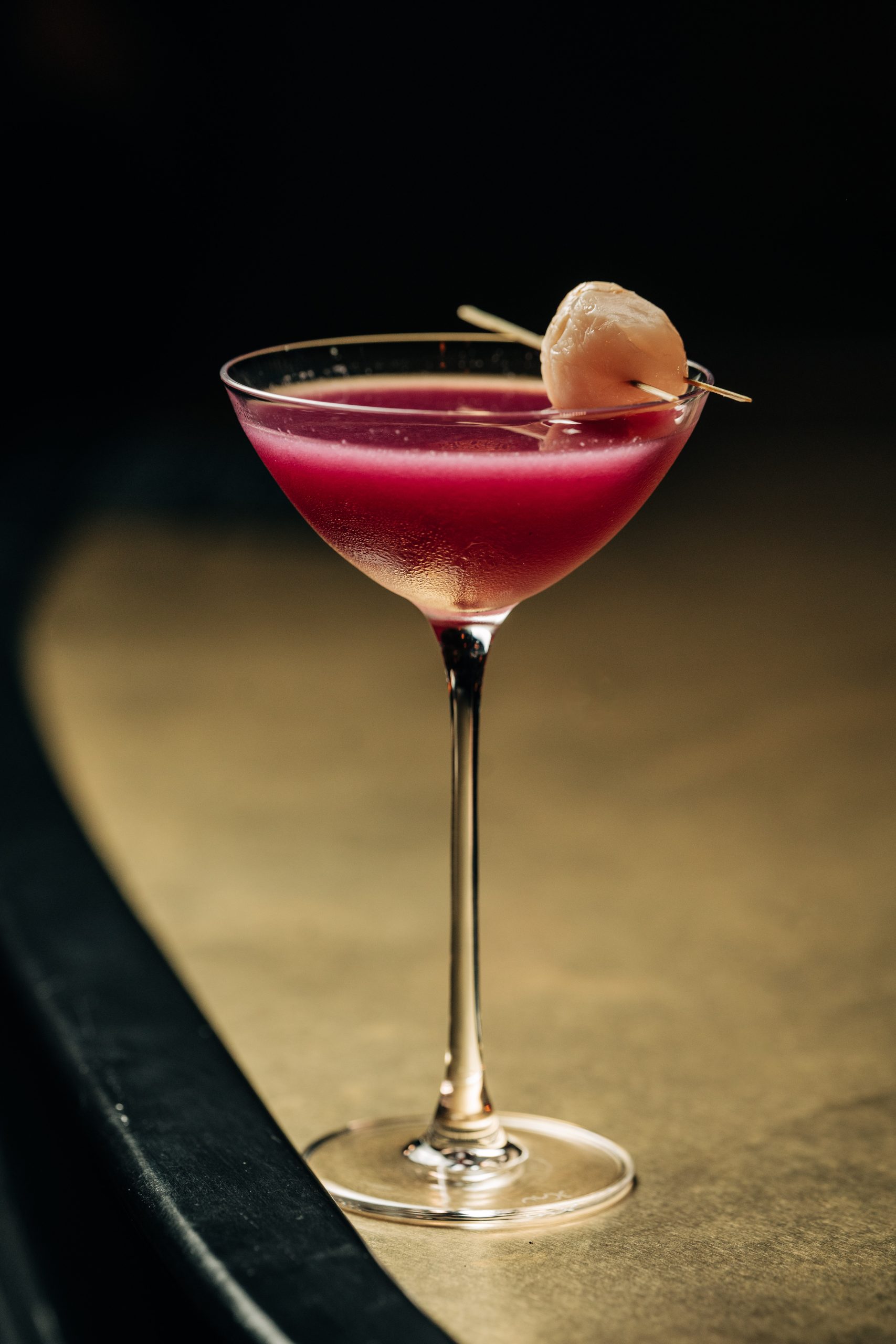
Photo Credit: Viktor Tzvetanov
That obsession begins the moment you arrive. Guests are welcomed not with a menu, but with a pour of sherry—a quiet, deliberate gesture that sets the tone for what follows. It’s theater without spectacle, ritual without excess. The sherry is served with intention, a nod to Andalusian tradition and to Gokan’s first visit to Jerez in his twenties, when he fell in love with the elegance of the venencia, the slender tool used to draw sherry directly from the cask. That ritual—precise, almost meditative—now reappears behind the bar, reimagined through Gokan’s lens.
The drama continues throughout the space, where each movement feels considered. Bartenders work with the poise of performers, drinks are built with a sense of pacing, and sherry—often overlooked or misunderstood—becomes the quiet protagonist of the menu. It’s less about flash and more about control, confidence, and craft.
In the kitchen, chef Atsushi Furukawa of Tokyo’s The SG Tavern brings Japanese precision to Spanish ingredients through a series of inventive Izakaya-style bites designed to complement the bar’s sherry-driven narrative. Together, they’ve created a place where history and hedonism, East and West, restraint and rebellion coexist seamlessly.
Devil’s Cut is located at C. del León, 3, Centro, 28014
Salmon Guru 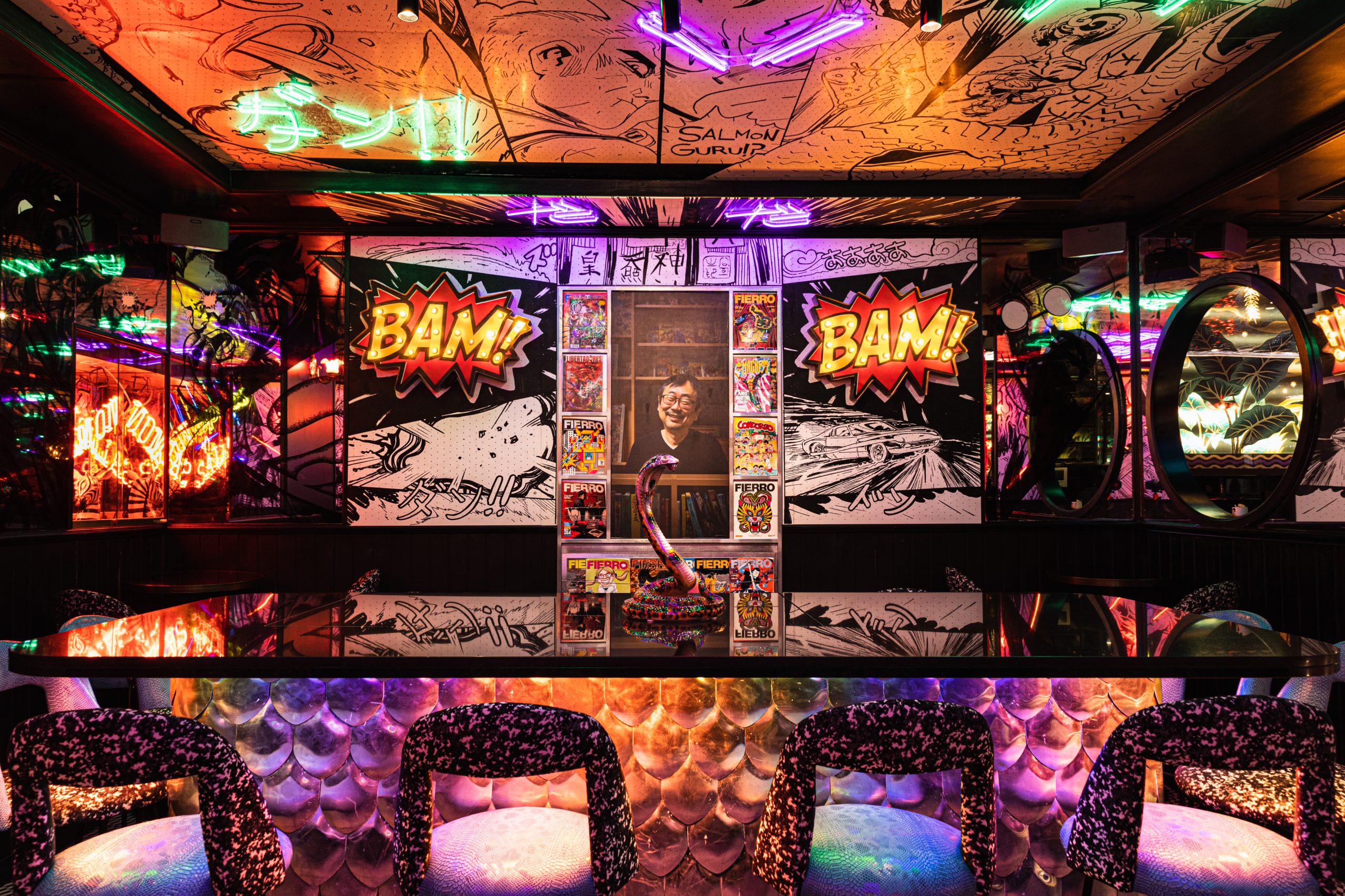 Photo Credit: Salmon Guru
Salmon Guru doesn’t behave like a bar—and that’s precisely the point. Tucked just off Calle de Echegaray in Madrid’s Barrio de las Letras, it’s a maximalist, high-energy playground where cocktails, art, and irreverence collide. Founded by Diego Cabrera, one of the most influential figures in contemporary mixology, Salmon Guru has become a cornerstone of Madrid’s global cocktail identity—and a place that proudly swims against the current.
From the moment you step inside, the experience unfolds in chapters rather than rooms. The entrance sets the tone with animal-print bravado before giving way to a neon-lit, comic-book chapel anchored by a communal bar clad in zinc scales. Further back, an intimate, Asian-tinged lounge blends American diner lines with Japanese restraint—arguably the most coveted perch in the house. Every detail reinforces the message written overhead: you’re in the salmon’s habitat now.
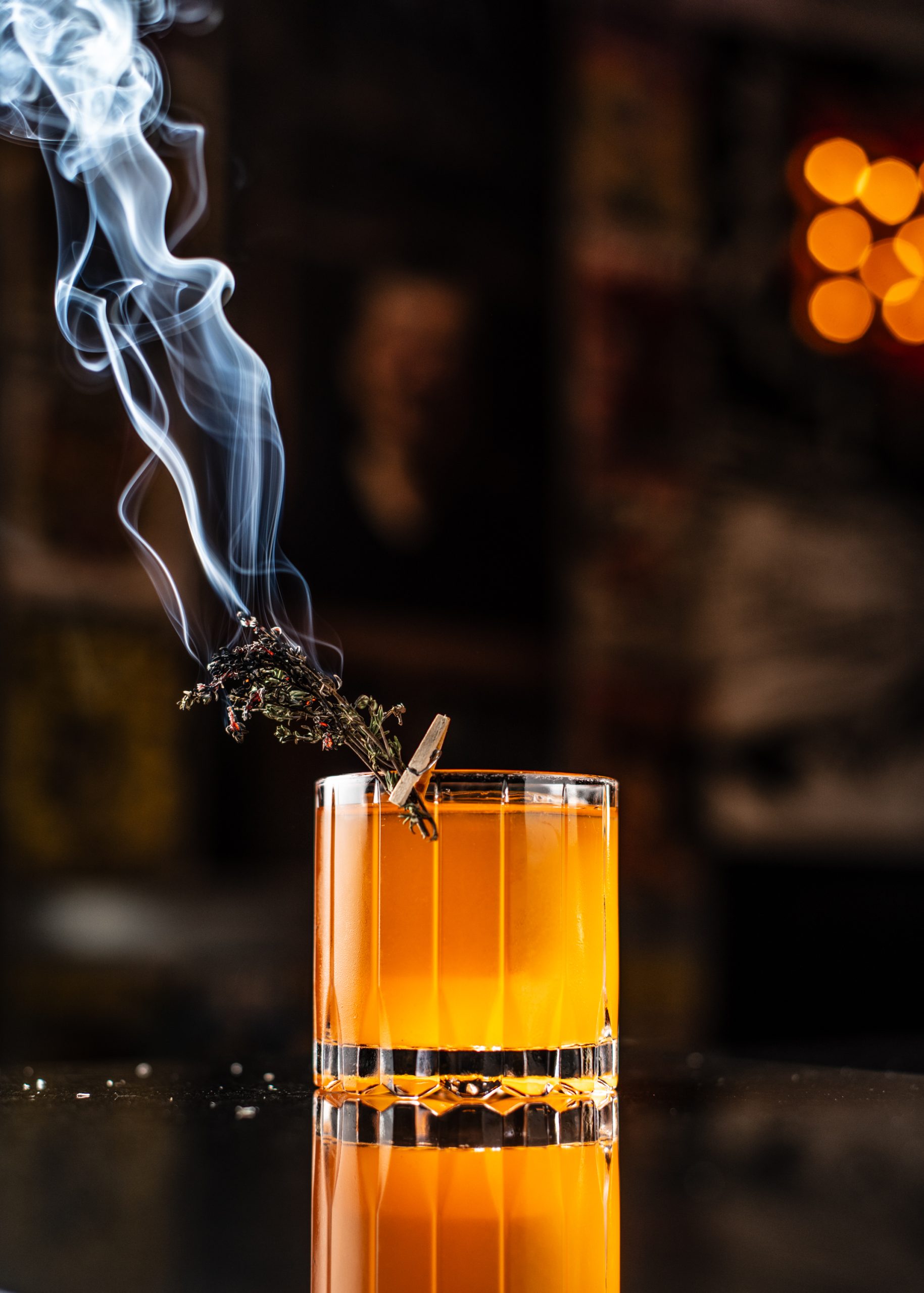
Photo Credit: Salmon Guru
At the bar, the menu is as playful as it is technically sharp. Divided into categories that range from Fruity and Refreshing to the deliberately provocative What the Fck?*, the cocktails balance precision with personality. Signature drinks like Panthera Jackson and La Mano de Dios nod to Cabrera’s travels and Argentine roots, while newer creations continue to blur the line between serious technique and joyful chaos. Even the materials matter here—custom glassware, experimental ice, and ingredients sourced with intention all play a role in the final pour.
The energy extends well beyond the glass. The kitchen, led by Víctor Camargo, rejects the idea of traditional courses in favor of dishes designed to move in rhythm with the drinks—bold, unexpected bites meant for sharing and pairing. Behind the scenes, Cabrera’s Dragon Factory production hub ensures that execution keeps pace with imagination, freeing the bartenders to do what they do best: connect, perform, and surprise.
Salmon Guru isn’t subtle, and it doesn’t try to be. It’s loud, colorful, slightly unhinged—and deeply thoughtful beneath the surface. Nearly a decade in, and consistently ranked among the world’s best bars, it remains one of Madrid’s most defining cocktail destinations: a place where creativity leads, rules bend, and the night always feels like it could go somewhere unexpected.
Salmon Guru is located at Calle de Echegaray, 21, Centro, 28014
1862 Dry Bar
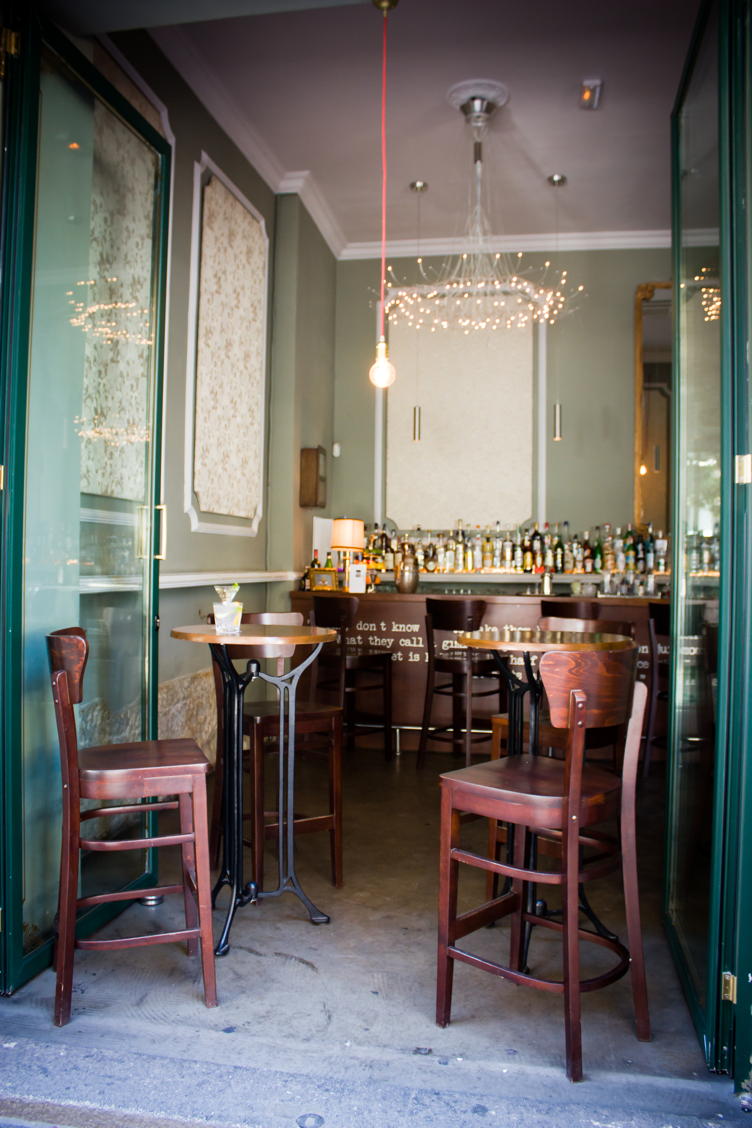
Photo Credit: 1862 Dry Bar
The name 1862 Dry Bar tells you almost everything you need to know. A reference to the year the first bartender’s guide was published, it signals a bar rooted in classic technique—one that treats cocktail history not as nostalgia, but as a foundation. Set in the heart of Malasaña, this is the kind of neighborhood bar that locals rely on and serious drinkers seek out.
Under the direction of owner Alberto Martínez, the menu strikes a confident balance between reverence and range. A dedicated page of house signatures spans multiple styles before giving way to several pages of classics—followed, reassuringly, by the declaration that most other classics are fair game too. It’s not bravado so much as quiet competence.
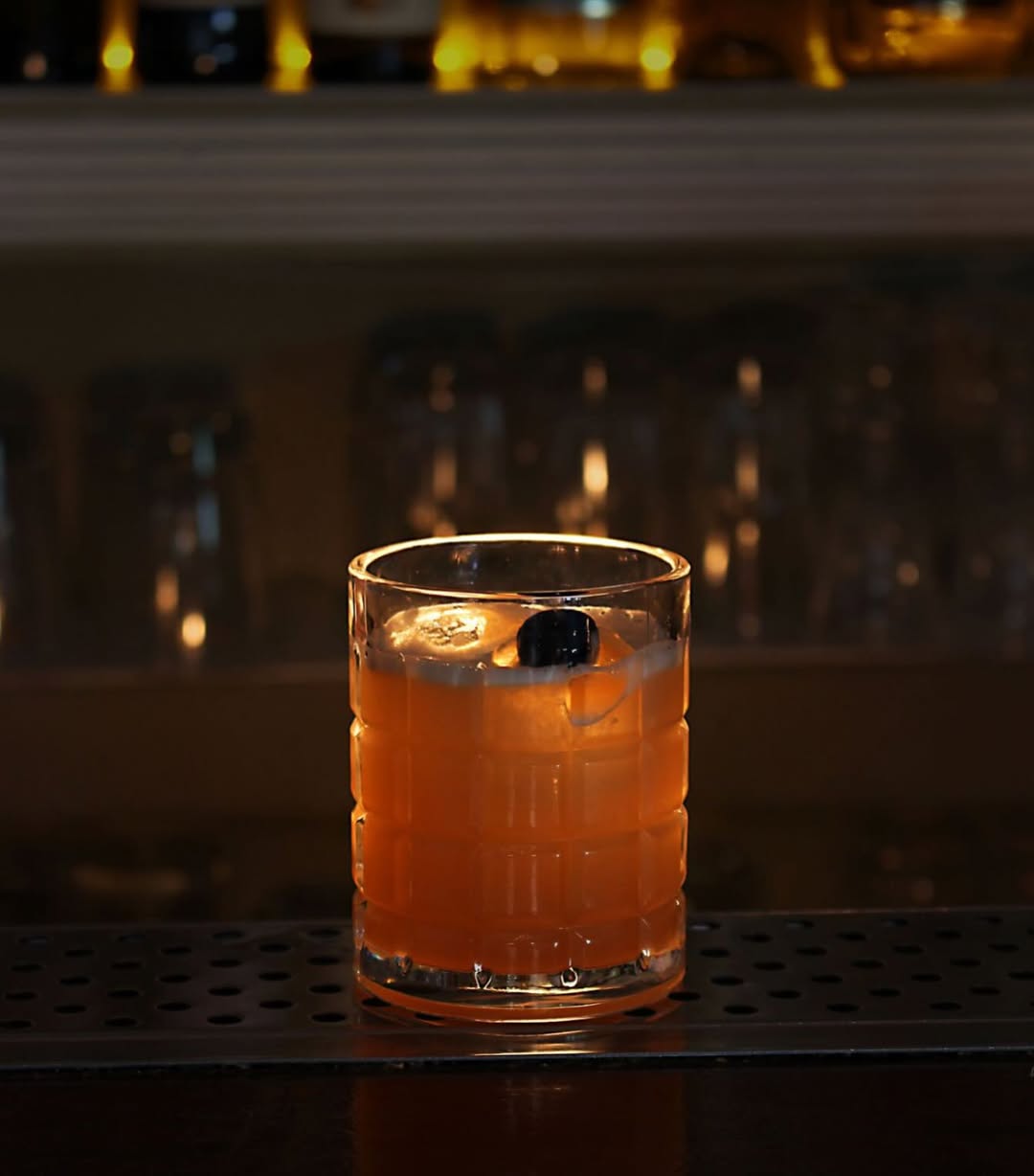
Photo Credit: 1862 Dry Bar/Instagram
The space itself leans rustic and lived-in rather than sleek or performative. Wood, warmth, and familiarity define the room, which hums nightly with neighborhood regulars alongside an increasing number of international cocktail pilgrims drawn in by its reputation. On busy nights, that popularity spills downstairs, where additional high tables and a long banquet line the basement beside a caged stock room. You lose a bit of the upstairs buzz, but not the quality of the drinks—or the attention of the staff, who never treat the lower level like an afterthought.
1862 Dry Bar doesn’t chase trends or theatrics. It does what it promises, and it does it exceptionally well: classic cocktails, thoughtfully made, in a room that feels like it belongs exactly where it is.
1862 Dry Bar is located at C. del Pez, 27, Centro, 28004
Momus
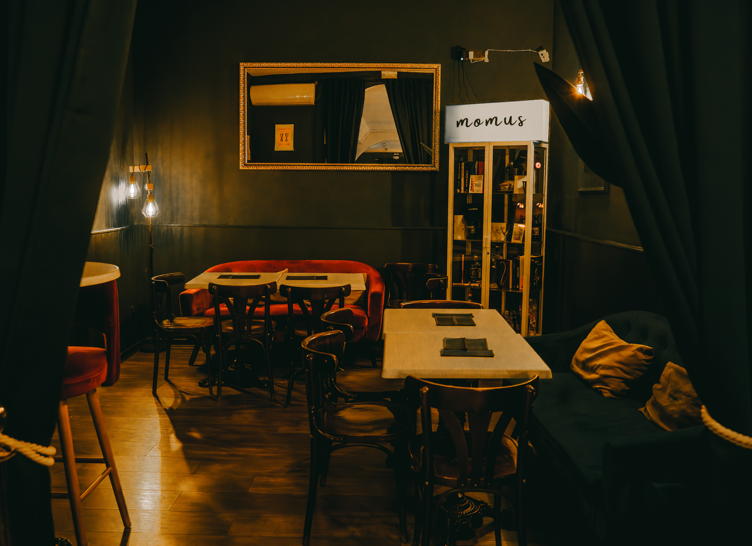 Photo Credit: Momus
Momus is not a bar you stumble into—it’s one you arrive at. Tucked into Madrid’s Malasaña neighborhood, the cocktail bar has long operated at the intersection of art, philosophy, and liquid experimentation, earning a reputation for pushing beyond what a menu—or a drink—is supposed to be. Here, cocktails aren’t just composed; they’re questioned, inviting guests to engage with flavor the same way they might engage with a work of art.
At the heart of Momus is Alberto Fernández, whose approach has always been driven by curiosity rather than convention. For this latest chapter, Fernández returns to the origins—both personal and conceptual. On one hand, to his native Cádiz, drawing inspiration from the ancient history of Gadir, where the Phoenicians once spread the first alphabet. That legacy now informs a symbolic visual language, with signs and glyphs used to illustrate the flavor profiles of each cocktail, transforming taste into something that can be read as much as it can be felt.
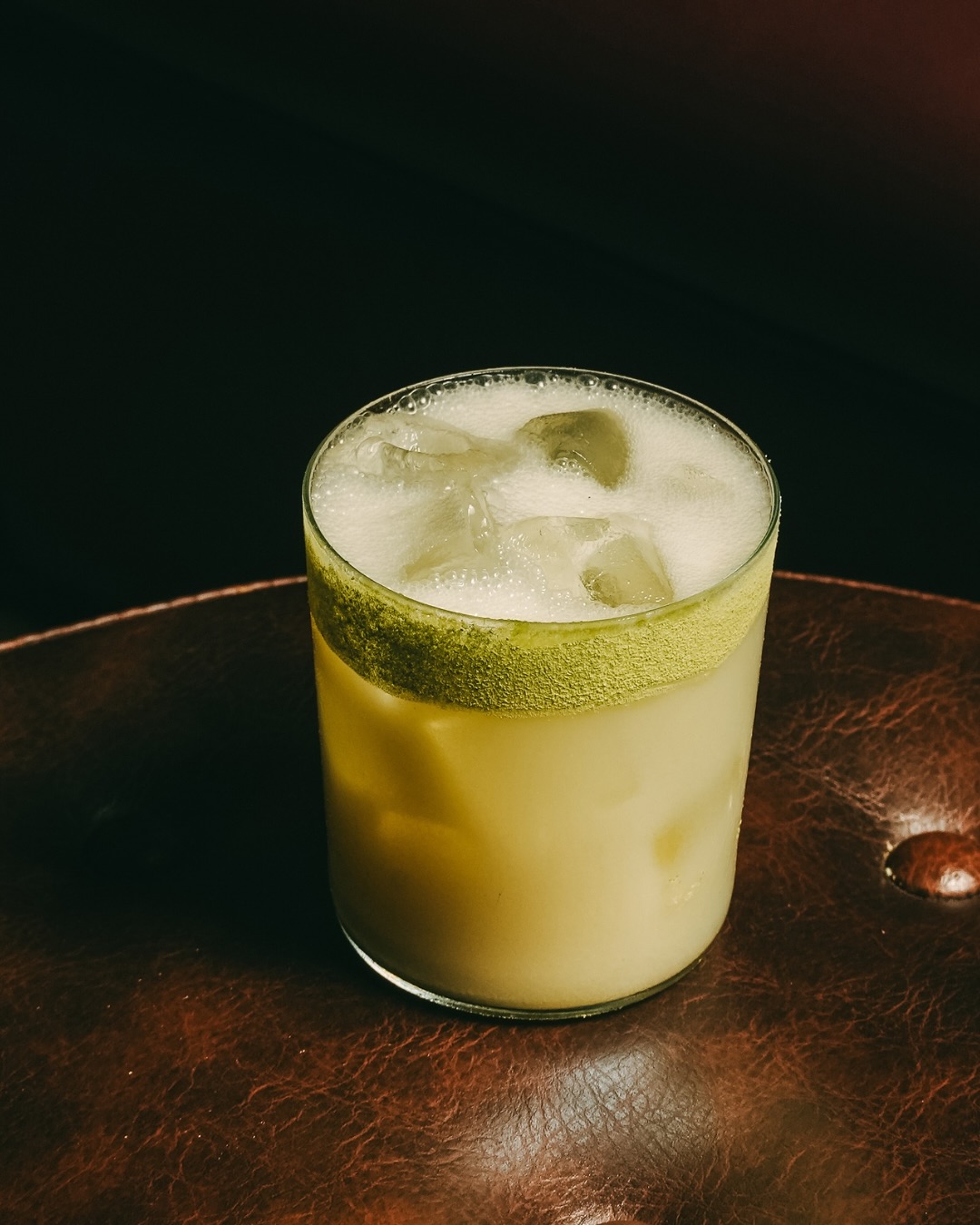
Photo Credit: Momus/Instagram
On the other, he looks back to the formative years of his career at Momus itself. Previous menus—Colors, Geometry, Growing—asked guests to see the world with wonder, openness, and without prejudice, as if encountering it for the first time. This new iteration continues that dialogue, distilling years of experimentation into a more refined, intentional expression.
The concept takes shape through a menu that functions as a poetic manifesto rather than a simple list of drinks. It’s a carefully crafted object where design and narrative coexist, and where the spirit of Momo, the god of irony and playful criticism, once again presides over the experience. As Fernández writes: “We return to the origin not as archaeologists, but as alchemists; we do not seek relics, but seeds.”
True to its nature, Momus remains in motion. The menu evolves continuously, with cocktails built around colors, figures, and symbolic elements that encourage interpretation rather than explanation. Innovation here isn’t performative—it’s embedded. At Momus, change isn’t a reinvention; it’s the point.
Momus is located at C. de San Bartolomé, 11, Centro, 28004
Angelita
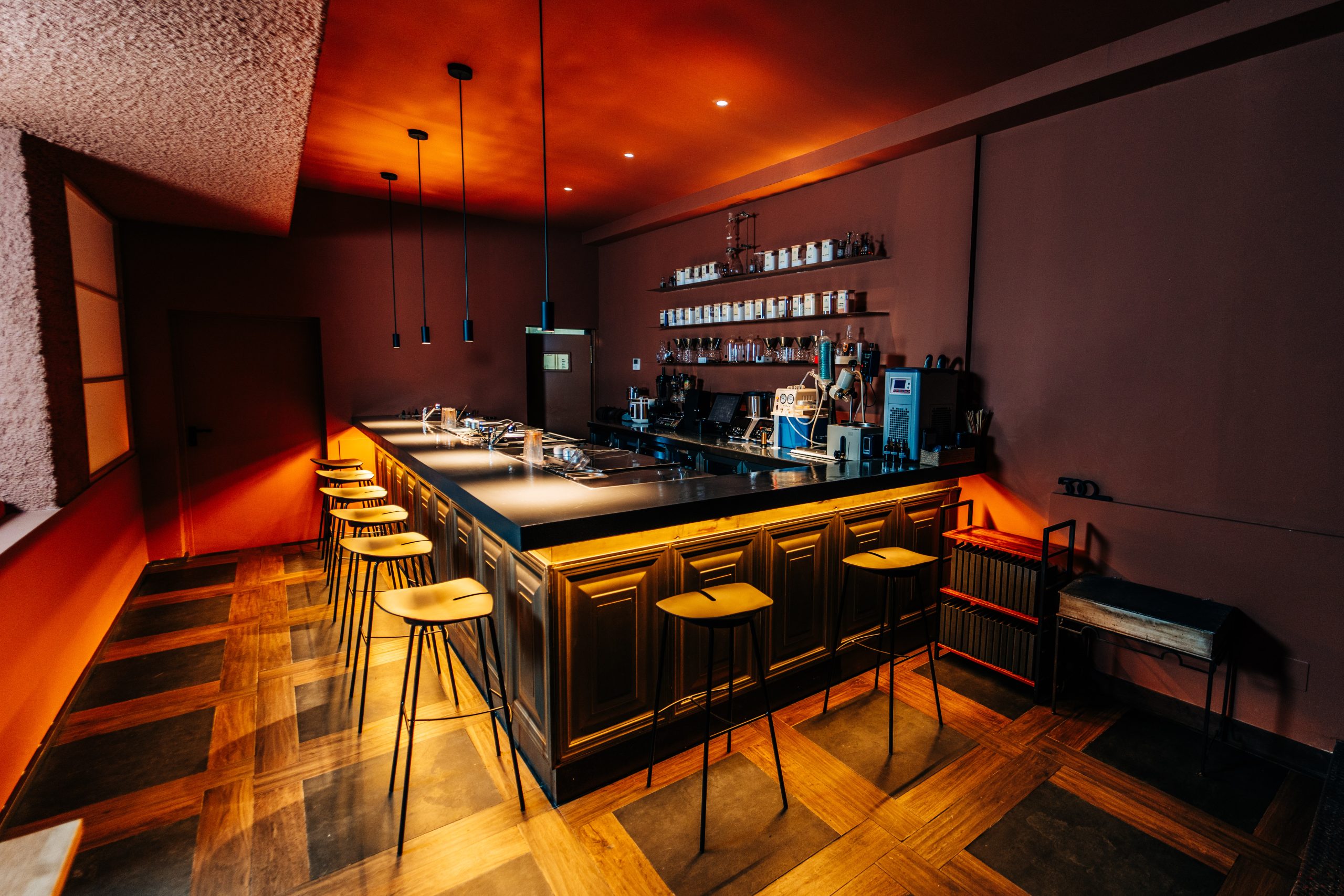 Photo Credit: Angelita
Angelita has always been a place where thought leads the drink. Hidden below street level in Madrid’s Chueca neighborhood, the bar and restaurant—created by Mario Villalón—has quietly built a reputation for cocktails that feel considered, personal, and deeply rooted in land and culture. This is a space where wine, spirits, and food are treated not as separate disciplines, but as parts of a single ecosystem.
That philosophy comes fully into focus with Symbiosis, Angelita’s new cocktail menu. Inspired by the concept of plant association—a term coined in 1805 by Alexander von Humboldt and Aimé Bonpland—the menu explores how plants coexist, support one another, and shape their environment. Rather than isolating ingredients, Villalón and his team approach each drink as a living relationship: two or more elements in dialogue, informed by seasonality, terroir, and a near-total control of the product itself.
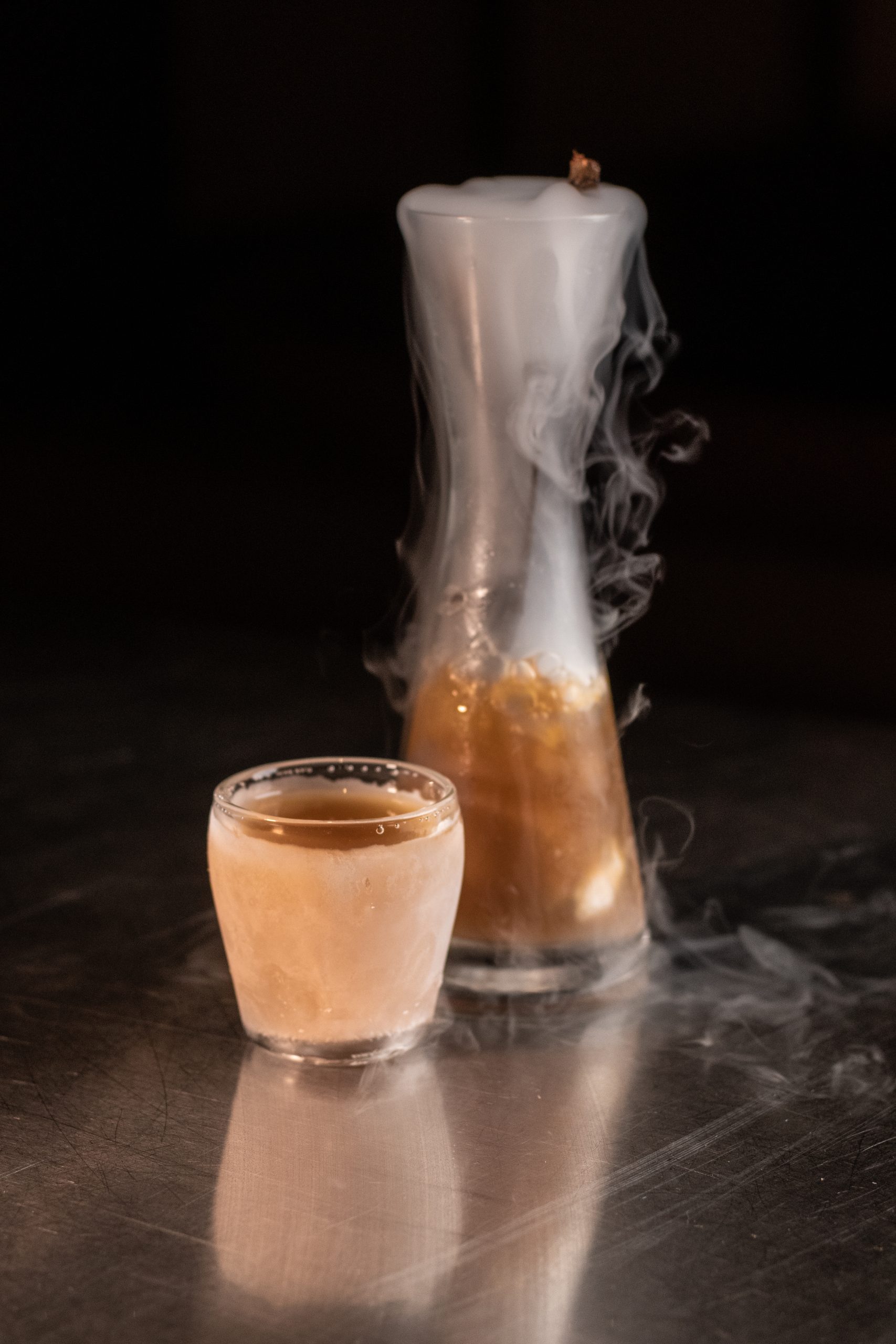
Photo Credit: Angelita
The result is a menu that feels both cerebral and instinctive. Guests encounter different expressions of symbiosis throughout. Cultural symbiosis appears in cocktails like Melón y Jamón and Oliva y Tomatera, liquid interpretations of Spain’s gastronomic memory. Vegetal symbiosis—the menu’s backbone—emerges in drinks such as Cebada y Judión, where whisky, amontillado, red bean anko, and fermented red barley intertwine with quiet complexity. And vegetal-animal symbiosis finds form in Lechuga Marina y Almejas, a saline, layered composition built on palomino fino, clam distillate, sea lettuce, cucumber, mint, carrot, and cilantro.
Symbiosis at Angelita extends well beyond the glass. In keeping with the bar’s ongoing commitment to eliminating ice, the team has introduced bespoke hand-blown glassware featuring an internal gel that chills without expanding—allowing the vessel to be frozen without shattering. It’s a technical solution, yes, but also a philosophical one: elegance through restraint, innovation in service of flavor.
The physical menu itself, designed by Jose Paino Studio, reinforces the concept—tactile, deliberate, and deeply connected to Angelita’s agricultural roots. Much of the produce used throughout the program comes from the Villalón family’s garden in Zamora, anchoring the bar’s experimentation in something profoundly honest and personal.
Angelita is located at C. de la Reina, 4, Centro, 28004
Jack’s Club
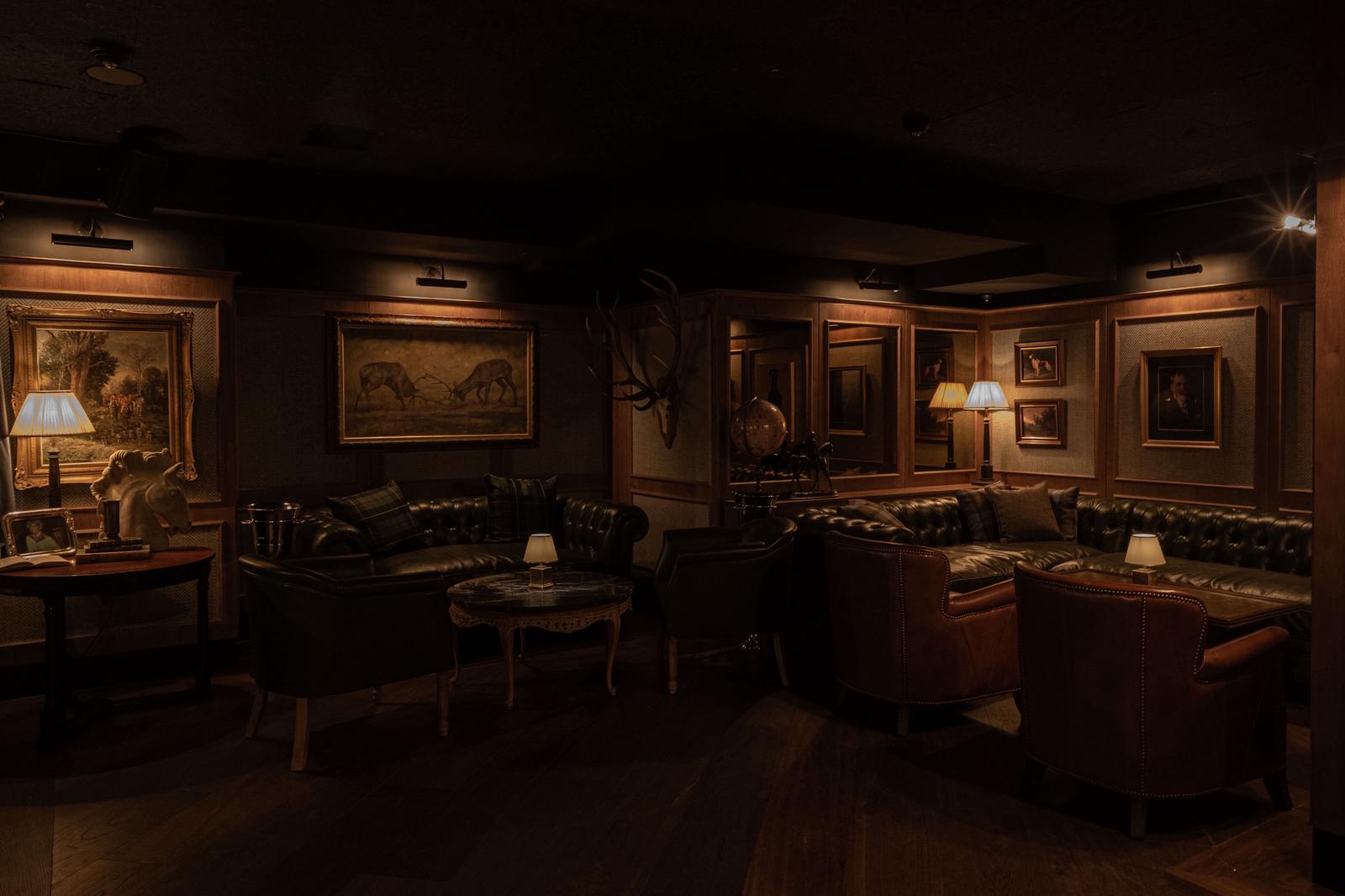 Photo Credit: Jack’s Club
Jack’s Club isn’t chasing the energy of Madrid nightlife—it’s offering an alternative to it. Located inside the Thompson Madrid, the late-night cocktail lounge channels a distinctly Scottish sensibility: intimate, elegant, and grounded in conversation rather than spectacle. It’s a place designed for people who want to stay out late without surrendering taste, comfort, or privacy.
The concept belongs to Murray Lemmon, who drew inspiration from the gentleman’s clubs of George Street in Edinburgh—and from his grandfather Jack, whose name the club bears. In an era before phones dominated the room, those clubs were about presence: lingering conversations, good drinks, and nights that unfolded slowly. Jack’s Club translates that ethos for Madrid, balancing heritage with a contemporary point of view.
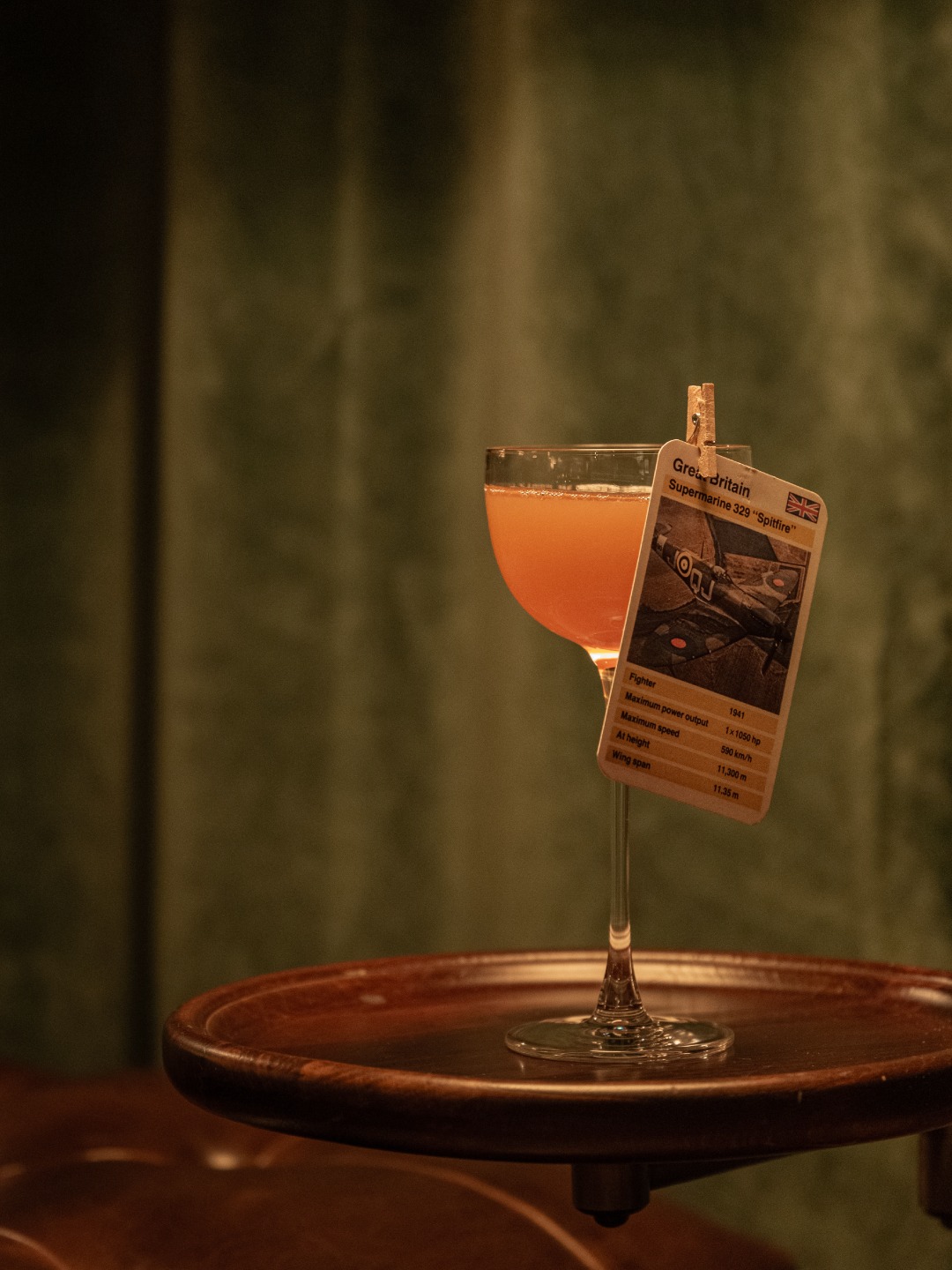
Photo Credit: Jack’s Club/Instagram
Inside, the mood is warm and quietly confident. Rich woods, leather, and soft lighting create a cocooned atmosphere that feels intentionally removed from the outside world. Art plays a subtle but meaningful role—portraits, landscapes, and Scottish references sit comfortably alongside contemporary works created specifically for the space. Even the cocktail menu nods to tradition, with playful references to playing cards, a detail that feels personal rather than performative.
The cocktail program leans into storytelling. Each drink draws inspiration from British and Scottish culture—literature, folklore, family history—crafted with premium ingredients and thoughtful technique. These aren’t novelty cocktails; they’re narratives in liquid form, designed to be savored rather than rushed.
Perhaps most telling is what doesn’t happen here. Photography and video are discouraged, reinforcing the club’s commitment to discretion and real connection. Service follows a distinctly British approach: attentive, warm, and unfussy. Guests are treated less like customers and more like regulars, even on their first visit.
Jack’s Club is located at Pl. del Carmen, Centro, 28013
Related Articles

How Dorothee Schumacher Brings the Art of Dance Into Its New Collection
Dorothee Schumacher’s latest collection actually draws inspiration from the brand’s work on The Atelier Dance Project.
The Haute List: The April Must-Haves for Haute Living Editors
Discover the April 2026 Editor Haute List featuring the most coveted luxury items, experiences, and trends curated by Haute Living editors.
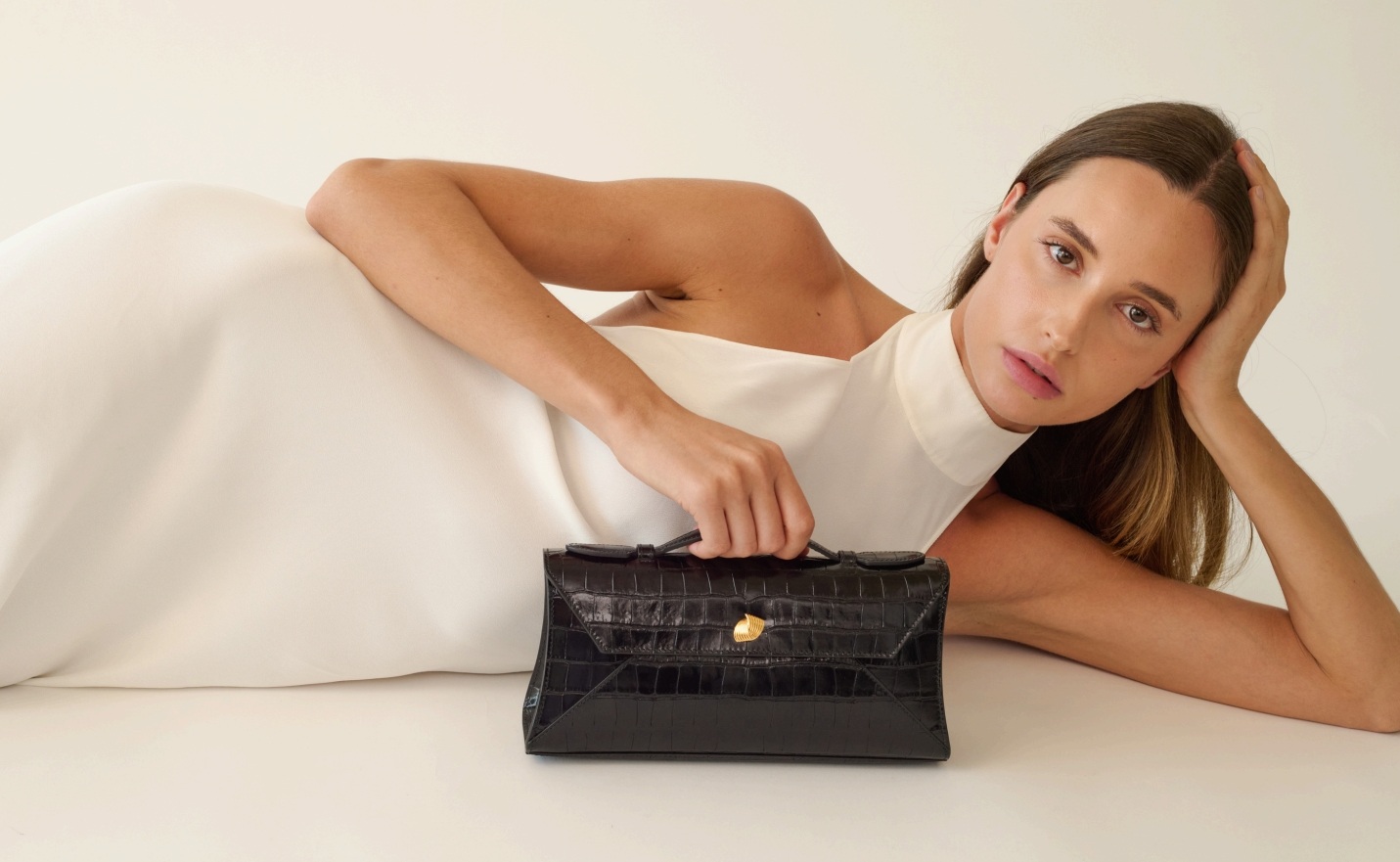
Aureum Collective Elevates Spring Style With Limited-Edition Croc Handbags Crafted in Italy
Aureum Collective unveils limited-edition croc handbags handcrafted in Italy, blending timeless luxury with refined spring colorways.
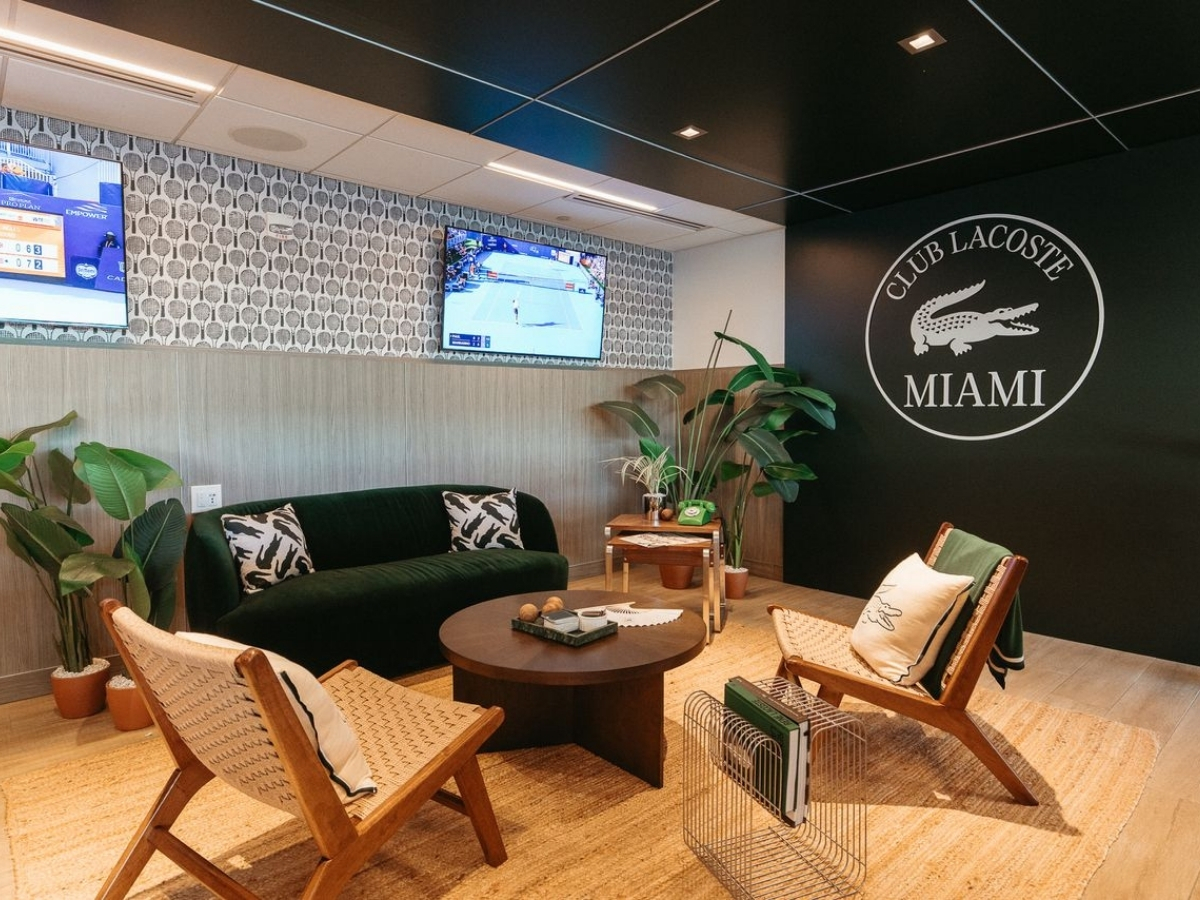
This is the Miami Open’s Most Exclusive VIP Suite of 2026
Step inside Le Club Lacoste at the Miami Open 2026 to see how luxury and sport create unforgettable moments.
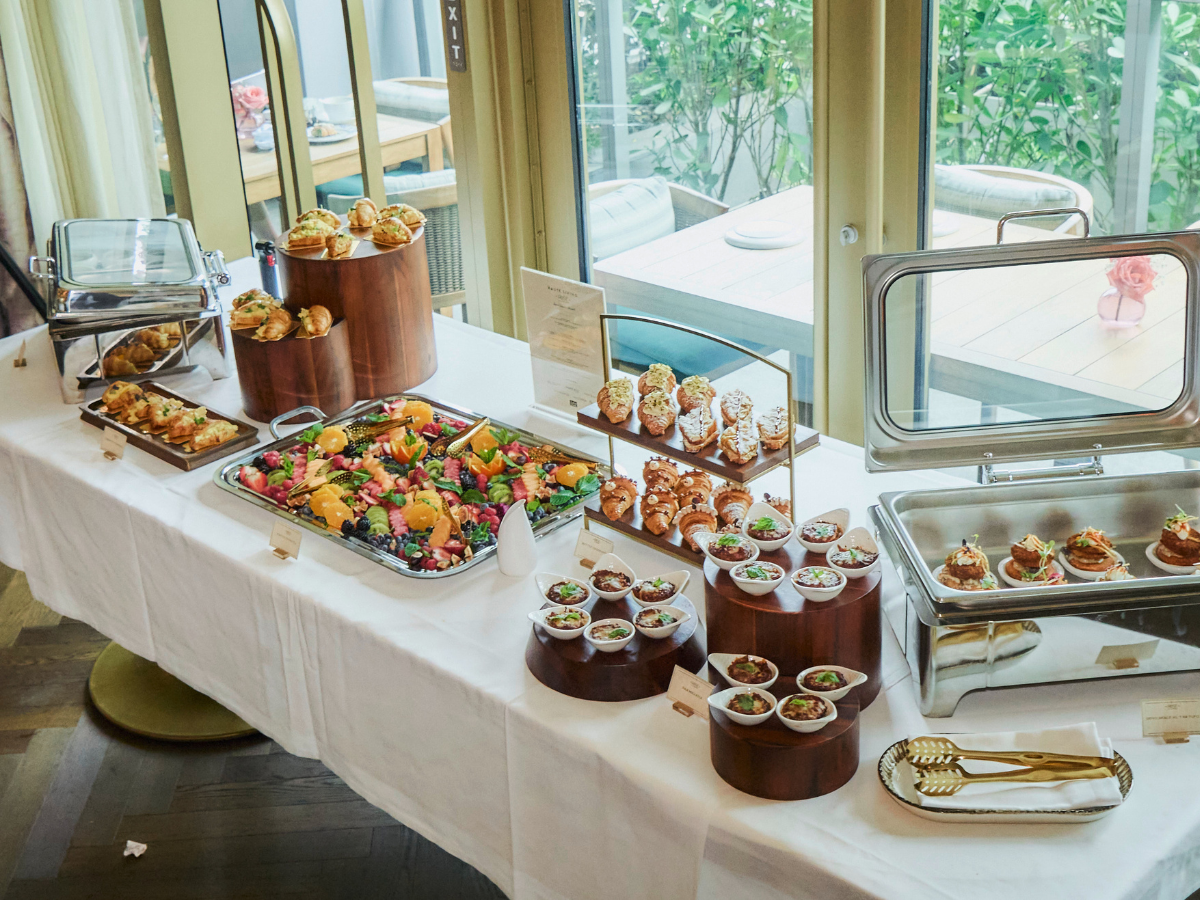
Haute Leaders Gather for an Elegant Brunch at Rose Café in Sunny Isles
Haute Living brought together an intimate circle of industry leaders and visionaries for a refined brunch at Rose Café in Sunny Isles, Florida. The sun-drenched gathering united beauty and real estate tastemakers for a morning of elevated conversation, warm hospitality, and Italian-inspired indulgence. Photo Credit: Alejandro Pazmino Rose Café provided the perfect backdrop, a chic, […]
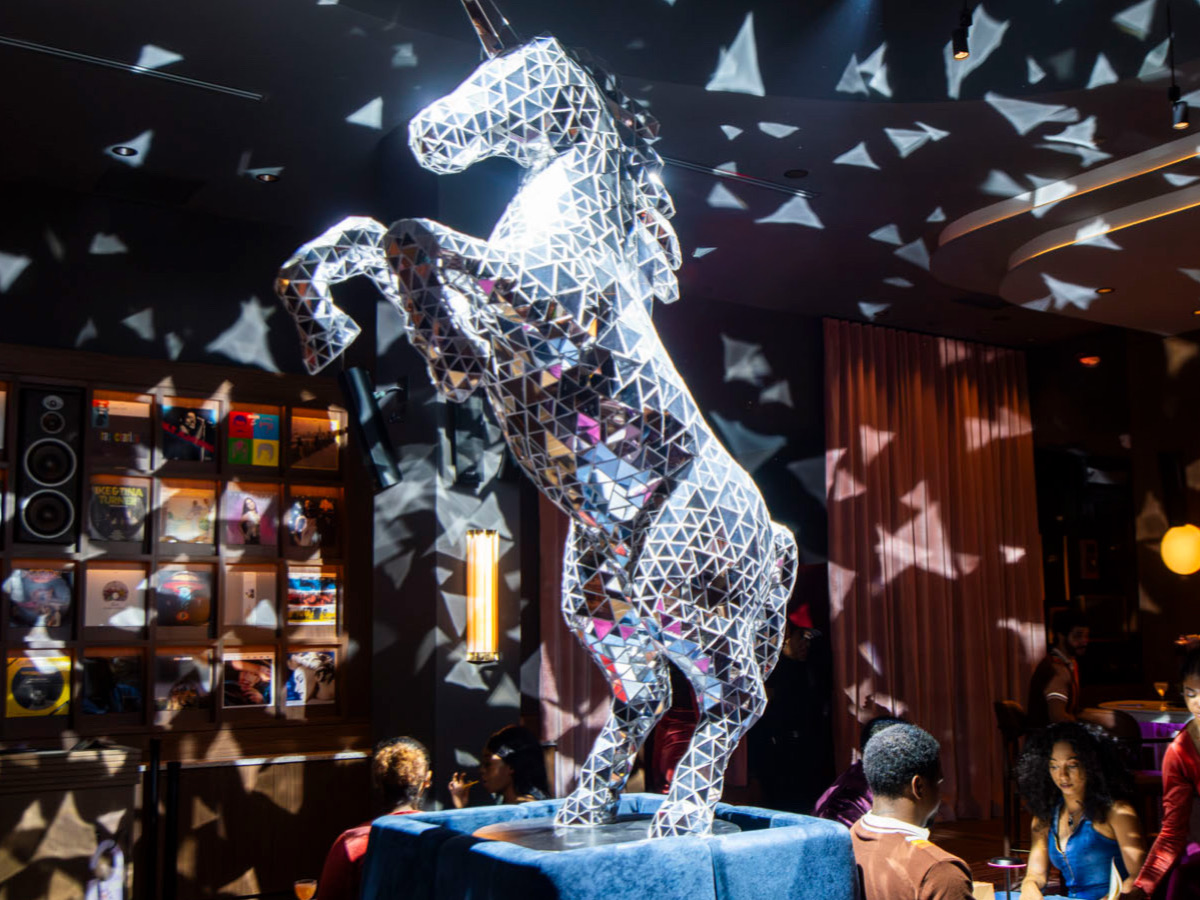
Jagger Suite Ignites Atlanta: A Rooftop Oasis of Studio 54 Glamour and Unapologetic Luxury
Join the buzz around Jagger Suite Rooftop Bar as it opens in Atlanta, introducing a glamorous new destination for nightlife.
Latest Stories
Trending Articles


Related Articles
How Dorothee Schumacher Brings the Art of Dance Into Its New Collection
Dorothee Schumacher’s latest collection actually draws inspiration from the brand’s work on The Atelier Dance Project.
The Haute List: The April Must-Haves for Haute Living Editors
Discover the April 2026 Editor Haute List featuring the most coveted luxury items, experiences, and trends curated by Haute Living editors.
Aureum Collective Elevates Spring Style With Limited-Edition Croc Handbags Crafted in Italy
Aureum Collective unveils limited-edition croc handbags handcrafted in Italy, blending timeless luxury with refined spring colorways.
This is the Miami Open’s Most Exclusive VIP Suite of 2026
Step inside Le Club Lacoste at the Miami Open 2026 to see how luxury and sport create unforgettable moments.
Haute Leaders Gather for an Elegant Brunch at Rose Café in Sunny Isles
Haute Living brought together an intimate circle of industry leaders and visionaries for a refined brunch at Rose Café in Sunny Isles, Florida. The sun-drenched gathering united beauty and real estate tastemakers for a morning of elevated conversation, warm hospitality, and Italian-inspired indulgence. Photo Credit: Alejandro Pazmino Rose Café provided the perfect backdrop, a chic, […]
Jagger Suite Ignites Atlanta: A Rooftop Oasis of Studio 54 Glamour and Unapologetic Luxury
Join the buzz around Jagger Suite Rooftop Bar as it opens in Atlanta, introducing a glamorous new destination for nightlife.
Subscribe to Haute Living
Receive Our Magazine Directly at Your Doorstep
Embark on a journey of luxury and elegance with Haute Living magazine. Subscribe now and have every issue conveniently delivered to your home. Experience the pinnacle of lifestyle, culture, and sophistication through our pages.


Haute Black Membership
Your Gateway to Extraordinary Experiences
Join Haute Black and unlock access to the world's most prestigious luxury events