
Valeria Bardi Cohen on Design as a Living Process

 Photo Credit: Valeria Bardi Cohen
For Valeria Bardi Cohen, Architectural Designer of the renowned S9 Studio, architecture is not simply about form or function — it is a dialogue. Between craft and technology, between the permanence of materials and the complexity of human experience, she finds a space where design becomes an act of listening and response. “Each building tells a story,” she notes, “but that story is never static.” Her narratives are layered with history, culture, and environmental awareness, embracing the imperfections that time introduces. Her approach does not erase what came before; it learns from it and transforms it for the present.
From Observation to Intuition
Bardi Cohen’s design process begins long before a drawing takes shape. She observes how people move through space, how light interacts with surfaces, and how materials evolve. Observation is analytical and emotional — a way to understand how architecture mediates between the physical and the perceptual. She sees sketching and model-making as modes of inquiry rather than representation. Drawing can reveal what the mind has not yet articulated. As ideas form, she transitions into the digital environment, using technology to test and refine concepts developed through physical exploration.
This balance between analog and digital practice defines her work. Technology enhances accuracy and efficiency, but meaning ultimately arises from human experience — from texture, temperature, and interaction.
Repair as a Form of Creation
Across her projects, the idea of repair functions as methodology and mindset. It stems from her award-winning thesis, Architecture After Extraction: Nada Muere en México, which explored how post-industrial and environmentally damaged sites can be transformed into frameworks for regeneration. To repair, she believes, is to recognize the latent potential in what already exists. It preserves cultural continuity while redefining utility. This philosophy challenges conventional ideas of progress, suggesting that building anew is not always synonymous with moving forward.
Her recent work in adaptive reuse and large-scale planning illustrates this. Whether transforming underutilized industrial zones into mixed-use districts or converting former manufacturing buildings into research and learning centers, her projects show how architecture can bridge memory and innovation — enabling cities to evolve without erasing their past.
Storytelling as Framework
For Bardi Cohen, storytelling shapes how spaces are experienced — how circulation, light, and proportion influence emotion. Storytelling turns buildings from static compositions into environments that unfold through movement and use. “Each person reads space differently,” she says. “That diversity of interpretation is what keeps architecture alive.” Narrative grants agency to both designer and occupant, ensuring that space communicates across scales and contexts.
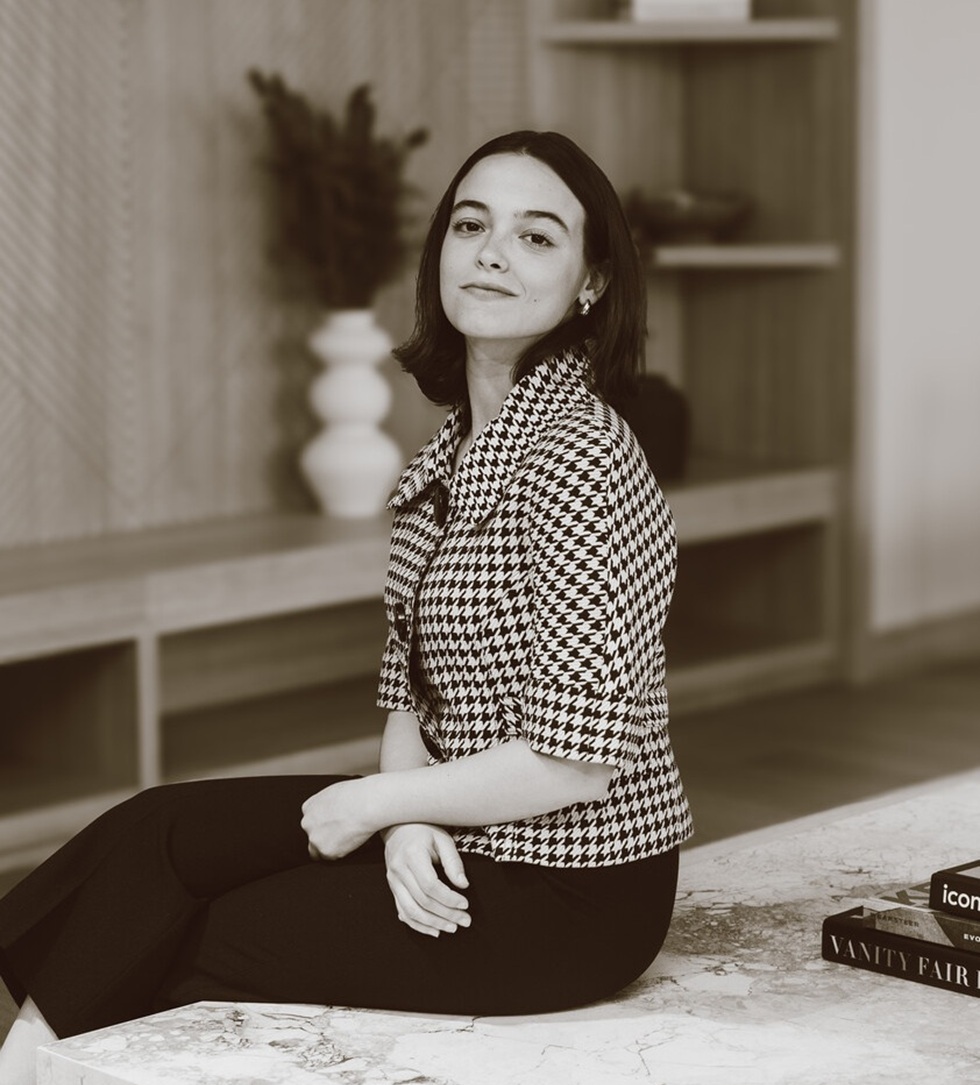 Photo Credit: Valeria Bardi Cohen
Teaching, Mentorship, and the Evolving Practice
Her work as a mentor and invited design juror has reinforced her belief that architecture is an evolving discipline. Guiding students at Pratt Institute and other programs has reminded her that design thrives on curiosity and reinterpretation. “Mentoring keeps me connected to the essence of why we design,” she says. “It’s about inquiry, experimentation, and generosity.” This philosophy informs her professional practice as well. Each project becomes an ecosystem where history, context, and imagination coexist.
An Architecture That Remembers
Having lived between Latin America and the United States, Bardi Cohen has developed a nuanced understanding of how place and culture influence design. From the adaptability of Latin American cities to the vertical density of New York, she has learned that architecture must remain flexible while maintaining identity. Her perspective is rooted in balance: between spontaneity and structure, craft and computation, history and speculation. Through this approach, she continues to build an architecture that remembers — one that respects what exists while envisioning what comes next.
Related Articles
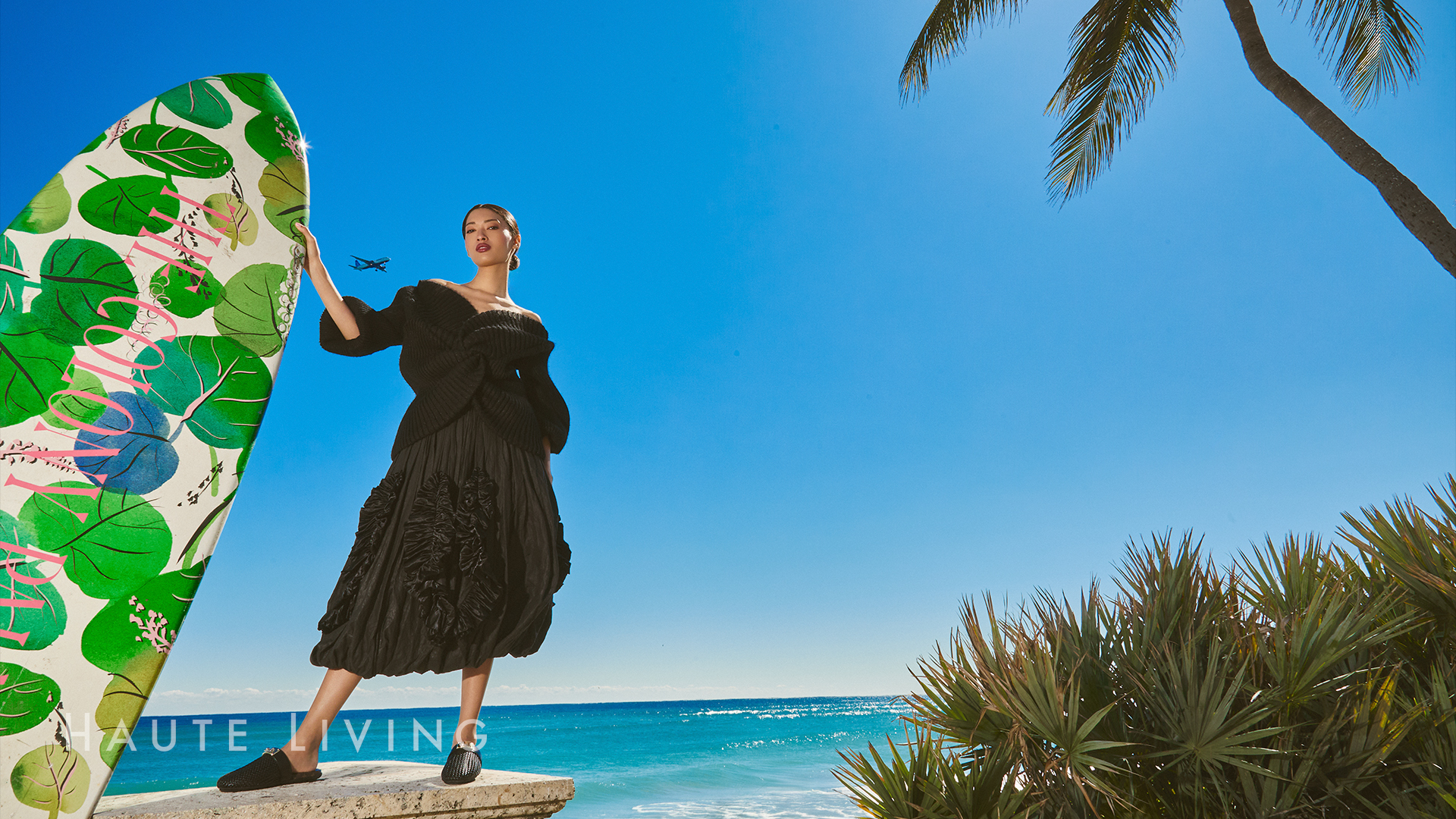
The Louis Vuitton Spring/Summer 2026 Collection Lands in Palm Beach
Nicolas Ghesquière’s Louis Vuitton Spring/Summer 2026 collection celebrates intimacy as an art de vivre in Palm Beach.
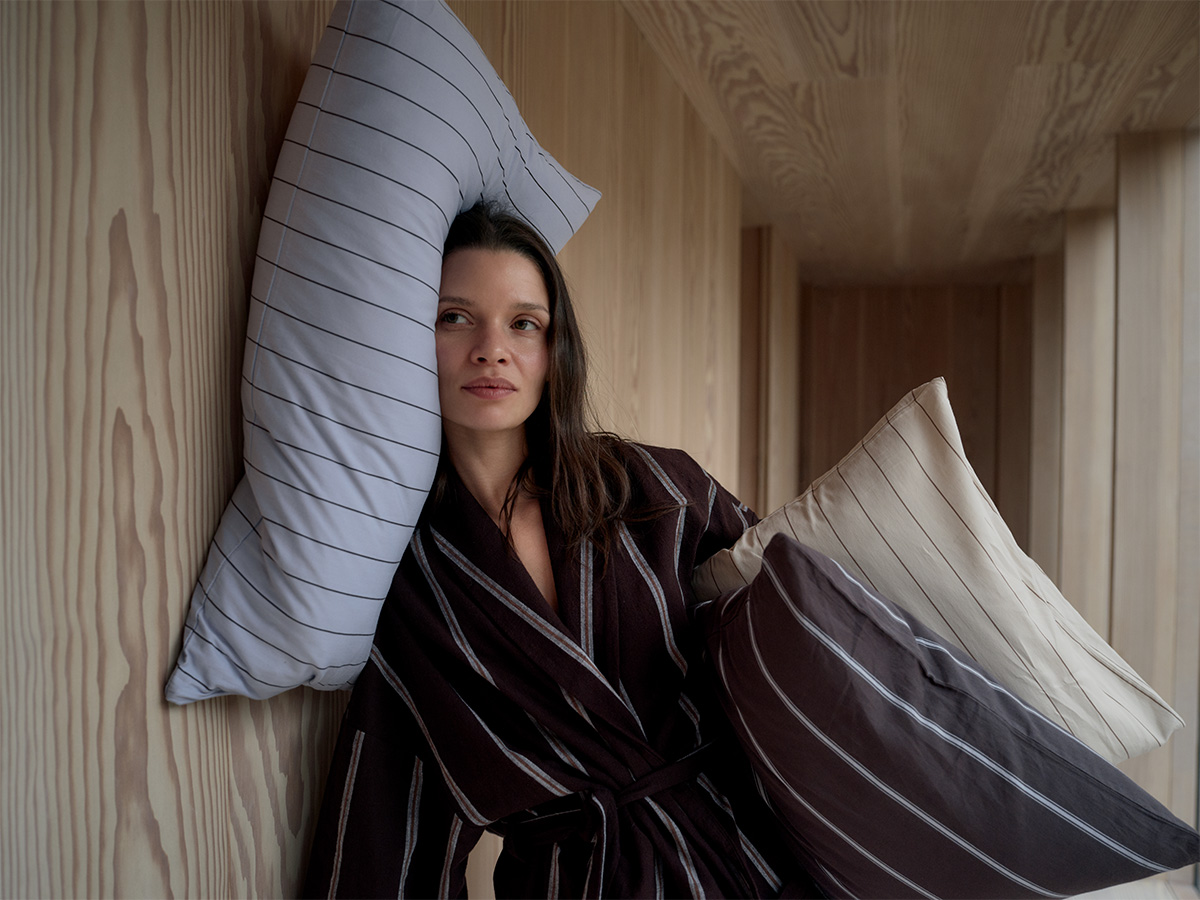
Hommey’s New Collection Is Here—Elevate Your Home With These Pieces
Australian homewares brand Hommey has captured this tranquil essence in its latest release, a thoughtfully curated collection.

Terence Crawford Honored at Exclusive New York Retirement Dinner Hosted by Haute Living and Ulysse Nardin
Boxing legend Terence Crawford celebrated at an exclusive retirement dinner hosted by Haute Living and Ulysse Nardin at American Cut Tribeca in New York.
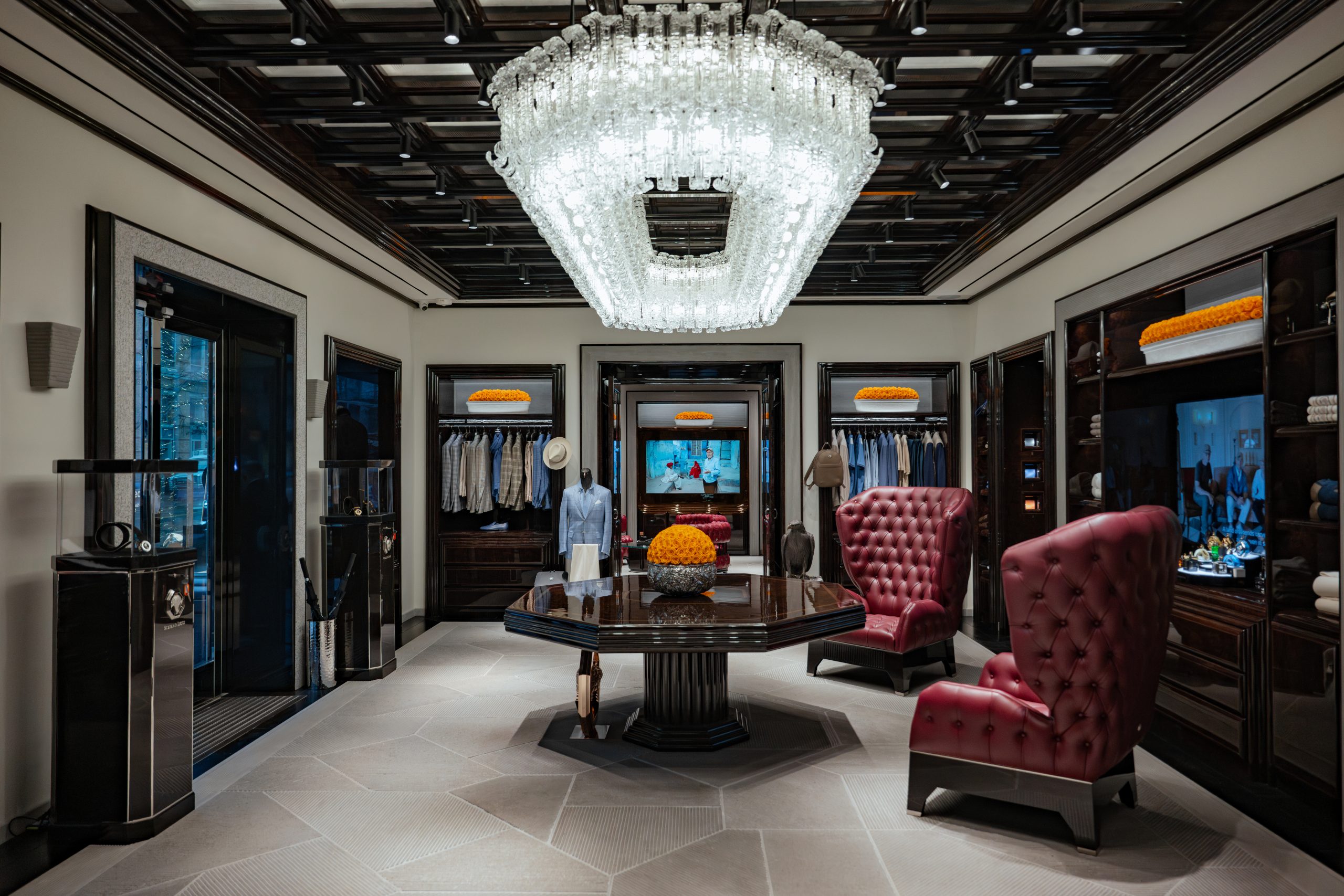
Why Stefano Ricci’s New Washington, D.C. Boutique Is a Must-Visit for Luxury Lovers
Italian luxury house Stefano Ricci has opened a new boutique at CityCenterDC in Washington, D.C., showcasing true Florentine craftsmanship.

Haute Living Launches Haute Black Travel: The Ultimate Luxury Travel Concierge for the World’s Most Discerning Travelers
Haute Black Travel by Haute Living introduces a luxury travel concierge offering private villas, elite hotel access, and bespoke global journeys.
Inside the 25th Annual South Beach Wine & Food Festival: Miami’s Star Studded Culinary Weekend Takes Over the Sands
The 25th South Beach Wine & Food Festival returns to Miami Beach with celebrity chefs, music icons, tastings, and unforgettable moments.
Latest Stories
Trending Articles



Related Articles
The Louis Vuitton Spring/Summer 2026 Collection Lands in Palm Beach
Nicolas Ghesquière’s Louis Vuitton Spring/Summer 2026 collection celebrates intimacy as an art de vivre in Palm Beach.
Hommey’s New Collection Is Here—Elevate Your Home With These Pieces
Australian homewares brand Hommey has captured this tranquil essence in its latest release, a thoughtfully curated collection.
Terence Crawford Honored at Exclusive New York Retirement Dinner Hosted by Haute Living and Ulysse Nardin
Boxing legend Terence Crawford celebrated at an exclusive retirement dinner hosted by Haute Living and Ulysse Nardin at American Cut Tribeca in New York.
Why Stefano Ricci’s New Washington, D.C. Boutique Is a Must-Visit for Luxury Lovers
Italian luxury house Stefano Ricci has opened a new boutique at CityCenterDC in Washington, D.C., showcasing true Florentine craftsmanship.
Haute Living Launches Haute Black Travel: The Ultimate Luxury Travel Concierge for the World’s Most Discerning Travelers
Haute Black Travel by Haute Living introduces a luxury travel concierge offering private villas, elite hotel access, and bespoke global journeys.
Inside the 25th Annual South Beach Wine & Food Festival: Miami’s Star Studded Culinary Weekend Takes Over the Sands
The 25th South Beach Wine & Food Festival returns to Miami Beach with celebrity chefs, music icons, tastings, and unforgettable moments.
Subscribe to Haute Living
Receive Our Magazine Directly at Your Doorstep
Embark on a journey of luxury and elegance with Haute Living magazine. Subscribe now and have every issue conveniently delivered to your home. Experience the pinnacle of lifestyle, culture, and sophistication through our pages.


Haute Black Membership
Your Gateway to Extraordinary Experiences
Join Haute Black and unlock access to the world's most prestigious luxury events