
Molteni&C Unveils the First-Ever Gio Ponti Objects Collection for 2025: A New Era of “Beautiful and Impossible” Design


Molteni&C opens 2025 with one of its most significant design statements to date: the debut of its first-ever Gio Ponti Objects Collection, a carefully curated selection of eight pieces drawn from more than 250 objects in the legendary architect’s archive. These are not simple accessories but expressions of Ponti’s enduring belief that architecture is an interpretation of life, where even the smallest object carries meaning, imagination, and a sense of poetic function. Each piece reflects the maestro’s fascination with geometry, craftsmanship, and the transformation of domestic space into a stage of beauty and curiosity.
Salvatore Licitra, Ponti’s grandson and curator of the Gio Ponti Archives, describes the collection as “beautiful and impossible objects, suitable only for flights of fancy—an invitation to live and to enjoy beauty.” His words capture the spirit of these works, which blur the boundary between art and utility. They are microcosms of Ponti’s architectural universe: sculptural, playful, and meticulously crafted. They reveal a vision in which homes are dynamic, emotional environments rather than static backdrops.
This debut continues the powerful collaboration formed in 2012 when Molteni&C secured worldwide rights to reissue Ponti’s furnishings. Over the years, the brand has revived chairs, tables, and iconic pieces that shaped 20th-century Italian design. Now, the Objects Collection extends this legacy, presenting small-scale works conceived between the 1930s and 1970s and developed with the artistic direction of Studio Cerri & Associati. The project required meticulous research into prototypes and original craftsmanship methods, demonstrating the brand’s commitment to honoring Ponti’s creative integrity.
The objects themselves show Ponti’s far-reaching curiosity and his experiments with materials alongside renowned collaborators. Several pieces from the 1950s were originally produced in silver with Lino Sabbatini and now appear in stainless steel, maintaining the crisp, origami-like silhouettes that made them distinctive. Cavallo and Colombo, two stylized animals shaped from folded metal sheets, transform a simple plane into archetypal figures, echoing Ponti’s gift for creating lively, symbolic forms from minimal gestures. Archival images on pages 7 and 8 confirm their early presence in exhibitions and domestic scenes.

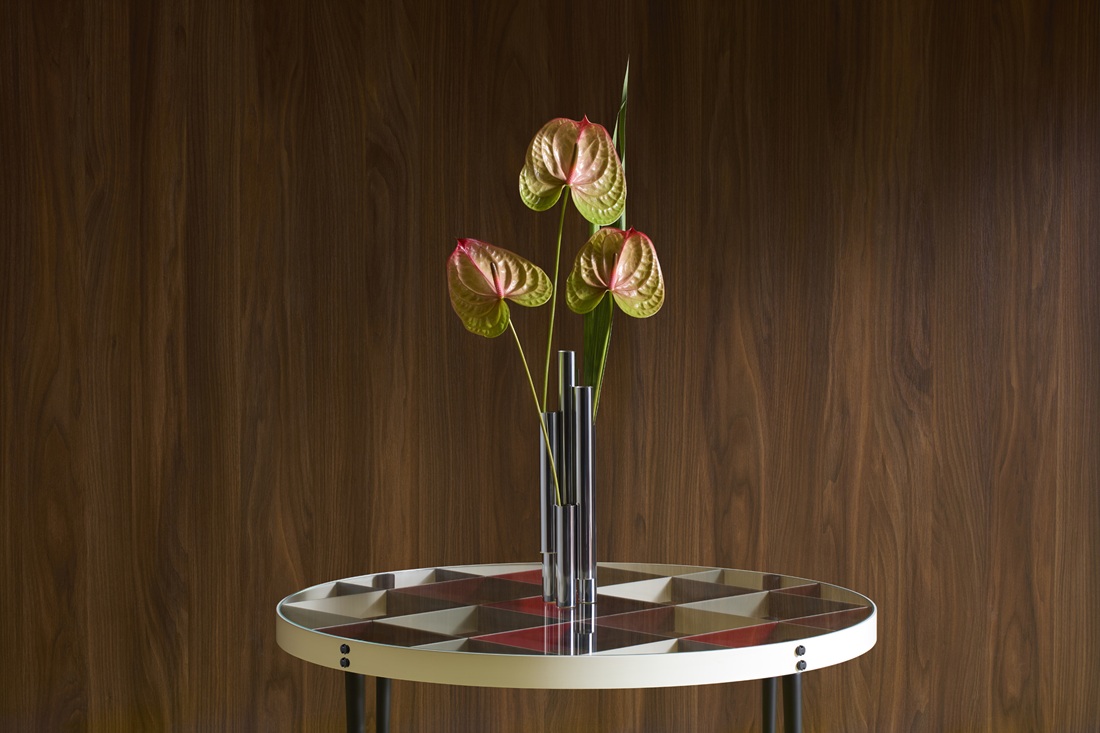
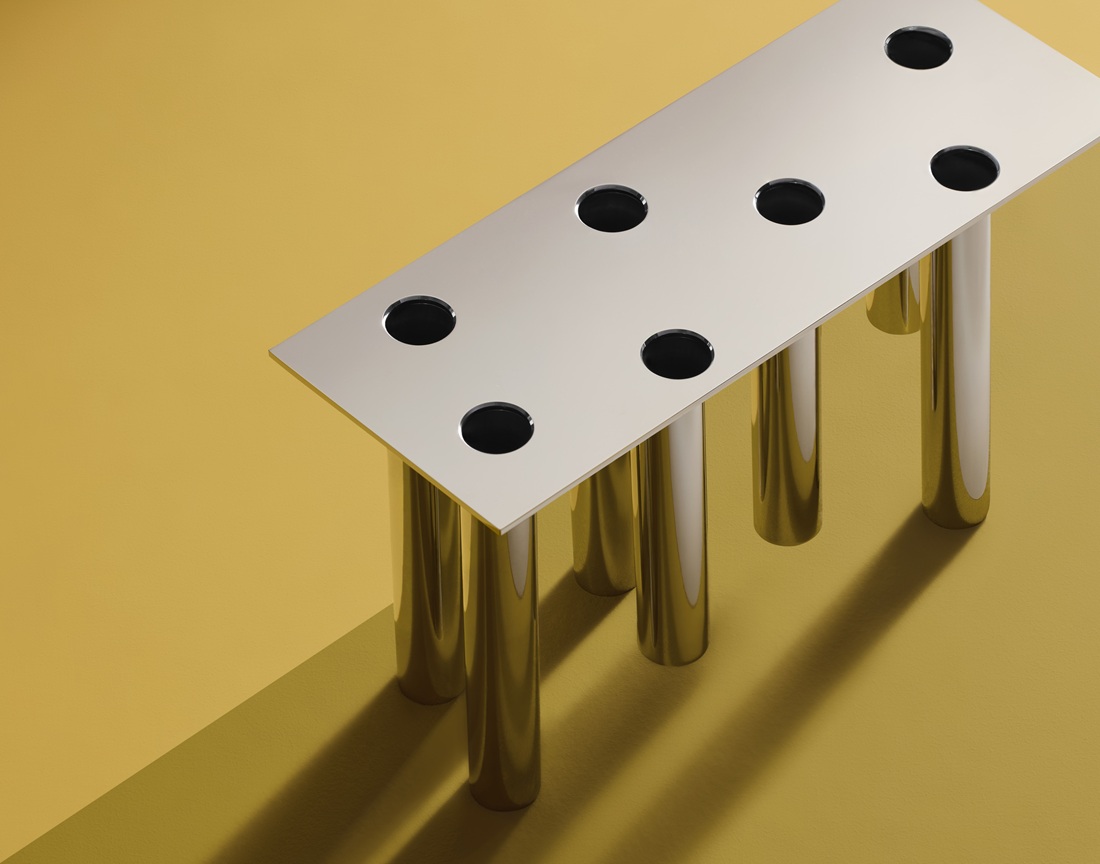
La Mano stands out as one of the most whimsical and iconic works in the collection: a six-fingered hand, born from a playful exchange between Ponti and Sabbatini. Reimagined in stainless steel, it becomes a sculptural conversation piece—at once humorous, expressive, and functional as a jewelry holder. Nearby in the collection is 7 Tubi, a bold composition of seven vertical tubes that function as a vase or candelabrum. Historical photos dating to 1956 show how its striking silhouette once captivated exhibition audiences. Pompei, another standout, balances on three legs and functions as a candlestick or vase. Archival sketches reveal Ponti refining its rhythmic proportions, hinting at architectural studies translated into intimate scale.
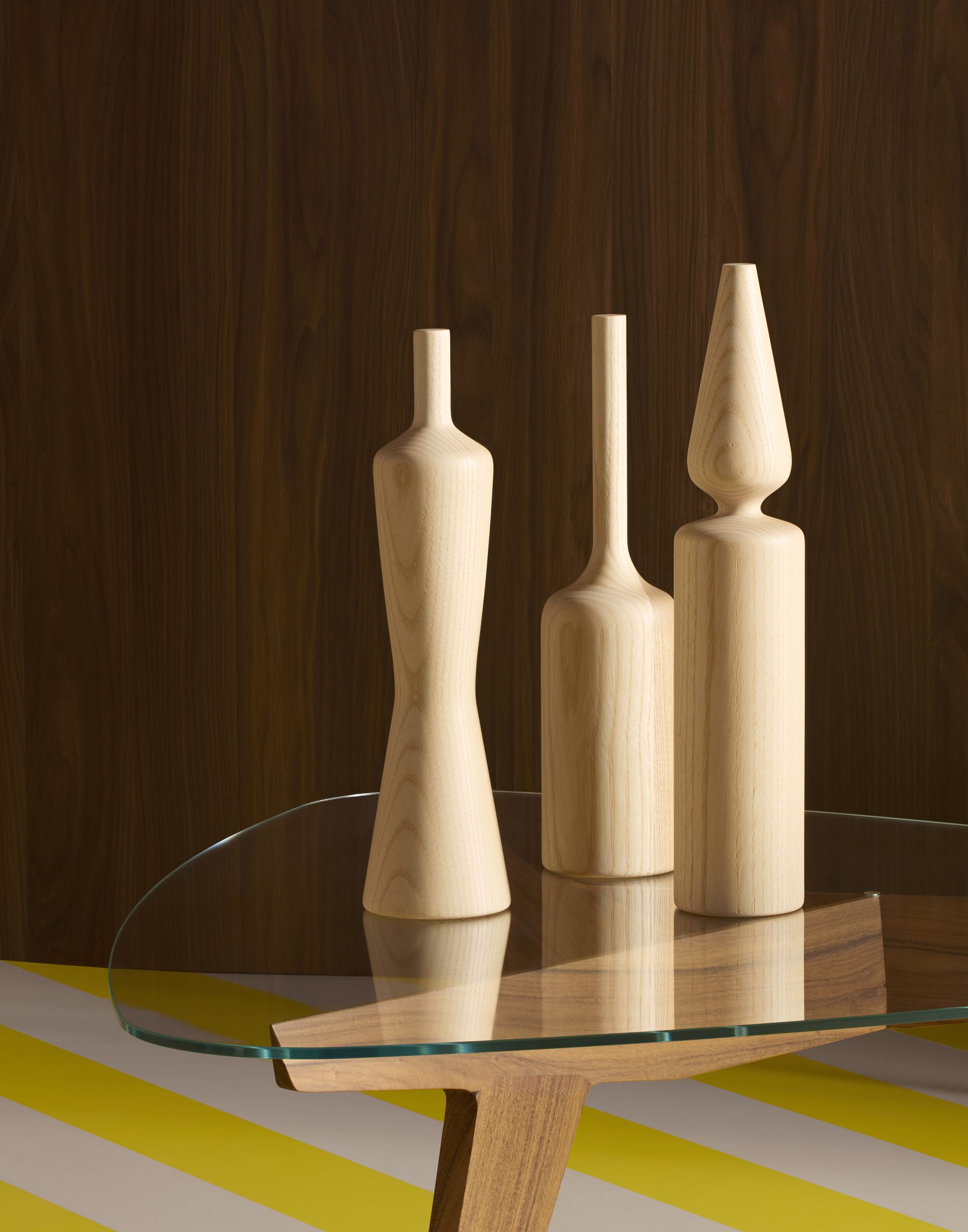
The exploration of wood yields Bottiglie, a set of three decorative bottles that combine two distinct ash finishes to create a quiet but engaging visual harmony. These were originally used in exhibition settings to create “domestic proportions,” acting almost like props for the imaginative stage that Ponti believed every home should be. Historical records from 1957 show them displayed in Paris exhibitions, testifying to their enduring charm.
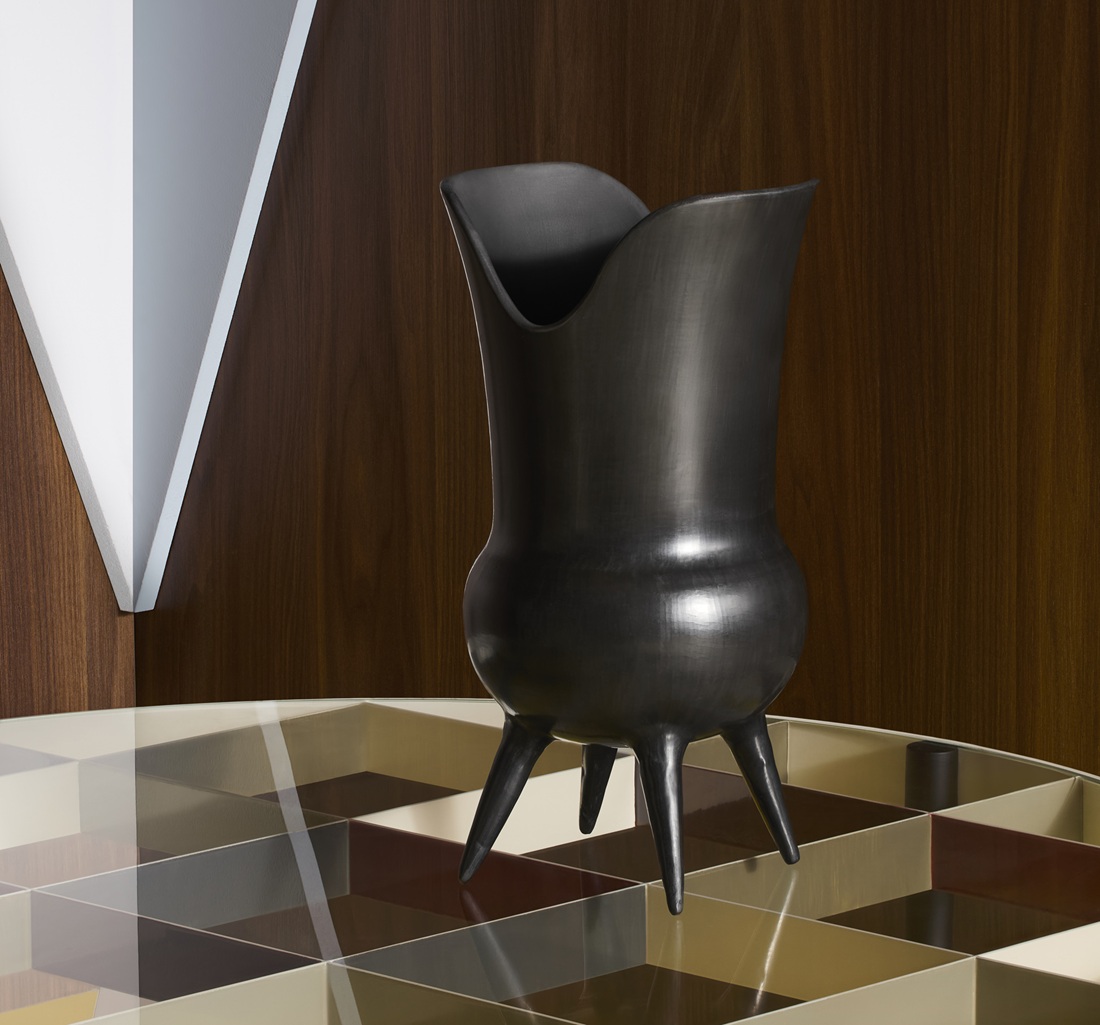
The Bucchero object taps into an ancient Etruscan ceramic tradition preserved by the Buccheri Antonio Rossi workshop. Its deep, glossy black surface and historical forms fascinated Ponti, who often merged past and future in his work. Archival photos from Triennale Milano (page 8) showcase its original presence and cultural significance. In this collection, Bucchero once again embodies Ponti’s ability to reinterpret heritage through a modern lens.

Completing the group is Architettura, a handle-free tray shaped with the iconic hexagonal cell motif that appears throughout Ponti’s architectural language, including the celebrated Pirelli Tower. Its overhead outline echoes the formal clarity and structural dynamism that defined his work.
Together, the eight objects reflect Ponti’s belief that the home is a theater of imagination, where even small functional elements can introduce rhythm, symbolism, and emotional resonance. They carry the same creative DNA found in his Milanese residences, where architecture, decor, materials, and objects formed a continuous narrative rather than isolated gestures.
Starting October 14, Molteni&C will make these reissued objects available in select Flagship Stores worldwide and on its e-commerce platform. This collection not only preserves Ponti’s legacy but extends it into contemporary living, giving new generations access to pieces that redefine how beauty, utility, and artistic expression can coexist.
Related Articles

Paul Smith on Why Property Is the Only Asset Class Where the Bank Helps You to Your First Million
Paul Smith shares why property investing, steady income, and smart lending can help build lasting wealth without quitting work early.

Tesamorelin Explained: The FDA-Approved GHRH Analog That Sits in a Unique Position in Peptide Research
Learn how tesamorelin works, its FDA approved use, clinical research, and why HPLC/MS verified purity matters.
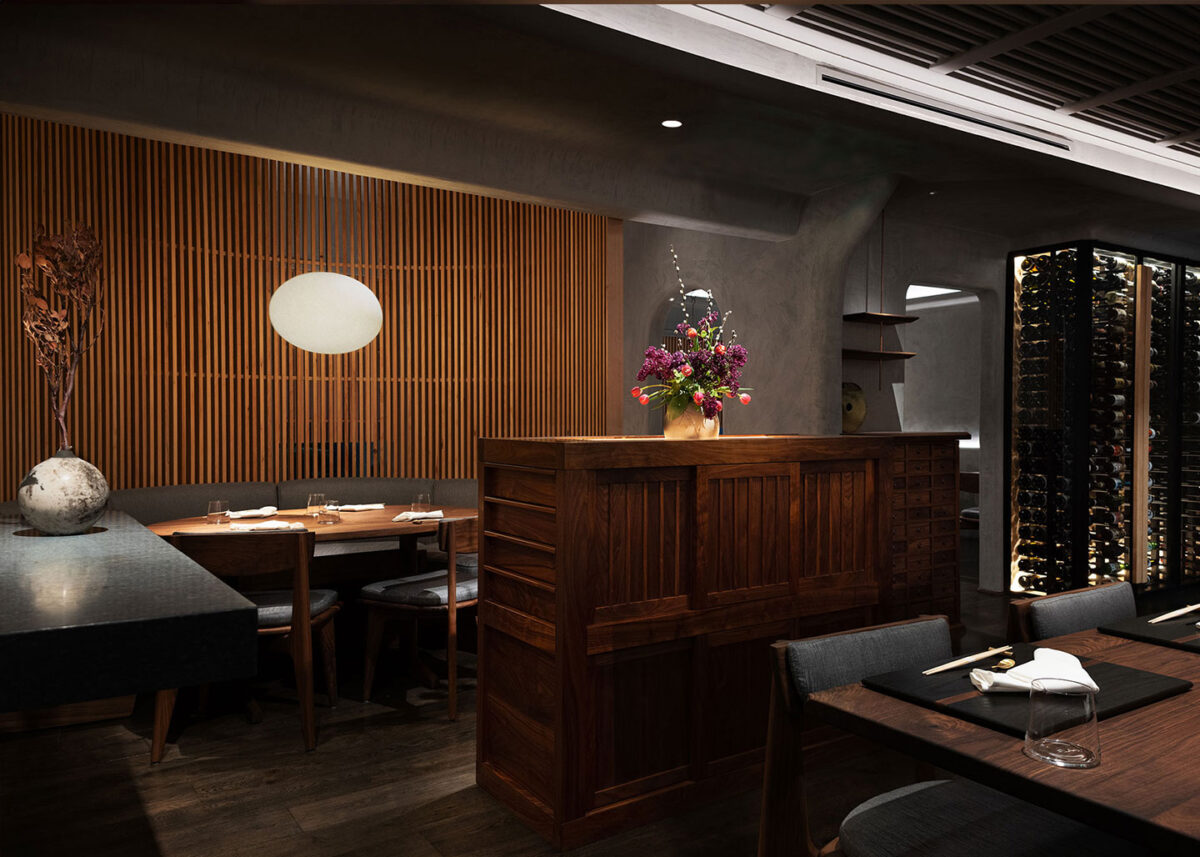
From Hidden Counters to Hard-to-Book Icons: The Best Omakase in Los Angeles
From n/naka’s Michelin-starred kaiseki to Nozawa Bar’s secret 10-seat counter, these are the best omakase in Los Angeles right now.
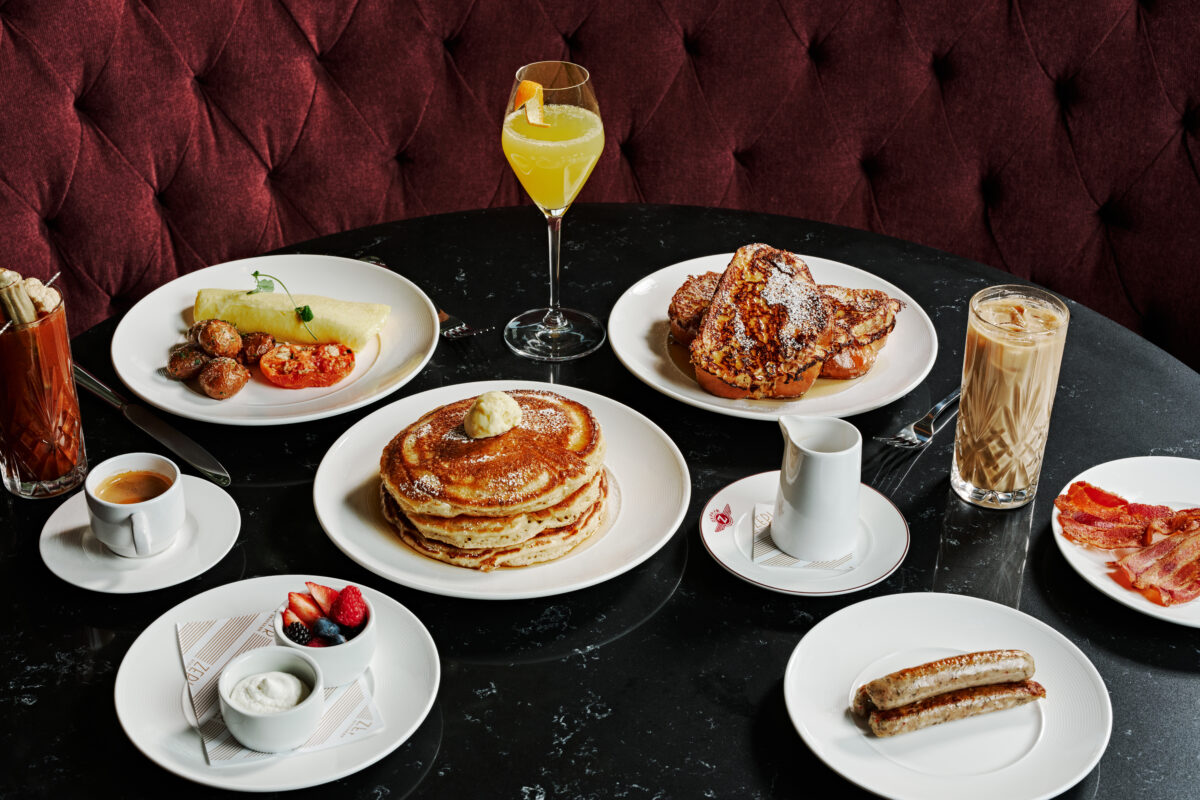
The Best Brunch Spots in Atlanta: 20 Reservations Worth Waking Up For
These spots serve the best brunch in Atlanta — hotel dining rooms, French bistros and neighborhood favorites worth the reservation.
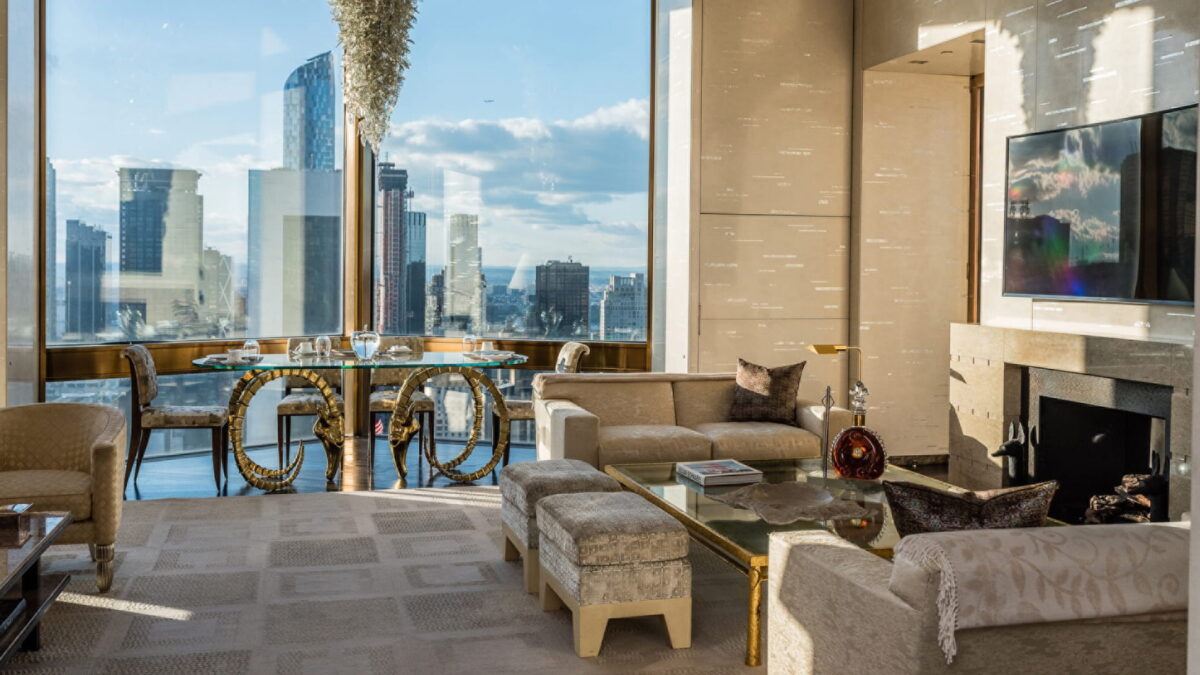
The Most Exclusive Hotel Suites in New York City
From The Mark’s 10,000-square-foot penthouse to the reopened Waldorf Astoria Suite, New York’s most extraordinary hotel suites.

Game, Set, Chauffeur: Blacklane Brings Luxury to Tennis Season
Introducing Blacklane Tennis Class, a limited-edition chauffeur experience with curated courtside gifts this summer.
Latest Stories
Trending Articles



Related Articles
Paul Smith on Why Property Is the Only Asset Class Where the Bank Helps You to Your First Million
Paul Smith shares why property investing, steady income, and smart lending can help build lasting wealth without quitting work early.
Tesamorelin Explained: The FDA-Approved GHRH Analog That Sits in a Unique Position in Peptide Research
Learn how tesamorelin works, its FDA approved use, clinical research, and why HPLC/MS verified purity matters.
From Hidden Counters to Hard-to-Book Icons: The Best Omakase in Los Angeles
From n/naka’s Michelin-starred kaiseki to Nozawa Bar’s secret 10-seat counter, these are the best omakase in Los Angeles right now.
The Best Brunch Spots in Atlanta: 20 Reservations Worth Waking Up For
These spots serve the best brunch in Atlanta — hotel dining rooms, French bistros and neighborhood favorites worth the reservation.
The Most Exclusive Hotel Suites in New York City
From The Mark’s 10,000-square-foot penthouse to the reopened Waldorf Astoria Suite, New York’s most extraordinary hotel suites.
Game, Set, Chauffeur: Blacklane Brings Luxury to Tennis Season
Introducing Blacklane Tennis Class, a limited-edition chauffeur experience with curated courtside gifts this summer.
Subscribe to Haute Living
Receive Our Magazine Directly at Your Doorstep
Embark on a journey of luxury and elegance with Haute Living magazine. Subscribe now and have every issue conveniently delivered to your home. Experience the pinnacle of lifestyle, culture, and sophistication through our pages.


Haute Black Membership
Your Gateway to Extraordinary Experiences
Join Haute Black and unlock access to the world's most prestigious luxury events