
Finite Time, Infinite Purpose: The Vision of Davis Richardson

After personal loss reshaped his view of time and legacy, Davis Richardson emerged as a dynamic voice connecting American values, Ukrainian resilience, and the evolving power of culture and innovation. Through Paradox PR and the American-Ukraine Strategic Partners (AUSP), he’s building bridges, not only between nations, but between ideals.
For Davis Richardson, life truly began the moment he understood its finiteness. When his father passed away in 2020, it marked not only an end but a beginning, a realization that purpose, legacy, and time are inextricably linked.
“In order for a life to start, you first have to recognize that life ends,” Richardson reflects. “That’s when everything began for me.”
Raised in Maryland and now based in New York City, Richardson’s path has always followed the pulse of movement, from Washington’s political corridors to Manhattan’s relentless reinvention, and most recently, to the heart of Ukraine.
“New York is constantly disrupting itself,” he says. “It’s the hyper-embodiment of America, just when you think you have it pinned down, it does something radical.”
That same spirit of disruption defines Richardson’s work today. As founder of Paradox PR, he has built a firm that sits at the intersection of culture, innovation, and global strategy, a communications company that doesn’t just shape narratives but redefines them. Through Paradox’s campaigns and its in-house media platform, Richardson and his team have amplified Ukrainian artists, defense initiatives, and cross-cultural collaborations that blend art and advocacy.

The evolution of that mission led to the creation of American-Ukraine Strategic Partners (AUSP), an organization founded in 2024 that channels private-sector leadership and technology-driven capital models toward Ukraine’s reconstruction. Its network includes former leaders from Palantir and BlackRock, among others — a team united by shared values and the conviction that rebuilding Ukraine is also a reaffirmation of democratic ideals.
“Our main mission right now is the continuation of American values,” Richardson says. “It’s ironic that the continuation of those values is ultimately found in Ukraine, a country without historical ties to Anglo-Americanism, yet deeply aligned with its spirit of freedom.”
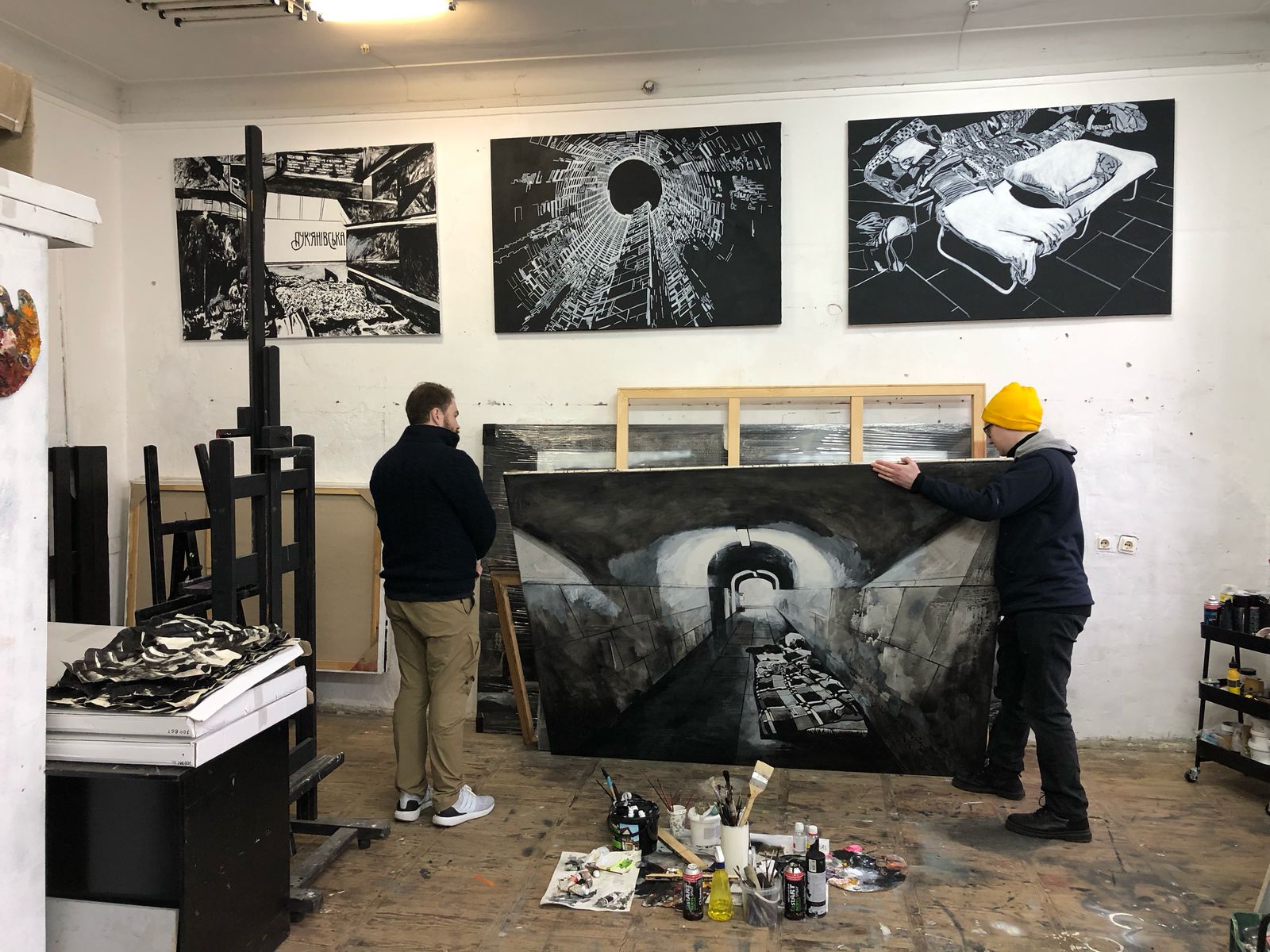
Beyond policy and capital, Richardson is deeply committed to culture as the backbone of any nation’s identity. Through ArtShield and initiatives like Preserving Art in Crisis, he has helped spotlight Ukrainian artists whose works testify to resilience amid destruction.
“What’s the point of defense if there’s no culture to defend?” he asks. “Culture is just as essential as anything happening on the front lines.”
His approach blends intellect with empathy, idealism with pragmatism, a paradox that has become both his brand and his belief system. Whether in Kyiv, New York, or Washington, Richardson carries an ethos grounded in listening rather than imposing, building bridges instead of broadcasting.
“History is written by human beings,” he says. “Sometimes, the most powerful thing you can do is to listen and be part of something meaningful.”
Q&A WITH DAVIS RICHARDSON

Haute Living: What drives you in your work today?
DR:Our main priority right now is ensuring that America remains properly aligned with the developments coming out of Ukraine. We want to make sure the United States maintains its competitive edge by partnering with countries and companies that share our values. Whether that’s through defense innovation or cultural exchange. Personally, what drives me is a love for the United States and for our partners. I’m grateful to engage in work that creates real, lasting impact.
HL:What is AUSP’s biggest differentiator in Ukraine’s reconstruction?
DR:When I first went to Ukraine, I realized that while there were many narratives around “support Ukraine” or “invest in Ukraine,” the actual mechanisms for doing that were very limited. We built AUSP to be that mechanism, a transparent vehicle that allows private-sector capital to participate meaningfully. Our team includes top professionals from intelligence, finance, and technology, and we all share a belief that without laying the right educational and cultural foundation, economic development means very little.
HL:You’ve been active in art diplomacy as well. Why does art matter during war?
DR:Art is the soul of a nation. I’ve seen firsthand how Ukrainian artists are turning pain into beauty, grief into resistance. Cultural diplomacy is not just symbolic, it’s strategic. It sustains identity. As someone once told me in Ukraine, “What is the point of defense if there’s no culture to defend?” That stuck with me.
HL:You’ve mentioned that everything is finite. How does that shape your leadership style?

DR:I try to lead with awareness. That every decision has a cost, not always financial but existential. In business, I’ve learned to respect local dynamics, to listen before acting. Too many people enter new markets trying to impose their beliefs or make themselves the center of attention. I prefer to observe, understand, and find alignment. Leadership, to me, is about humility in service of purpose.
HL:What’s your rule of life: your personal ethos?
DR:That everything is finite and that time is our most valuable currency. What we do with it should reflect our values and create real benefit for others.
For Davis Richardson, legacy isn’t a destination, it’s an ongoing dialogue between history and humanity, between values and action. Whether through the quiet diplomacy of art or the structural rebuilding of nations, his mission remains constant: to ensure that purpose endures long after the noise fades.
Related Articles
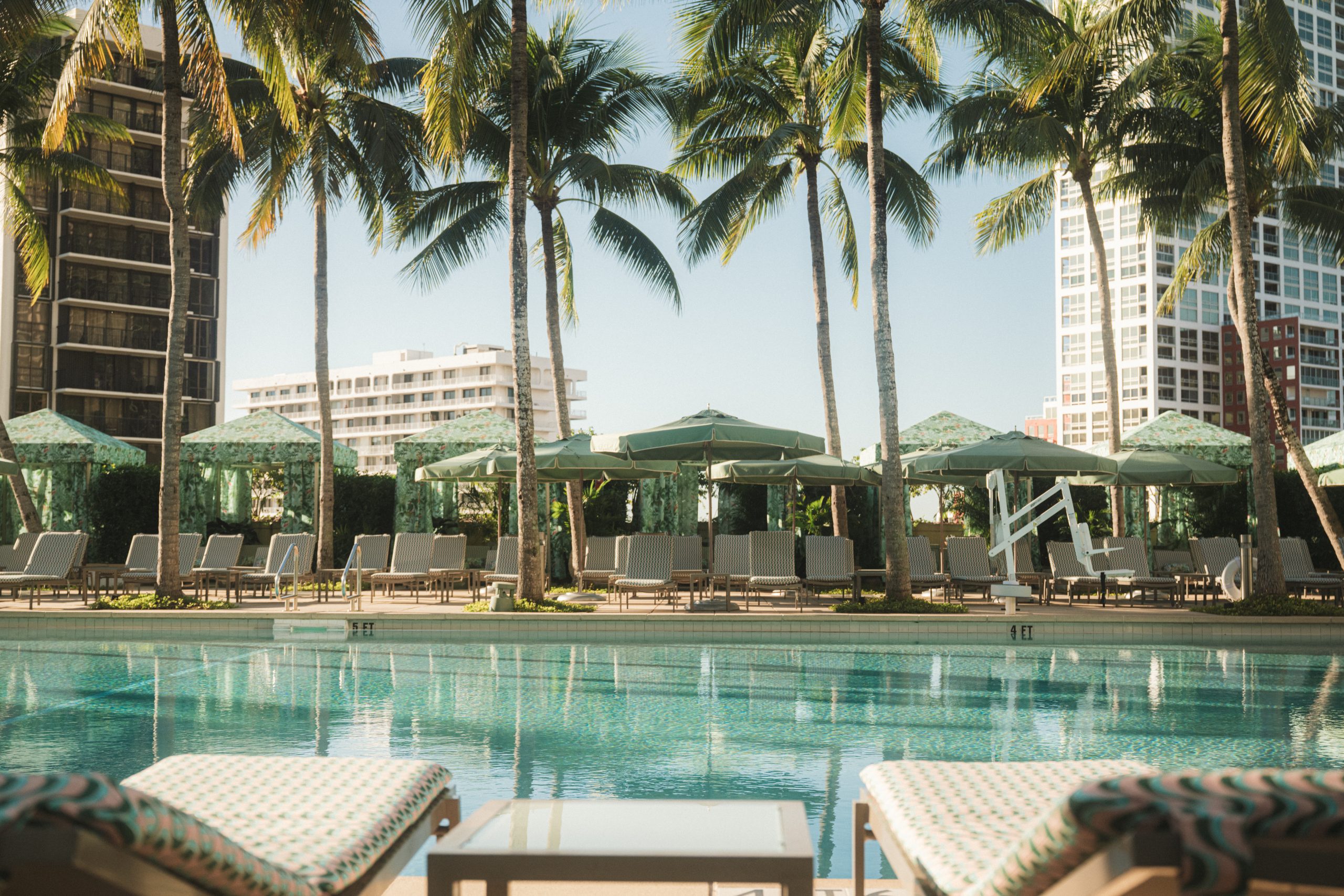
This Brand Took Over the Four Seasons Hotel Miami For an Exclusive Poolside Experience
In the heart of Brickell, the Four Seasons Hotel Miami has partnered with renowned Brazilian fashion brand PatBO
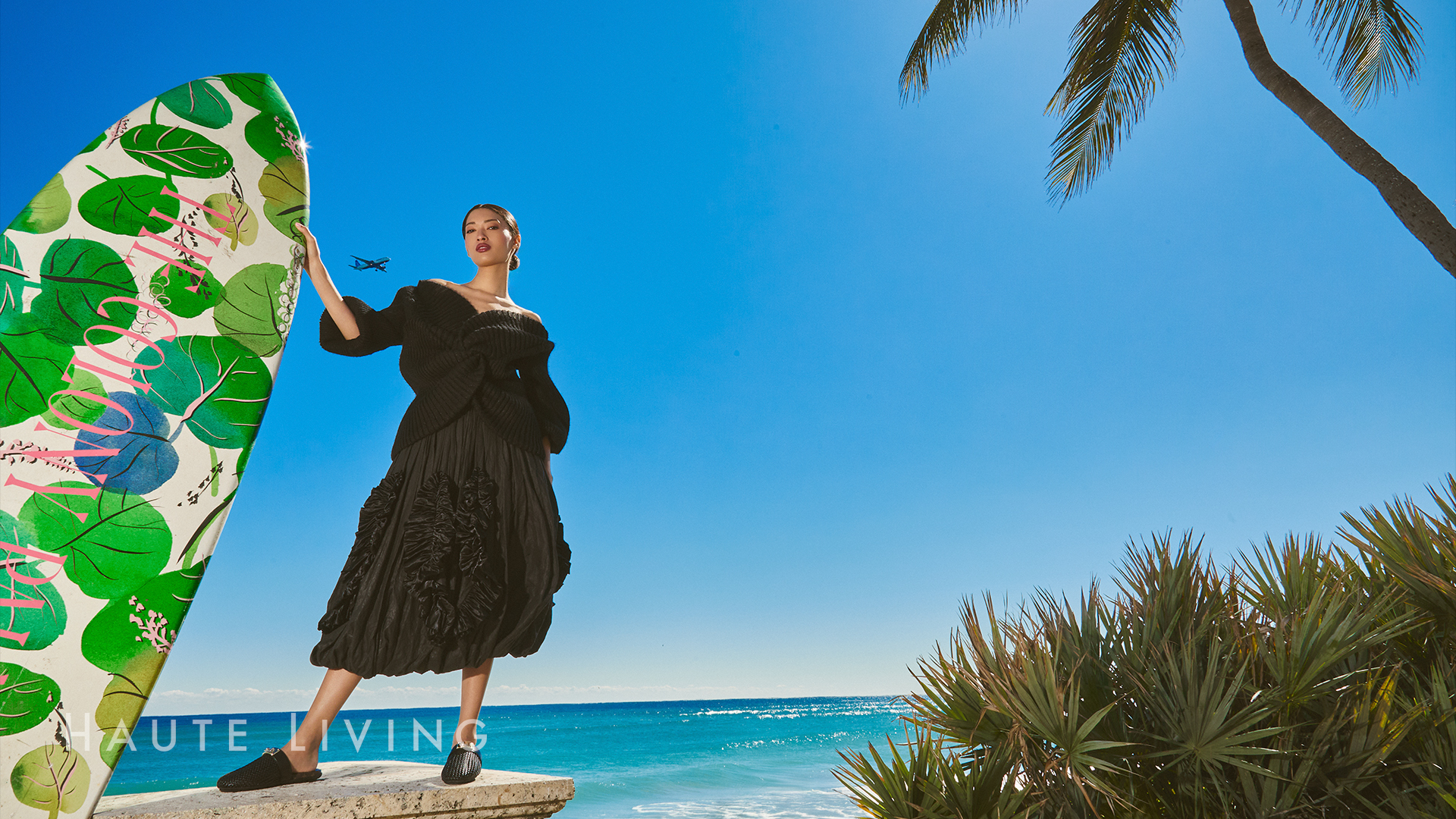
The Louis Vuitton Spring/Summer 2026 Collection Lands in Palm Beach
Nicolas Ghesquière’s Louis Vuitton Spring/Summer 2026 collection celebrates intimacy as an art de vivre in Palm Beach.

Hommey’s New Collection Is Here—Elevate Your Home With These Pieces
Australian homewares brand Hommey has captured this tranquil essence in its latest release, a thoughtfully curated collection.
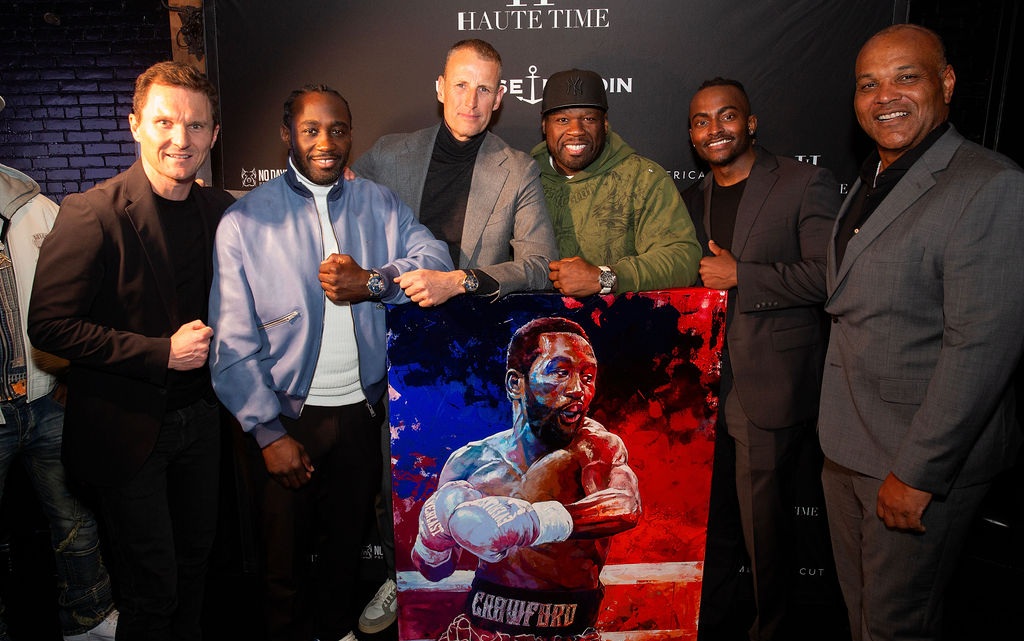
Terence Crawford Honored at Exclusive New York Retirement Dinner Hosted by Haute Living and Ulysse Nardin
Boxing legend Terence Crawford celebrated at an exclusive retirement dinner hosted by Haute Living and Ulysse Nardin at American Cut Tribeca in New York.
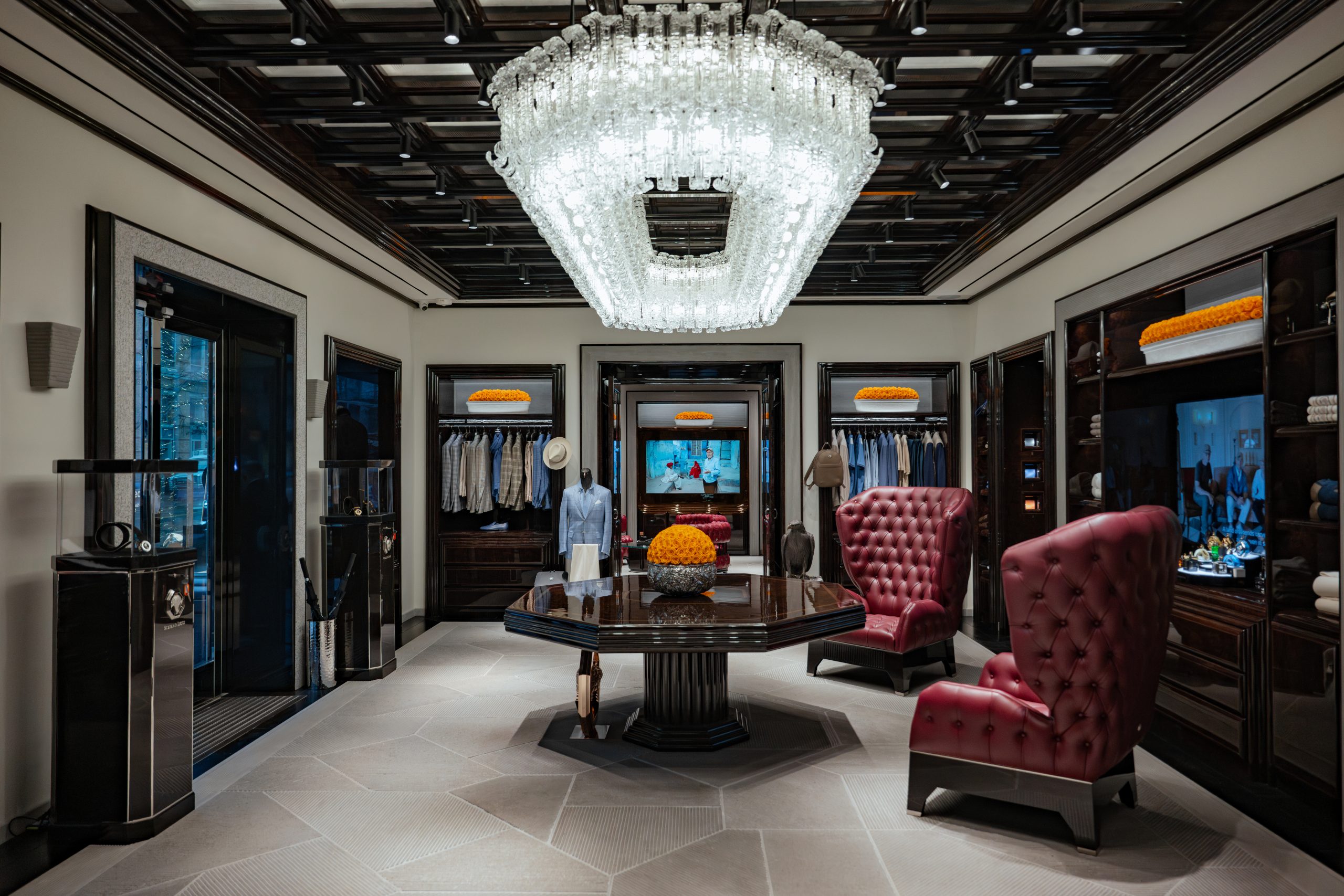
Florence Just Landed in Washington, D.C. — and It’s Everything
Italian luxury house Stefano Ricci has opened a new boutique at CityCenterDC in Washington, D.C., showcasing true Florentine craftsmanship.
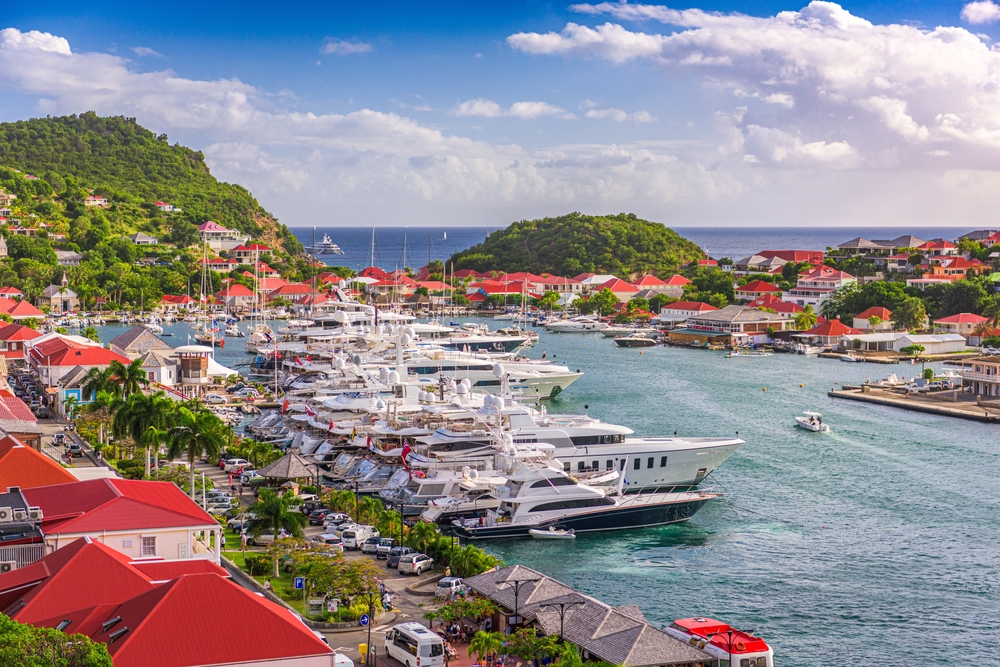
Haute Living Launches Haute Black Travel: The Ultimate Luxury Travel Concierge for the World’s Most Discerning Travelers
Haute Black Travel by Haute Living introduces a luxury travel concierge offering private villas, elite hotel access, and bespoke global journeys.
Latest Stories
Trending Articles


Related Articles
This Brand Took Over the Four Seasons Hotel Miami For an Exclusive Poolside Experience
In the heart of Brickell, the Four Seasons Hotel Miami has partnered with renowned Brazilian fashion brand PatBO
The Louis Vuitton Spring/Summer 2026 Collection Lands in Palm Beach
Nicolas Ghesquière’s Louis Vuitton Spring/Summer 2026 collection celebrates intimacy as an art de vivre in Palm Beach.
Hommey’s New Collection Is Here—Elevate Your Home With These Pieces
Australian homewares brand Hommey has captured this tranquil essence in its latest release, a thoughtfully curated collection.
Terence Crawford Honored at Exclusive New York Retirement Dinner Hosted by Haute Living and Ulysse Nardin
Boxing legend Terence Crawford celebrated at an exclusive retirement dinner hosted by Haute Living and Ulysse Nardin at American Cut Tribeca in New York.
Florence Just Landed in Washington, D.C. — and It’s Everything
Italian luxury house Stefano Ricci has opened a new boutique at CityCenterDC in Washington, D.C., showcasing true Florentine craftsmanship.
Haute Living Launches Haute Black Travel: The Ultimate Luxury Travel Concierge for the World’s Most Discerning Travelers
Haute Black Travel by Haute Living introduces a luxury travel concierge offering private villas, elite hotel access, and bespoke global journeys.
Subscribe to Haute Living
Receive Our Magazine Directly at Your Doorstep
Embark on a journey of luxury and elegance with Haute Living magazine. Subscribe now and have every issue conveniently delivered to your home. Experience the pinnacle of lifestyle, culture, and sophistication through our pages.
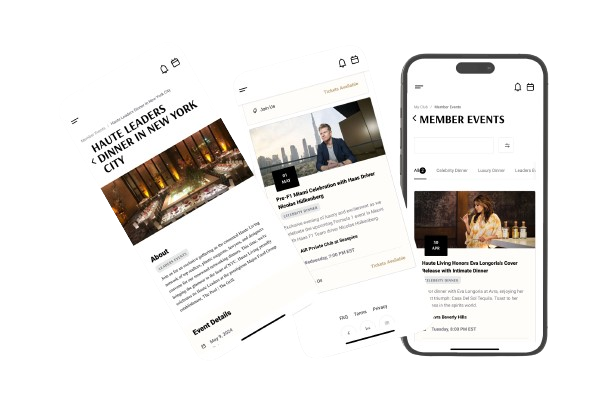
Haute Black Membership
Your Gateway to Extraordinary Experiences
Join Haute Black and unlock access to the world's most prestigious luxury events