
The World’s Longest Tropically Aged Rum Makes Its Grand Debut in Jamaica
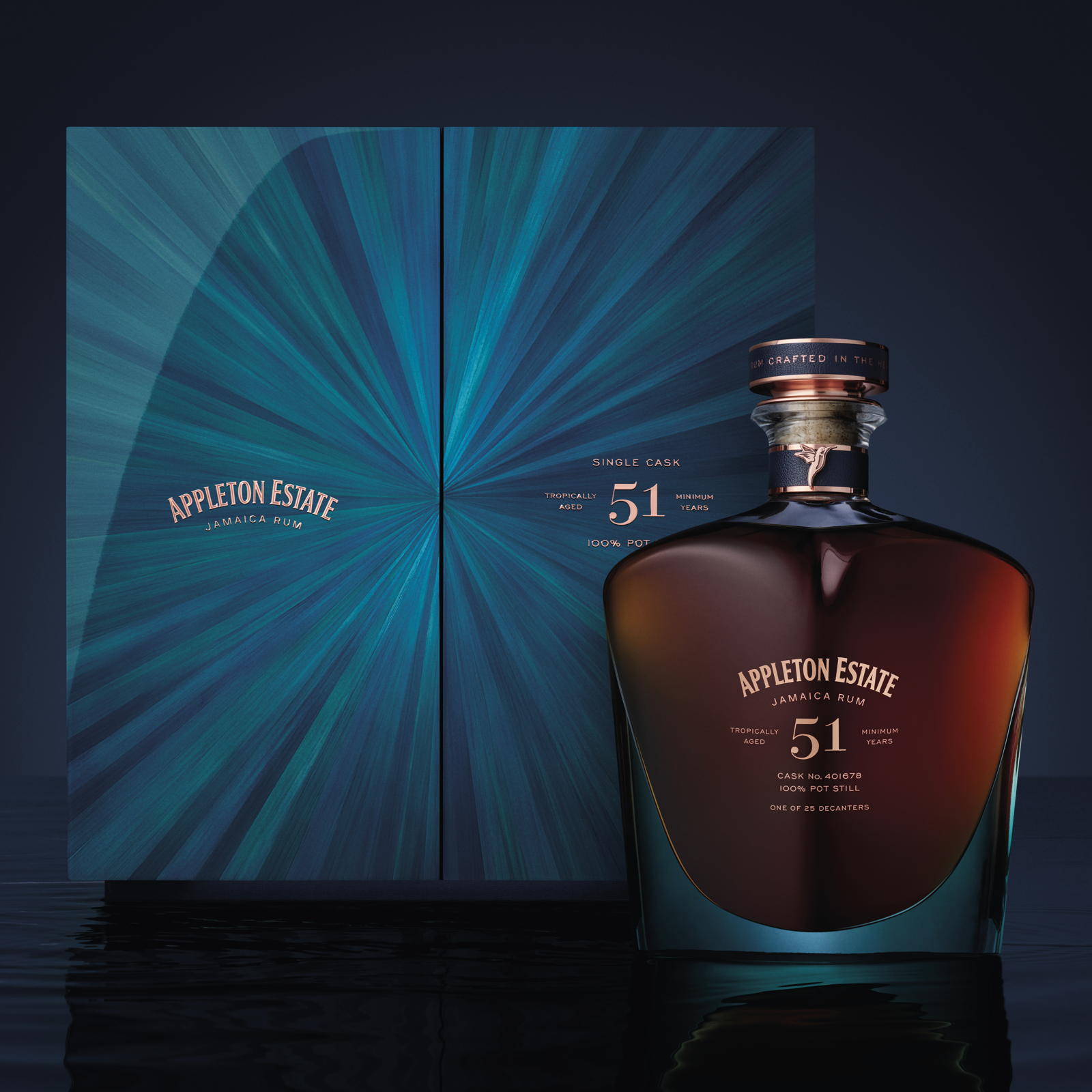 Photo Credit: Appleton
In the lush heart of Jamaica’s Nassau Valley, something extraordinary has quietly been aging for over half a century. Now, Appleton Estate—the island’s legendary rum distillery—has unveiled The Source 51-Year-Old, the longest tropically aged rum ever released. It’s a marvel of patience, provenance, and precision, crafted in a single American oak cask since July 30, 1973. Only 25 decanters exist. Yes, just 25.
This isn’t just a collector’s item—it’s a legacy in liquid form. Made from Appleton’s own estate-grown sugar cane, open fermented, and distilled in copper pot stills, the rum’s journey began under the watch of Master Blender Owen Tulloch. It was later entrusted to his protégé, Dr. Joy Spence, the first female Master Blender in the spirits world, whose stewardship turned that single cask into a historic expression of Jamaican terroir and craftsmanship.
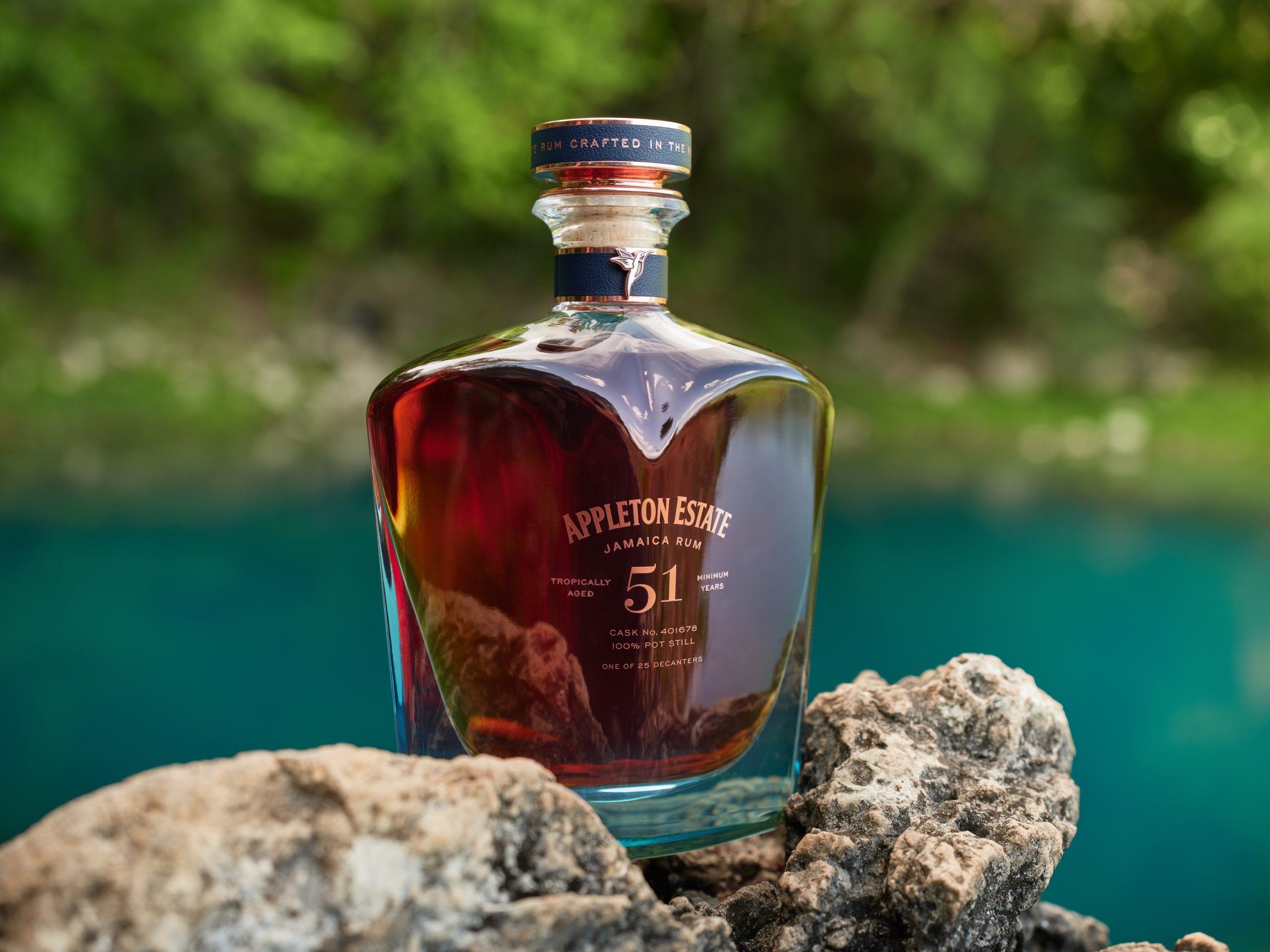 Photo Credit: Appleton
What makes The Source truly rare isn’t just its age—it’s the fact that it matured entirely in Jamaica’s tropical climate, where the interaction between spirit and barrel is supercharged. Aging happens 2-3 times faster than in cooler regions, and managing that “devil’s share” (the angel’s share’s hotter cousin) over five decades takes almost supernatural skill. The result? An impossibly complex, profoundly rich rum with natural mahogany color and flavor you can’t fake.
The decanter itself is a love letter to Jamaica: heart-shaped, transitioning from deep mahogany to a crystalline aquamarine base that nods to the limestone-filtered spring that flows through the estate. Topping it off—literally—is a hand-sculpted copper Doctor Bird, Jamaica’s national treasure, resting elegantly atop a navy cap. The turquoise case is adorned with straw marquetry inspired by pressed cane. It’s a collector’s dream, a drinker’s reverie, and a tribute to the art of aging well. And I was a witness to its white-gloved unveiling during a VIP trip to the Appleton Estate earlier this year, where every drop of the liquid gleamed like mottled gold.
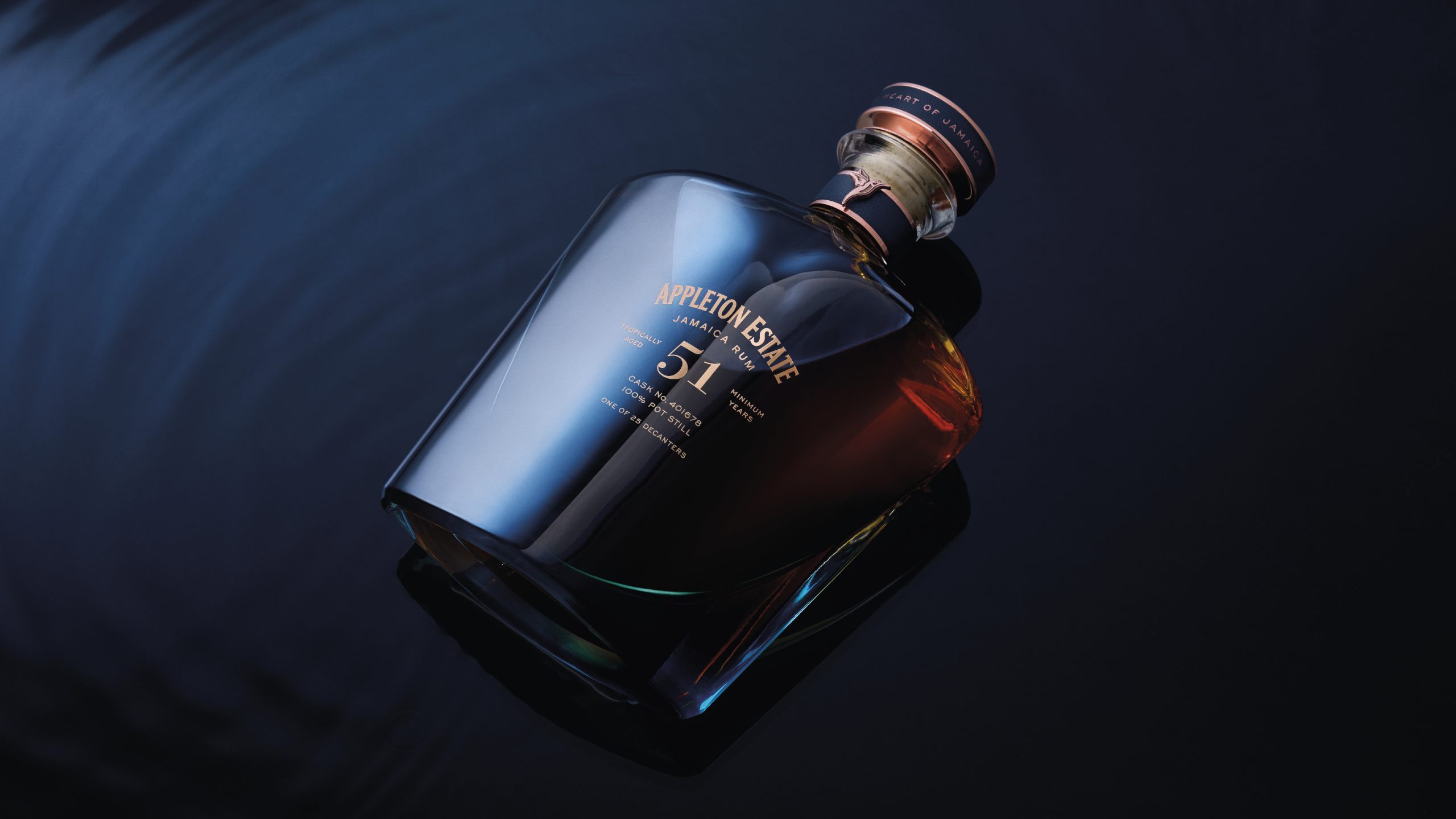 Photo Credit: Appleton
But Appleton didn’t stop at liquid excellence. With The Source, they’re supporting the Jamaica Art Society’s 2026–2027 In Focus Fellowship cohort, investing in the island’s next generation of creatives. Through co-branded dinners, curated experiences, and mentorships, the distillery is linking five decades of rum with five decades of Jamaican artistic expression.
Retailing at $70,000 and available in select global markets beginning July 2025, The Source is more than a bottle—it’s a story. A time capsule. A celebration of Jamaican excellence. And a bold, beautiful reminder that some things can’t be rushed.
When you sip The Source, you’re not just tasting rum. You’re tasting 51 years of vision, resilience, and soul — and that, my friends, is a true luxury.
Below, check out my tete-a-tete with Dr. Joy, who spoke about the new release and the challenges — and rewards — of breaking glass ceilings in the rum business.
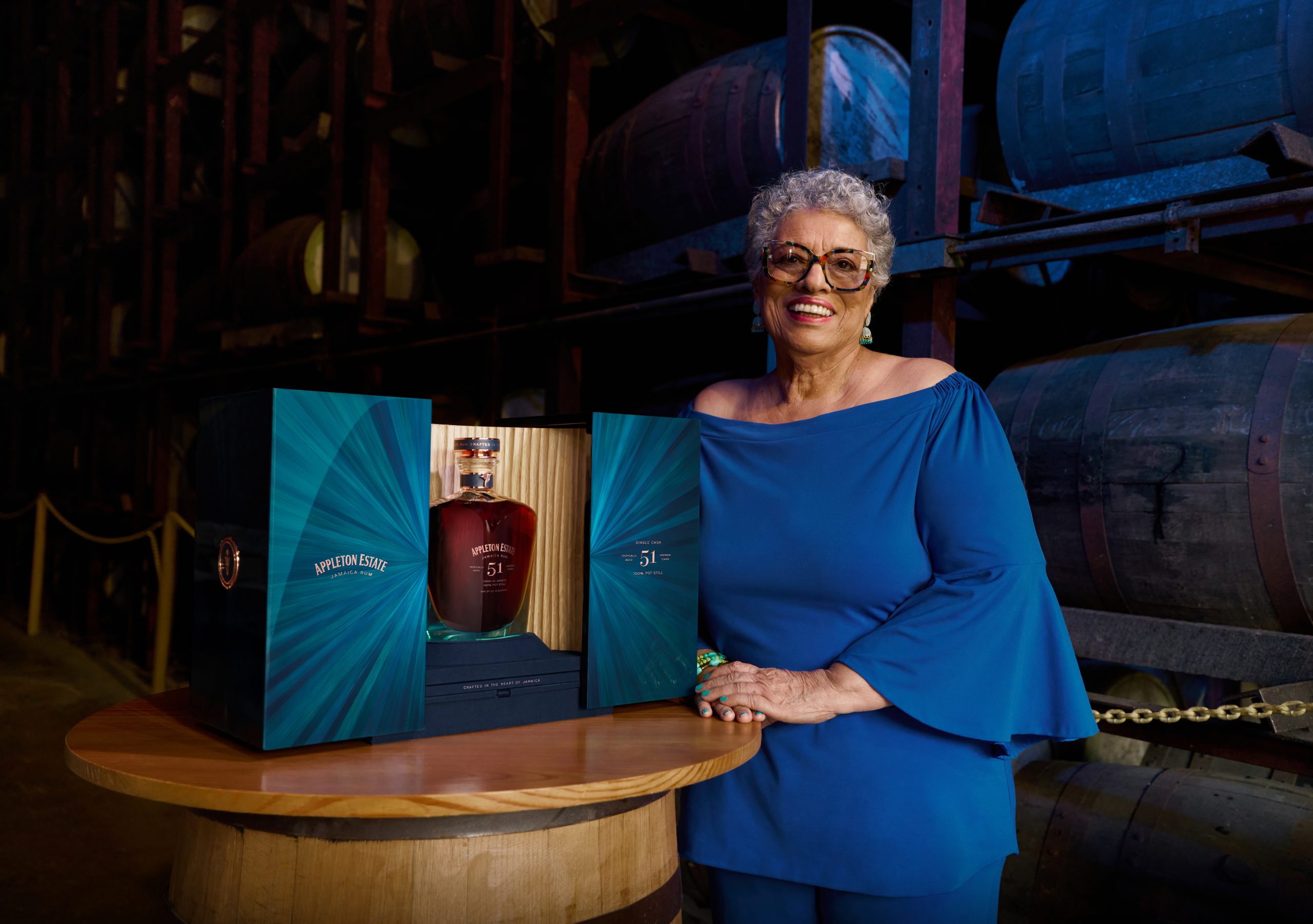
Photo Credit: Appleton
Why do you think this particular rum its such a great fit for a luxury audience, and how has Appleton become the premium luxury spirit realm of choice for a luxury audience?
I think first of all, The Source, Appleton Estate 51, is a perfect fit for a luxury audience, one, because there has been no other rum like this released globally. This is the first time; the rum is unique that way. This is the first single tropically-aged rum that has been commercially produced for the global market, with an emphasis on the packaging as it relates to our terroir and our process. In creating the package, the bottle is at the heart, because Appleton Estate is in the heart of Jamaica. The blue is because of the water from water source. And hence the name, and most importantly, the quality of the liquid, with the flavor profile as a beautiful, smoky orange, with dried raisins, fig, vanilla, and beautiful cinnamon notes that make it so unique and different.
And this is where the trend is now for luxury consumers, moving from what we call traditional rums to high end premium rums, where you just simply sip these rums neat and enjoy them the same way you would have fine Scotch; it’s super exclusive as well. It’s even more exclusive because of how it’s created — the fact that we have such high evaporation loss — we have to start with a large amount of liquid to be able to produce even this many bottles. And having 25 bottles available globally, it makes it extremely exclusive and luxurious. So it’s really for very high-end consumers and rum connoisseurs.
Have you seen Appleton evolve over the years in terms of who the consumer is or are you actively targeting different kind of consumers?
Thirty years ago, the average consumer for Appleton was just a person who would just mix Appleton with their favorite mixer and make a simple cocktail. And now, with the introduction of very old rums in our range, the consumer is now no longer focusing on quantity, but quality, and are looking for rums that they can sip neat and enjoy the beautiful and complex flavors, which they were doing before with other spirits.
You’re a trailblazer in the industry. Is this the path that you always thought you would set out on?
Let me go backwards. I used to lecture in chemistry, and I decided I wanted to get some industry experience, and so I joined the company as a chief chemist, and thought I would just be working in the laboratory for a long period of time. And then I met the previous master blender, who took me under his wing, and that’s when I fell in love with rum, and my whole life changed. My whole focus on where I wanted to work in the future was definitely in the blending aspect of rum, and started the whole process of becoming an excellent master blender. When that happened, I was the first woman as a master blender, not just in rums, but overall.
Have you found, are there challenges for you that have come with that? And if so, what have they been?
Yeah, there have been significant challenges, especially in Jamaica itself, because the men here thought that a woman would not be able to create the same quality rum as the men before me; they thought it would create a failure in the industry, which it didn’t. I had a male manager at work telling me that place for a woman is to be at home, changing diapers, not making rum.
What did you tell him? I hope it was where to go.
I told him, I’m going to prove him wrong.
How did you manage to deal with that that kind of misogynistic behavior?
I just focused on my craft, and I knew that I could become the best blender because of my passion… and I also don’t focus on being female. I know that I’m good at what I do, and, knew that I would be successful.
So what advice would you give to a woman that was trying to break into the industry?
My advice to all females, all the time, is to be humble, keep grounded, eliminate any noise around you, surround yourself with positivity, and you’ll be successful. Keep your head down to your heart and ignore the noise.
Is there something in your career that you feel thus far has been a significant achievement that you are proudest of?
I think one of the most significant achievements for me was when I was asked to create my first blend to celebrate the anniversary of Appleton Estate, and that run became the foundation for the eight-year-old reserve.
What does luxury mean to you?
For me, luxury, is an experience. It’s not just about the cost, but the lifestyle that surrounds that product, the fact that people would want to emulate luxury, trade up to luxury if they can afford it. And so, it’s a whole experience. When you look at luxury brands — lovely handbags, luxury shoes — everybody wants to buy them, because, I guess there’s a sense of pride and feel and achievement.
My last question: Are there any misconceptions about about Jamaica, about rum, in general, that you personally want to clear up?
I think first of all, misconception is that rums are just a spirit that you simply combine with your favorite mix so you get a kick from the alcohol and that’s it. No. Premium ones are sophisticated and complex. Elevated rums are for sophisticated cultures, just like we would enjoy a cognac or a Scotch. I hope that we clear this up with the new launch, and that this is how we’ll engage consumers even more on premiumization and the importance of that in the rum industry — because this is the pinnacle.
Related Articles
Inside Sam Nazarian’s Vision for the Future of Luxury — From Casa Dani to Longevity Wellness and Beyond
sbe founder Sam Nazarian on building Casa Dani with Dani García, why luxury now means longevity, and how Miami became the world’s most exciting hospitality city.
This is What Happens When AI Meets the Miami Design District
The Miami Design District EDGLRD short film is an AI masterpiece that is paving the future of retail destinations.

Rolls-Royce Unveils the Coachbuild Collection, Redefining Ultra-Luxury Automotive Ownership
Rolls-Royce introduces the Coachbuild Collection, a rare fusion of bespoke electric design and immersive experiences.
The Stephen Starr Secret: How Slim’s Became Miami’s Most Coveted New Reservation
Inside Stephen Starr’s Slim’s Bal Harbour steakhouse, which has become one of the hautest reservations in Miami.
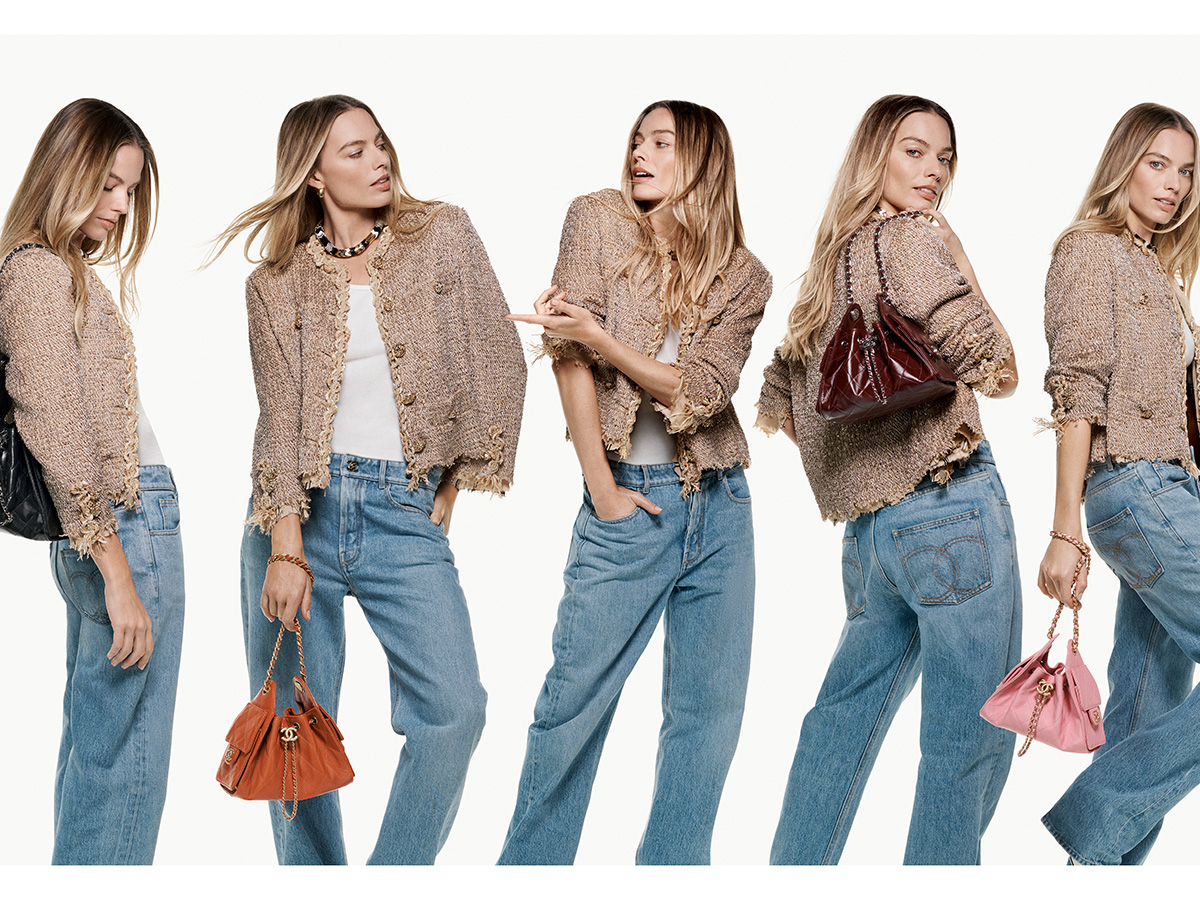
The CHANEL 25 Is the New It Bag—The Campaign Starring Margot Robbie Proves It
Margot Robbie stars in the new CHANEL 25 Handbag campaign, directed by Michel Gondry — with a surprise cameo from Kylie Minogue.
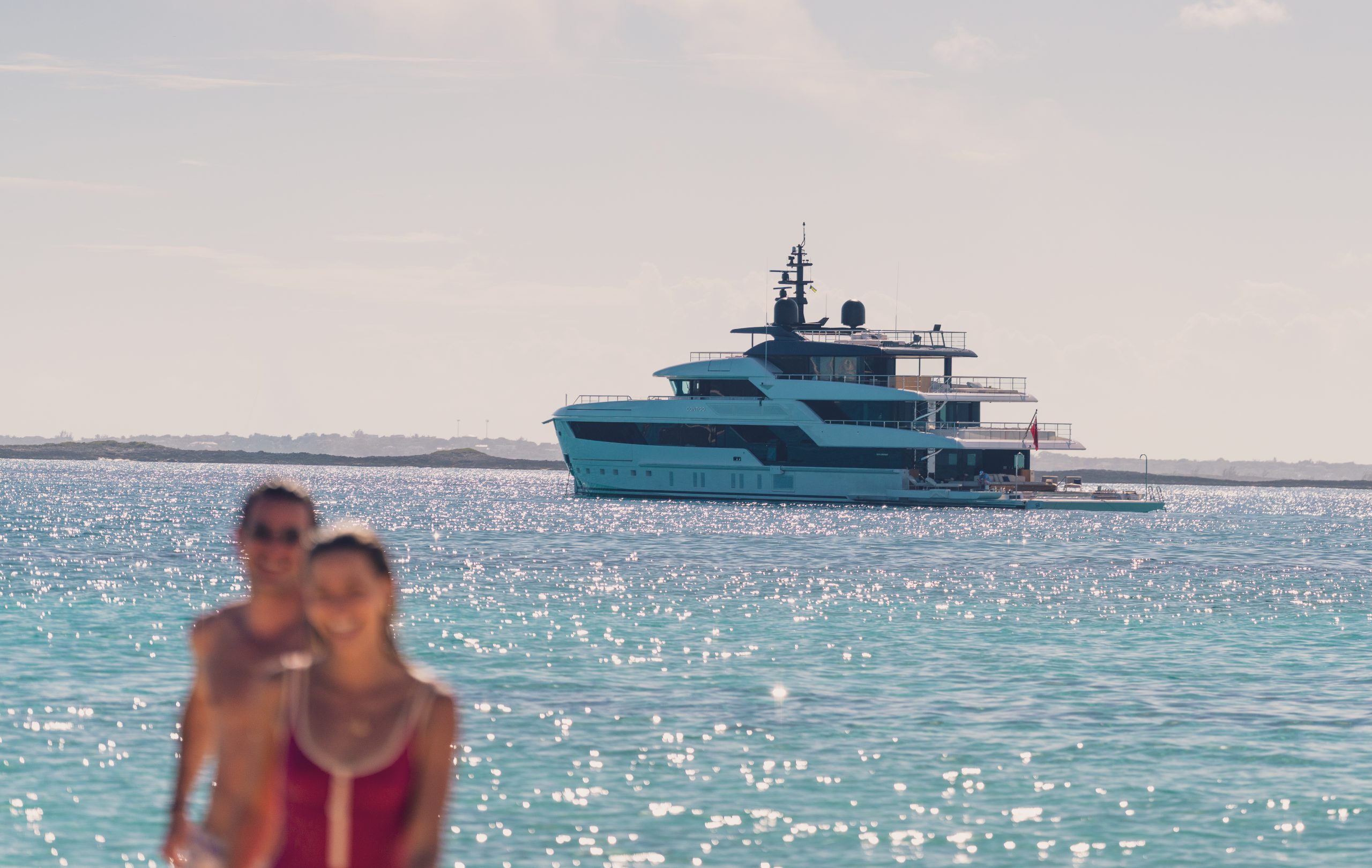
Epiphany at Sea: A Night Aboard Cecil Wright’s CONTIGO
Not many people can say they’ve stayed on a yacht, let alone a 49.99-meter Cecil Wright motor yacht named CONTIGO. This megayacht, delivered in 2024 by the renowned Italian shipyard Sanlorenzo, was nothing short of a penthouse floating on the crystal-clear waters of the Bahamas’ Atlantic Ocean. Upon arriving via a Wajer 55 chase boat, […]
Latest Stories
Trending Articles
Related Articles
Inside Sam Nazarian’s Vision for the Future of Luxury — From Casa Dani to Longevity Wellness and Beyond
sbe founder Sam Nazarian on building Casa Dani with Dani García, why luxury now means longevity, and how Miami became the world’s most exciting hospitality city.
This is What Happens When AI Meets the Miami Design District
The Miami Design District EDGLRD short film is an AI masterpiece that is paving the future of retail destinations.
Rolls-Royce Unveils the Coachbuild Collection, Redefining Ultra-Luxury Automotive Ownership
Rolls-Royce introduces the Coachbuild Collection, a rare fusion of bespoke electric design and immersive experiences.
The Stephen Starr Secret: How Slim’s Became Miami’s Most Coveted New Reservation
Inside Stephen Starr’s Slim’s Bal Harbour steakhouse, which has become one of the hautest reservations in Miami.
The CHANEL 25 Is the New It Bag—The Campaign Starring Margot Robbie Proves It
Margot Robbie stars in the new CHANEL 25 Handbag campaign, directed by Michel Gondry — with a surprise cameo from Kylie Minogue.
Epiphany at Sea: A Night Aboard Cecil Wright’s CONTIGO
Not many people can say they’ve stayed on a yacht, let alone a 49.99-meter Cecil Wright motor yacht named CONTIGO. This megayacht, delivered in 2024 by the renowned Italian shipyard Sanlorenzo, was nothing short of a penthouse floating on the crystal-clear waters of the Bahamas’ Atlantic Ocean. Upon arriving via a Wajer 55 chase boat, […]
Subscribe to Haute Living
Receive Our Magazine Directly at Your Doorstep
Embark on a journey of luxury and elegance with Haute Living magazine. Subscribe now and have every issue conveniently delivered to your home. Experience the pinnacle of lifestyle, culture, and sophistication through our pages.

Haute Black Membership
Your Gateway to Extraordinary Experiences
Join Haute Black and unlock access to the world's most prestigious luxury events