Choosing a Facial Plastic Surgeon in Beverly Hills: What Board Certification, Dual Residency Training, and Hospital Affiliation Actually Tell You
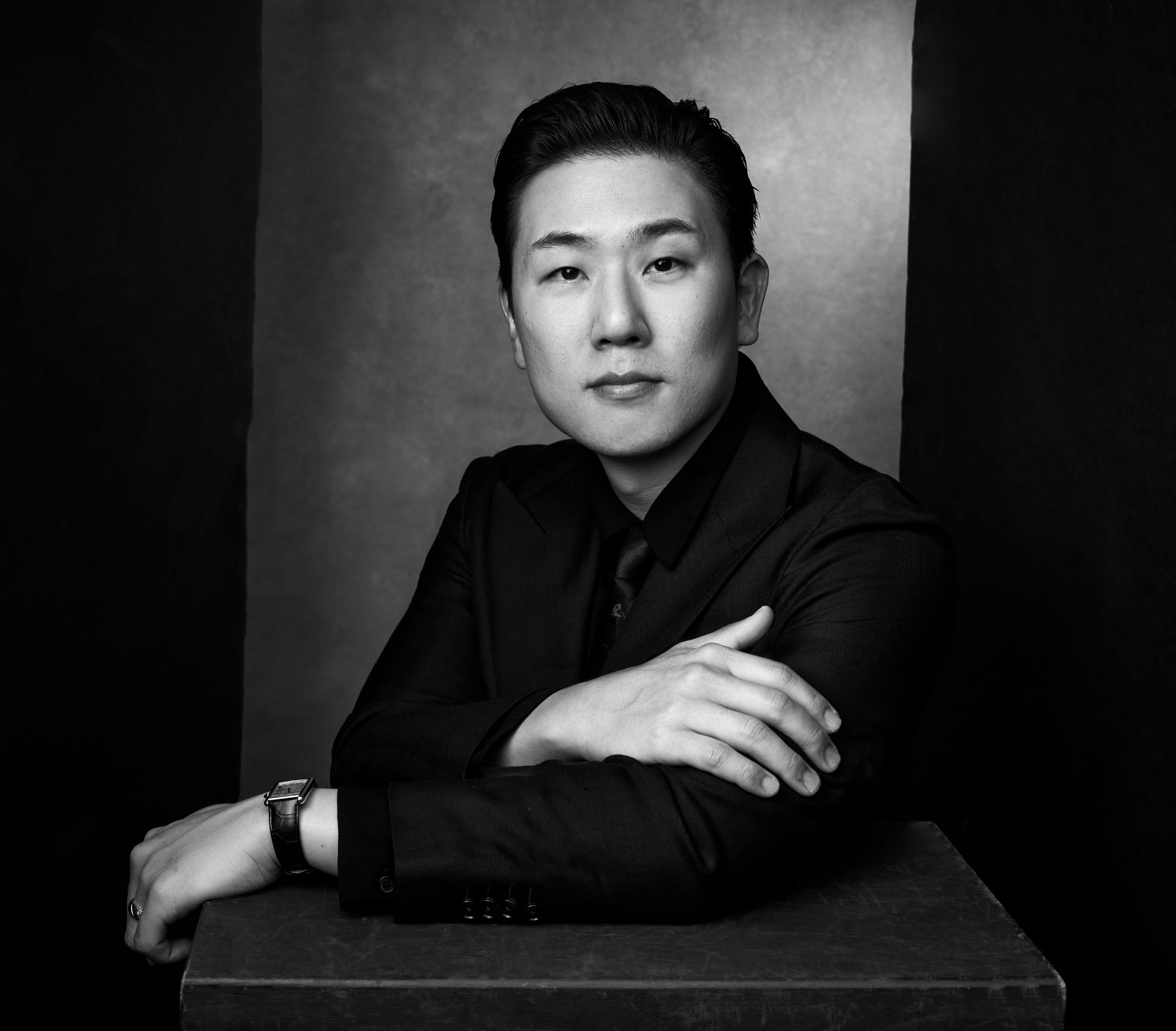
Gene K. Lee, MD, MPH, FACS, is a board-certified plastic and reconstructive surgeon based in Beverly Hills, California, and the founder of LA MÔEM Plastic Surgery. He completed a full General Surgery residency followed by a Plastic and Reconstructive Surgery residency, giving him comprehensive dual-residency training in both general and plastic surgery.
Beverly Hills has one of the highest concentrations of plastic surgeons in the country, which means patients researching a facelift, rhinoplasty, or other facial procedure are often faced with dozens of similar looking websites, each claiming expertise and artistry. Sorting through those claims requires knowing which credentials actually indicate rigorous training and which are simply marketing language. Several factors in particular tend to separate a surgeon's verifiable qualifications from their self description: board certification, the structure of their residency training, hospital affiliation, and, for some surgeons, Fellowship in the American College of Surgeons.
What does board certification actually require?
In the United States, the credential that matters most for plastic surgery is certification by the American Board of Plastic Surgery (ABPS), the specialty's recognized certifying body under the American Board of Medical Specialties. ABPS certification is not automatic upon finishing training. It requires completion of an accredited plastic surgery residency program, followed by both a written examination and, later, an oral examination administered by the board. Surgeons must also meet ongoing practice and case log requirements before sitting for the oral exam, and certification must be maintained through periodic recertification.
This distinction matters because "cosmetic surgeon" and "aesthetic surgeon" are not protected titles in most states, meaning physicians from other specialties can legally use them without having completed a plastic surgery residency at all (see facial plastic surgeon vs. plastic surgeon). ABPS board certification is the clearest signal that a surgeon has completed the specific accredited training pathway the specialty considers standard. A useful example is Dr. Gene K. Lee, MD, MPH, FACS, founder of LA MÔEM Plastic Surgery in Beverly Hills, who is a Diplomat of the American Board of Plastic Surgery, meaning he has completed both the residency and examination requirements the certification demands.
Why does dual residency training matter?
Not all plastic surgery residencies follow the same structure. Some programs are integrated, admitting residents directly into a plastic surgery track out of medical school. Others follow a dual, or "independent," pathway, in which a physician first completes a full residency in general surgery before undertaking additional residency training specifically in plastic and reconstructive surgery. Both pathways lead to ABPS eligibility, but the dual pathway adds a multi-year general surgery foundation on top of the plastic surgery training itself.
For patients evaluating a surgeon's background, this distinction is worth understanding because it reflects the depth and range of a surgeon's surgical foundation before they narrow into aesthetic and reconstructive facial work specifically. Dr. Lee's own training followed this dual pathway: he completed a full general surgery residency at USC's Keck Hospital and Los Angeles General Medical Center before completing additional residency training in plastic and reconstructive surgery at USC, with rotations across several affiliated institutions, including Children's Hospital Los Angeles, Cedars-Sinai Medical Center, and City of Hope National Medical Center. That structure exposed him to a wide range of case types, from pediatric and oncologic reconstruction to general surgical trauma, before he entered practice focused on facial aesthetic and reconstructive surgery.
What does hospital affiliation tell a patient?
Hospital affiliation is another credential worth checking, though it is often overlooked compared to board certification. A surgeon's affiliation with an accredited hospital means that institution has independently reviewed the surgeon's training, credentials, and case history through its own credentialing process before granting surgical privileges. This is a separate layer of vetting from board certification itself, conducted by the hospital rather than the specialty board.
Affiliations also tend to indicate that a surgeon has access to a broader clinical network, including other specialists for consultation on complex cases, and in some instances, hospital based operating facilities in addition to outpatient surgical centers. Dr. Lee holds hospital affiliations with Cedars-Sinai Medical Center and Providence Saint John's Health Center, two of the more established hospital systems in the Los Angeles area, in addition to his primary practice at LA MÔEM Plastic Surgery.
What about professional society memberships?
Beyond board certification and residency training, membership in recognized specialty societies offers another layer of context, though it carries less weight than certification itself since society membership generally does not require the same examination process. The American Society of Plastic Surgeons (ASPS) is the largest specialty organization for plastic surgeons in the United States, and its membership directory can be a useful way to confirm that a surgeon practicing under the "plastic surgeon" title is recognized within the specialty's own professional body. The Aesthetic Society is a related organization focused specifically on cosmetic and aesthetic surgical practice. Dr. Lee is an active member of both organizations, in addition to his ABPS certification, which places his credentials within the recognized professional structure of the specialty at multiple levels rather than just one.
What does Fellowship in the American College of Surgeons signify?
A further credential worth understanding is Fellowship in the American College of Surgeons, designated by the letters FACS after a surgeon's name. FACS is not a specialty board certification and does not replace it. Instead, it is a distinction awarded by the American College of Surgeons to surgeons who have met the College's standards for surgical training, ethical practice, and professional competence, following a formal application and induction process. Where board certification confirms that a surgeon has completed accredited residency training and passed written and oral examinations within a specific specialty, Fellowship in the American College of Surgeons reflects broader peer recognition within the surgical profession as a whole, spanning specialties, and requires separate review and induction by the College. For patients, seeing FACS alongside a surgeon's name is a signal of additional peer recognition on top of, rather than instead of, board certification.
Why do reconstructive case types matter for aesthetic surgery?
A less obvious but still meaningful credential is the range of case types a surgeon encountered during training, particularly reconstructive cases that demand precise handling of anatomy under difficult conditions. Reconstructive work on conditions such as facial trauma, cleft lip and palate, or facial burns requires close attention to tissue viability, structural support, symmetry, and blood supply, since reconstructive patients often have far less healthy tissue to work with than aesthetic patients do. Surgeons who train extensively in reconstructive settings, such as pediatric hospitals, trauma centers, or cancer centers, are exposed to a demanding version of the same anatomical principles that later inform aesthetic procedures like facelift and rhinoplasty. Dr. Lee has described his own reconstructive training, which included exposure to facial trauma, cleft lip and palate, and burn cases, as directly shaping how he approaches facial rejuvenation surgery today, applying the same emphasis on tissue handling and blood supply preservation to help produce results that read as natural rather than overly altered.
Putting the credentials together
No single credential tells a patient everything they need to know about a surgeon, and credentials alone do not substitute for an in person consultation, a review of a surgeon's specific experience with the procedure being considered, and a candid conversation about goals and expectations. But board certification, residency structure, hospital affiliation, professional society membership, and Fellowship in the American College of Surgeons together offer a reasonably objective starting point for narrowing a search, since each one reflects an independent form of outside verification rather than a surgeon's own marketing description. Reconstructive training background can add a further, more qualitative layer to that picture, particularly for patients considering procedures like facelift or rhinoplasty where precision in tissue handling directly affects both safety and outcome.
Patients researching facial plastic surgery in Beverly Hills, including facelift, neck lift, and rhinoplasty procedures, are generally well served by starting with these more objective markers: confirming ABPS board certification directly, understanding whether a surgeon's residency followed an integrated or dual pathway, checking which hospitals have credentialled the surgeon to operate, and noting relevant specialty society memberships and fellowships. From that foundation, a more informed conversation about a surgeon's specific approach and experience, such as Dr. Lee's stated focus on aging face procedures and his background applying reconstructive principles to aesthetic facial surgery, becomes easier to evaluate on its own terms, rather than taken purely at face value from a practice website.
How can patients learn more?
Patients interested in learning more about Dr. Gene K. Lee's training, board certification, and hospital affiliations, or in scheduling a consultation at LA MÔEM Plastic Surgery, are advised to visit the practice's official website or contact the office directly. As with any surgical decision, prospective patients are encouraged to discuss their individual medical history, goals, and candidacy directly with a board-certified surgeon before making treatment decisions.