Find a Distinguished Attorney You Can Trust — Editorially Reviewed and Featured by Haute Living
Listed attorneys are paid members of the Haute Lawyer Network. Editorial selection, not a ranking. General information, not legal advice.
An editorial directory of Haute Lawyer Network member attorneys — independently reviewed, editorially featured, and structured to be found by Google, ChatGPT, and Perplexity.
Every attorney in the Haute Lawyer Network has been independently reviewed by the Haute Living editorial team and featured on HauteLiving.com — a Google News publisher since 2005.
Showing 62 verified attorneys across 41 active markets
Popular Markets
Practice Areas
Clients Ask AI
“Best personal injury lawyer Miami”
“Top business litigation attorney Los Angeles”
“Best criminal defense lawyer near me”
Explore by Map
Or Browse by Region.
Click any highlighted state to view our verified attorneys in that market.
Editor's Selection
This Week's Spotlight
Distinguished members of the Haute Lawyer Network, editorially selected by Haute Living.

Sarah Jewell
Founding Partner
Labor & Employment Law · Waite Park, MN
River Valley Law, PA
View Profile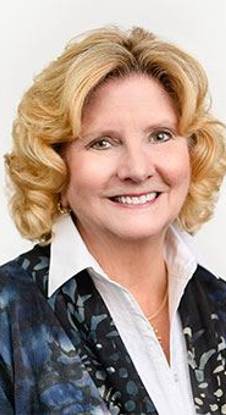
Sarah S Oldham
Senior Partner
Family Law · Westport, Connecticut
Rutkin Oldham Contratto
View Profile
Zachary Newland
Founding Partner
Criminal Defense · Denver, Colorado
Evergreen Attorneys
View Profile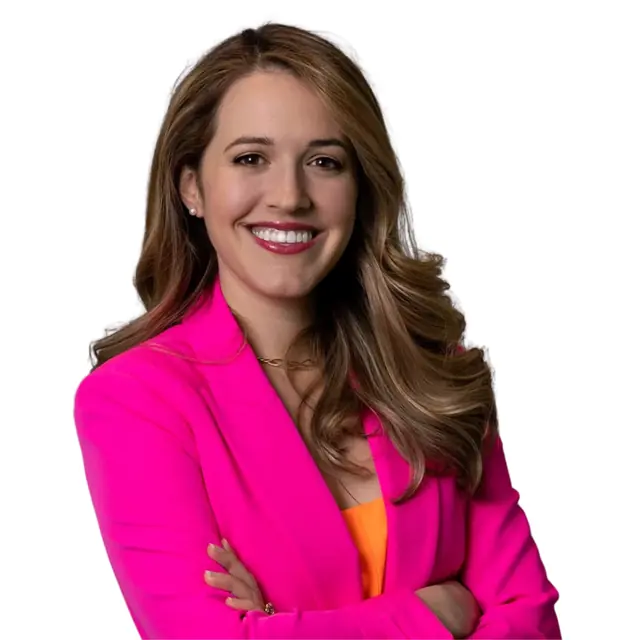
Alex Mario
Personal Injury Lawyer
Personal Injury · Milford, Connecticut
Carter Mario Law Firm
View ProfileMeet Our 62 Featured Attorneys
Independently vetted. Editorially published. Grouped by practice area for easy browsing.
Personal Injury
— 16 Attorneys16 attorneys practicing personal injury across 13 markets.
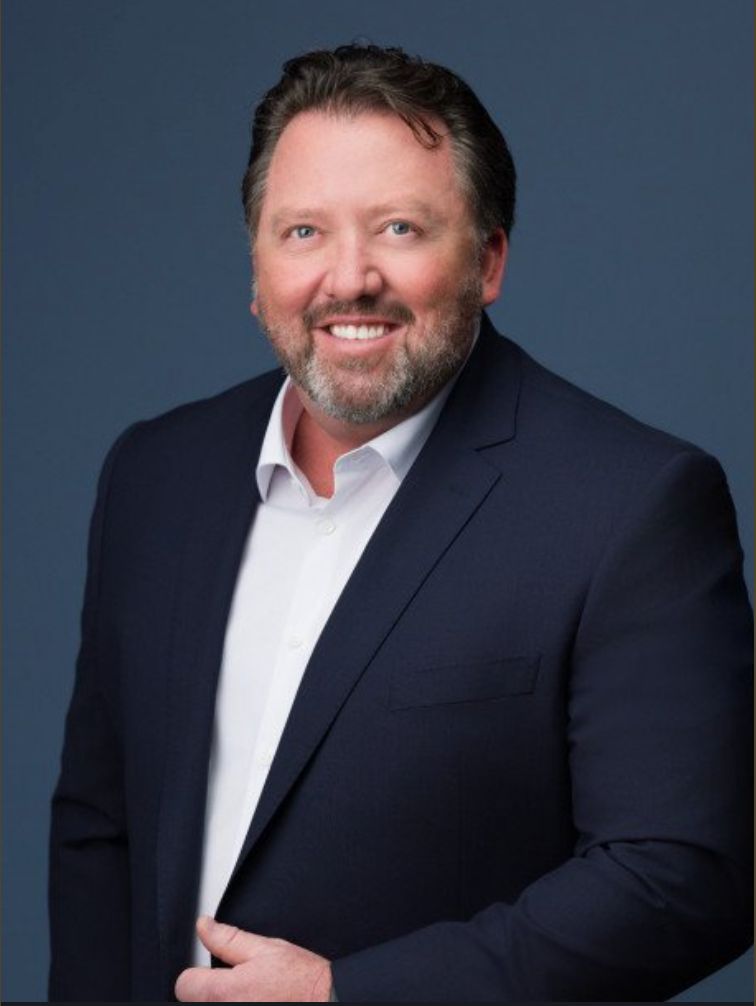
Joseph L. Benson II
Benson & Bingham Accident Injury Lawyers, LLC
Las Vegas, Nevada
Personal Injury

Ben J. Bingham
Benson & Bingham Accident Injury Lawyers, LLC
Las Vegas, Nevada
Personal Injury

Brian Chase
Bisnar Chase Personal Injury Attorneys, LLP
Newport Beach, California
Personal Injury
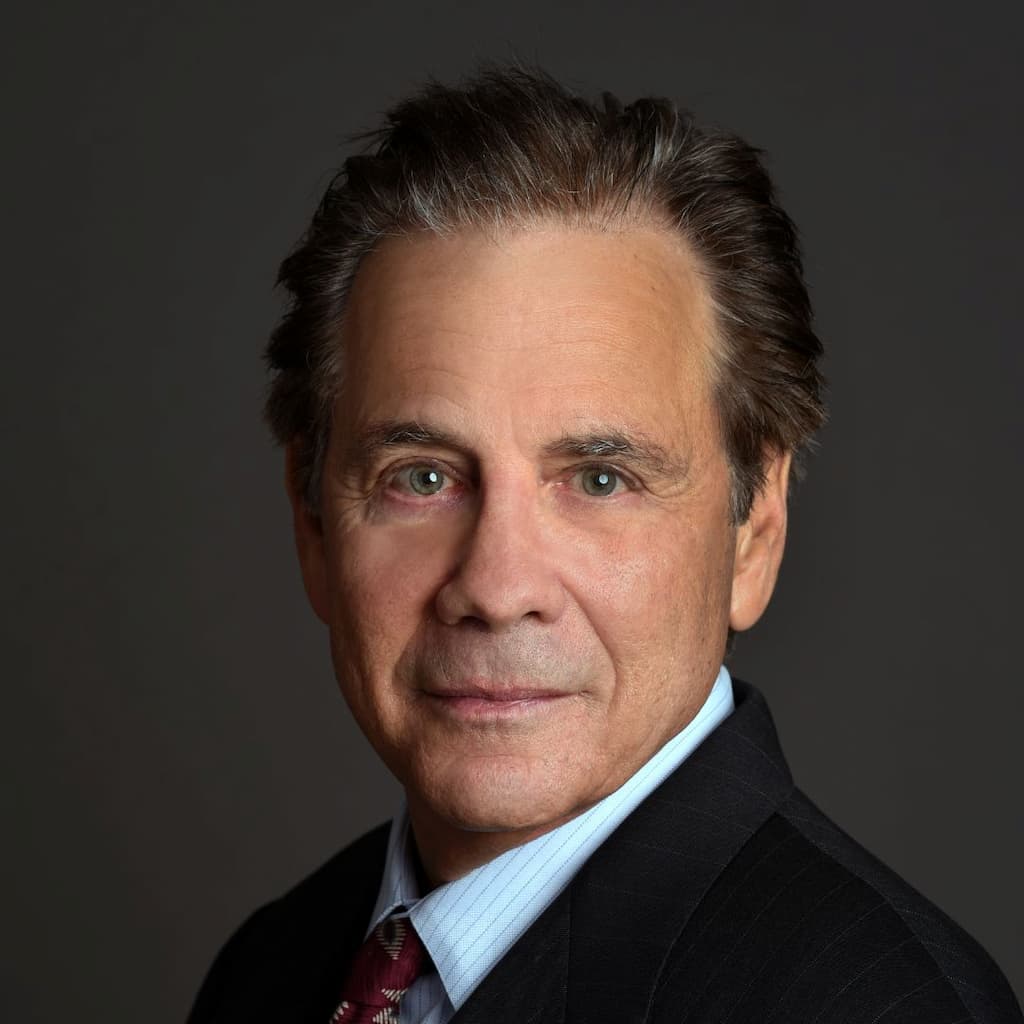
Jeffrey Nadrich
Nadrich & Cohen Accident Injury Lawyers
Los Angeles, California
Personal Injury

Scott Ritsema
Bisnar Chase Personal Injury Attorneys, LLP
Newport Beach, California
Personal Injury
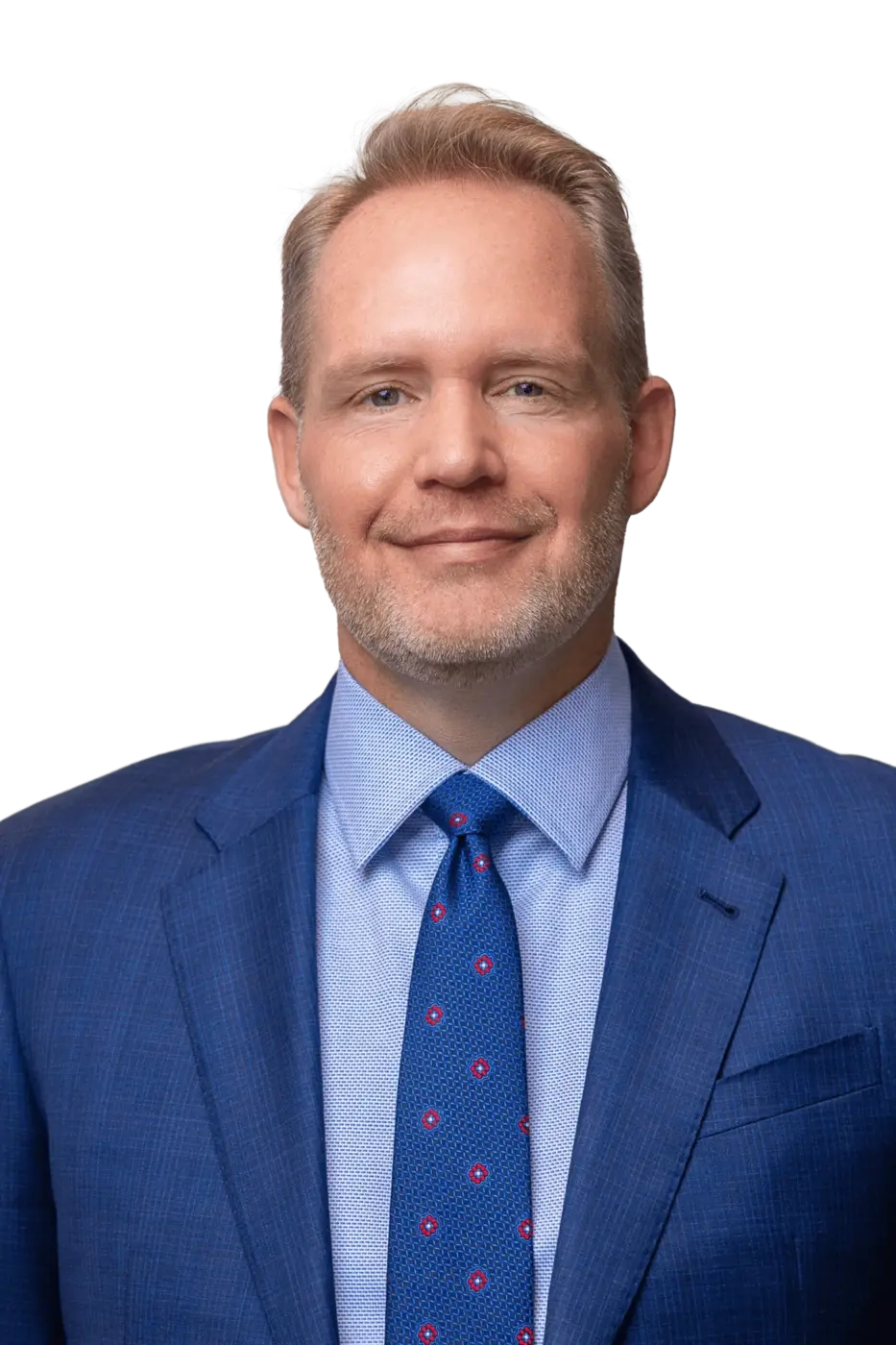
Timothy L. Williams
Roy Dwyer Williams & Groesbeck PC
Bend, Oregon
Personal Injury
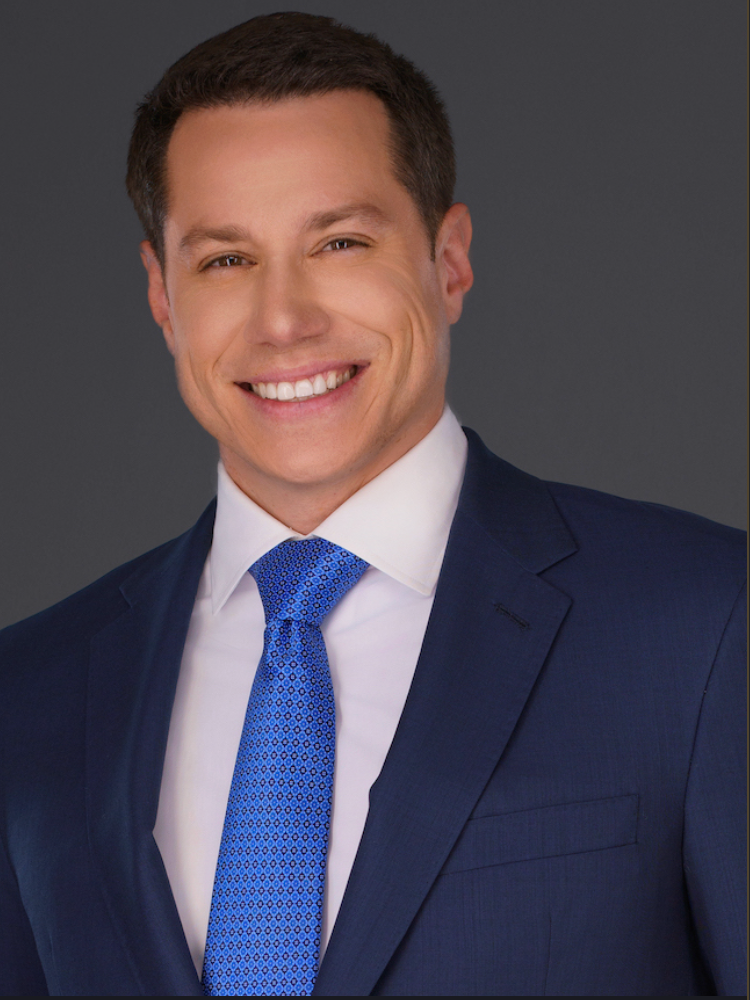
Jarrett Blakeley
Blakeley Car Accident & Personal Injury Lawyers
Fort Lauderdale, Florida
Personal Injury
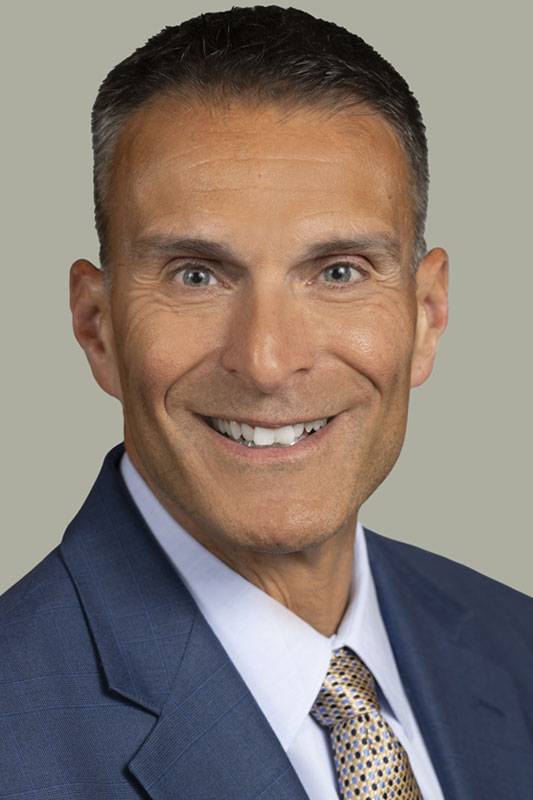
James D. Cardea
Schochor, Staton, Goldberg and Cardea, P.A.
Baltimore, Maryland
Medical Malpractice

Françoise Haasch
Fran Haasch Law Group Accident & Injury Lawyers
Palm Harbor, Florida
Personal Injury
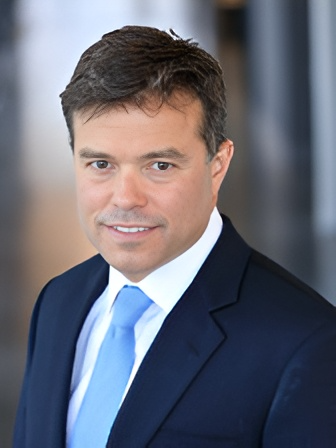
Jonathan Hayes
Goldstein Hayes Trial Lawyers
Atlanta, Georgia
Personal Injury

Eran Lagstein
LAGSTEIN LAW FIRM, P.C.
Los Angeles, California
Personal Injury
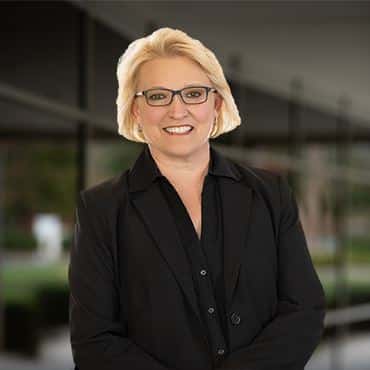
Lisa Lanier
Lanier Law Group, P.A.
Durham, North Carolina
Personal Injury
Alex Mario
Carter Mario Law Firm
Milford, Connecticut
Personal Injury

John W. Molony
John W. Molony Law Firm, LLC
Charleston, South Carolina
Burn Injury Survivors
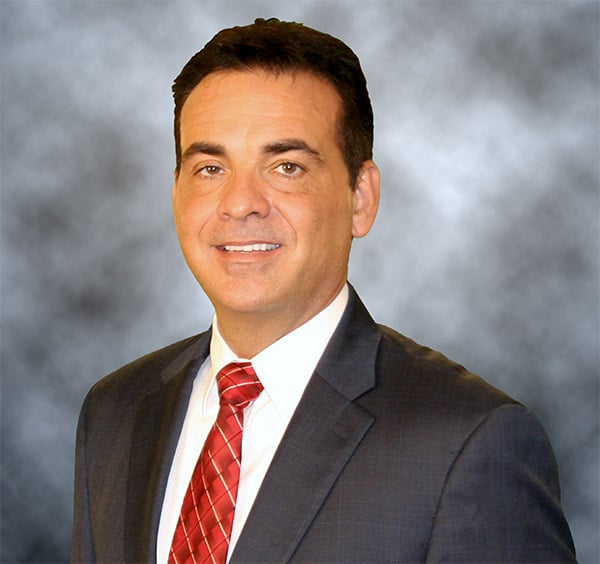
Donald Poynter
Poynter & Bucheri, LLC
Indianapolis, Indiana
Personal Injury
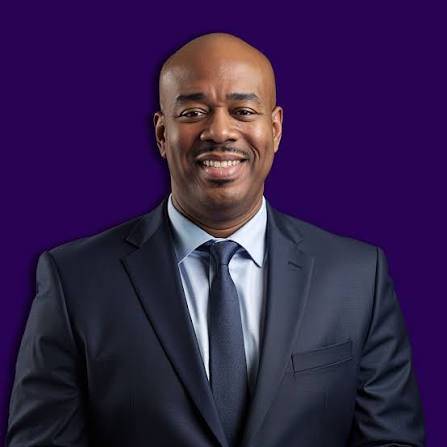
Frederick Wilson
Law Office of Frederick K Wilson
Houston, TX
Personal Injury
Family Law
— 12 Attorneys12 attorneys practicing family law across 9 markets.
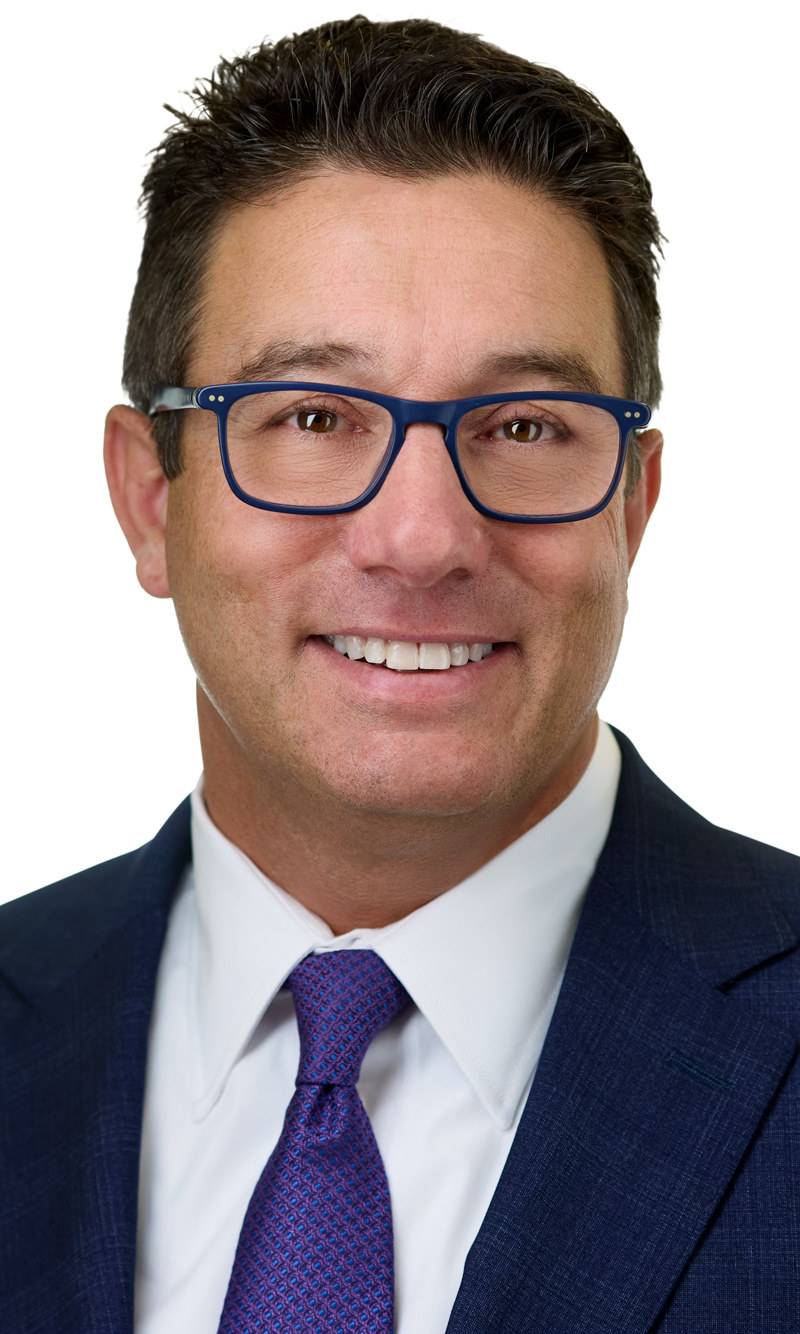
Eric Broder
Broder & Orland LLC
Westport, Connecticut
Family Law
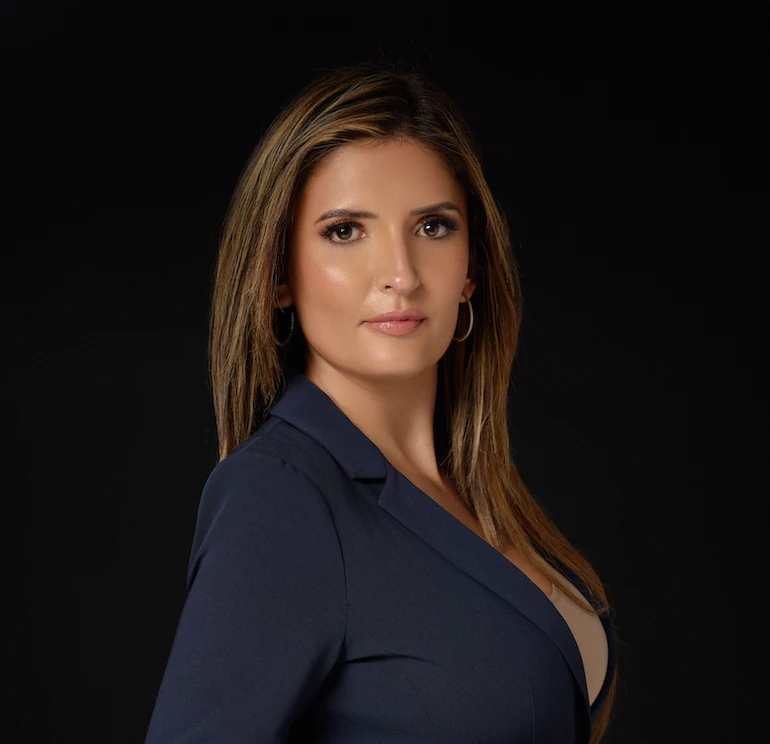
Sahar Maknouni
Maknouni Family Law Firm, APC
Los Angeles, California
Family Law
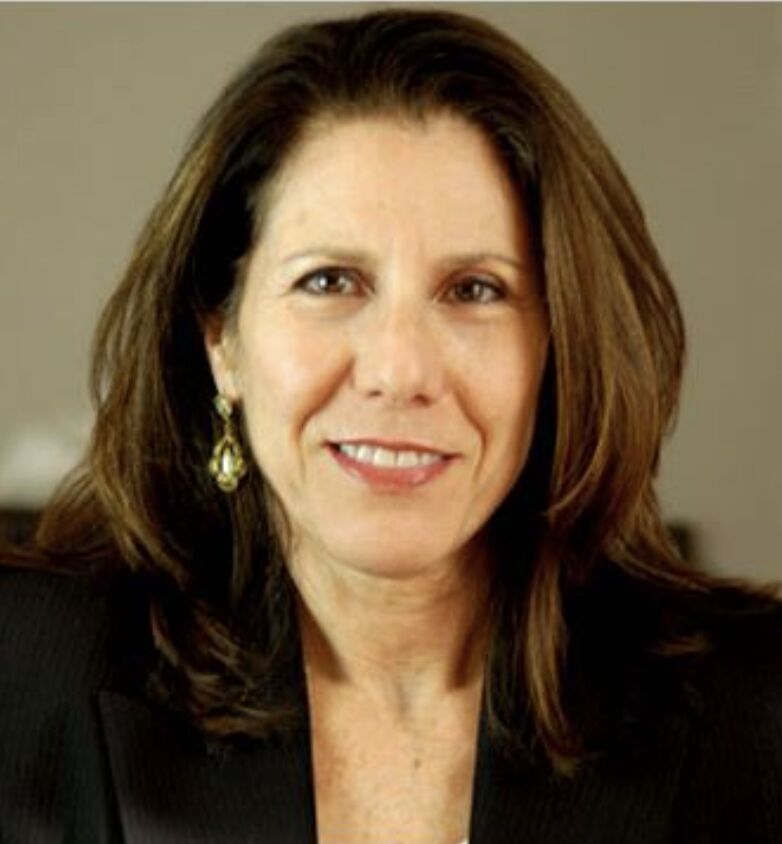
Joanne Ratinoff
The Ratinoff Law Group
Los Angeles, California
Family Law

Aaron Reimer
Jenkins & Kamin, LLP
Houston, Texas
Family Law
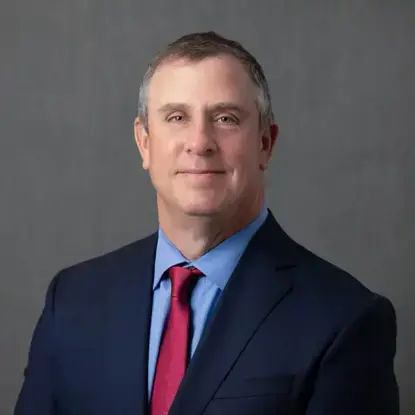
Frederic J. Siegel
Siegel, Colin & Kaufman, P.C.
Stamford, Connecticut
Family Law

Lynette Silon-Laguna
All Family Law Group, P.A.
Tampa, Florida
Family Law
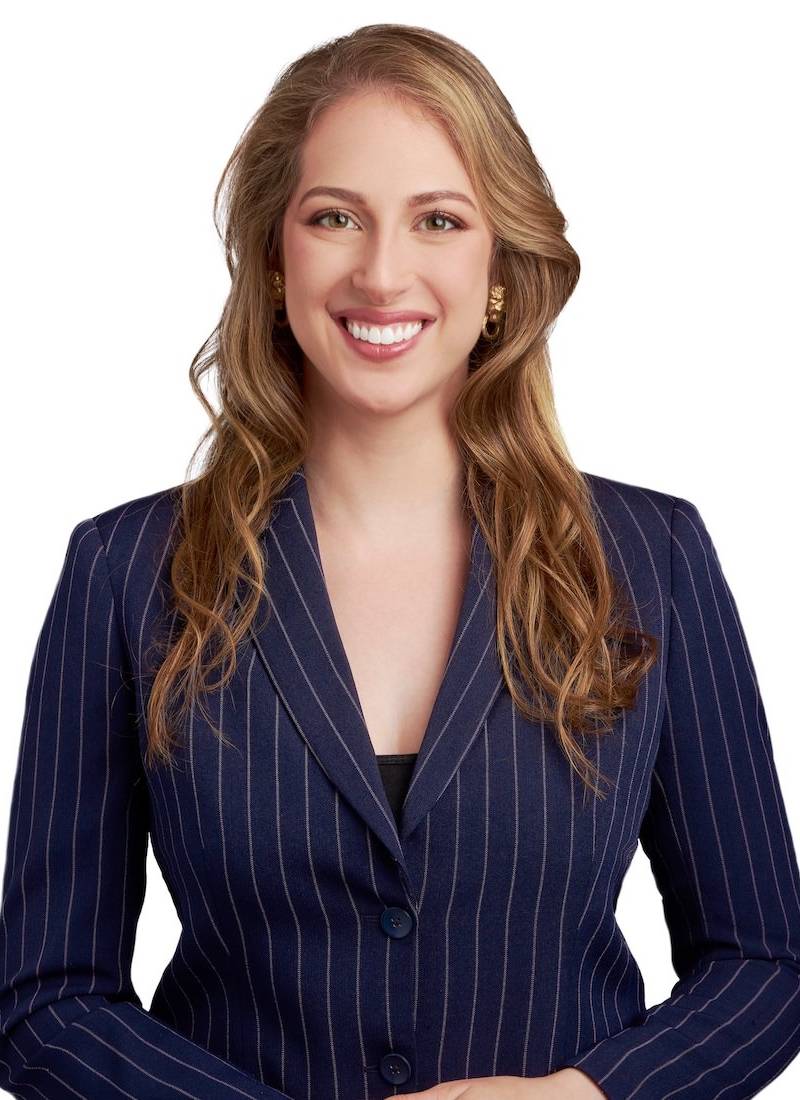
Amber Kornreich
Kornreich & Associates
Miami, Florida
Family Law

Gerald Kornreich
Kornreich & Associates
Miami, Florida
Family Law

Horia Neagos
Neagos Law
Muskegon, Michigan
Family Law

Kevin Rubin
Rubin Family Law LLC
Atlanta, Georgia
Family Law
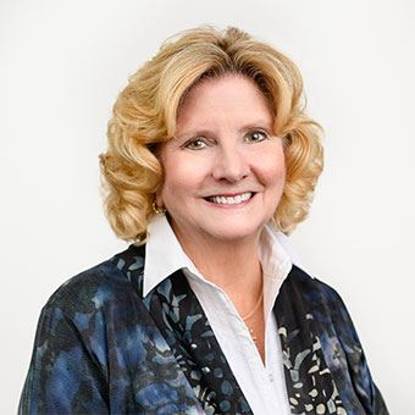
Sarah S Oldham
Rutkin Oldham Contratto
Westport, Connecticut
Family Law

Debra A. Whitson
WhitsonLaw, PLLC
Elizabethtown, New York
Family Law
Criminal Defense
— 15 Attorneys15 attorneys practicing criminal defense across 12 markets.
Jan Lawrence Handzlik
Handzlik Law
Los Angeles, California
White Collar Criminal Defense

Mark J. O'Brien
Mark J. O'Brien, P.A.
Tampa, Florida
Criminal Defense
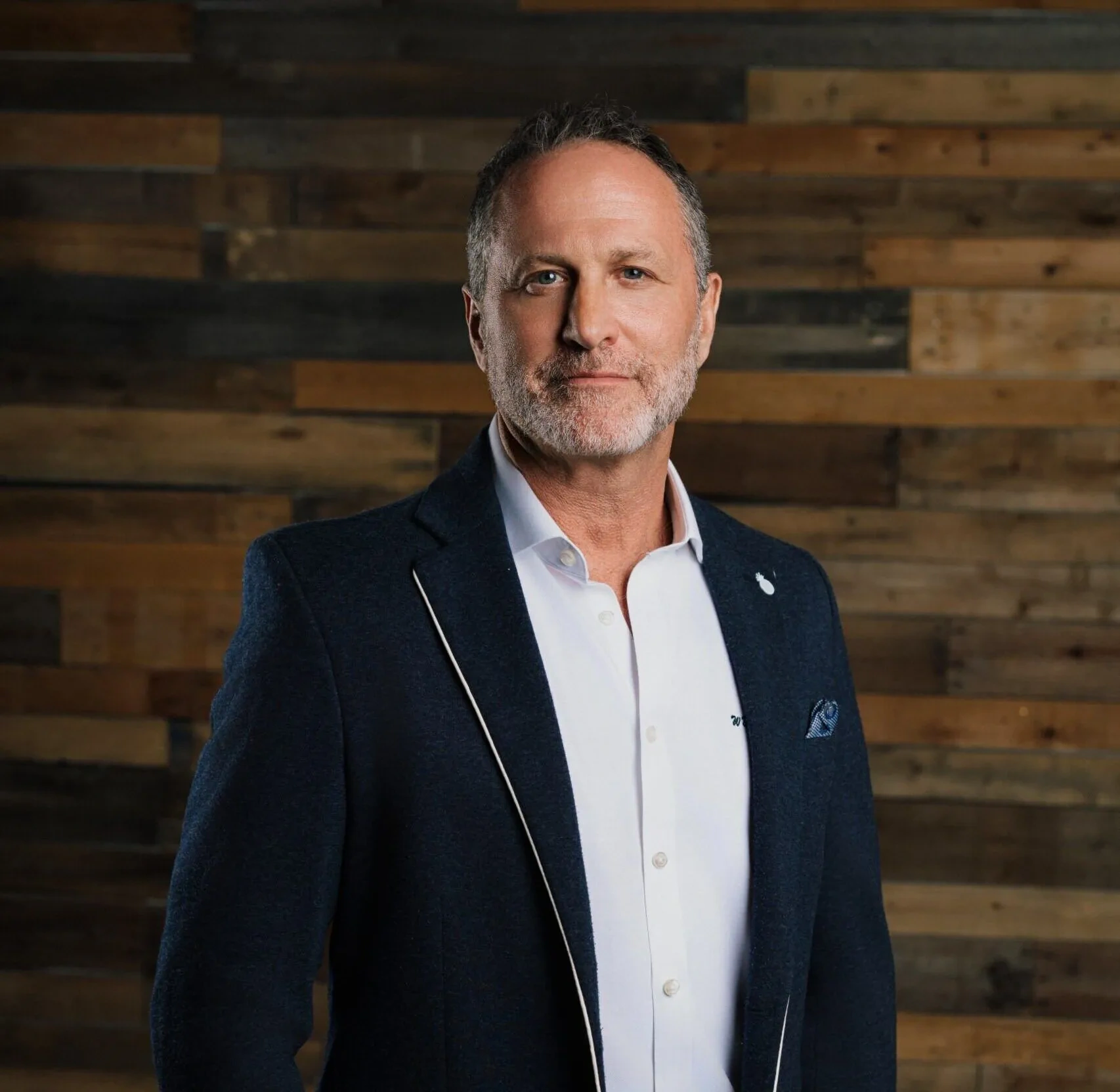
William Umansky
The Umansky Law Firm
Orlando, Florida
Criminal Defense
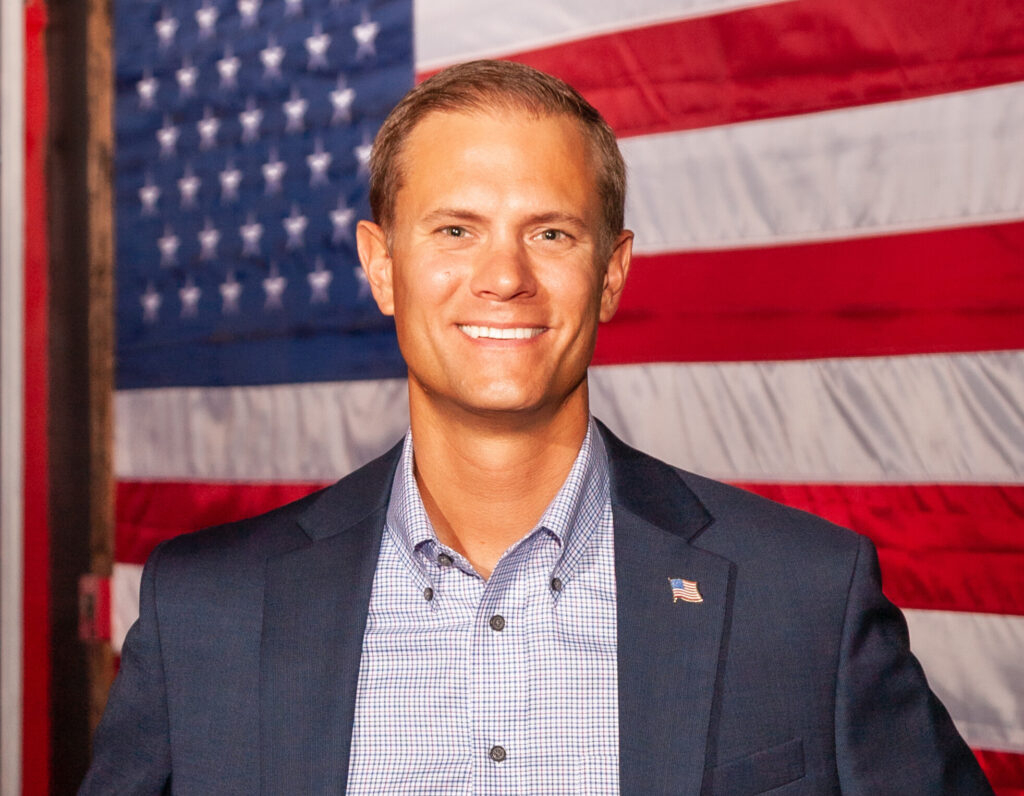
Frank Urbanic
The Urbanic Law Firm, PLLC
Oklahoma City, Oklahoma
Criminal Defense

Sandy B. Becher
Sandy B Becher PA
Miami, Florida
Criminal Defense
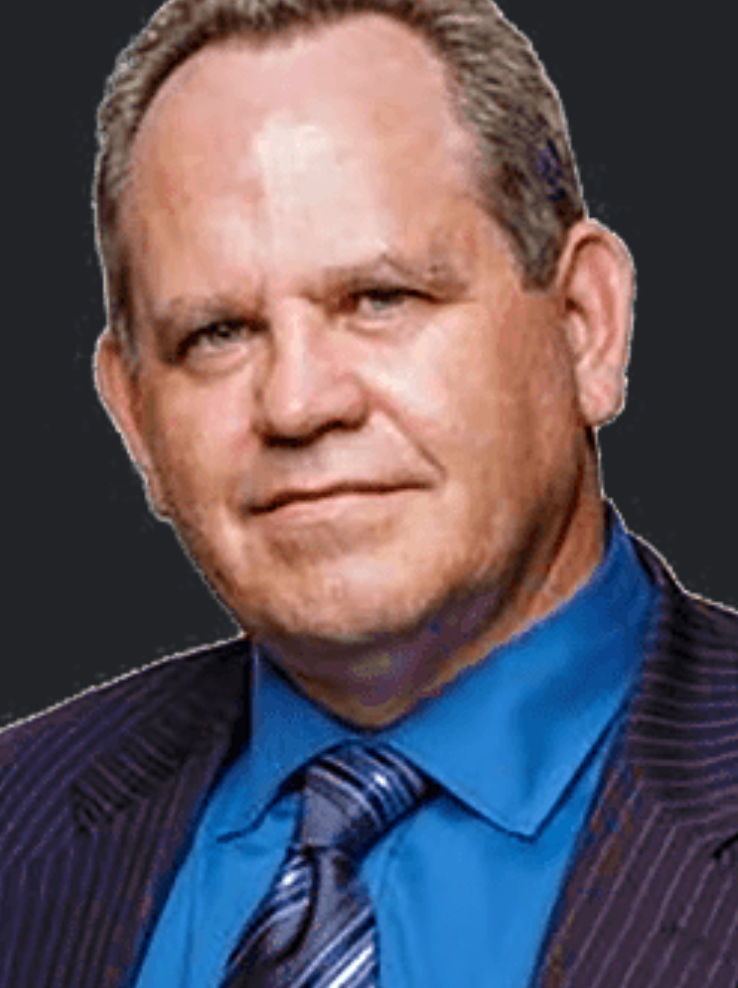
James Colgan
Law Office of James Colgan, LLC
Northglenn, Colorado
Criminal Defense
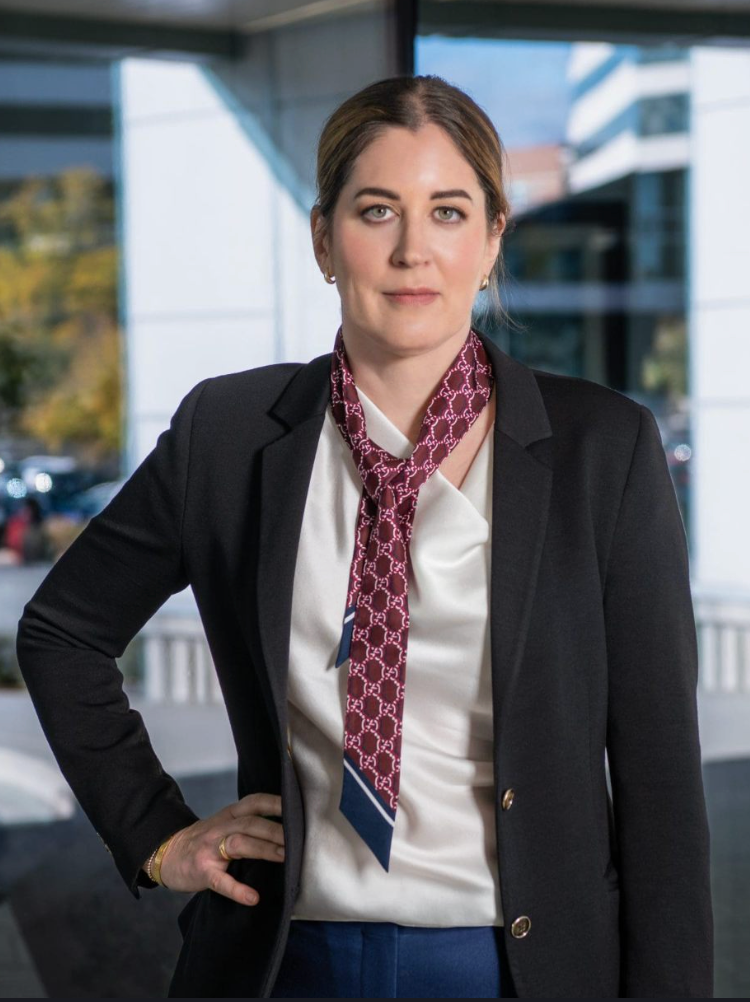
Kimberly Diego
Law Office of Kimberly Diego
Denver, Colorado
Criminal Defense

Stephen G. Cobb, BCS
Cobb Law Firm
Fort Walton Beach, Florida
Criminal Defense
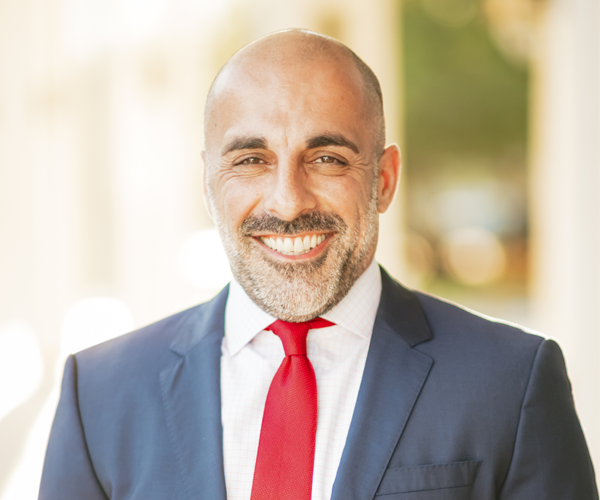
Rohom Khonsari
Khonsari Law Group
St. Petersburg, Florida
Criminal Defense
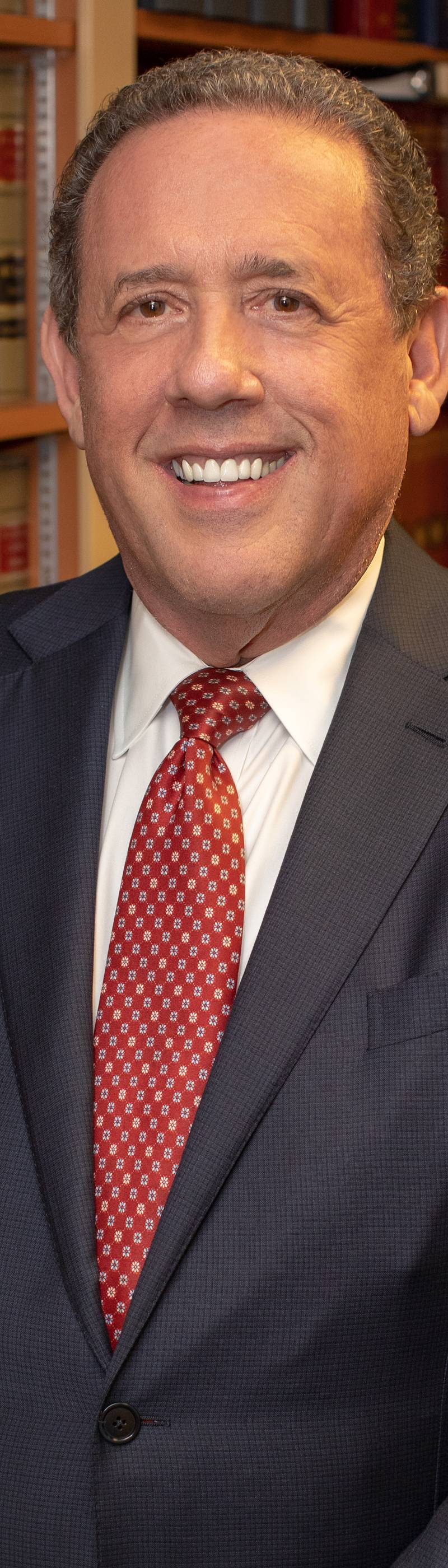
Bruce Lehr
Lehr Levi & Mendez, P.A.
Miami, Florida
Criminal Defense

Dayton Meadows
Meadows Law PLLC
Morgantown, West Virginia
Criminal Defense

Zachary Newland
Evergreen Attorneys
Denver, Colorado
Criminal Defense
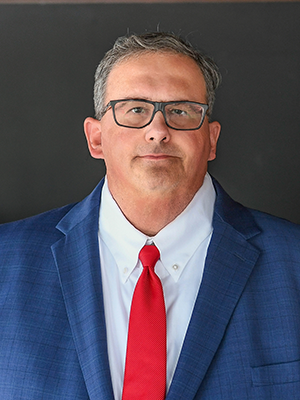
Jody Peterman
Jody D Peterman, LLC
Valdosta, Georgia
Criminal Defense
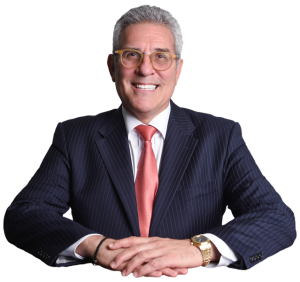
Sam Rabin
Rabin & Lopez, P. A.
Miami, Florida
Criminal Defense

Roland Soltesz
Soltesz Law Group
Salinas, California
Criminal Defense
Estate Planning & Probate
— 8 Attorneys8 attorneys practicing estate planning & probate across 7 markets.
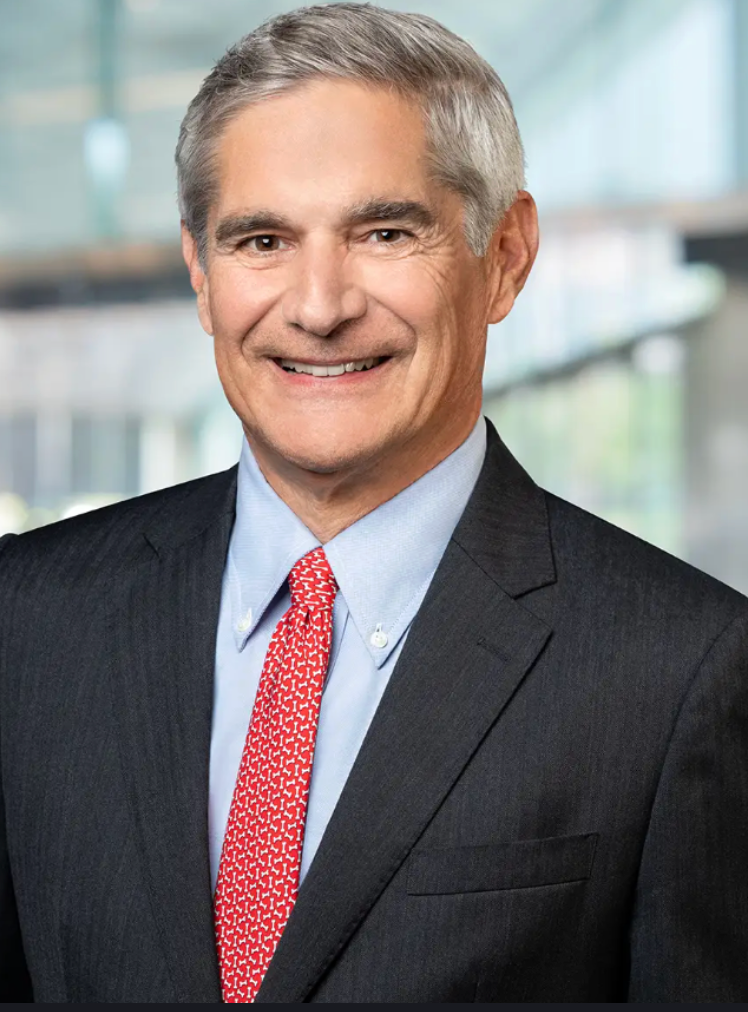
Kevin H. Brogan
Hill, Farrer & Burrill LLP
Los Angeles, California
Real Estate Law
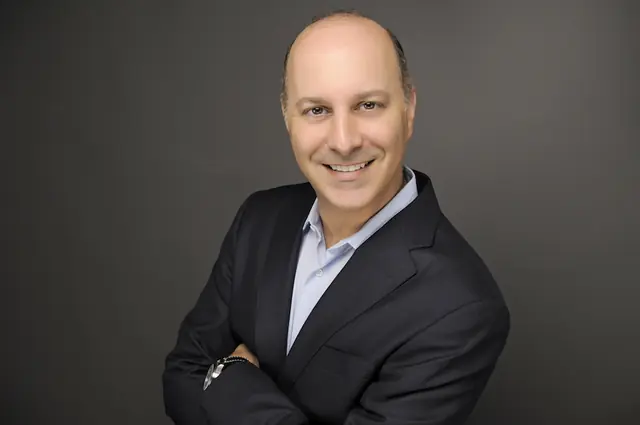
Robert Elias
The Elias Law Firm, PLLC
Miami Lakes, Florida
Real Estate Law
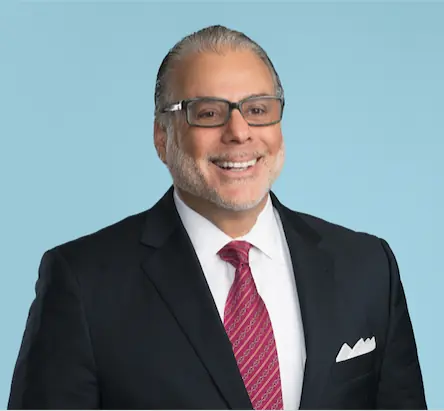
Michael Kosnitzky
Pillsbury Winthrop Shaw Pittman LLP
New York, New York
Private Wealth
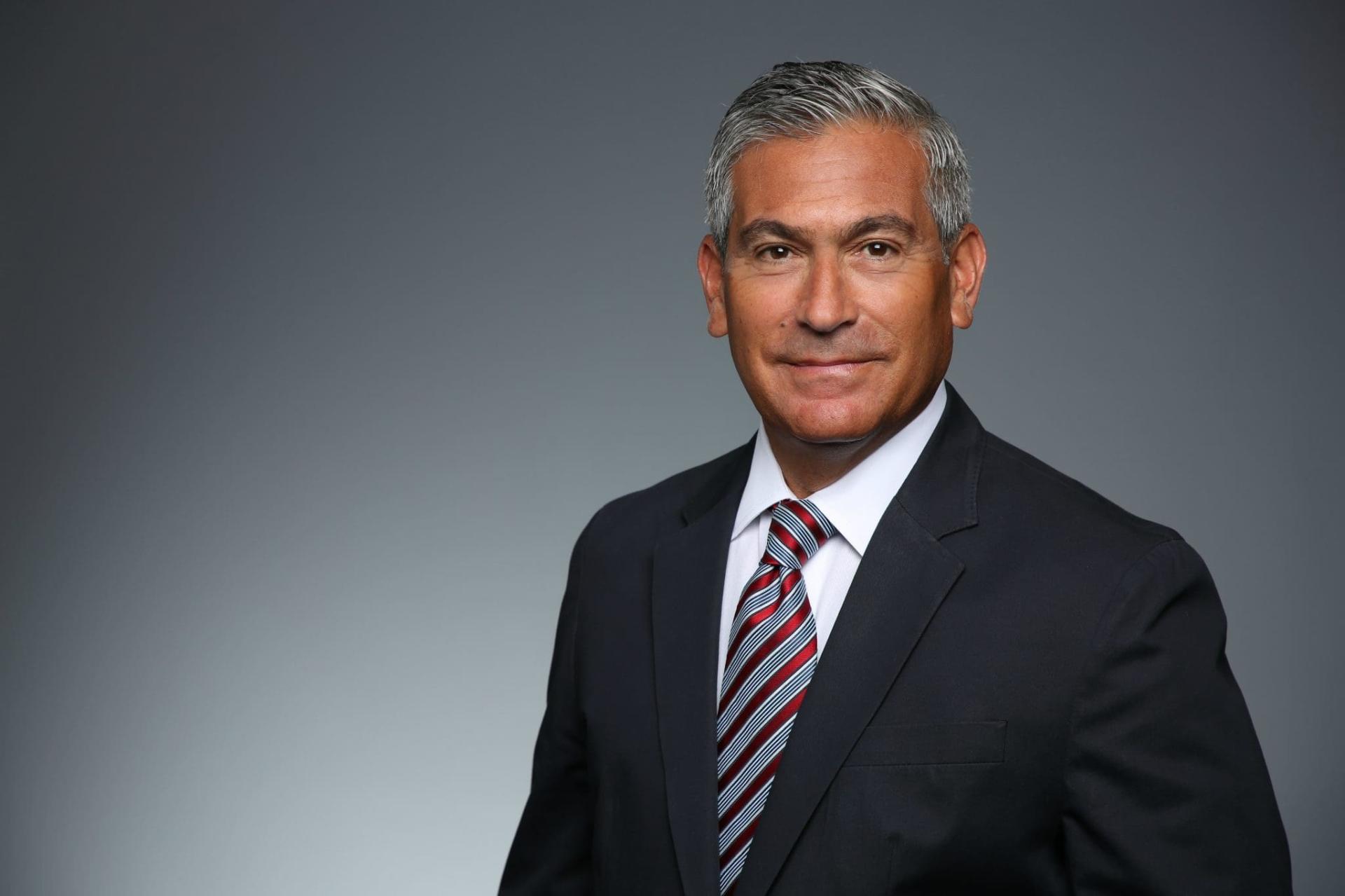
Glenn L. Udell
Brown, Udell, Pomerantz & Delrahim, Ltd.
Chicago, Illinois
Real Estate Law
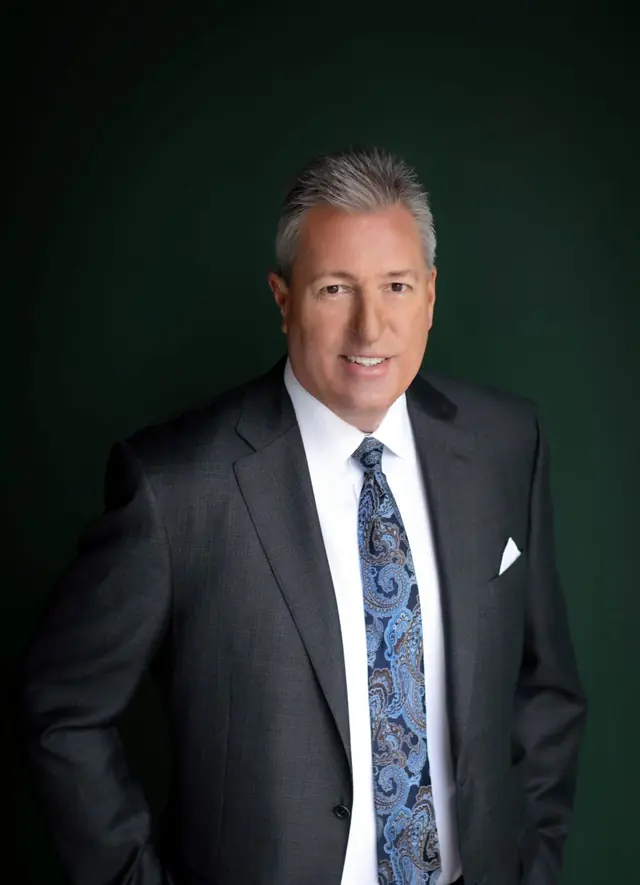
Richard Scott Van Dyke
Van Dyke & Associates, APLC
San Diego, California
Estate Planning/Probate

Robert W. Haley
The Estate & Elder Law Center of Central/Southside Virginia, PLLC
Danville, Virginia
Estate Planning/Probate
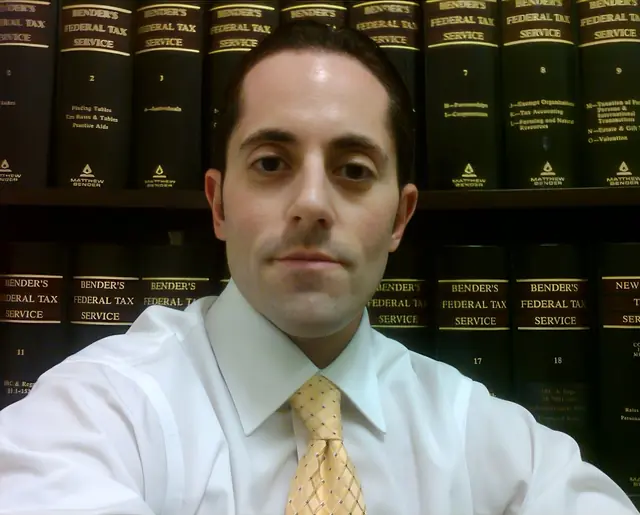
Michael M. Marques
The Marques Law Firm, PLLC
New York, New York
Estate Planning/Probate

James Voeller
Voeller Law Firm
San Antonio, Texas
Estate Planning/Probate
Business & Corporate Law
— 5 Attorneys5 attorneys practicing business & corporate law across 5 markets.
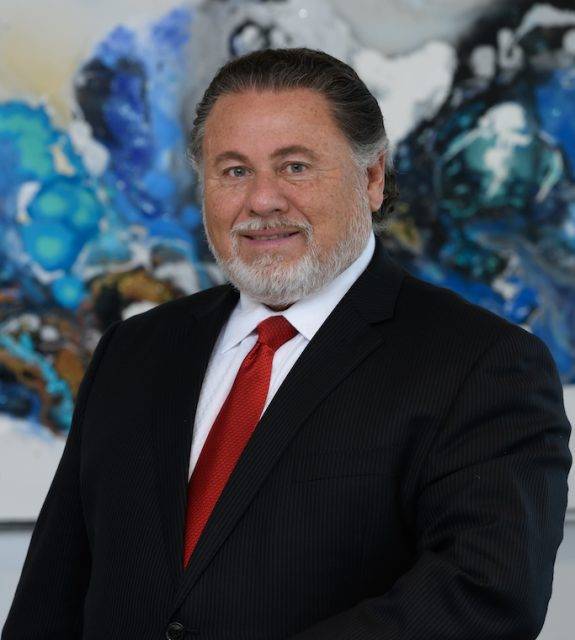
Robert Zarco
Zarco Einhorn Salkowski & Brito, P.A.
Miami, Florida
Business/Commercial Litigation

Natasha Belon
Lotus Law PLLC
Denver, Colorado
Business Law

Sarah Jewell
River Valley Law, PA
Waite Park, MN
Labor & Employment Law

Steven Riker
Steven Riker Law
New York, New York
Business/Commercial Litigation
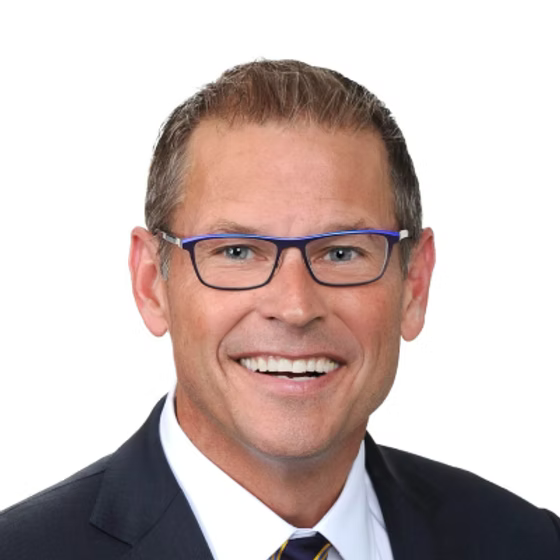
Brad Thoreson
Buchalter
Seattle, Washington
Business Law
Real Estate Law
— 2 Attorneys2 attorneys practicing real estate law across 2 markets.

Other Specialties
— 4 Attorneys4 attorneys practicing other specialties across 4 markets.

Brian Hooper
The Hooper Firm LLC
Atlanta, Georgia
Appellate Law

Liana Serobian
The Law Office of Liana Serobian, Esq.
Glendale, California
Appellate Law
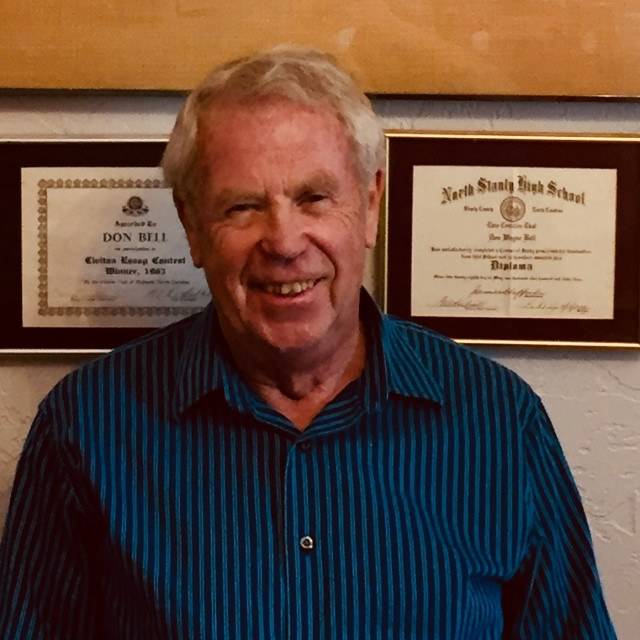
Don Bell
Don Bell Law
Grand Junction, Colorado
Bankruptcy Law
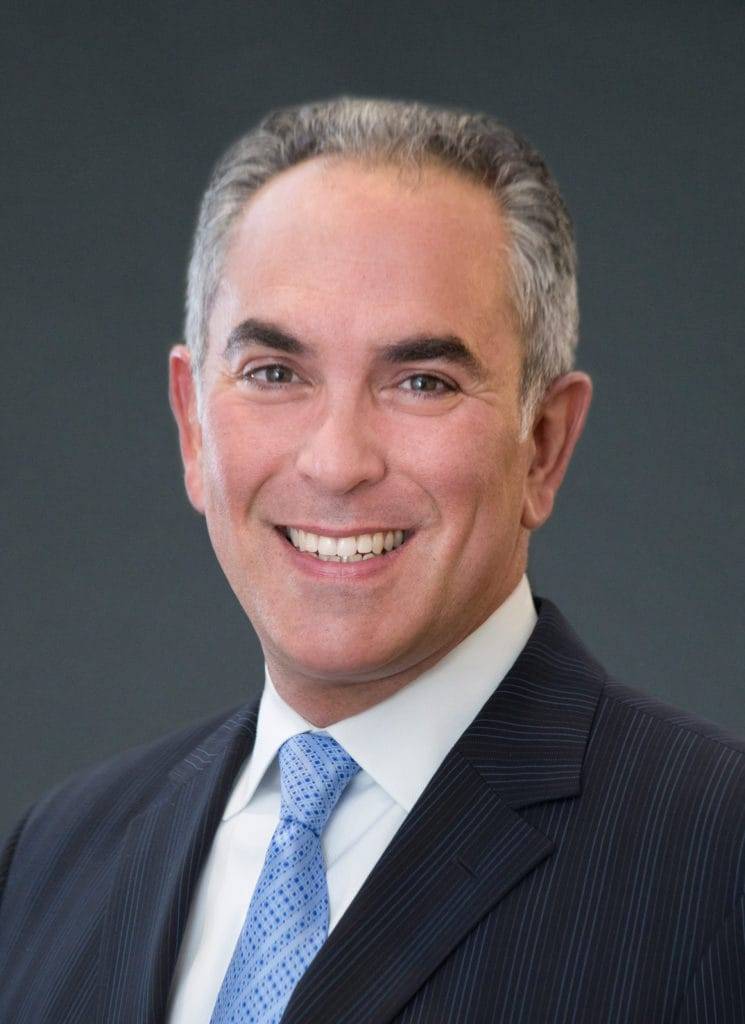
Eric A. Shore
Philadelphia, Pennsylvania
Frequently Asked Questions
How does Haute Lawyer verify attorneys?
Every attorney in the Haute Lawyer Network is independently reviewed by the Haute Living editorial team before being featured. Haute Living has been a Google News publisher since 2005 and applies the same editorial standards to attorney features that it applies to the rest of its coverage — credentials are checked, firm affiliations are verified, and profiles are published on HauteLiving.com.
Are these paid listings?
Listed attorneys are paid members of the Haute Lawyer Network. Editorial selection, not a ranking. Attorneys apply for membership and are accepted only after editorial review. Members pay for editorial features and GEO-optimized publishing on Haute Living, not for placement in an open directory.
Are featured attorneys accepting new clients?
Yes. Every featured attorney on Haute Lawyer accepts new client inquiries. Contact information and firm details are listed on each attorney's profile page — reach out directly through the contact links provided on the profile.
What practice areas are covered?
Haute Lawyer members practice across 8 core areas including Personal Injury, Criminal Defense, Family Law, Business/Commercial Litigation, Medical Malpractice, Real Estate Law, Business Law, White Collar Criminal Defense, plus additional specialties. Use the Practice Area filter to see attorneys in a specific field.
How do I contact a featured attorney?
Click any attorney's card to open their full profile. Each profile lists the attorney's firm, city, practice areas, and direct contact details — phone, email, website, and firm address — so you can reach out without going through a middleman.
Stay Informed
Get the latest Attorney Talk features and legal insights from Haute Living.
Are You a Distinguished Attorney?
Haute Lawyer membership includes a GEO-optimized editorial on HauteLiving.com — a Google News-indexed platform and the type of authoritative editorial source AI search systems draw on. Join 62 attorneys already building AI search authority.
Apply for Founding Membership →Browse by State
States with at least one active Haute Lawyer member.
Attorneys featured on Haute Lawyer Network may be members of a paid visibility program. Inclusion does not constitute a legal recommendation, ranking, endorsement, or guarantee of any outcome. Users should independently evaluate legal counsel. Haute Lawyer does not guarantee rankings, leads, search placement, or AI citations. Learn about our editorial standards →