



Published: July 14, 2025
Author: Christopher Helt Esq
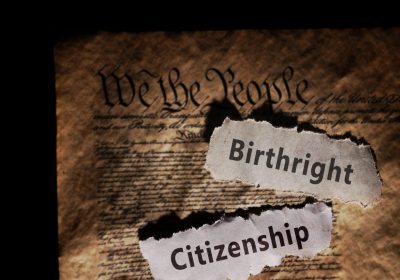
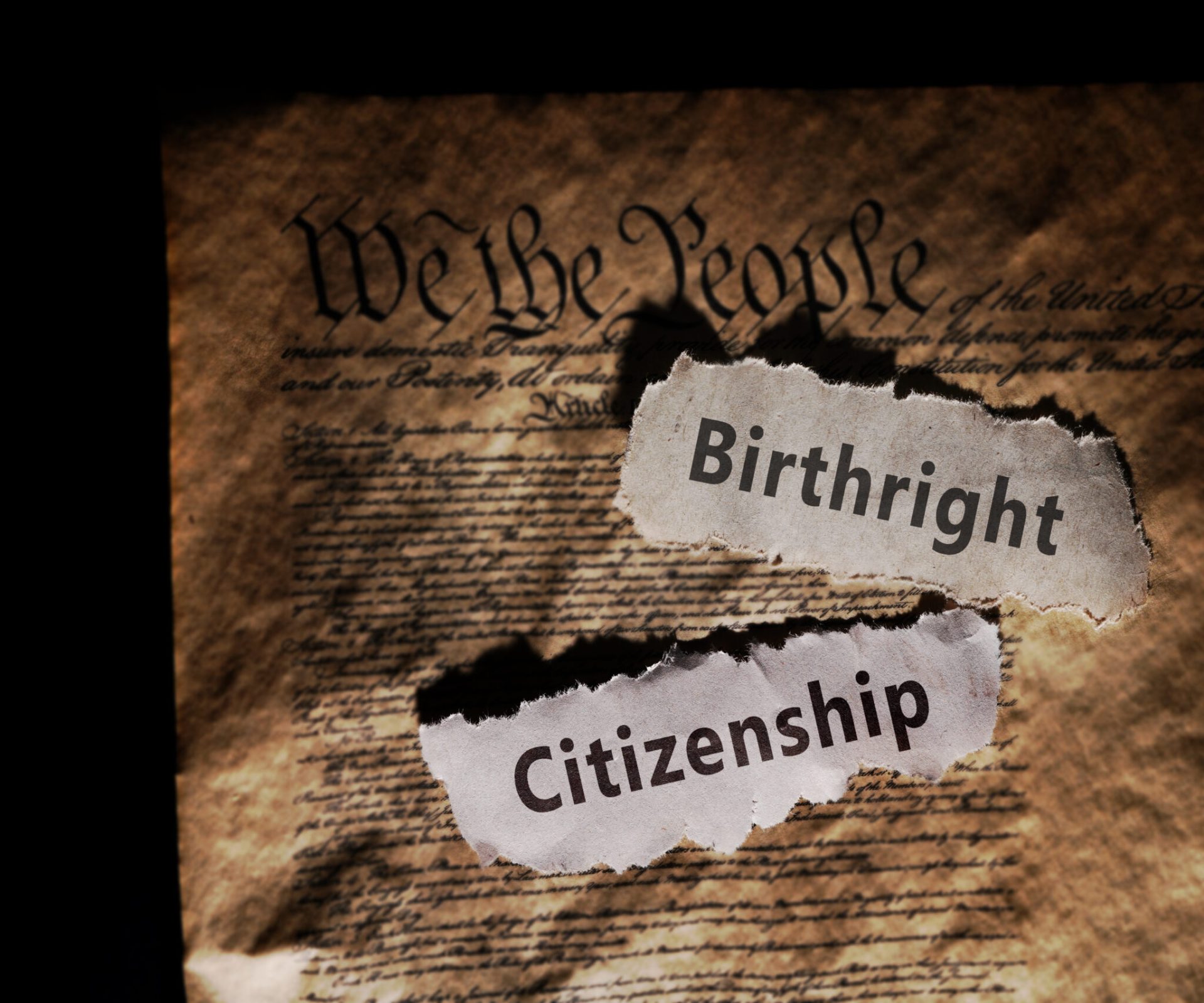
A federal judge in New Hampshire has thrown a major wrench into Donald Trump’s immigration agenda by halting his highly publicized executive order that seeks to end birthright citizenship for children born in the U.S. to noncitizen parents.
What makes this ruling significant? It creates a nationwide block, despite the Supreme Court’s recent move to limit such sweeping court actions. Here’s how the federal judge did this, and what it means going forward.
What just happened?
On July 10, 2025, U.S. District Judge Joseph Laplante granted a preliminary injunction blocking enforcement of Trump’s January 20, 2025 executive order. The ruling protects any baby born after February 20, 2025 from losing citizenship under the new policy.
“The deprivation of U.S. citizenship and an abrupt change of policy that was longstanding… that’s irreparable harm,” Laplante said during the hearing. He called U.S. citizenship “the greatest privilege that exists in the world.”
Laplante followed up with a 38-page written ruling, which you can read here:
Judge Laplante’s Full Order (PDF)
Didn’t the Supreme Court just ban nationwide injunctions?
Yes, but there’s a catch.
In June, the Supreme Court ruled in Trump v. CASA that lower court judges generally cannot issue nationwide injunctions, which block federal policies across the country even for people not involved in the lawsuit.
But the justices left the door open for a nationwide class-action lawsuit.
That’s exactly what happened here.
Laplante certified a class of children nationwide who would be affected by Trump’s order. That let him issue an injunction applying to all U.S.-born babies impacted by the order, not just the few plaintiffs in the case.
This clever legal maneuver complies with the Supreme Court’s ruling while still achieving the same broad protection.
Wait – what is a nationwide injunction?
Let’s break it down:
A nationwide injunction is when a judge issues a ruling that halts a federal policy everywhere, not just for the people who filed the lawsuit. It’s a powerful but controversial tool. Supporters say it protects everyone equally. Critics say it gives too much power to one judge.
In Trump v. CASA, the Court said judges can’t hand out nationwide injunctions like candy. But they can certify a class of plaintiffs and apply relief to that class especially if it’s done the right way under civil procedure rules. That’s what happened in this case.
Who’s protected by this ruling?
The class certified by the judge includes:
- All current and future children born in the U.S. who would lose citizenship under Trump’s order.
Not included: The children’s parents – at least for now. The judge agreed with DOJ concerns that their legal situations vary too much for a unified class. But the key point is that the children are protected from enforcement of the policy.
The White House response
The Trump administration didn’t take the decision lightly. A White House spokesperson called it:
“An obvious and unlawful attempt to circumvent the Supreme Court’s clear order against universal relief.”
They’ve already indicated plans to appeal and do it fast.
What this means going forward
- This is the strongest legal block yet against Trump’s effort to restrict birthright citizenship.
- It sets up a likely Supreme Court battle over the limits of class actions vs. nationwide injunctions.
- It protects children at least temporarily, who would have been born stateless or without full legal rights in the U.S.
Whether Judge Laplante’s ruling holds up on appeal could reshape how major federal policies are challenged in court.
Here’s the takeaway
Judge Laplante found a legally sound way to block Trump’s executive order nationwide not through a traditional injunction, but by certifying a class of affected newborns.
It’s the latest twist in the legal fight over one of the most fundamental questions in U.S. law: Who gets to be a citizen?