






Intel and Micron are both being sued by the liquidation trust of the late Stanford Ovshinsky’s bankrupt company Energy Conversion Devices (EDC).
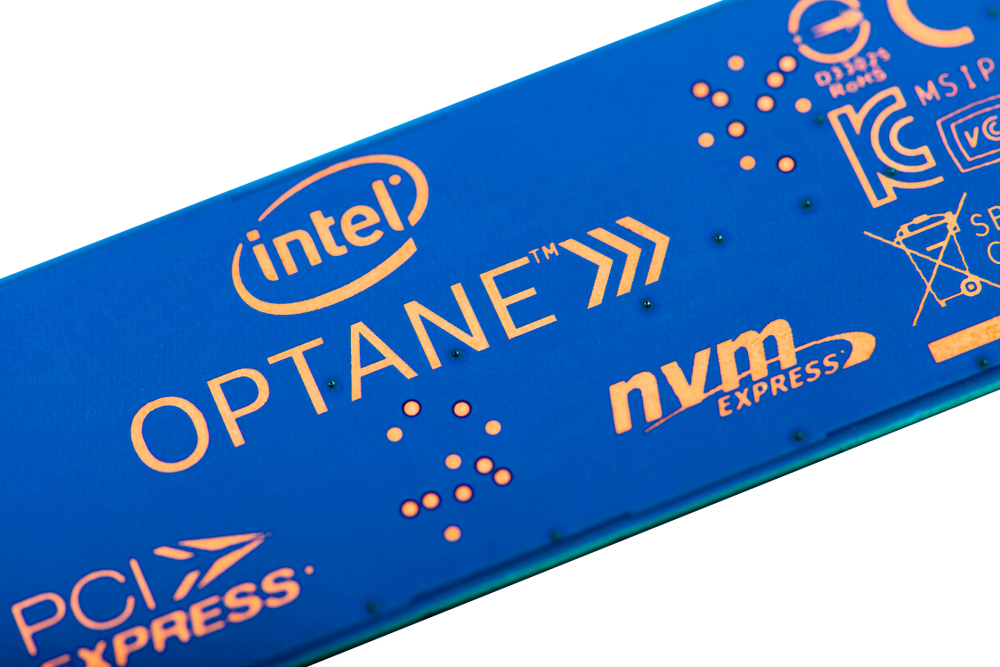 Photo Credit: www.shutterstock.com
The trust is claiming past-due royalties for the 3D XPoint innovation that Ovshinsky created, as well as rights of first refusal on Ovonyx stock. Ovshinsky and Tyler Lowrey, former CTO at Micron, had created Ovonyx in 1998 to commercialize 3D XPoint.
Ovshinsky died in 2012 not long after EDC had declared for bankruptcy.
EDC would have been entitled to 0.5% of the revenue generated by Ovonyx, under an agreement where the latter (at the time referred to as a “to-be-formed entity”) would acquire a license from EDC to “valuable intellectual property”. The revenue was over $58 million from June 1999 to May 2012.
Intel uses 3D XPoint technology for its Optane memory. Intel and Micron announced the start of the use of 3D XPoint together in mid-2015. Optane was introduced to the market in 2017. By late 2018, the two companies had ended the partnership, and Micron bought Intel’s shares in 3D XPoint. Micron debuted the X100 SSD (Solid State Drive) in October of 2019.
Intel brought Optane to the consumer market in 2017, but by late 2018 Intel and Micron had parted ways. Micron bought Intel’s stake in 3D XPoint and released its X100 SSD in October 2019, earning praise for its performance.
When EDC went bankrupt, Micron got the rights to 3D XPoint, and bought the Ovonyx stock that EDC held. In 2000, Intel bought preferred rights to the stock. In the lawsuit, EDC claims to not have forfeited the rights to the percentage of revenue earned. It also refutes having forfeited “rights of first refusal relating to Lowrey’s stock in Ovonyx and assets of Ovonyx.”
References: WCCFTech, PC Gamer

Legal News
January 22, 2020Ruling On Apple Lawsuit Against Nuvia Founder Will Affect