
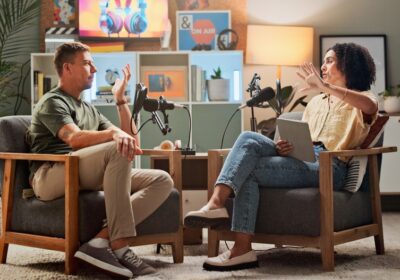




 Photo Credit: MIRROR Studio/Shutterstock
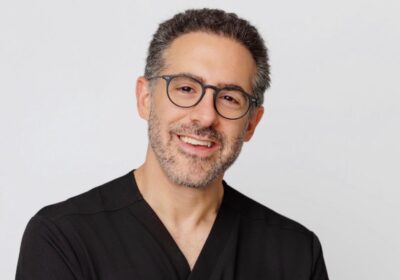
Lacey Foster, Morvarid Mehdizadeh, Samuel Lin, MD, FACS
In recent years, younger generations have dramatically shifted the narrative around cosmetic procedures. Once stigmatized as indulgent or superficial, aesthetic enhancements are now widely embraced by Millennials and Gen Z as tools for self-care, self-expression, and confidence-building.
A combination of social media, technological advancements, and shifting cultural norms has played a central role in this transformation. Platforms such as Instagram, TikTok, and Snapchat have not only normalized but glamorized aesthetic enhancements. Influencers and celebrities openly sharing their experiences with Botox, fillers, and even surgical procedures have created transparency that didn’t exist before. Additionally, minimally invasive procedures with little downtime are now widely available and more affordable than in the past. Millennials and Gen Z see cosmetic work as routine self-care or maintenance, akin to getting facials or fitness training.
Statistics reflect this cultural shift. According to the American Society of Plastic Surgeons, over 70% of surgeons report seeing an increase in patients under 30 requesting aesthetic procedures in recent years.1 Likewise, the 2023 Survey by the American Association of Facial Plastic and Reconstructive Surgery (AAFPRS) found that 75% of facial plastic surgeons saw an increase in patients under 30 seeking preventative treatments like Botox and fillers, a trend driven largely by social media and video-based platforms.2
Two decades ago, cosmetic procedures were often associated with vanity, secrecy, or wealth—something to be hidden or denied. Today, that stigma has eroded due to increased openness, media representation, and an evolving definition of beauty that emphasizes empowerment and choice. Shows like Botched, YouTube vloggers documenting their “glow-up” journeys, and TikTok’s #plasticsurgery trend have all helped demystify the process.
Younger generations also value authenticity, but that doesn’t mean "natural" has to mean untouched. Instead, many view procedures as a form of personal enhancement. The AAFPRS 2023 Annual Survey reported that social media remains the top reason people seek cosmetic enhancements, particularly younger patients who are frequently exposed to highly curated online appearances.2 Moreover, a 2023 YouGov survey found that 35% of women aged 18–39 would consider a cosmetic procedure, compared to only 20% of women over 40, reflecting how generational values differ when it comes to body autonomy and self-expression.3
This cultural shift is not inherently good or bad—it is nuanced. On one hand, the reduced stigma surrounding cosmetic enhancements marks a positive move toward body autonomy. Procedures can meaningfully improve quality of life, boost confidence, and help people feel more aligned with their internal sense of self. On the other hand, there is concern about the pressure to meet unrealistic or ever-changing beauty standards. With filters and enhancements becoming the norm, younger individuals may struggle with distorted body image or develop insecurities about natural aging or appearance. The rise of preventative Botox and possible teenage consultations for fillers suggests a growing normalization that may warrant a pause. Ultimately, the emphasis should be placed on education, informed decision-making, and professional guidance with parental consent and support. Ultimately, the key is education, informed consent, and encouraging individuals, especially young ones, to explore these choices thoughtfully, with licensed professionals and clear motivations. With transparency, realistic expectations, and support from licensed providers, these decisions for procedures can be tools for empowerment rather than sources of pressure.
References:
- American Society of Plastic Surgeons. (2022). Plastic Surgery Statistics Report. https://www.plasticsurgery.org
- YouGov. (2023). How attitudes toward cosmetic procedures differ by age and gender. https://yougov.com
- American Academy of Facial Plastic and Reconstructive Surgery. (2024). AAFPRS 2023 Annual Survey Highlights Top Aesthetic Trends. https://www.aafprs.org
For more information, visit Dr. Samuel Lin's social media: