





Undergoing plastic surgery is a decisive step toward reclaiming confidence and enhancing your natural beauty. However, what happens after you leave the operating room is just as important as what happens inside it.
As a plastic surgeon, my role doesn’t end when the final suture is placed. Long-lasting, beautiful results require a thoughtful, strategic approach to healing.
I believe in comprehensive post-surgical care as part of my treatment plan. Why? Because optimal healing doesn’t just happen — it’s guided, monitored, and supported.
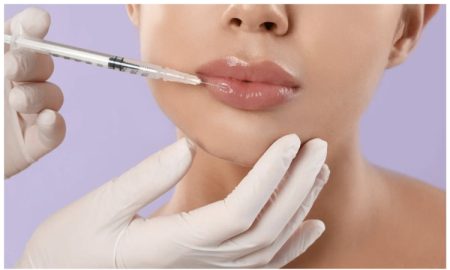
 Photo Credit: Adobe Stock
Recovery is a Process, Not a Pause
The first thing I tell my patients is that recovery isn’t a passive phase — it’s an active part of your transformation. Swelling, bruising, and tenderness are expected in the early days, but how your body responds to surgery is deeply influenced by how well you care for it afterward.
Simple things like keeping your head elevated after facial surgery, wearing compression garments after body contouring, and limiting movement during the initial healing window can significantly impact your results. These instructions aren’t just suggestions but are a crucial part of the surgical process.
Follow the Plan, Not the Calendar
Every patient heals differently. Some may feel ready to return to daily routines within a week, while others need more time. That’s why I always tell patients to follow their body and post-op instructions, not the calendar.
For example, facelifts and eyelid surgeries may require more delicate care around incision sites and extended rest periods to minimize swelling and avoid fluid buildup. Body procedures like thigh lifts or tummy tucks come with movement restrictions that, if ignored, can compromise your results.
Patience is part of the process. The goal is to protect the investment you’ve made in yourself.
Nutrition, Sleep, Hydration: The Healing Trifecta
Plastic surgery is a physical stressor, even when performed by the most skilled hands. Supporting your immune system through proper nutrition, restful sleep, and adequate hydration is key.
I often remind patients that vitamins A, C, and zinc play a role in tissue repair, while high-protein foods help build and regenerate cells. Similarly, avoiding alcohol and tobacco is as critical for short-term healing as it is for improving long-term health.
Restorative sleep allows your body to focus on recovery, while hydration helps reduce swelling and flush out toxins. These may seem like minor details, but together, they create an internal environment where healing can thrive.
Scar Care is Self-Care
Scarring is part of surgery, but its appearance can be minimized with proper care. Incisions are placed as discreetly as possible, often hidden along natural creases or within the hairline, but consistent care helps ensure they remain subtle over time.
I educate my patients on when and how to begin gentle scar treatments, whether through silicone sheets, massage, or prescription-grade creams. Sun protection is also non-negotiable, as UV rays can darken healing incisions and make scars more visible.
Long-Term Maintenance Matters
Post-surgical care doesn’t end after a few weeks. Long-term results depend on lifestyle choices, regular follow-up visits, and a commitment to maintaining health. I encourage patients to keep up with skincare, body treatments, and strength-building routines that support their outcomes.
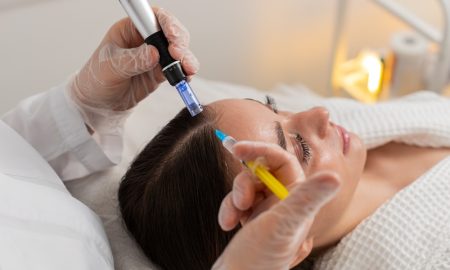
For body contouring patients, maintaining a stable weight is crucial. While fat cells removed during liposuction or tummy tucks won’t return, the remaining cells can still expand with weight gain. For facial rejuvenation, staying consistent with sun protection and non-invasive treatments like microneedling or laser resurfacing can help extend your results.
A Partnership in Your Transformation
Surgery may be the spark, but aftercare is the fuel. As a surgeon, my job isn’t just to sculpt and lift but also to guide you through recovery with clarity and care. Together, we create a plan tailored to your anatomy, lifestyle, and goals so you feel supported every step of the way.
At the end of the day, plastic surgery is a partnership. My team and I are here not only to perform the procedure but also to ensure your results continue to reflect the effort, courage, and investment you’ve made in yourself.
When you commit to healing with the same intention you brought into the consultation room, your results won’t just last. They’ll evolve with you.
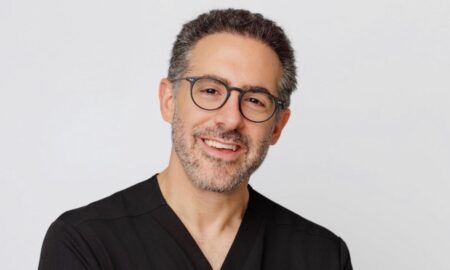
– As a graduate of one of the top Medical Schools in the world, the University of Cambridge, Dr. Agha was selected into the highly exceptional physician scientist program (integrated MD / PhD) on a scholarship funded by The Wellcome Trust. During this time, Dr. Agha’s research in Gene Therapy resulted in 2 international patents that were filed by Cambridge University. Dr. Agha then completed 7 years of residency in Plastic and Reconstructive Surgery at the University of Pittsburgh Medical Center, one of the most respected and comprehensive Plastic Surgery training programs in the United States. Dr. Agha has spent the last 15+ years perfecting the art of aesthetic facial surgery, breast reshaping, and body contouring. During this time, he has pioneered new techniques in the field of plastic surgery, such as his signature three-dimensional facelift, high-definition tummy tuck, high-definition mommy makeover, spiral thigh lift, dermal bra-suspension breast lift, and high-definition Brazilian butt lift.
For more information, visit Dr. Siamak Agha MD, PhD, FACS's social media: