







 Photo Credit: Shutterstock
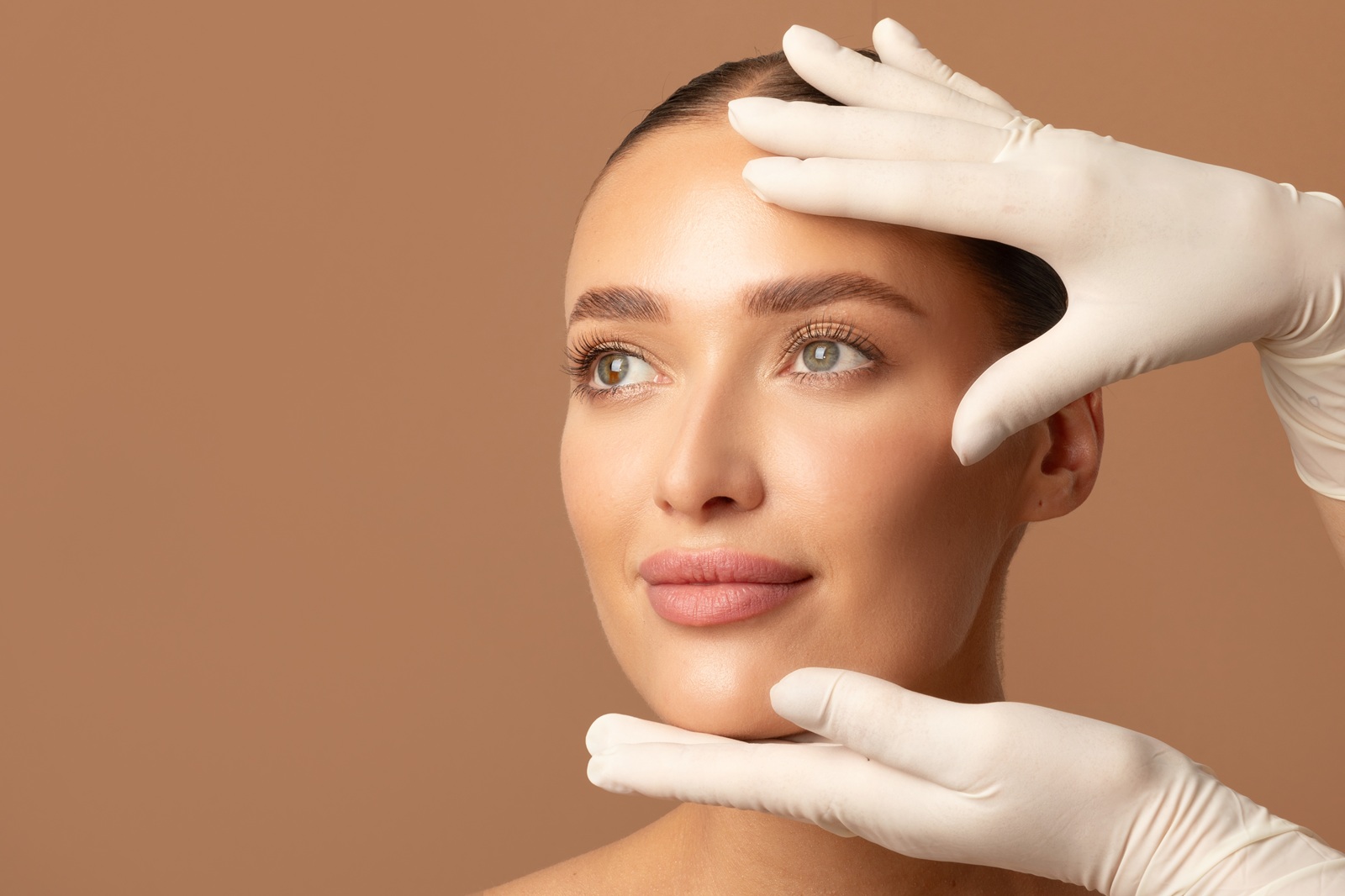
Cosmetic surgery in 2026 is no longer about dramatic reinvention. Instead, it reflects a refined, strategic mindset where patients seek enhancements that look effortless and undetectable. The industry is embracing a philosophy centered on preservation rather than transformation, where the goal is to enhance natural structure instead of altering identity.
This shift is largely driven by a more informed patient base. People are researching procedures deeply, asking smarter questions, and prioritizing long-term outcomes over quick fixes. The result is a growing demand for treatments that maintain facial harmony while subtly improving proportions, skin quality, and overall balance.
Surgeons are responding with techniques that work with anatomy rather than against it. Instead of pulling or overfilling, procedures now focus on repositioning tissue, restoring volume in precise areas, and preserving movement. This has led to the rise of “invisible surgery,” where results are noticeable but never obvious.
The cultural shift also plays a role. Social media may have once encouraged exaggerated features, but today’s aesthetic leans toward authenticity. Patients want to look refreshed, not “done.” This evolving mindset is shaping every category of cosmetic surgery, from facial procedures to body contouring.
Weekend Procedures and the Rise of Minimal Downtime
Modern lifestyles demand convenience, and cosmetic surgery is adapting quickly. One of the most talked-about developments within cosmetic surgery trends 2026 is the rise of “weekend procedures.” These treatments are designed to fit into tight schedules, allowing patients to return to normal life within days rather than weeks.
Advancements in surgical technology have made this possible. Techniques such as micro-dissection and high-definition endoscopy allow surgeons to operate with extreme precision through very small incisions. This significantly reduces bruising, swelling, and recovery time, making procedures far more manageable for busy individuals.
However, this convenience comes with an important caveat. Faster recovery does not mean risk-free surgery. Experts continue to emphasize that even minimally invasive procedures require careful planning, skilled execution, and realistic expectations. The idea of “quick and easy surgery” can be misleading if not properly understood.
Another emerging aspect of this trend is the use of local anesthesia for certain procedures. Patients are increasingly opting for treatments that avoid general anesthesia, reducing both cost and recovery complexity. While not suitable for every case, this approach highlights the industry’s move toward efficiency without compromising outcomes.
Ultimately, the demand for low-downtime procedures reflects a broader shift toward lifestyle-friendly aesthetics, where enhancement fits seamlessly into everyday life.
Post-Weight-Loss Transformations and Body Contouring
A major driver behind cosmetic surgery trends 2026 is the global rise in significant weight loss, particularly influenced by medications like GLP-1 treatments. While these medications help individuals achieve dramatic physical changes, they often leave behind excess skin that cannot be addressed through exercise alone.
This has led to a surge in demand for body contouring procedures. Treatments such as full body lifts, abdominoplasty, thigh lifts, and arm reshaping are becoming increasingly common as patients seek to complete their transformation journey. These procedures are no longer one-size-fits-all. Instead, they are highly customized to suit each individual’s anatomy and goals.
What makes this trend particularly significant is its emotional dimension. For many patients, body contouring is not just about aesthetics but about reclaiming confidence after a major lifestyle change. The focus is on achieving a natural, proportionate silhouette that reflects their hard-earned progress.
At the same time, non-surgical skin tightening treatments are also gaining traction. These options appeal to those who want improvement without undergoing extensive surgery, offering a middle ground between invasive and non-invasive approaches.
This combination of surgical and non-surgical solutions highlights a more holistic approach to body aesthetics, where results are tailored, balanced, and aligned with the patient’s personal journey.
Natural Volume, Fat Transfer, and Personalized Procedures
Another defining element of cosmetic surgery trends 2026 is the move toward using the body’s own resources to enhance appearance. Fat transfer, also known as fat grafting, is becoming increasingly popular as a natural alternative to implants and synthetic fillers.
This technique involves removing fat from one area of the body and carefully injecting it into another, such as the face or breasts. The result is a softer, more natural look that integrates seamlessly with existing tissue. Patients are drawn to this approach because it avoids the risks associated with foreign materials while delivering subtle, long-lasting results.
Breast procedures, in particular, are evolving in this direction. There is a clear shift toward smaller implants, hybrid techniques, and anatomy-first planning. Instead of aiming for dramatic volume, patients now prefer proportionate enhancements that complement their body shape and lifestyle.
Facial procedures are also becoming more strategic. Techniques like deep plane facelifts and early intervention treatments focus on preserving youthful structure rather than reversing advanced aging. This proactive approach allows for more natural outcomes and longer-lasting results.
Personalization sits at the center of all these developments. Every procedure is increasingly tailored to the individual, taking into account factors such as facial anatomy, skin quality, lifestyle, and long-term goals. This level of customization ensures that results feel authentic and aligned with each patient’s identity.

Doctor's Talk
March 24, 2026Baby Botox, But Make It Brilliant