





 Photo Credit: Shutterstock
Facelifts are no longer the quiet indulgence of celebrities or those in their 60s. Today, social media, increased awareness of aesthetic medicine, and a growing desire to age intentionally have shifted expectations, empowering patients to seek facial rejuvenation younger than ever before, often in their late 30s and early 40s. Patients today are more informed, more proactive, and more interested in subtle, preventative approaches that allow them to maintain their appearance rather than dramatically change it. But this shift also raises an important question: how young is too young for a facelift?
The answer, I tell my patients, is nuanced and deeply personal. Every face ages differently, influenced by genetics, lifestyle, sun exposure, smoking, and even medications such as GLP-1 agonists, which can accelerate facial volume loss. These factors affect not only the skin but also the deeper structural layers of the face that support youthful contours. That is why I place so much emphasis on the consultation process, as it is truly the most critical step in determining the right approach.
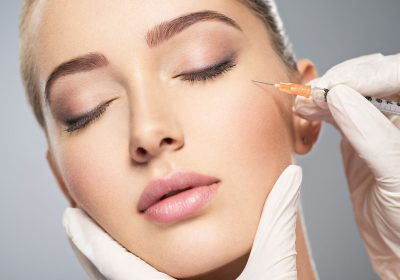
For younger patients seeking subtle improvements, less invasive treatments such as laser resurfacing, neuromodulators, or fillers can enhance skin tone, texture, and volume. These treatments can be highly effective in the early stages of aging and often provide meaningful improvement without surgery. However, they do have limitations because they cannot correct sagging tissue or loose skin. When early structural changes, such as jowling, neck laxity, or diminishing returns from filler, become noticeable, a deep plane facelift may offer a more comprehensive and longer-lasting solution.
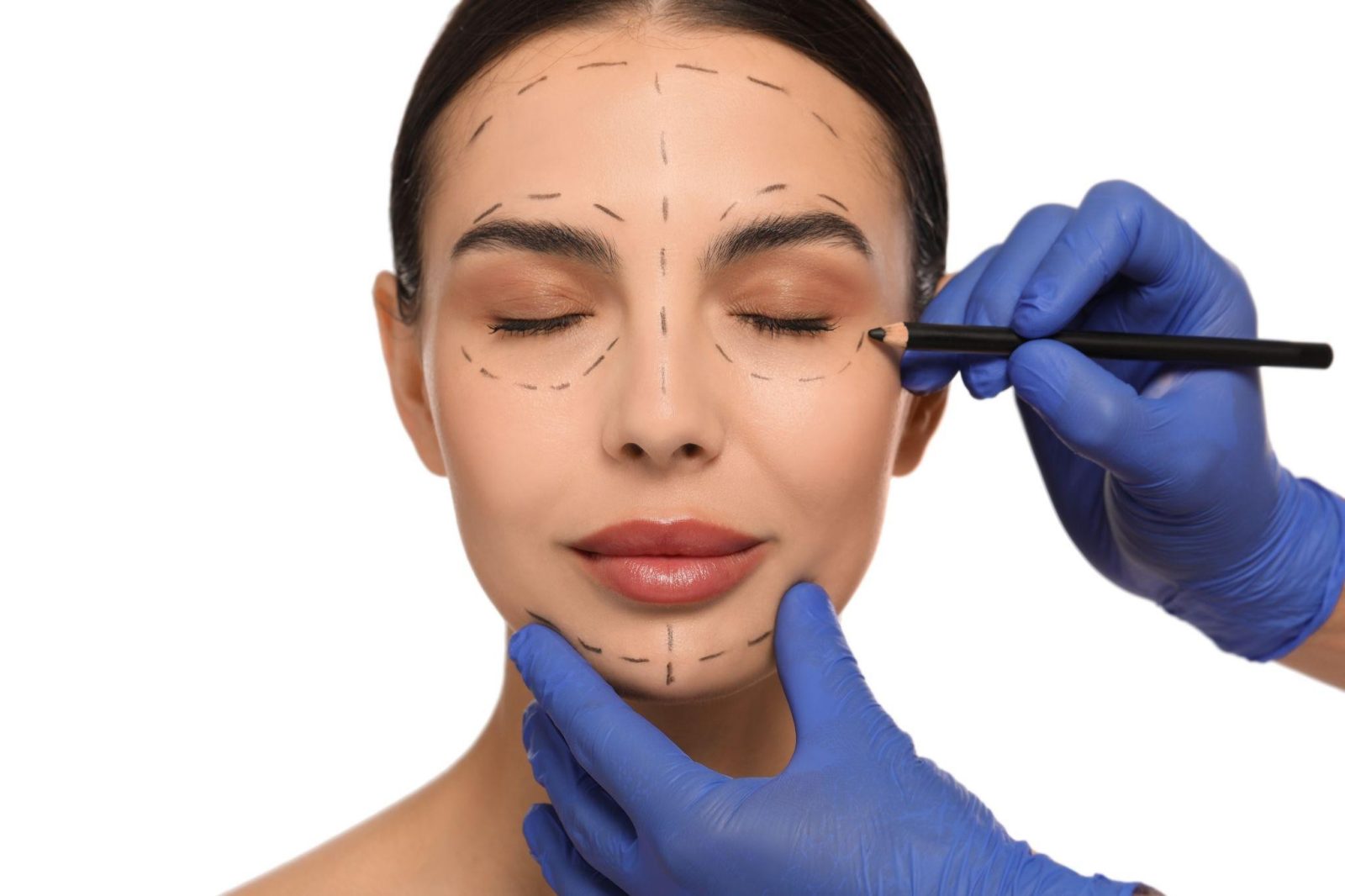
During consultations, I carefully evaluate each patient’s anatomy, goals, and lifestyle. I treat every face as a work of art, studying bone structure, facial proportions, and soft tissue movement to develop a personalized plan that refines rather than erases identity. Often, this involves combining multiple treatments, such as a deep plane facelift with neck rejuvenation, skin resurfacing, or eyelid surgery, to create a balanced and harmonious outcome. The goal is not simply to tighten the face, but to restore structure and proportion in a way that looks natural and timeless.
All this said, it is important to note that not every patient is a candidate for a facelift. Surgery requires visible signs of aging, including wrinkles, sagging, or lax skin, in order to produce meaningful improvement. If concerns are primarily focused around the eyes, for example, a blepharoplasty may be the more appropriate option. Overall health, realistic expectations, and a willingness to commit to proper recovery are also essential. Equally important is choosing a board-certified facial plastic surgeon with extensive experience in facial anatomy, as both safety and artistry play a critical role in achieving optimal results.
Recovery from a modern deep plane facelift is often faster and more comfortable than many patients expect. My technique preserves blood supply, eliminates the need for drains, and uses tissue glue rather than traditional sutures alone. These refinements help reduce swelling and bruising, allowing most patients to return to work within a week and feel comfortable on camera within two. Results typically last 10 to 15 years and promote a smoother, more refined aging process over time. Younger patients may experience particularly long-lasting results because their skin retains greater elasticity and healing capacity.
Facelifts today are seeing renewed interest not because they are trendy, but because they empower patients to feel confident in their own skin while aging on their own terms. The goal is never to chase youth; it is to enhance natural beauty, preserve identity, and support a graceful evolution over time. For anyone considering facial rejuvenation, timing is everything. Done too early, surgery may be unnecessary. Done at the right stage, it can be truly transformative.
Ultimately, a successful facelift is not measured solely by aesthetics. It is measured by how patients feel afterward: refreshed, confident, and authentically themselves. The bottom line? With the right timing, the right approach, and the right surgeon, a facelift can be a powerful tool in the art of aging well.
For more information, visit Dr. Sam Rizk's social media: