



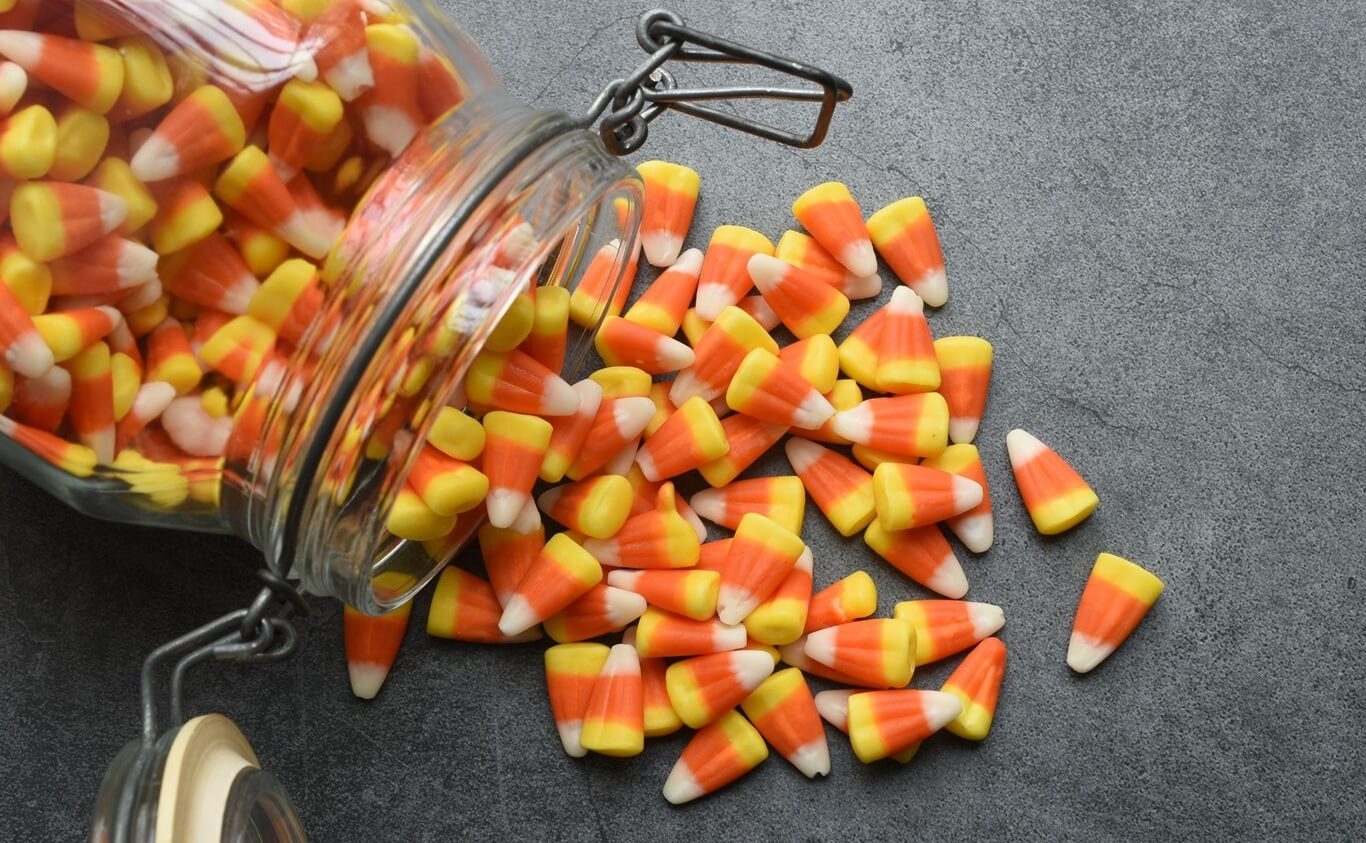
 Photo Credit: Shutterstock
Halloween should be a time for excitement, not anxiety. Yet, for families navigating food allergies, the holiday can bring hidden risks in every candy bowl and costume party. With a bit of planning and awareness, children and adults alike can safely enjoy the festivities without fear of accidental exposure.
A Thoughtful Approach to Treats
Halloween candy often contains common allergens such as peanuts, tree nuts, sesame, milk, or eggs. Even bite-sized or “fun-size” candies can differ in ingredients from their full-sized versions. Parents should carefully read every label, including advisory statements like “may contain” or “produced in a facility with.” When in doubt, it’s safest to avoid uncertain treats entirely and follow the guidance of your healthcare provider.
Establishing a plan before trick-or-treating, such as separating out allergen-containing candy or swapping it for safe alternatives, can help prevent accidents. Families can also prepare by packing epinephrine and reviewing the symptoms of anaphylaxis to ensure quick action if a reaction occurs.
Safer Ways to Celebrate
There are many ways to enjoy Halloween beyond the candy exchange. Families can coordinate with neighbors and friends to hand out allergy-friendly or non-food items like stickers, small toys, or glow bracelets. Teaching children to politely decline homemade or unlabeled treats empowers them to make safe choices while still participating fully in the fun.
If one child has allergies while siblings do not, separating candy bags after trick-or-treating helps avoid cross-contact. For added peace of mind, consider a “treat trade-in” at home, where collected candy is exchanged for allergy-safe snacks or small prizes.
Hidden Triggers Beyond the Candy Bowl
While sweets take center stage, they’re not the only source of allergic reactions on Halloween night. Many masks, gloves, and costume accessories contain latex: a material that can trigger hives, rashes, or breathing difficulties in sensitive individuals. Always check costume labels for latex content, and contact manufacturers if ingredients aren’t clearly listed.
Face paints and makeup can also cause allergic skin reactions, especially those containing preservatives like formaldehyde. It’s best to test products on a small patch of skin in advance and opt for hypoallergenic or fragrance-free formulations whenever possible.
Making Halloween Meaningful and Safe
For families managing food allergies, Halloween safety is about creating traditions rooted in inclusion rather than restriction. Consider alternatives like pumpkin carving, at-home scavenger hunts, or themed movie nights—activities that make the holiday memorable without added risk.
With preparation, communication, and awareness, Halloween can remain a celebration of creativity, community, and fun—for every child, regardless of their allergies.
For more information, visit Purvi Parikh, MD, FACP, FACAAI's social media:

Beauty
October 17, 2025Purpose in Practice: How Aesthetic Island NYC Redefines Confidence