






 Photo Credit: Shutterstock
Teledermatology has rapidly evolved from a niche service to a mainstream modality, particularly in the wake of the COVID-19 pandemic. As a dermatologist practicing in multiple states and diverse settings, I have witnessed firsthand the transformative impact of virtual care on patient access, diagnostic accuracy, and continuity of care.
Bridging Geographic and Socioeconomic Gaps
One of the primary benefits of teledermatology is its ability to bridge geographic and socioeconomic divides. Patients in rural or underserved areas, who may otherwise face long wait times, limited local specialists, or significant travel barriers, can now receive expert dermatologic evaluation and management from the comfort of their homes. This accessibility ensures that high-quality care is no longer confined to metropolitan areas or major medical centers.
This modality has been particularly valuable for chronic conditions such as psoriasis, eczema, and acne, where consistent follow-ups and timely adjustments to therapy are critical. By removing logistical barriers, teledermatology supports better adherence to treatment plans and long-term management of these ongoing conditions.
Enhancing Efficiency and Clinical Precision
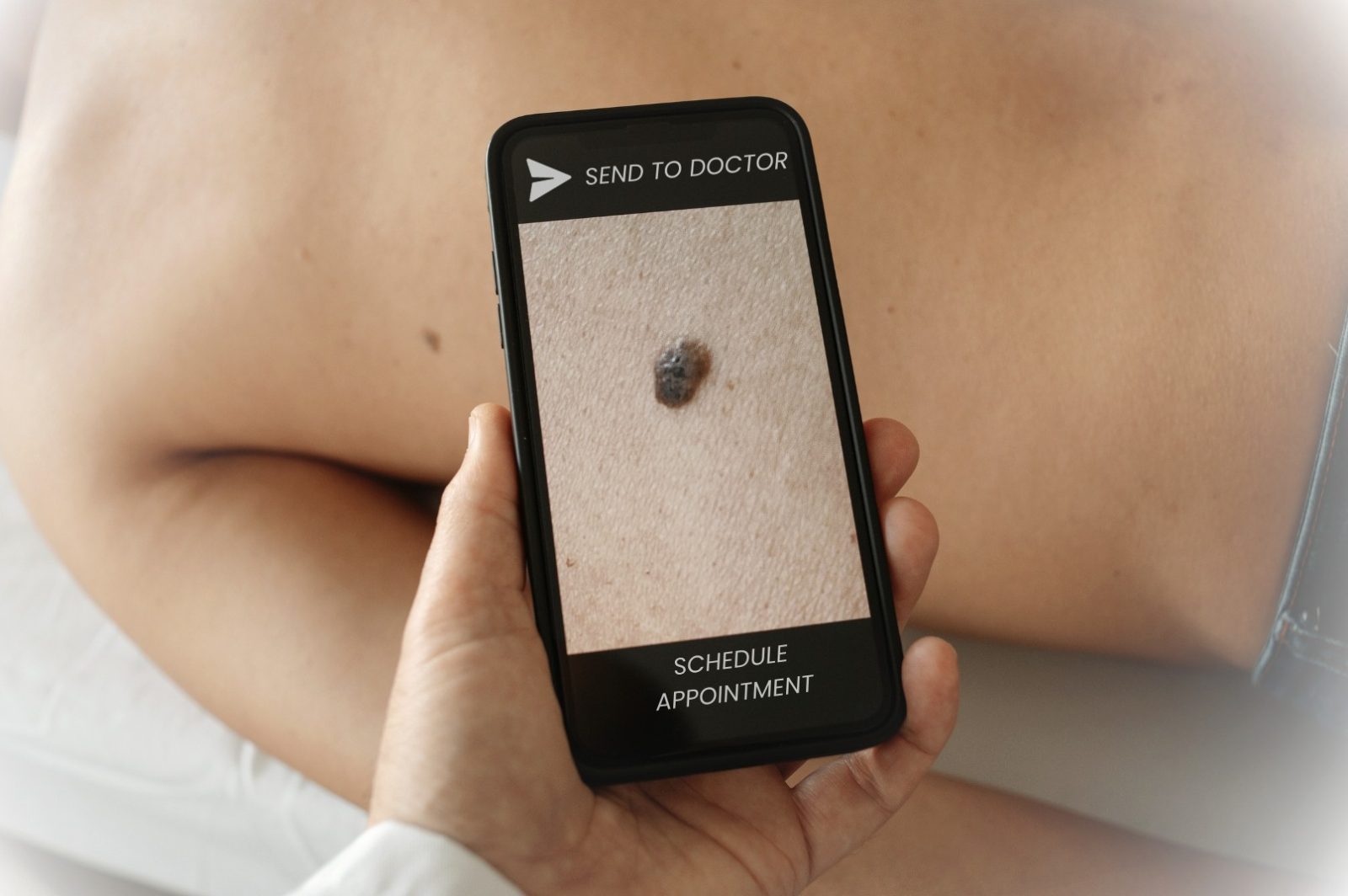
Teledermatology also enhances efficiency across clinical workflows. High-resolution images and secure video consultations enable dermatologists to rapidly assess lesions, rashes, and other skin concerns. This allows providers to triage cases more effectively, prioritizing urgent concerns such as suspected melanoma, severe infections, or drug reactions, while managing less acute issues asynchronously.
The result is a more responsive and balanced system: urgent cases are addressed promptly, and routine consultations can be handled flexibly, leading to improved patient outcomes, reduced delays, and optimized resource allocation.
Challenges and Evolving Solutions
Despite its many advantages, teledermatology is not without challenges. The inability to perform full-body skin exams or in-office procedures remotely remains a limitation, and diagnostic accuracy heavily depends on the quality of the submitted images. Some patients may lack the necessary technology or knowledge to capture clear photos, which can potentially impact clinical decision-making.
However, these barriers are steadily being mitigated. Advancements in smartphone imaging, integrated telehealth platforms, and patient education initiatives are improving both image quality and user experience. Many practices are now offering tutorials and digital checklists to help patients prepare effectively for virtual appointments.
The Future: AI Integration and Hybrid Care Models
Looking ahead, the integration of artificial intelligence (AI) and machine learning holds great promise for further enhancing diagnostic accuracy and streamlining workflows. AI-powered tools can assist in lesion classification, pattern recognition, and predictive analytics, offering an additional layer of support for dermatologists.
Yet, as technology continues to advance, maintaining a patient-centered approach is essential. Virtual care should complement – not replace – in-person visits. A hybrid model that combines the convenience of telemedicine with the thoroughness of in-office evaluations will ensure comprehensive, personalized care.
In summary, teledermatology represents a pivotal advancement in dermatologic care, offering greater accessibility, efficiency, and patient engagement. By embracing technology while upholding clinical excellence, dermatologists can better serve the diverse needs of their patients in an increasingly digital world.
For more information, visit Dr. Anna Chacon's social media: